Taming Spring Allergies: Effective Strategies
Discover proven ways to combat spring pollen and allergens for clearer eyes and better comfort this season.
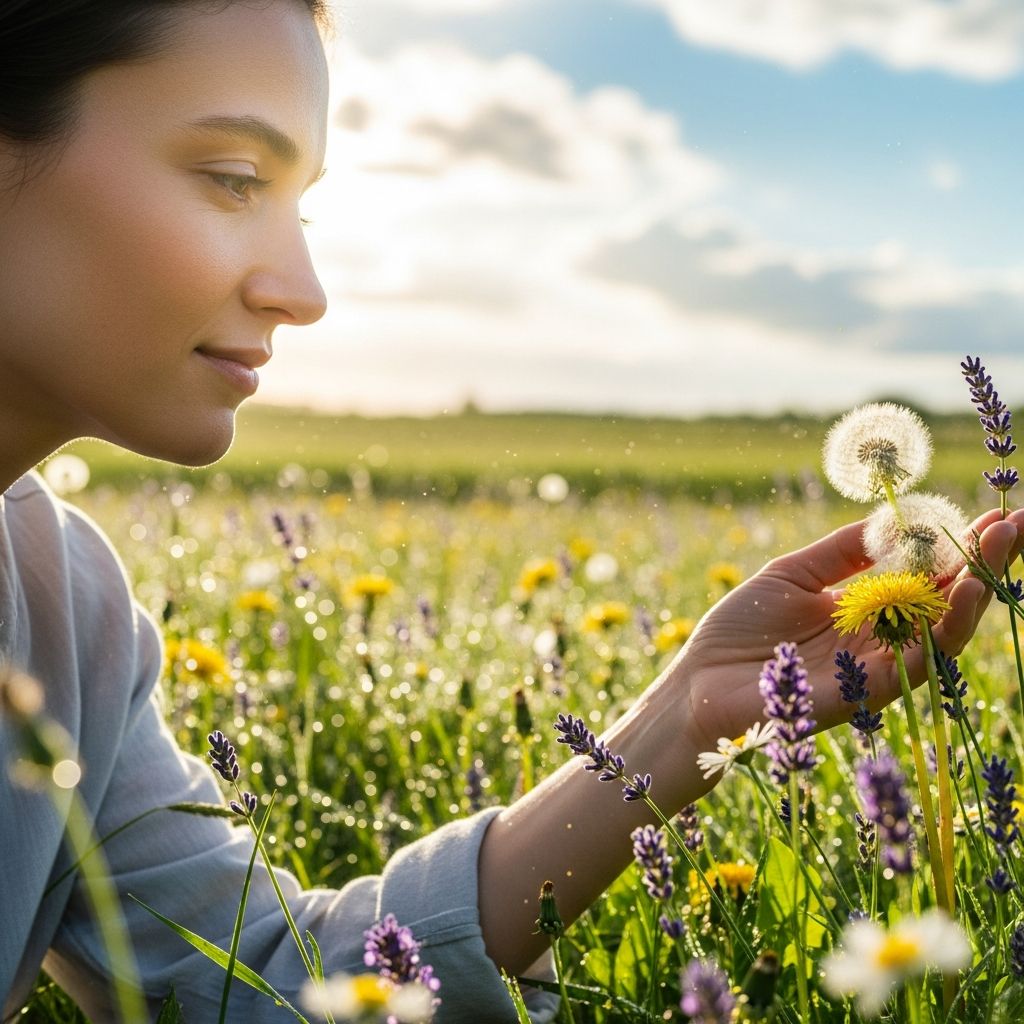
Spring brings blooming flowers and fresh air, but for many, it also triggers uncomfortable eye allergies from pollen and other irritants. These reactions cause redness, itching, and watering, disrupting daily life. This guide outlines comprehensive methods to manage and prevent these symptoms, focusing on eye health while addressing overall allergic responses.
Understanding Spring Eye Allergies
Seasonal allergic conjunctivitis, a common eye condition in spring, occurs when pollen from trees, grasses, and weeds contacts the eyes’ surface. The immune system overreacts, releasing histamines that inflame the conjunctiva, leading to symptoms like intense itching, swelling, and light sensitivity. Unlike infections, these allergies are not contagious but can mimic other issues, so accurate identification is key.
Tree pollen peaks early spring, followed by grass in late spring, varying by region. Factors like wind and temperature influence pollen dispersal, making some days worse than others. Those with hay fever often experience combined nasal and ocular symptoms, amplifying discomfort.
Key Triggers and How to Spot Them
Primary culprits include tree pollens (e.g., oak, birch), mold spores from thawing soil, and outdoor dust. Indoor aggravators like pet dander or dust mites can worsen symptoms during high-pollen periods.
- Tree pollen: Dominant in March-May, carried by wind over long distances.
- Grass pollen: Emerges later, peaking mid-season.
- Mold: Thrives in damp spring conditions.
- Cross-triggers: Pollution or smoke intensifying reactions.
Track personal patterns by noting symptom onset with local weather changes. Allergy testing via skin prick or blood analysis pinpoints specifics, enabling targeted prevention.
Daily Habits to Minimize Exposure
Proactive lifestyle adjustments significantly cut allergen contact. Start by consulting pollen forecasts from weather apps or sites, which report counts by type and intensity. High levels? Reschedule outdoor plans.
| Pollen Level | Recommended Action |
|---|---|
| Low | Normal activities; monitor symptoms |
| Moderate | Limit time outside; use protection |
| High | Stay indoors; avoid peaks (5-10 AM) |
Opt for late afternoon outings when counts drop post-rain. Wear wraparound sunglasses to shield eyes, and a wide-brim hat to block overhead pollen.
Post-Outdoor Routine
Upon returning home, immediately change clothes and shower to rinse pollen from skin, hair, and scalp. This prevents transfer to bedding and furniture. Use saline nasal rinses to flush allergens from sinuses, indirectly easing eye strain.
Fortifying Your Living Spaces
Your home should be an allergy sanctuary. Keep windows shut during peak season, relying on air conditioners with clean filters. HEPA-filtered units capture tiny particles effectively.
- Vacuum weekly with HEPA vacuums; damp-dust surfaces to trap dust.
- Wash bedding in hot water (130°F+) biweekly to eliminate mites.
- Dehumidify to below 50% humidity, curbing mold.
- Use allergen-proof covers on mattresses and pillows.
Related Stories



In cars, recirculate air and park in garages to minimize entry points. Regular filter changes maintain efficiency.
Over-the-Counter Relief Options
For mild symptoms, OTC remedies provide quick eye-focused relief. Antihistamine eye drops like ketotifen (e.g., Zaditor) block histamine directly, reducing itch within minutes. Use as needed, but not more than four times daily.
Oral antihistamines (loratadine, cetirizine) tackle systemic symptoms, benefiting eyes indirectly. Nasal corticosteroids like fluticasone ease congestion, lessening sinus pressure on eyes.
Advanced Medical Interventions
When OTC fails, see an ophthalmologist or allergist. Prescription drops (e.g., olopatadine) offer stronger anti-inflammatory action for severe itching. For chronic cases, immunotherapy builds tolerance via shots or sublingual tablets targeting specific pollens.
Nasal sprays reduce overall inflammation, aiding ocular comfort. In urgent scenarios, short-term oral steroids may be prescribed. Testing confirms allergens, customizing plans.
Holistic and Supportive Measures
Complement treatments with natural aids. Local honey (raw, local) may desensitize to regional pollens, though evidence is anecdotal. Neti pots with sterile saline clear nasal passages effectively. Quercetin-rich foods (onions, apples) act as natural antihistamines.
Stay hydrated to thin mucus, and use cool compresses on eyes for soothing relief. Avoid irritants like smoke or strong scents.
Seasonal Timeline for Preparation
Begin two weeks pre-season: Start nasal sprays for prophylaxis. Monitor forecasts religiously. Stock remedies early to avoid shortages.
- Pre-spring: Test allergies; clean home thoroughly.
- Peak season: Daily routines + meds.
- Post-peak: Taper treatments; evaluate effectiveness.
Frequently Asked Questions
Can allergies cause permanent eye damage?
Rarely, if chronically rubbed, leading to corneal issues. Treat promptly to avoid.
Are allergy shots safe for children?
Yes, from age 5, under specialist supervision.
How soon do eye drops work?
Most within 15-30 minutes; consistent use maximizes benefits.
Does air purifiers really helps eyes?
Yes, HEPA models reduce indoor pollen by 50-70%.
Can diet influence allergies?
Anti-inflammatory diets (omega-3s, antioxidants) may lessen severity.
Long-Term Management Plans
Build resilience through annual allergist visits. Track symptoms in a journal for patterns. Combine avoidance, meds, and lifestyle for 80-90% symptom reduction. Educate family to support efforts.
For vision-impacting allergies, prioritize professional care. With diligence, spring can be enjoyable sans misery.
References
- Spring Allergy Prevention Strategies — AllerVie Health. 2023. https://www.allervie.com/blog/spring-allergy-prevention-strategies/
- Spring Allergy Season is Here: Tips on Prevention and Treatment — Everest Urgent Care. 2023. https://everesturgentcarepa.com/spring-allergy-season-is-here/
- Tips to reduce seasonal allergy symptoms and treatment options — UC Davis Health. 2023-03. https://health.ucdavis.edu/blog/cultivating-health/tips-to-reduce-seasonal-allergy-symptoms-and-treatment-options-to-help/2023/03
- How to Navigate and Prevent Spring Allergies — Trinity Health Michigan. 2023. https://www.trinityhealthmichigan.org/newsroom/blog-articles/how-navigate-and-prevent-spring-allergies
- Know Which Medication Is Right for Your Seasonal Allergies — U.S. Food and Drug Administration (FDA). 2023. https://www.fda.gov/consumers/consumer-updates/know-which-medication-right-your-seasonal-allergies
- Natural Remedies for Seasonal Allergies — Cigna Healthcare. 2023. https://www.cigna.com/knowledge-center/natural-remedies-for-seasonal-allergies
- Managing Spring Allergies — Cleveland Clinic. 2023. https://health.clevelandclinic.org/how-to-manage-spring-allergies
- Treating Seasonal Allergies — University of Oregon Health Services. 2023. https://health.uoregon.edu/treating-seasonal-allergies
- Nonpharmacological measures to prevent allergic symptoms — National Library of Medicine (PMC). 2021-11-26. https://pmc.ncbi.nlm.nih.gov/articles/PMC8638355/
Similar Articles








Read full bio of Sneha Tete