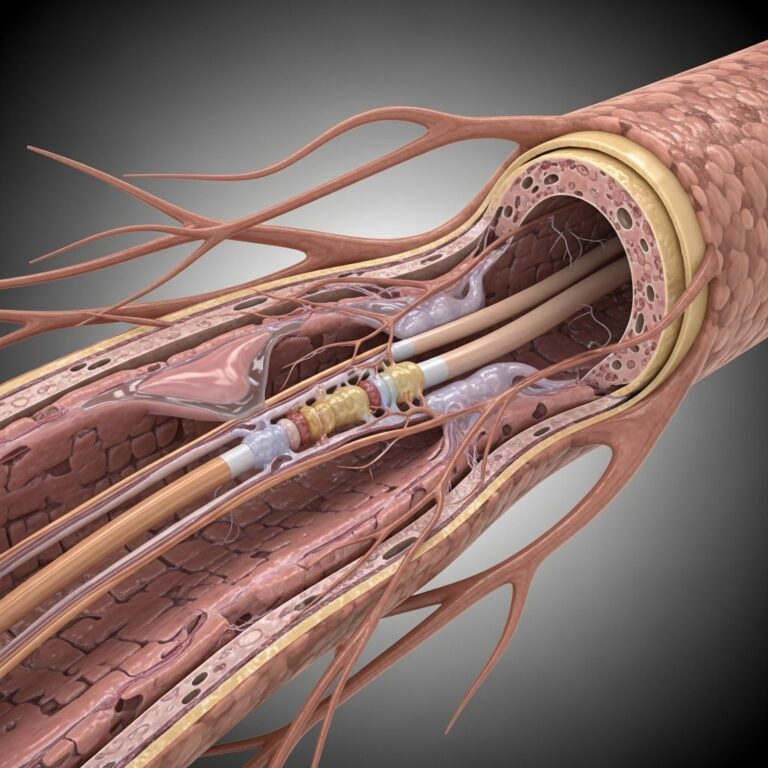
Tapeworm Infection: Symptoms, Causes, Diagnosis & Treatment
Comprehensive guide to taeniasis and cysticercosis: causes, symptoms, diagnosis, and effective treatments for tapeworm infections.
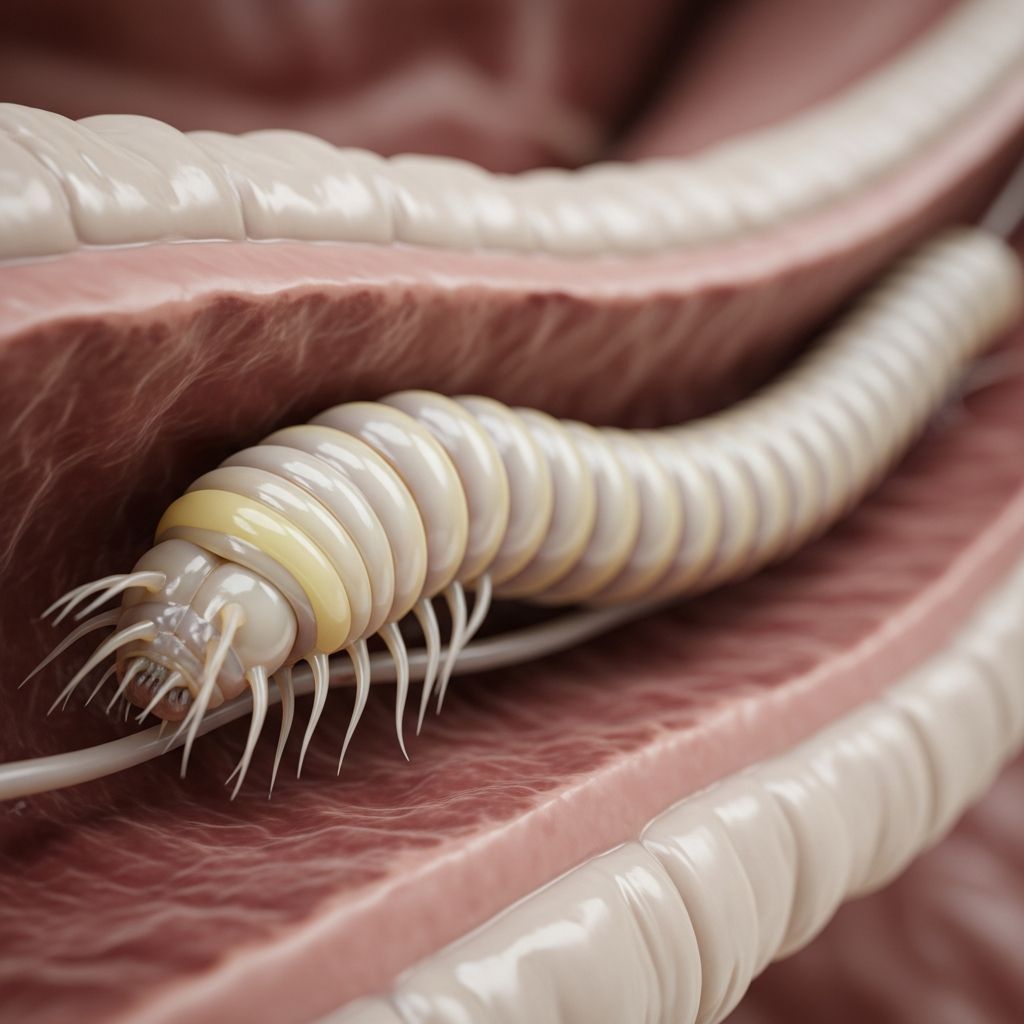
Authoritative facts about tapeworm infection (taeniasis and cysticercosis): what causes tapeworm infection, symptoms of tapeworm infection in humans, taeniasis treatment and cysticercosis treatment.
What is tapeworm infection?
Tapeworm infection, also known as taeniasis, refers to an intestinal infection caused by adult tapeworms of the genus Taenia. There are 32 recognized species of Taenia, but only three commonly affect humans: Taenia saginata (beef tapeworm), T. solium (pork tapeworm), and T. asiatica (Asian tapeworm).
Taeniasis occurs when humans ingest viable cysticerci (larval cysts) in undercooked or raw infected meat—typically beef for T. saginata or pork for T. solium and T. asiatica. Once inside the human intestine, these larvae attach to the intestinal wall, develop into mature tapeworms, and begin producing eggs and proglottids (segments containing eggs).
A related but distinct condition is cysticercosis, which happens when humans ingest T. solium eggs, leading to larval infection in tissues outside the intestine, such as skin, muscles, eyes, or brain (neurocysticercosis).
These infections are zoonotic, maintained through cycles involving humans, pigs, cattle, and contaminated environments. Poor hygiene, inadequate meat inspection, and consumption of raw meat perpetuate transmission.
Who gets tapeworm infection?
Taeniasis primarily affects individuals who consume raw or undercooked beef, pork, or fish from endemic areas. High-risk groups include:
- People in regions with poor sanitation and free-ranging livestock, such as parts of Latin America, Africa, Asia, and Eastern Europe.
- Travelers to endemic areas who eat street food or undercooked meat.
- Those with close contact to pigs or cattle, farm workers, or hunters handling infected animals.
- Individuals practicing poor hand hygiene after contact with contaminated feces.
Cysticercosis risks are higher for those exposed to human feces containing T. solium eggs, often via fecal-oral route in households with taeniasis carriers. It disproportionately affects immunocompetent individuals in endemic zones, with neurocysticercosis causing significant morbidity.
Globally, taeniasis affects millions, though exact figures are underreported due to asymptomatic cases. The CDC notes T. solium as a leading preventable cause of epilepsy in developing countries via neurocysticercosis.
Tapeworm life cycle
The life cycle of tapeworms differs between taeniasis and cysticercosis:
Taeniasis cycle
- Humans (definitive host) ingest undercooked meat containing cysticerci.
- Cysticerci evaginate in the stomach, attach to the small intestine via scolex (head), and mature into adult tapeworms (up to 10m for T. saginata).
- Adult worms produce 50,000 eggs daily, packaged in proglottids that detach and exit in stool.
- Intermediate hosts (cattle for T. saginata, pigs for T. solium) ingest eggs from contaminated vegetation.
- In animal tissues, eggs hatch into oncospheres, migrate to muscles, and form cysticerci, completing the cycle when humans eat the meat.
Cysticercosis cycle (human as intermediate host)
Related Stories



Humans ingest T. solium eggs from contaminated food/water or poor hygiene. Eggs hatch in the intestine, releasing oncospheres that penetrate the gut wall, disseminate via bloodstream, and encyst in tissues as cysticerci. This auto-infection occurs in T. solium carriers or close contacts.
T. asiatica follows a similar pork-related cycle but is confined to Asia and less likely to cause cysticercosis.
Signs and symptoms of tapeworm infection
Many taeniasis cases are asymptomatic, discovered incidentally via passed proglottids (resembling rice grains) or eggs in stool. When symptomatic, common issues include:
- Abdominal discomfort, nausea, diarrhea, or constipation.
- Loss of appetite, weight loss, or weakness.
- Anal pruritus from migrating proglottids.
- Dermatological signs: urticaria (hives), itchy weals, or rash.
Cysticercosis symptoms depend on cyst location and number:
- Subcutaneous cysticercosis: Painless, firm nodules under skin (50% of cases).
- Muscles: Swelling or pain.
- Ocular: Vision impairment, floaters, glaucoma.
- Neurocysticercosis (60-90%): Seizures, headaches, hydrocephalus, cognitive changes—major epilepsy cause.
Complications arise from cyst rupture, causing inflammation, fever, or organ obstruction.
Complications of tapeworm infection
Taeniasis rarely causes severe issues but can lead to vitamin B12 deficiency from nutrient competition. The primary danger is T. solium transmission causing cysticercosis, with neurocysticercosis responsible for 50,000 annual deaths worldwide.
Cyst degeneration triggers immune responses: fever, meningitis, strokes. Large cysts obstruct ventricles or vessels.
Diagnosis of tapeworm infection
Taeniasis diagnosis relies on stool microscopy for eggs (detectable 2-3 months post-infection) or proglottids, which may specify species via uterine branch counts (T. saginata: 12-30; T. solium: 7-13).
Cysticercosis uses serology (antibodies via ELISA), biopsy of nodules, or imaging: CT/MRI for brain cysts, ultrasound for muscles.
| Method | Taeniasis | Cysticercosis |
|---|---|---|
| Stool exam | Primary (eggs/proglottids) | Not useful |
| Serology | High sensitivity | |
| Imaging | Rarely needed | Essential (CT/MRI) |
| Biopsy | N/A | For subcutaneous nodules |
Treatment of tapeworm infection
Taeniasis: Single-dose praziquantel (5-10 mg/kg) is first-line, paralyzing the worm for expulsion. Niclosamide (2g single dose) alternative if unavailable.
Cysticercosis: Antihelminthics (albendazole 15 mg/kg/day x 8-30 days or praziquantel) plus corticosteroids (dexamethasone) to manage inflammation. Anticonvulsants for neurocysticercosis. Surgery for accessible cysts.
Post-treatment stool checks confirm clearance. Household screening prevents spread.
Prevention of tapeworm infection
- Cook meat thoroughly (>63°C internal).
- Freeze pork/beef at -20°C for 7-10 days.
- Practice hand hygiene, avoid raw produce in endemic areas.
- Improved sanitation, meat inspection, pig/cattle management.
- Educate on risks of raw meat consumption.
DermNet NZ — Tapeworm infection
Related topics: cysticercosis, echinococcosis, diphyllobothriasis, hymenolepiasis, sparganosis.
Frequently asked questions about tapeworm infection
What causes tapeworm infection?
Ingestion of undercooked infected meat (taeniasis) or T. solium eggs (cysticercosis).
What are the first symptoms of a tapeworm?
Often none; may include abdominal pain, segments in stool, or itching.
How do you get tapeworms from pork?
Eating raw/undercooked pork with T. solium cysticerci.
Can tapeworm eggs cause skin problems?
Yes, urticaria or subcutaneous nodules in cysticercosis.
Is tapeworm infection curable?
Yes, with praziquantel or albendazole; cysticercosis may need supportive care.
References
- Update on parasitic dermatoses — PubMed Central. 2020-03-01. https://pmc.ncbi.nlm.nih.gov/articles/PMC7058862/
- Tapeworm infection: taeniasis, cysticercosis — DermNet NZ. 2023-01-01. https://dermnetnz.org/topics/tapeworm-infection
- Tapeworm in humans — symptoms and treatment — healthdirect.gov.au. 2024-01-01. https://www.healthdirect.gov.au/tapeworm
- Tapeworm Infection: Symptoms, Causes & Treatment — Cleveland Clinic. 2023-06-15. https://my.clevelandclinic.org/health/diseases/23950-tapeworm-infection
- Tapeworm Infection — Merck Manuals. 2024-05-01. https://www.merckmanuals.com/home/infections/parasitic-infections-cestodes-tapeworms/tapeworm-infection
- Tapeworm (Taeniasis / Cysticercosis) — Texas DSHS. 2023-01-01. https://www.dshs.texas.gov/notifiable-conditions/zoonosis-control/zoonosis-control-diseases-and-conditions/tapeworm-taeniasis-cysticercosis
- What you need to know about tapeworm infections — WHO Vietnam. 2022-01-01. https://www.who.int/vietnam/news/feature-stories/detail/what-you-need-to-know-about-tapeworm-infections
- About Human Tapeworm — CDC. 2024-08-15. https://www.cdc.gov/taeniasis/about/index.html
Similar Articles








Read full bio of medha deb