Tapeworm Symptoms: 7 Key Signs, Causes, And Treatments
Recognize the signs of tapeworm infections early—from mild digestive issues to severe neurological effects—for timely treatment.
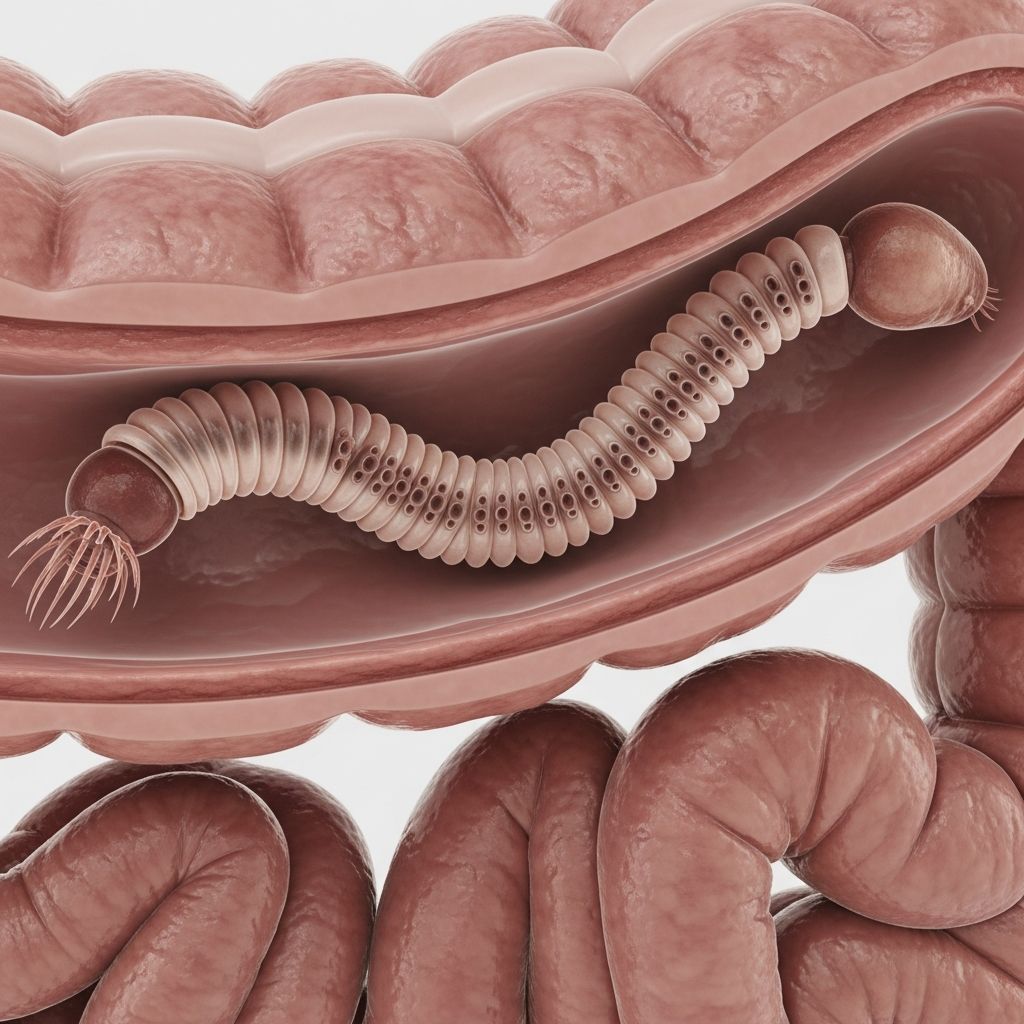
Tapeworm infections, known medically as taeniasis or cysticercosis, affect the intestines or other organs and often present with mild or no symptoms initially. These flat, segmented parasites can grow up to several meters long in the human gut, leading to nutrient malabsorption, digestive distress, or severe complications if larvae migrate to tissues like the brain.
What Is a Tapeworm Infection?
A tapeworm infection occurs when humans ingest larvae or eggs of cestode parasites, primarily through contaminated food, water, or poor hygiene. Common species include Taenia saginata (beef tapeworm), Taenia solium (pork tapeworm), Diphyllobothrium latum (fish tapeworm), and Hymenolepis nana (dwarf tapeworm). Adult worms attach to the intestinal wall using a scolex (head) and release proglottids (segments) filled with eggs, which exit via stool.
Intestinal taeniasis typically arises from eating undercooked infected meat, while cysticercosis—from T. solium—results from ingesting eggs, often via fecal-oral transmission. Unlike intestinal infections, which may be asymptomatic, cysticercosis can form cysts in muscles, eyes, or the central nervous system, causing neurocysticercosis. Globally, tapeworms infect millions, with higher prevalence in regions with poor sanitation and raw meat consumption.
Tapeworm Symptoms
Many tapeworm infections produce no noticeable effects, especially in adults, but symptoms emerge based on worm species, load, and location. Intestinal infections cause gastrointestinal disturbances, while larval cysts trigger organ-specific issues.
Intestinal Tapeworm Symptoms
Adult tapeworms in the gut often lead to vague, intermittent complaints. Key signs include:
- Abdominal pain: Crampy or colicky, often worse in the morning and relieved by eating small amounts. More common in children.
- Nausea and upset stomach: Feeling queasy or vomiting, particularly epigastric discomfort.
- Changes in appetite: Increased hunger, cravings (e.g., salty foods), or loss of appetite leading to unintended weight loss.
- Diarrhea or loose stools: Occasional, more frequent in children or H. nana infections.
- Anal itching (pruritus ani): Caused by migrating proglottids irritating the perianal area, especially at night.
- Visible segments in stool: Proglottids, resembling rice grains or cucumber seeds, may move and alert patients to infection.
- Gas, bloating, and fatigue: Due to nutrient competition by the worm.
Children often experience more pronounced symptoms like irritability, fever, or malaise compared to adults. Diphyllobothrium latum uniquely causes vitamin B12 deficiency, leading to pernicious anemia, sore tongue, paresthesias (numbness/tingling), or shuffling gait.
Symptoms of Larval Cysts (Cysticercosis)
When T. solium larvae form cysts outside the intestines, symptoms vary by site:
- Muscles and subcutaneous tissue: Painless nodules or swelling.
- Eyes (ocular cysticercosis): Vision changes, pain, or blindness.
- Brain or spine (neurocysticercosis): Severe effects including headaches, seizures (most common), dizziness, confusion, focal weakness, hydrocephalus, or stroke-like symptoms. Cyst location dictates presentation—parenchymal cysts cause seizures, ventricular ones lead to increased intracranial pressure.
Cyst degeneration can provoke inflammation, fever, or anaphylaxis-like reactions with breathing difficulty and hypotension.
Related Stories



Tapeworm Causes and Risk Factors
Tapeworms require an intermediate host (cattle, pigs, fish) before infecting humans as definitive hosts. Primary transmission modes:
- Inadequate cooking: Eating raw/undercooked beef, pork, or freshwater fish harboring larvae.
- Poor hygiene: Fecal-oral spread of eggs, common in endemic areas with open defecation.
- Contaminated water/food: Eggs from human carriers’ stool polluting produce or water.
- Autoinfection: Eggs from one’s own proglottids reinfecting via hand-to-mouth.
Risk factors include travel to Latin America, Asia, Africa; occupational exposure (butchers, farmers); and immunosuppression. Unlike pets, human tapeworms rarely spread directly from animals.
How Tapeworms Are Diagnosed
Diagnosis combines history, symptoms, and tests. Patients often self-report seeing worm segments.
| Method | Description | Target |
|---|---|---|
| Stool examination | Ova and parasite (O&P) test; scotch tape for eggs/proglottids | Intestinal taeniasis (T. saginata/solium, D. latum) |
| Blood tests | CBC (eosinophilia), serology for antibodies/antigens | Cysticercosis, B12 levels |
| Imaging | CT/MRI for cysts; ultrasound for muscles/eyes | Neuro/ocular cysticercosis |
| Biopsy | Rare; examines nodules/cysts | Confirmatory |
Species identification via proglottid morphology or PCR aids treatment.
Tapeworm Treatment
Most infections respond well to oral antiparasitics, killing adult worms that pass in stool. Cysts may require surgery.
- Praziquantel: First-line for taeniasis/diphyllobothriasis (5-10 mg/kg single dose).
- Niclosamide: Alternative for intestinal worms; not absorbed, acts locally.
- Albendazole: For neurocysticercosis, combined with steroids to reduce inflammation.
- Surgery: Removes large cysts or ventricular blockages.
- Symptomatic care: Anticonvulsants for seizures, B12 supplements.
Treatment cures >90% of intestinal cases; prognosis is excellent unless neurocysticercosis is advanced. Household screening prevents spread.
Tapeworm Prevention
Prevent reinfection through:
- Cooking meat/fish to 145°F (63°C) internal temperature.
- Freezing fish at -4°F (-20°C) for 7 days.
- Handwashing, especially after toilet use or handling soil.
- Treating carriers and improving sanitation.
- Avoiding raw meat in endemic areas.
When to See a Doctor
Seek care if you notice worm segments in stool, persistent abdominal pain, unexplained weight loss, or neurological symptoms like seizures. Early intervention prevents complications.
Frequently Asked Questions (FAQs)
Are tapeworms visible in stool?
Yes, proglottids appear as white, flat, moving segments like grains of rice.
Can tapeworms be killed at home?
No; require prescription drugs. Avoid unproven remedies.
Do tapeworms always cause weight loss?
Not always; many are asymptomatic, but heavy infections compete for nutrients.
Is tapeworm infection contagious?
Intestinal taeniasis no, but cysticercosis eggs spread via poor hygiene.
How long do tapeworms live in humans?
Up to 20-30 years without treatment.
References
- Tapeworm infection – Symptoms and causes — Mayo Clinic. 2023-10-12. https://www.mayoclinic.org/diseases-conditions/tapeworm/symptoms-causes/syc-20378174
- Tapeworm — StatPearls, NCBI Bookshelf. 2023-08-14. https://www.ncbi.nlm.nih.gov/books/NBK537154/
- Tapeworm Infection Signs & Symptoms, Nutrient Deficiencies — YouTube (MedCram). 2019-06-15. https://www.youtube.com/watch?v=oCDnomEOfIE
- Tapeworm infection – beef or pork — MedlinePlus Medical Encyclopedia. 2024-01-01. https://medlineplus.gov/ency/article/001391.htm
- Pinworms, Roundworms, Tapeworms and Your Kids — UVA Health. 2023-05-20. https://www.uvahealth.com/healthy-balance/pinworms-roundworms-tapeworms-kids
Similar Articles








Read full bio of Sneha Tete