Tapioca Benefits: 7 Key Health Perks For Digestion, Heart, Skin
Discover the surprising health benefits of tapioca, from gluten-free nutrition to digestive support and more.
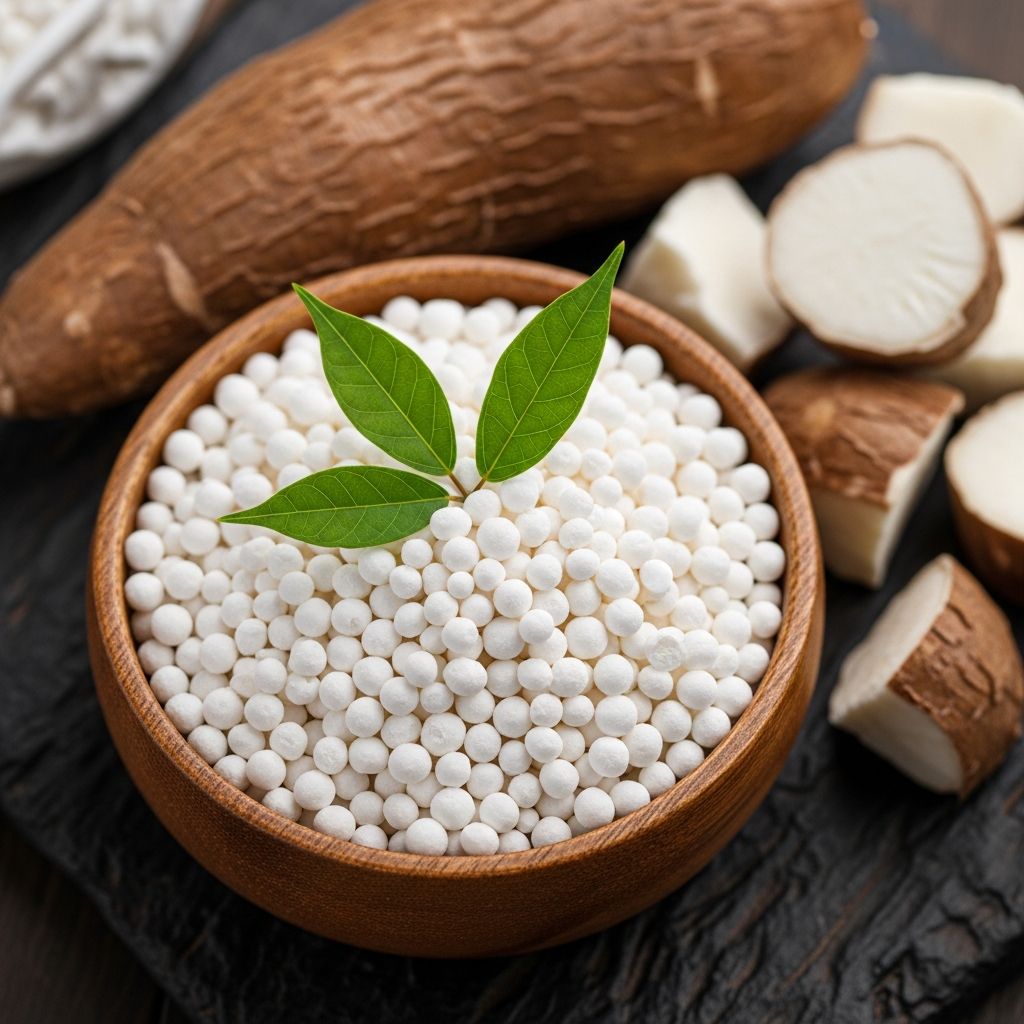
Tapioca, derived from the cassava root, offers a range of nutritional benefits as a gluten-free starch, supporting digestion, heart health, and more when consumed properly.
What Is Tapioca?
Tapioca is a starchy extract from the cassava plant (*Manihot esculenta*), a root vegetable native to South America but now grown worldwide, especially in tropical regions. The cassava root is processed to remove toxins like cyanogenic glycosides, yielding tapioca in forms such as flour, pearls, or flakes. This versatile ingredient is prized for its neutral flavor, thickening properties, and suitability for restricted diets.
Processing involves grating, washing, and drying the cassava to create a pure starch that’s naturally gluten-free and low in allergens. Unlike wheat or corn-based starches, tapioca provides quick-digesting carbohydrates, making it ideal for energy needs without common irritants.
Tapioca Nutrition Facts
A standard 1/4 cup (about 30 grams) serving of tapioca starch delivers approximately 100 calories, primarily from 26 grams of carbohydrates, with zero fat, protein, or cholesterol. It’s low in sodium at under 20 mg and provides trace minerals like 20 mg calcium (2% DV) and 1.6 mg iron (9% DV for women). Dry tapioca pearls offer slightly more fiber at 1-2 grams per cup, aiding modest digestive support.
| Nutrient | Amount per 1/4 Cup (30g) | % Daily Value* |
|---|---|---|
| Calories | 100 | 5% |
| Carbohydrates | 26g | 9% |
| Fiber | 0-1g | 0-4% |
| Protein | 0g | 0% |
| Iron | 1.6mg | 9% |
| Calcium | 20mg | 2% |
| *Based on 2,000-calorie diet. Values vary by form (starch vs. pearls). | ||
While nutrient-dense alternatives like whole grains offer more vitamins, tapioca shines in its purity and digestibility, especially when fortified with iron or calcium in commercial products.
Potential Health Benefits of Tapioca
Tapioca provides several evidence-based benefits, particularly for those on special diets, though its high carb content requires moderation.
1. Gluten-Free and Low-Allergen
Tapioca is inherently free of gluten, grains, nuts, and most common allergens, making it safe for celiac disease, gluten sensitivity, and nut allergies. Its neutral profile allows it to mimic wheat flour’s texture in baking, improving moisture in gluten-free breads and pizzas.
2. Supports Digestive Health
Low in FODMAPs—fermentable carbs that trigger IBS symptoms—tapioca is gentle on the gut. Doctors recommend it for IBS or diverticulitis to boost calories without flares. A small fiber content (1g per half-cup pearls) aids regularity when paired with fruits and veggies.
3. Promotes Heart Health
Zero saturated fat and cholesterol, plus soluble fiber, help lower LDL cholesterol, reducing heart disease risk. Iron and folate support red blood cell production for oxygen transport, indirectly benefiting cardiovascular function.
4. Aids Healthy Weight Gain
Calorically dense at 14% of daily needs per half-cup, tapioca helps underweight individuals, athletes, or those with conditions like cystic fibrosis gain pounds without excess fats. Add to puddings or smoothies for easy calories.
5. Provides Essential Minerals
Offers modest calcium for bone health (reducing osteoporosis risk) and iron for cell growth, beneficial for anemia-prone groups. Folate supports new cell formation, while fortified versions enhance these nutrients.
6. Energy Boost for Athletes
Rapidly digesting carbs replenish glycogen post-workout, aiding muscle recovery when mixed with protein. Ideal for endurance sports.
7. Skin and Hair Applications
Topically, its absorbent starch controls oil, exfoliates gently, and hydrates in DIY masks, though evidence is anecdotal.
Related Stories



Potential Downsides and Risks
Despite benefits, tapioca has limitations. It’s nearly pure starch (90% carbs), low in protein, vitamins, and fiber compared to whole grains, risking deficiencies if over-relied upon. High glycemic index spikes blood sugar, unsuitable for diabetics without modification.
Raw cassava contains cyanogenic compounds that release cyanide if improperly processed—always buy commercial tapioca, which is detoxified. Overconsumption may lead to constipation from low fiber or weight gain from calories.
- High carbs: Monitor for blood sugar control.
- Low nutrients: Pair with proteins, veggies.
- Cyanide risk: Only use processed forms.
How to Use Tapioca in Your Diet
Incorporate tapioca for thickening soups, making bubble tea pearls, or gluten-free baking. Blend with nutrient-rich flours like almond or coconut for balanced recipes.
- Baking: Substitute 1:1 for wheat flour in pancakes, breads.
- Puddings: Cook pearls in milk for creamy dessert.
- Thickening: Use flour in sauces, gravies.
- Smoothies: Add flour for post-workout thickness.
Start with small servings (1/4 cup cooked) to assess tolerance.
FAQs
Is tapioca healthy?
Yes, in moderation—gluten-free, digestible, and nutrient-supported, but high-carb nature requires portion control.
Is tapioca gluten-free?
Absolutely, naturally gluten-free and ideal for celiac diets.
Does tapioca cause weight gain?
It can support healthy gain due to calorie density, beneficial for underweight people.
Is tapioca low FODMAP?
Yes, making it gut-friendly for IBS.
Can tapioca be eaten raw?
No—must be processed to remove toxins.
References
- Is Tapioca Good For You? – BistroMD — BistroMD. 2023. https://www.bistromd.com/blogs/nutrition/health-benefits-of-tapioca
- Tapioca: Health Benefits, Nutrition, and Uses — WebMD. 2024-10-15. https://www.webmd.com/diet/tapioca-health-benefits-nutrition-uses
- Tapioca Facts You Should Know for Health and Cooking — Rupa Health. 2024. https://www.rupahealth.com/post/tapioca-facts-you-should-know-for-health-and-cooking
- Tapioca: Nutrition facts and benefits — Medical News Today. 2023-05-22. https://www.medicalnewstoday.com/articles/318411
- What Is Tapioca and What Is It Good For? — Healthline. 2024. https://www.healthline.com/nutrition/tapioca
Similar Articles








Read full bio of medha deb