Tartar: Causes, Effects, and Professional Treatment
Learn about tartar buildup, how it forms, and why professional dental cleaning is essential.
Understanding Tartar: What You Need to Know
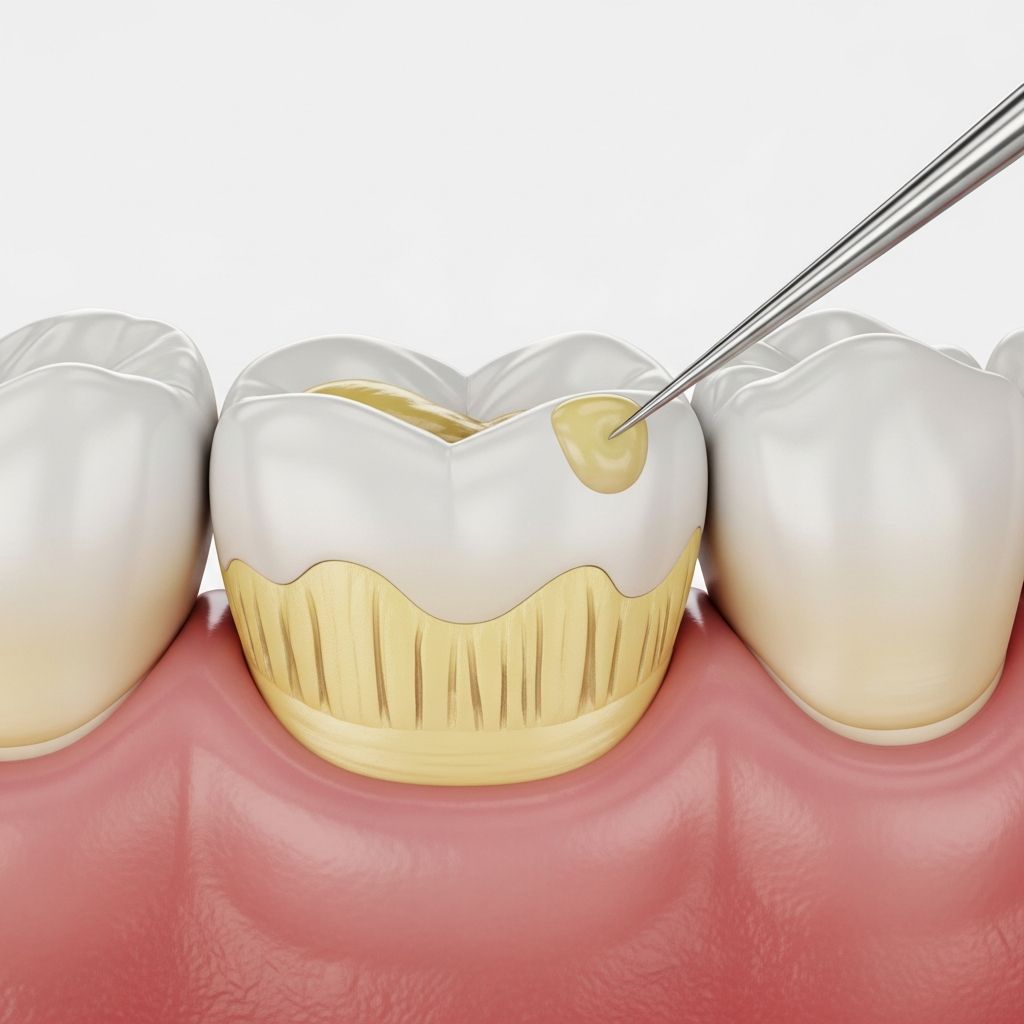
Tartar, also known as dental calculus, is a hardened, calcified deposit that forms on your teeth when plaque is not adequately removed through daily oral hygiene practices. Unlike the sticky, colorless film of plaque that forms daily, tartar represents an advanced stage of bacterial accumulation that cannot be removed through brushing or flossing alone. Understanding the difference between plaque and tartar is critical for maintaining optimal oral health and preventing serious complications like gum disease and tooth loss.
What is Tartar and How Does it Differ from Plaque?
Tartar is fundamentally different from plaque in both composition and physical properties. Plaque is a soft, sticky, colorless biofilm composed of bacteria, saliva, and food debris that forms on your teeth every single day. This film is active and continuously developing whenever bacteria in your mouth feed on sugars and carbohydrates from foods and beverages.
Tartar, by contrast, is the hardened, calcified result of plaque that hasn’t been removed. It consists of mineralized deposits including calcium phosphate, calcium carbonate, and magnesium phosphate, combined with dead bacteria and saliva remnants. The transformation from plaque to tartar typically begins within 24 to 72 hours of continuous plaque accumulation and varies among individuals based on their oral hygiene practices and saliva composition.
Key Differences Between Plaque and Tartar
| Feature | Dental Plaque | Tartar (Calculus) |
|---|---|---|
| Physical State | Soft, sticky, colorless to pale yellow | Hard, calcified, non-sticky, porous |
| Composition | Bacteria, food debris, saliva, acids | Mineralized calcium and phosphate salts |
| Removal Method | Brushing and flossing at home | Professional dental cleaning required |
| Visibility | Generally not visible | Visible as yellow, brown, or black stains |
| Location | Forms above gum line | Can form above and below gum line |
How Tartar Forms
Understanding the formation process of tartar helps explain why prevention is so critical. When you consume foods and beverages containing carbohydrates and sugars, bacteria in your mouth feed on these substances and release destructive acids. These acids break down tooth enamel through a process called demineralization, which is the first step toward cavity formation.
The combination of bacteria, acids, and carbohydrates coalesces into the sticky plaque film. If this acidic environment persists and plaque is not removed regularly, the bacteria continue their metabolic processes, and the plaque gradually becomes increasingly mineralized. Minerals from your saliva combine with the bacterial deposits, causing the plaque to harden into tartar. This calcification process is irreversible without professional intervention.
The Impact of Tartar on Your Oral Health
Tartar poses serious threats to both your teeth and gums. Once plaque hardens into tartar, it becomes a sophisticated incubator for bacterial infection. Although tartar itself is largely inert, its rough, porous surface provides an ideal scaffold for new, often more pathogenic bacteria to anchor and thrive. This bacterial habitat accelerates inflammatory processes in the gums and makes cleaning increasingly difficult.
Consequences of Tartar Buildup
Tartar buildup can cause multiple oral health complications:
– Visible tooth stains that are yellow, brown, or black in appearance- Persistent bad breath (halitosis) caused by bacterial accumulation- Red, swollen, or bleeding gums indicating gingivitis- Permanent hard coating on teeth that feels rough to the tongue- Enamel erosion and cavity formation- Gum recession as tissues pull away from teeth- Progressive gum disease (periodontal disease)- When tartar forms below the gum line, it pushes gum tissue away from tooth roots, deepening periodontal pockets
Related Stories



The presence of visible tartar and gum bleeding are reliable indicators of poor oral hygiene practices. Long-term accumulation of tartar creates a sustained inflammatory state in the gums that cannot be remedied by simple home measures. Without proper treatment, this progression leads to periodontitis, involving the destruction of ligaments and bone supporting the teeth, ultimately resulting in tooth mobility and tooth loss.
Tartar Location and Appearance
Tartar can develop in different locations on and around your teeth, each presenting distinct challenges. Supragingival tartar forms above the gum line and is typically visible as discolored deposits. Subgingival tartar forms below the gum line and is not visible without professional examination but poses greater risks for gum disease progression.
Tartar may initially appear off-white or yellow, but over time it takes on the color of foods and substances you consume. Coffee, tea, red wine, and tobacco use can cause tartar to become increasingly dark. Some individuals develop black tartar deposits, which indicate either heavy staining or specific dietary and lifestyle factors contributing to discoloration.
Prevention: The Best Defense Against Tartar
Since tartar cannot be removed at home once it forms, prevention through consistent plaque management is essential. The window of opportunity to remove plaque mechanically before it hardens is critically short, typically within 24 to 72 hours of formation.
Effective Prevention Strategies
– Brush your teeth twice daily with fluoride toothpaste using proper technique- Floss daily, or preferably use interdental brushes for superior plaque reduction- Use antimicrobial mouthwash to reduce bacterial populations- Limit consumption of sugary and starchy foods and beverages- Drink plenty of water to maintain healthy saliva flow- Schedule professional dental cleanings every six months- Consider more frequent cleanings if you have risk factors for tartar buildup- Maintain consistent oral hygiene practices without interruption
Scientific evidence strongly favors the use of interdental brushes over traditional floss for patients with interproximal spaces or existing gum inflammation, offering superior reduction in plaque and bleeding. The emphasis on interdental cleaning is particularly important since tartar frequently develops in these hard-to-reach areas.
Professional Tartar Removal and Treatment
Once tartar has formed, only professional dental intervention can remove it. Your dentist or dental hygienist uses specialized instruments and techniques to eliminate tartar deposits and restore your oral health.
Scaling and Polishing
The standard procedure for tartar removal is scaling and polishing. During scaling, your dental professional uses manual or ultrasonic instruments to carefully remove calculus from your teeth. Polishing follows to smooth the tooth surface and remove stains. This procedure is typically effective for tartar above the gum line and mild accumulations.
Scaling and Root Planing
For cases where chronic tartar buildup has led to deep periodontal pockets and significant inflammation, a more intensive procedure called root planing becomes necessary. This deep dental cleaning removes tartar and bacteria that accumulate around the roots of your teeth below the gum line. Root planing smooths the root surfaces to eliminate calculus and bacterial toxins, promoting the reattachment of gum tissue and helping to reverse early-stage gum disease.
Dentists and periodontists may recommend scaling and root planing if you have mild or moderate gum disease. This treatment can help resolve sore, bleeding gums, prevent tooth loss, and give you the best chance for long-lasting oral health. The procedure typically requires multiple appointments and may be performed under local anesthesia for patient comfort.
Diagnosis of Tartar Buildup
Diagnosis of calculus buildup requires a thorough visual and tactile examination by a dental hygienist or dentist, often supplemented by dental radiographs to detect subgingival deposits that are not visible to the naked eye. Your dental professional will assess the extent of buildup, its location relative to the gum line, and any associated gum inflammation or damage.
Can Tartar Break Off Naturally?
Yes, tartar can break off your teeth, particularly when eating hard foods or brushing too aggressively. When tartar breaks away, it can leave rough or sharp patches on your teeth around the gum line. These sharp edges can irritate your gums and create areas where additional bacteria can accumulate. If you notice this happening, it’s important to visit your dentist promptly to have your teeth professionally cleaned and smoothed.
Frequently Asked Questions About Tartar
Q: What is the difference between plaque and tartar?
A: Plaque is a soft, sticky, colorless biofilm that forms daily and can be removed through brushing and flossing. Tartar is hardened plaque that cannot be removed at home and requires professional dental cleaning. Tartar forms when plaque is not adequately removed within 24 to 72 hours.
Q: Can I remove tartar at home?
A: No. Once plaque hardens into tartar, it cannot be removed through any at-home method including brushing, flossing, or over-the-counter products. Only professional dental cleaning by a dentist or hygienist can remove tartar.
Q: How quickly does plaque turn into tartar?
A: Tartar formation typically begins within 24 to 72 hours of continuous plaque accumulation. The exact timeline varies among individuals based on factors like saliva composition, oral hygiene practices, and dietary habits.
Q: What causes tartar buildup?
A: Tartar develops when plaque accumulates and hardens due to mineralization. It results from poor oral hygiene, infrequent dental visits, consuming sugary or starchy foods, and inadequate brushing and flossing habits.
Q: Can tartar cause gum disease?
A: Yes. Tartar provides a rough, porous surface where bacteria thrive, accelerating inflammatory processes. This can lead to gingivitis (gum inflammation), periodontitis (advanced gum disease), and potentially tooth loss if left untreated.
Q: How often should I have professional tartar removal?
A: Most people benefit from professional cleanings every six months. However, if you have risk factors for tartar buildup or existing gum disease, your dentist may recommend more frequent visits.
Q: Is scaling and root planing painful?
A: Scaling and root planing can cause some sensitivity, but dentists typically use local anesthesia to minimize discomfort. Your dental professional will discuss pain management options before the procedure.
Q: What happens if tartar is not removed?
A: Untreated tartar continues to accumulate, creating a chronic inflammatory state in the gums. This progression leads to periodontitis, bone loss, tooth mobility, and eventually tooth loss, a condition whose prevalence is rising particularly in older populations.
Key Takeaways for Tartar Management
– Plaque is manageable through daily oral hygiene, while tartar is permanent and requires professional intervention- Tartar forms when plaque hardens, typically within 24 to 72 hours of accumulation- Tartar’s rough, porous surface provides an ideal environment for bacterial growth and gum disease- Prevention through consistent brushing, flossing, and professional cleanings is the best strategy- Professional scaling and root planing can effectively remove tartar and treat gum disease- Regular dental visits every six months help prevent serious tartar accumulation and complications- Early intervention is critical to prevent progression to periodontitis and tooth loss
References
- Dental Plaque: What Is It & How To Remove From Teeth — Cleveland Clinic. 2024. https://my.clevelandclinic.org/health/diseases/10953-plaque
- Tartar (Dental Calculus): Tips to Remove Tartar Buildup — WebMD. 2024. https://www.webmd.com/oral-health/tartar-dental-calculus-overview
- Scaling & Root Planing: Why You Might Need a Deep Dental Cleaning — Cleveland Clinic. 2024. https://my.clevelandclinic.org/health/treatments/23983-tooth-scaling-and-root-planing
- Periodontal Disease (Gum Disease): Causes, Symptoms & Treatment — Cleveland Clinic. 2024. https://my.clevelandclinic.org/health/diseases/21482-gum-periodontal-disease
- Plaque: What Is It and How do I Get Rid of It? — Colgate. 2024. https://www.colgate.com/en-sa/oral-health/plaque-and-tartar/plaque-what-is-it-and-how-do-we-get-rid-of-it
- The Difference Between Plaque and Tartar — Toothopia Dental. 2024. https://toothopiadental.com/the-difference-between-plaque-and-tartar/
Similar Articles








Read full bio of Sneha Tete