Taste Buds: How Your Body Detects Flavors
Discover how taste buds work and detect the five basic flavors your tongue perceives.
Your ability to enjoy a delicious meal, detect spoiled food, or savor your favorite beverage depends on a remarkable sensory system: your taste buds. These tiny sensory organs work continuously to identify flavors and communicate taste information to your brain. Understanding how taste buds function reveals the fascinating complexity behind one of your body’s most essential senses.
What Are Taste Buds?
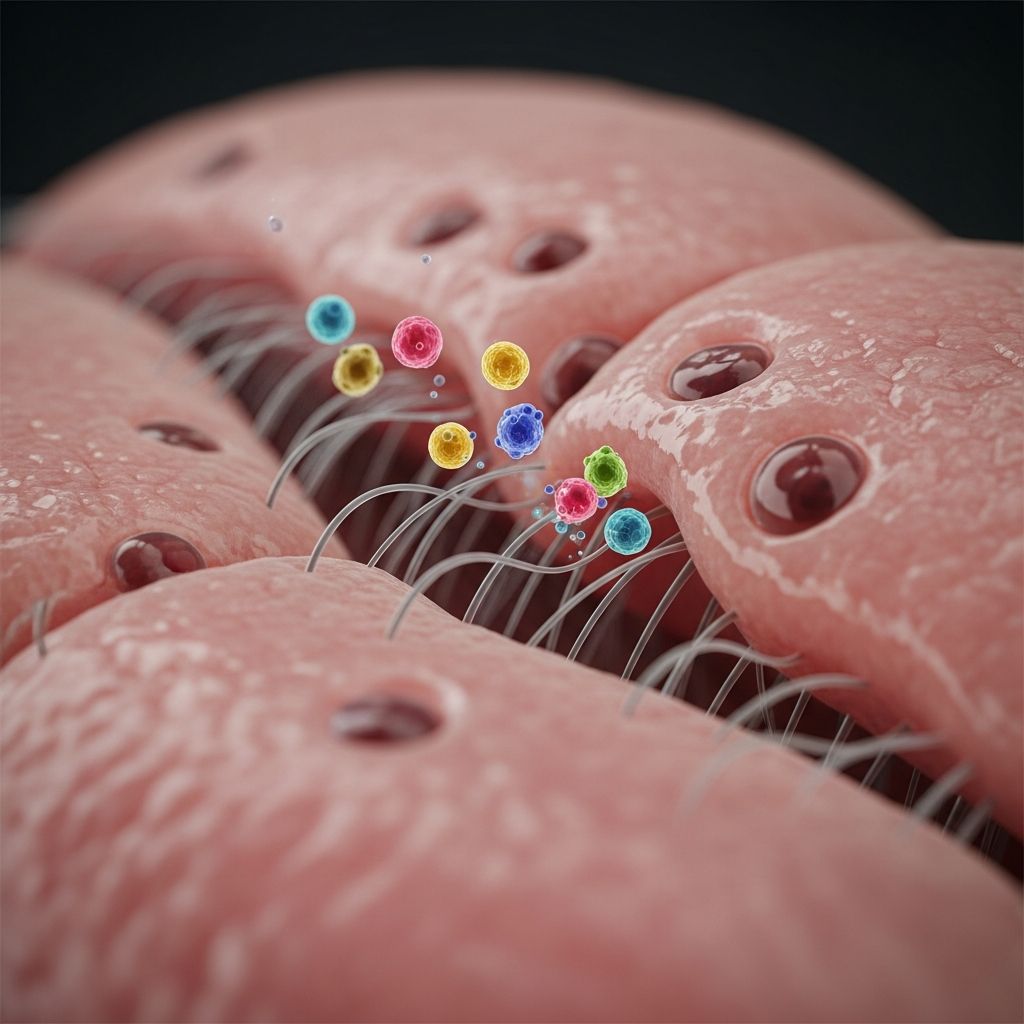
Taste buds are specialized sensory organs that detect chemical compounds in food and beverages. These clusters contain 50 to 100 neuroepithelial cells that work together to identify different flavors. Rather than being individual structures, taste buds are organized collections of receptor cells located throughout your mouth, including your tongue, epiglottis, and larynx. Each taste bud contains 50 to 150 taste receptor cells, and these cells have microscopic hairs that detect the chemical compounds in what you eat and drink.
The total number of taste buds in the human body ranges from approximately 2,000 to 9,000, though this number varies among individuals. Interestingly, taste buds are particularly abundant in infants and children, but they gradually decline in number from adolescence into adulthood. This is why older adults sometimes report that foods taste less flavorful than they did when they were younger.
Understanding the Anatomy of Taste Buds
Your taste buds are not randomly scattered across your mouth. Instead, they are housed within tiny bumps on your tongue called papillae. These papillae are the small, visible structures that give your tongue its characteristic bumpy texture.
Types of Papillae
There are three main types of papillae that contain taste buds:
Fungiform Papillae: These mushroom-shaped structures are located on the tip and sides of your tongue and are easily visible to the naked eye. Fungiform papillae contain the most taste buds—approximately 1,600 in total. They are widely scattered across the anterior two-thirds of your tongue.
Circumvallate Papillae: Located at the back of your tongue in a distinctive V-shaped row, circumvallate papillae contain about 250 taste buds collectively. These larger papillae are surrounded by a trench that helps capture and concentrate tastant molecules. About half of all taste buds in your mouth are located in these vallate papillae, making this a highly sensitive taste region.
Foliate Papillae: These structures are found on the back sides of your tongue and number approximately 20. Each foliate papilla contains hundreds of taste buds, making them important contributors to your overall taste perception.
How Taste Buds Work
The process of tasting involves several coordinated steps that ultimately allow your brain to identify and interpret flavors. This complex sensory pathway begins the moment food enters your mouth.
The Taste Transduction Process
When you consume food or beverages, they dissolve in your saliva and travel through small openings in your tongue’s surface called taste pores. These taste pores provide access to the taste receptor cells located within your taste buds. The receptor cells contain microscopic taste hairs that detect chemical compounds in food and beverages.
Related Stories



When tastant molecules or ions interact with these taste hairs, they trigger a chemical reaction that generates an action potential—a nerve impulse. This impulse travels along nerve fibers connected to your taste buds and transmits the taste signal to your brain. The medulla oblongata, located in your brainstem, is the first region of your brain to receive these taste signals.
Neural Pathways and Cranial Nerves
Multiple cranial nerves work together to transmit taste information from different regions of your mouth to your brain. The facial nerve (seventh cranial nerve) carries sweet and salty messages from the front of your tongue, while the glossopharyngeal nerve (ninth cranial nerve) carries bitter and sour signals. The vagus nerve (tenth cranial nerve) transmits taste sensations from your throat and epiglottis. Additionally, the trigeminal nerve (fifth cranial nerve) detects sensations such as the burning sensation caused by peppers or spicy foods.
The Five Basic Tastes
While you might experience thousands of different flavor combinations, all taste sensations fall into five basic categories. Contrary to popular belief, every taste bud on your tongue can detect all five basic flavors—some regions are simply slightly more sensitive to certain tastes.
Sweet
Sweet-flavored foods indicate the presence of carbohydrates, which serve as an important energy source for your body. Your brain interprets sweet tastes as signals of nutritionally valuable foods. From an evolutionary perspective, the ability to detect sweetness helped your ancestors identify calorie-rich foods that were essential for survival.
Salty
Salty tastes signal the presence of salt, which plays a crucial role in maintaining water balance and regulating blood circulation throughout your body. Your body needs sodium to function properly, and your taste buds help ensure adequate salt intake.
Sour
Sour tastes protect against ingesting excessive amounts of acidic food and help maintain your body’s acid-base balance. Interestingly, spoiled food is often accompanied by an unpleasant, acidic taste—your taste buds’ way of warning you not to consume potentially harmful substances.
Bitter
Bitter tastes are naturally aversive and serve a protective function. Many naturally occurring poisons and toxic compounds taste bitter, so this taste sensation evolved as a defense mechanism to prevent you from consuming dangerous substances.
Umami
Umami, also known as the savory taste, reflects a food’s protein content. This relatively recently recognized basic taste is associated with foods like aged cheeses, tomatoes, mushrooms, and broths. Umami provides satisfaction and depth to culinary experiences.
Taste and Your Overall Sensory Experience
Your perception of flavor involves more than just taste buds. The experience of eating engages multiple senses working in concert. While taste buds detect chemical compounds, your sense of smell (olfaction) contributes significantly to what you perceive as “taste.” In fact, the combination of sight, smell, and taste initiates the cephalic phase of digestion, an early phase characterized by acid secretion from your stomach.
Additionally, as you eat, receptors in your mouth assess not only taste but also temperature and texture. This multisensory experience is why food can taste bland when you have a cold—your impaired sense of smell reduces your ability to perceive flavor complexity. Similarly, many of the “tastes” you believe you’re detecting are actually aromas perceived through your olfactory system.
The Purpose of Taste Buds
Beyond enabling you to enjoy food, taste buds serve critical survival functions. They collect information about what you’re consuming and relay this information to your brain, allowing you to identify nutritional characteristics and warn of possible risks. Your taste system acts as a sentinel, helping distinguish “dangerous” food components often perceived as bitter or unpleasant from “useful” ones perceived as pleasant, salty, or sweet.
When your receptors detect potentially harmful or toxic materials in food, your body may begin coughing, spitting, or vomiting instead of swallowing. This protective reflex, coordinated with taste perception, is essential for preventing poisoning and maintaining your health.
Factors Affecting Taste Perception
Your ability to taste is not constant throughout your life and can be influenced by various factors. Age is a significant factor—taste perception generally declines with age as the number and sensitivity of taste buds decrease. Health conditions, medications, dental work, and smoking can all affect your taste perception. Some people are “supertasters,” who perceive certain flavors more intensely than others due to having more taste buds or more sensitive taste receptors.
Taste Receptor Cell Regeneration
One remarkable feature of your taste system is that taste receptor cells are relatively short-lived. These cells survive approximately 10 days before being replaced with new cells. This continuous regeneration means your taste buds are constantly renewing themselves. However, this process can be disrupted by factors such as radiation therapy, chemotherapy, or smoking, which may damage the cells and impair your ability to taste.
The Role of Saliva in Taste
Saliva plays an essential role in taste perception. Food and beverages must dissolve in saliva to come into contact with taste buds effectively. Additionally, while eating, salivary glands produce saliva when receptors detect food, which helps with the processes of chewing and swallowing. Without adequate saliva production, your ability to taste diminishes significantly, which is why dry mouth can lead to a reduced sense of taste.
Common Misconceptions About Taste
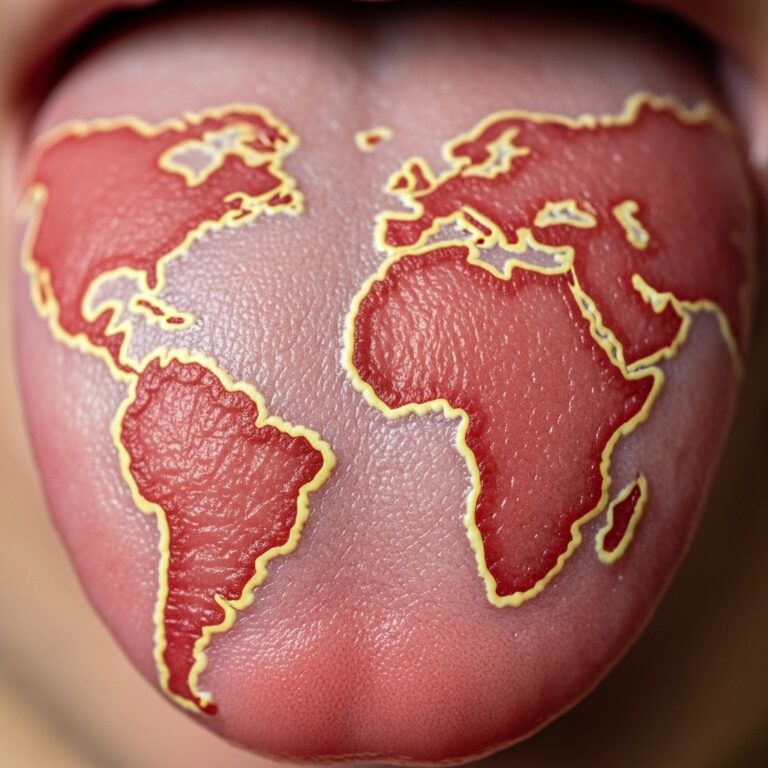
One of the most persistent myths about taste is the idea that different regions of your tongue are responsible for detecting different flavors. Popular illustrations suggest that the tip of your tongue detects sweetness, the sides detect saltiness, the back detects bitterness, and the middle detects sourness. In reality, this is false. All taste buds have the ability to detect all five basic flavors. While some regions may be slightly more sensitive to certain tastes due to concentration or nerve distribution, this variation is minimal and should not be considered a hard-and-fast rule.
Frequently Asked Questions
Q: How many taste buds do humans have?
A: The number of taste buds ranges from approximately 2,000 to 9,000, with significant individual variation. Infants and children typically have more taste buds, which gradually decline in number from adolescence into adulthood.
Q: Can taste buds regenerate?
A: Yes, taste receptor cells within taste buds regenerate approximately every 10 days. This constant renewal allows your taste system to maintain function throughout your life, though the regeneration process can be disrupted by certain health conditions or treatments.
Q: Why do some people taste flavors more intensely than others?
A: Some individuals, known as “supertasters,” have more taste buds or more sensitive taste receptors, allowing them to perceive certain flavors more intensely. This variation is due to genetic differences in taste receptor sensitivity and density.
Q: Is it true that different parts of the tongue taste different flavors?
A: No, this is a common misconception. All taste buds can detect all five basic flavors—sweet, salty, sour, bitter, and umami. While some regions may be slightly more sensitive to certain tastes, the difference is minimal and should not be considered a rule.
Q: How does smell affect taste?
A: Smell significantly contributes to flavor perception. Most of what people perceive as taste is actually aroma detected through the olfactory system. This is why foods taste bland when you have a cold or nasal congestion that impairs your sense of smell.
Q: What role does saliva play in tasting?
A: Saliva is essential for taste perception because food and beverages must dissolve in saliva to effectively contact taste receptor cells. Without adequate saliva, your ability to taste diminishes significantly.
References
- Anatomy and development of the human taste system — National Center for Biotechnology Information (NCBI). 2019. https://pubmed.ncbi.nlm.nih.gov/31604544/
- The Anatomy of Taste Buds — Nutrition Health Review. Accessed December 2025. https://nutritionhealthreview.com/body-basics/the-anatomy-of-taste-buds/
- Taste – Research Starters — EBSCO Information Services. Accessed December 2025. https://www.ebsco.com/research-starters/anatomy-and-physiology/taste
- Tongue: Definition, Location, Anatomy & Function — Cleveland Clinic. Accessed December 2025. https://my.clevelandclinic.org/health/body/22845-tongue
- Management of smell and taste problems — Cleveland Clinic Journal of Medicine. 2004. https://www.ccjm.org/content/ccjom/69/4/329.full.pdf
- Supertasters: What It Means and How To Tell if You Are One — Cleveland Clinic. Accessed December 2025. https://health.clevelandclinic.org/what-it-means-to-be-a-supertaster
Similar Articles








Read full bio of Sneha Tete