Tattoos And Eczema: Safe Choices And Expert Tips
Explore risks, precautions, and aftercare for getting tattoos with eczema-prone skin to ensure safe self-expression.
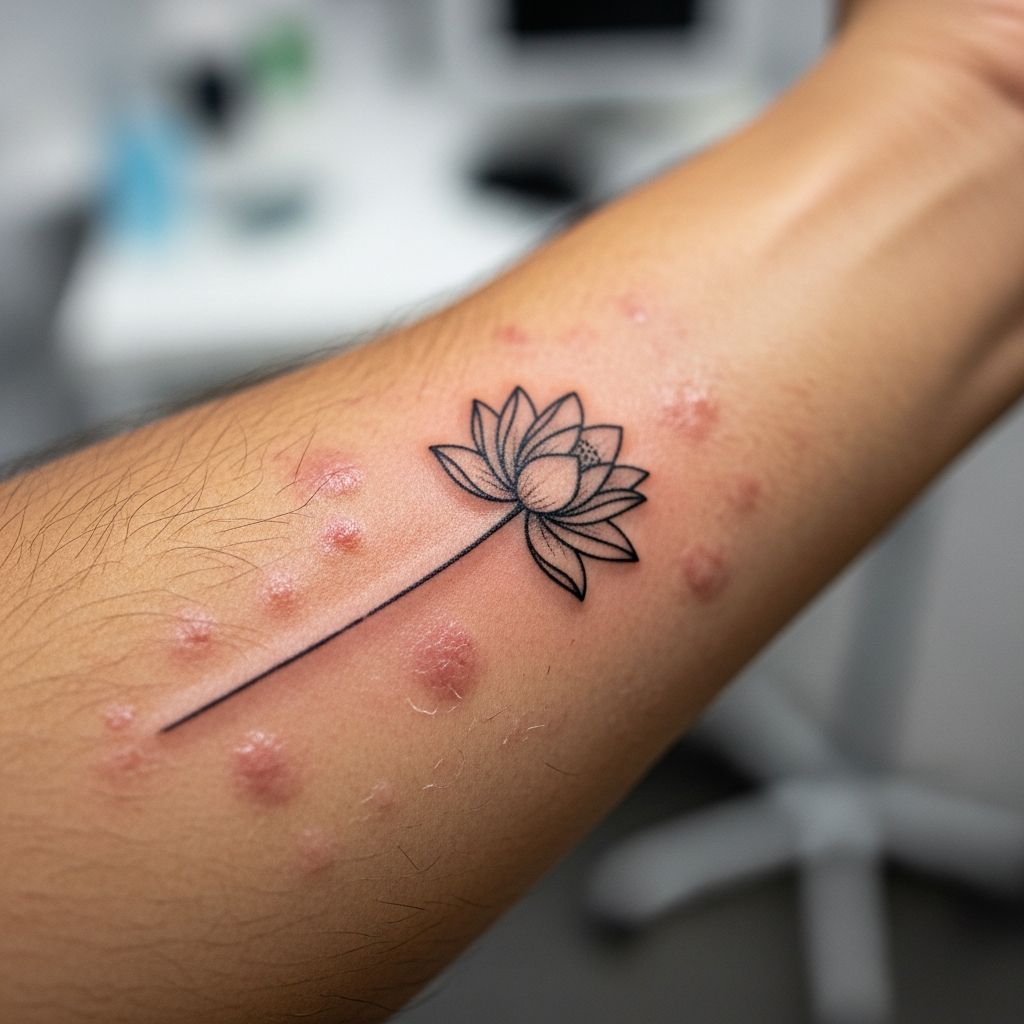
Individuals with eczema often wonder if they can safely pursue tattoos as a form of personal expression. While possible under controlled conditions, this decision requires careful evaluation of skin health, potential complications, and proactive measures to minimize risks.
Understanding Eczema and Tattoo Interactions
Eczema, or atopic dermatitis, features a compromised skin barrier that leads to dryness, itching, and inflammation. Tattooing pierces this barrier with needles and introduces pigments, mimicking an open wound that can provoke immune responses in sensitive skin.
The process heightens vulnerability because eczema skin reacts strongly to trauma, irritants, and allergens. Healthy skin patches may tolerate ink better, but active or recurrent flare zones pose greater challenges.
Potential Complications from Tattooing Eczema-Prone Skin
Several issues can arise when combining tattoos with eczema, impacting both healing and long-term appearance.
- Flare-Ups: Mechanical irritation from needles often triggers inflammation, redness, and itching at the site.
- Allergic Responses: Inks, especially red pigments, may cause contact dermatitis days, weeks, or even years later.
- Pigment Changes: Hyperpigmentation (darkening) or hypopigmentation (lightening) can distort designs due to altered melanin production.
- Infections: A weakened barrier raises susceptibility to bacteria, potentially leading to prolonged healing or scarring.
- Keloid Formation: Those prone to raised scars face heightened risks in tattooed areas.
These complications underscore the need for caution, particularly for severe cases or those with lesion histories from conditions like psoriasis or vitiligo.
When to Avoid Tattooing Altogether
Not all scenarios support safe tattooing. Postpone or skip if:
- Active flare-ups exist anywhere, signaling immune overactivity.
- Using medications like isotretinoin, which impair healing.
- On blood thinners or lacking hepatitis B vaccination.
- Known ink allergies or prior adverse skin reactions occurred.
Consult a dermatologist first to assess severity and receive tailored advice.
Pre-Tattoo Preparations for Success
Thorough planning reduces risks significantly. Start with professional medical input.
Medical Consultation Essentials
Discuss your eczema history, current treatments, and flare patterns with a dermatologist. They can confirm if stable skin allows proceeding and suggest optimal timing post-flare.
Selecting the Ideal Tattoo Location
Opt for areas with minimal past flares, such as upper arms or back, avoiding bends like elbows or feet where skin stretches and irritates easily.
| Recommended Areas | High-Risk Areas |
|---|---|
| Forearms (outer) | Inner elbows |
| Upper back | Ankles/feet |
| Thighs | Neck |
This table highlights zones based on typical eczema patterns and tattoo durability.
Ink and Artist Selection
Request hypoallergenic, vegan inks free of common allergens like nickel or certain azo compounds. Experienced artists familiar with skin conditions maintain sterile environments.
Conducting Patch Tests
A critical step involves small test tattoos with intended inks. Monitor for 1-4 weeks for reactions like swelling or rash. Negative results boost confidence, though delayed allergies remain possible.
Related Stories



Patch testing protocol:
- Apply a tiny dot in a discreet area.
- Observe daily for changes.
- Consult if any irritation appears.
Aftercare Strategies Tailored for Eczema
Post-tattoo care is pivotal, demanding gentle, fragrance-free routines to support barrier repair.
- Cleaning: Use lukewarm water and mild, unscented soap twice daily; pat dry.
- Moisturizing: Apply thick, hypoallergenic ointments like petroleum-based products frequently.
- Protection: Cover loosely with breathable film for 2-3 days, avoiding tight clothing.
- Itch Management: Cold compresses or colloidal oatmeal baths soothe without scratching.
Avoid sun, pools, and irritants for 4 weeks. Seek medical help for pus, fever, or worsening redness.
Managing Flare-Ups Post-Tattoo
If inflammation emerges, act swiftly:
- Cease standard aftercare; switch to doctor-recommended topicals like low-potency steroids.
- Hydrocortisone or calcineurin inhibitors may calm responses without pigment interference.
- Antihistamines reduce itching; antibiotics treat infections.
Healing may extend 4-6 weeks versus 2-3 for healthy skin.
Long-Term Tattoo Maintenance with Eczema
Established tattoos require ongoing vigilance. Daily moisturizing prevents dryness-induced flares. UV protection preserves color and avoids photo-triggered reactions.
Annual dermatologist check-ups monitor for ink-related issues, especially with multicolored designs.
Realistic Expectations and Alternatives
Success stories abound for well-managed eczema, with tattoos enhancing confidence. However, imperfect healing or touch-ups may occur.
Consider temporary options like henna (patch-tested) or makeup tattoos for low-commitment expression.
Frequently Asked Questions
Can eczema spread from a tattoo?
No, but trauma (Koebner phenomenon) can induce flares at the site.
Are black ink tattoos safer?
Often yes, as they use fewer allergens than colors, particularly reds.
How long after a flare can I tattoo?
Wait until skin fully heals, typically 4-6 weeks, per dermatologist approval.
What if I’m on biologics?
Discuss with your doctor; some impair healing.
Will tattoos worsen my overall eczema?
Not typically, if isolated and managed, but stress can indirectly affect.
References
- Tattoos and Eczema: Can they Coexist? — Eczema Company. 2023. https://eczemacompany.com/blogs/blog/eczema-on-tattoo-can-they-coexist
- Can a person with eczema get a tattoo? — Medical News Today. 2023-05-15. https://www.medicalnewstoday.com/articles/tattoos-and-eczema
- IS ATOPIC DERMATITIS COMPATIBLE WITH TATTOOS? — DermControl Inveskin. 2024. https://dermcontrol.inveskin.com/en/blog/atopic-dermatitis-compatible-tattoos-pros-cons-recommendations/
- Eczema and tattoos — Pierre Fabre Eczema Foundation. 2023. https://www.pierrefabreeczemafoundation.org/en/support/useful-advice/eczema-what-are-the-risks-of-tatoos
- Can You Get a Tattoo If You Have Eczema? — National Eczema Association. 2023. https://nationaleczema.org/blog/eczema-and-tattoos/
- Tattoos and atopic dermatitis — European Academy of Dermatology and Venereology (EADV). 2025. https://eadv.org/wp-content/uploads/2025/03/EADV-Patient-Leaflet-TF-Tattoo-Atopic-dermatitis.pdf
Similar Articles








Read full bio of medha deb