Tattoos: Health Risks And How To Stay Safe
Explore the potential health risks of tattoos, from infections to long-term complications, and learn essential safety measures for safe inking.
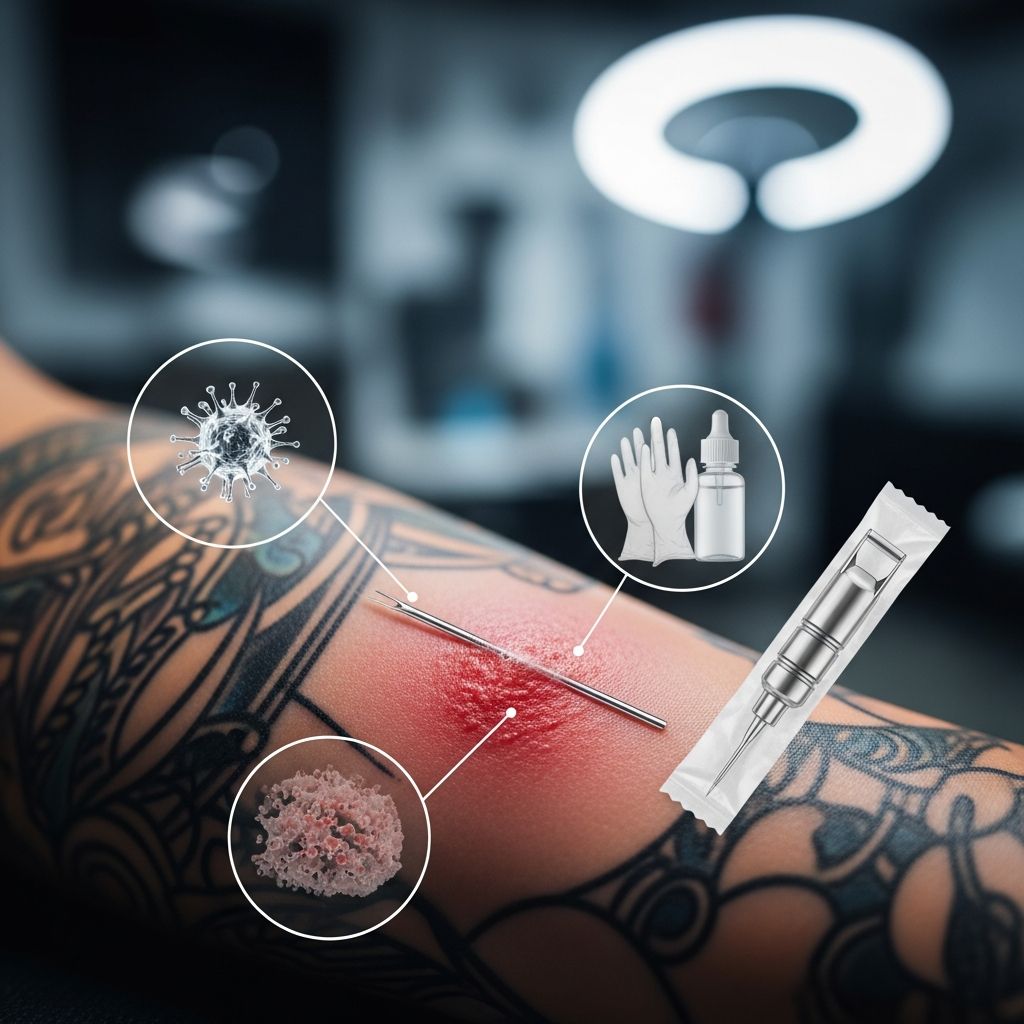
Tattoos involve injecting ink into the skin’s dermis layer, creating permanent designs, but this process carries notable health risks ranging from immediate infections to long-term complications like inflammation and potential cancer links.
Understanding the Tattoo Process and Inherent Dangers
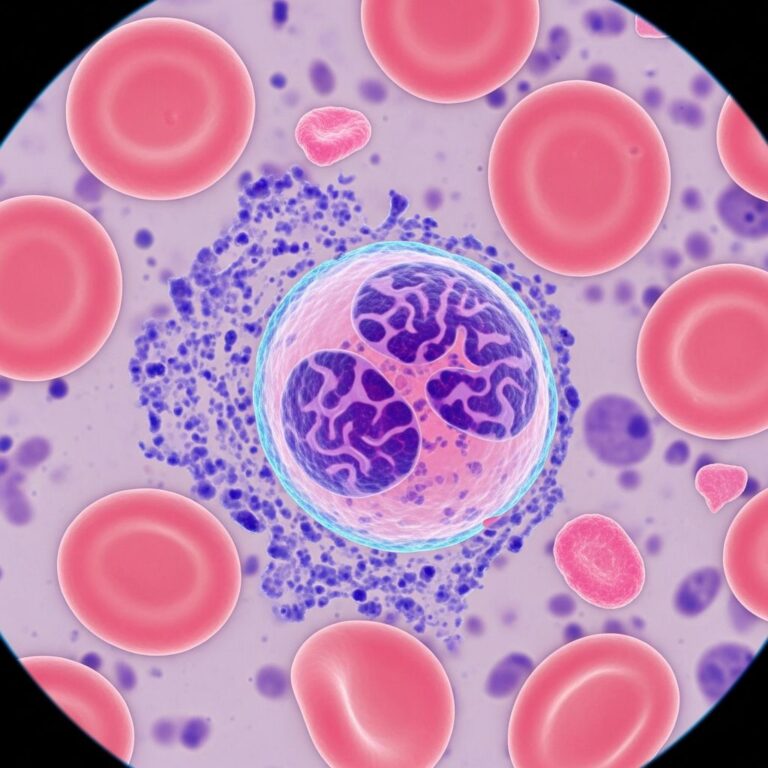
The tattooing procedure uses needles to deposit ink particles deep into the skin, bypassing natural barriers and opening pathways for bacteria, allergens, and toxins. Ink components, including pigments, metals, and preservatives, can trigger immune responses or migrate to lymph nodes, leading to systemic effects.
Modern inks often contain azo pigments, heavy metals like mercury, cadmium, and cobalt, which may decompose under UV light into harmful aromatic amines or polycyclic aromatic hydrocarbons (PAHs). These substances stress skin cells, impair mitochondrial function, and provoke chronic inflammation.
Immediate Health Risks After Tattooing
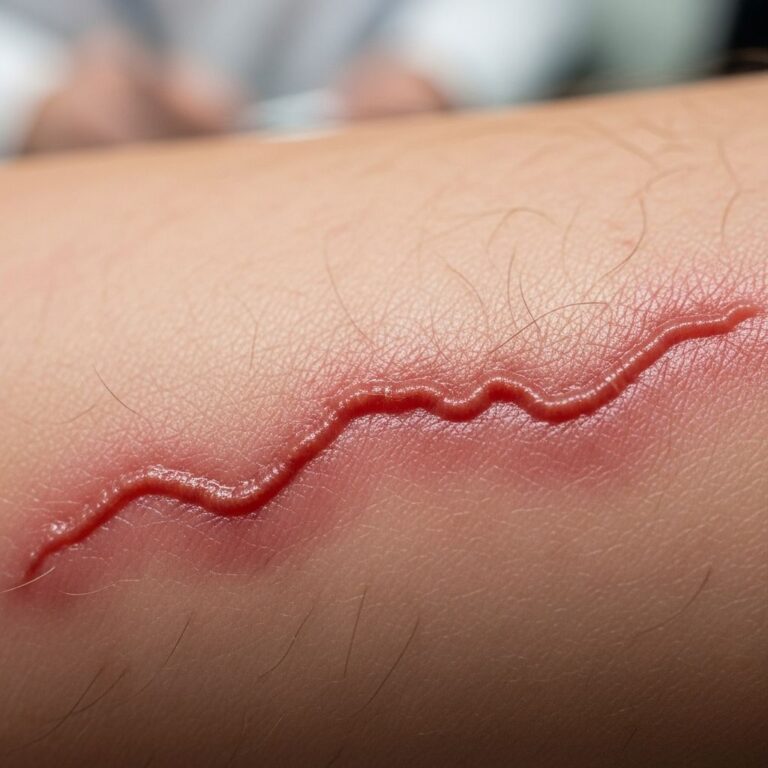
Right after getting a tattoo, the broken skin is vulnerable to several acute issues. Common immediate reactions include localized irritation, redness, swelling, and pain, which typically subside within days but signal the need for proper care.
- Skin Infections: Poor sterilization of equipment or contaminated ink can introduce bacteria like Staphylococcus aureus, leading to cellulitis or abscesses. Symptoms include pus, fever, and spreading redness.
- Bloodborne Pathogens: Unsterile needles risk transmitting hepatitis B (HBV), hepatitis C (HCV), or HIV. Vaccination against HBV is recommended beforehand.
- Allergic Reactions: Some experience hives or rashes from ink ingredients, particularly red pigments containing mercury sulfide.
Table 1 outlines key immediate risks:
| Risk Type | Symptoms | Prevention |
|---|---|---|
| Infection | Fever, pus, swelling | Sterile equipment, licensed studio |
| Allergy | Itchy rash, hives | Patch test inks |
| Irritation | Redness, pain | Follow aftercare |
Delayed and Chronic Skin Reactions
Weeks to years post-tattoo, delayed hypersensitivity can emerge, often triggered by sun exposure or ink degradation. Photoallergic reactions cause hive-like eruptions, especially with yellow (cadmium sulfide) or red inks.
- Granulomas: Nodular inflammatory masses form around ink particles as the body treats them as foreign bodies. These itchy, persistent bumps may require steroids.
- Keloids and Scarring: Excessive collagen leads to raised scars, more common in prone individuals.
- Pseudolymphoma: Benign lymphocyte proliferation mimics lymphoma but rarely turns malignant.
Chronic issues like fibrosis create thickened, nodular tissue, while pigment-specific reactions affect black, blue, or green inks with cobalt or copper.
Long-Term Complications and Emerging Concerns
Over decades, tattoos may contribute to systemic inflammation or rare malignancies. Ink nanoparticles travel to lymph nodes, potentially disrupting immune function.
A Danish twin cohort study found tattooed individuals had a 21% higher lymphoma risk and increased skin cancer incidence, possibly due to chronic immune stimulation from metals and PAHs. Other long-term effects include arthritis, uveitis, and vasculitis.
- MRI Complications: Ferromagnetic inks cause burns or distortions during scans.
- Cancer Links: Basal cell carcinoma, melanoma, and squamous cell carcinoma reported in tattoos, though causality is unproven. Tattoos can mask or mimic skin cancers.
Table 2 summarizes onset-based complications:
Related Stories



| Onset | Complications | Associated Causes |
|---|---|---|
| Immediate | Infection, irritation, MRI burn | Hygiene failure, metal particles |
| Delayed | Photoallergy, granuloma, psoriasis flare | UV exposure, ink allergens |
| Long-term | Fibrosis, lymphoma, carcinoma | Chronic inflammation, toxins |
Ink Ingredients: Hidden Toxins in Body Art
Tattoo inks lack uniform global regulation, containing unregulated contaminants. Azo dyes break down into carcinogens; black inks harbor PAHs like benzopyrene, linked to cell damage. Heavy metals pose risks: cadmium to kidneys, cobalt to cancer.
Regulatory efforts, like Germany’s 2010 ink bans on certain substances, highlight ongoing issues. Consumers should seek studios using REACH-compliant inks from the EU.
Safety Measures for Minimizing Tattoo Risks
To reduce dangers, prioritize studio selection and preparation:
- Verify artist licensing, autoclave sterilization, and single-use needles.
- Choose reputable inks; inquire about ingredients.
- Get HBV vaccine; disclose allergies.
- Avoid tattoos if immunocompromised or on blood thinners.
Essential Aftercare Practices
Proper healing prevents 90% of complications. Initial 2-4 weeks:
- Wash gently with fragrance-free soap; pat dry.
- Apply thin antibiotic ointment layer.
- Cover loosely; avoid pools, sun, tight clothes.
- Monitor for infection signs; seek medical help if needed.
Long-term: Use high-SPF sunscreen on tattoos to prevent fading and reactions.
Tattoo Removal: Options and Challenges
Regret affects 20-30% of tattooed people. Laser removal (Q-switched) breaks ink via photothermal shock but risks scarring, hypopigmentation, and ink darkening (e.g., green to black).
- Pros: Effective for most colors; non-invasive.
- Cons: Multiple sessions (5-15), costly ($200-500/session), incomplete for fleshtones.
Surgical excision suits small tattoos; chemical peels are less common due to risks.
Special Considerations for At-Risk Groups
Pregnant individuals should delay due to infection and anesthetic risks. Those with psoriasis, eczema, or diabetes face higher complication rates. Athletes note ink fading from friction.
FAQs
Are tattoos safe?
No procedure is risk-free; infections occur in 2-5% of cases, allergies in 1-2%, but risks drop with hygiene.
Can tattoos cause cancer?
Links to lymphoma and skin cancers exist in studies, but no definitive causation; monitor changes.
How to spot infection?
Excessive swelling, pus, fever, or streaks—see a doctor promptly.
Do tattoos affect MRI?
Rarely; inform technicians of tattoos.
Is tattoo ink regulated?
Varies by country; FDA oversees as cosmetics but doesn’t pre-approve.
Psychosocial Aspects of Tattooing
Beyond physical risks, tattoos influence mental health. Regret leads to depression or stigma in professional settings. Satisfaction rates are high (78%) initially but drop over time.
Cultural shifts normalize tattoos, yet industries like modeling or military may discriminate. Counseling pre-tattoo helps impulsive decisions.
Future Directions in Tattoo Safety
Research advances biodegradable inks and stricter regulations. Nanoparticles tracking and ink toxicology studies promise safer formulations. Public awareness campaigns emphasize informed consent.
References
- Tattooing: immediate and long-term adverse reactions and complications — PMC/NCBI. 2023. https://pmc.ncbi.nlm.nih.gov/articles/PMC11739707/
- Tattoos and Lymphoma: Should You Be Worried About a Link to Ink? — CU Anschutz News. 2024-10-10. https://news.cuanschutz.edu/department-of-medicine/bair-lymphoma-tattoos-hematology
- Tattoos: Understand risks and precautions — Mayo Clinic. 2023-11-15. https://www.mayoclinic.org/healthy-lifestyle/adult-health/in-depth/tattoos-and-piercings/art-20045067
- Tattoos: What Do People Really Know About the Medical Risks — Journal of Clinical and Aesthetic Dermatology. 2022. https://jcadonline.com/tattoos-medical-risks-body-ink/
- Think Before You Ink: Tattoo Safety — FDA. 2024-05-20. https://www.fda.gov/consumers/consumer-updates/think-you-ink-tattoo-safety
Similar Articles








Read full bio of medha deb