TCA CROSS: Comprehensive Guide To Treating Atrophic Acne Scars
Targeted chemical reconstruction for atrophic acne scars using high-concentration TCA.
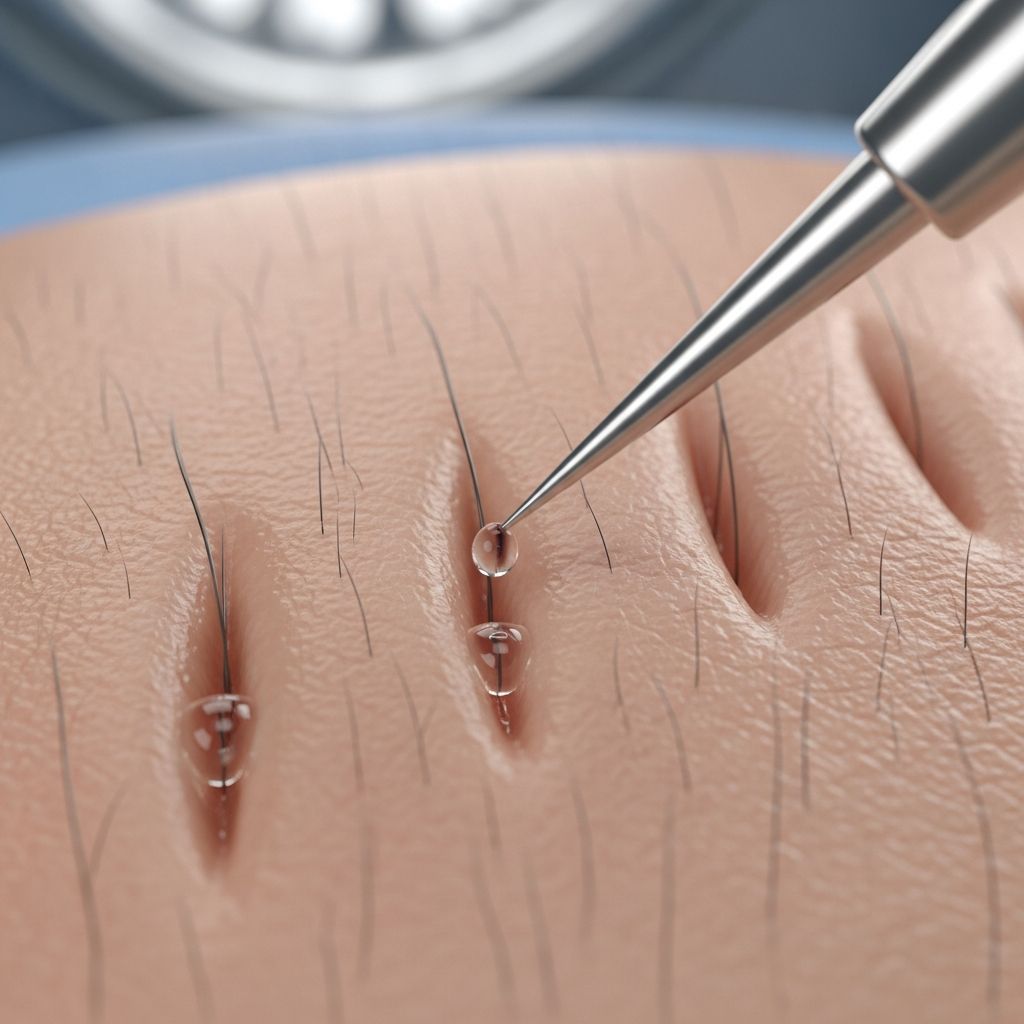
TCA CROSS (chemical reconstruction of skin scars) is a skin peeling agent used for acne scarring in which pockets of high concentration trichloroacetic acid (TCA) are applied with a specific fine-tipped instrument directly into atrophic scars (depressed scars).
What is TCA CROSS?
TCA CROSS is a specialized dermatological procedure designed to treat atrophic acne scars, particularly ice pick and boxcar scars. It involves the focal application of high-concentration trichloroacetic acid (TCA), typically ranging from 65% to 100%, directly into the base of depressed scars. This technique, known as Chemical Reconstruction of Skin Scars (CROSS), triggers a controlled chemical injury that denatures abnormal collagen in the scar tissue while stimulating new collagen production and dermal remodeling.
Unlike full-face chemical peels, TCA CROSS is highly targeted, minimizing damage to surrounding healthy skin. The acid is applied using fine-tipped applicators like toothpicks or sharpened wooden sticks, pressed firmly into the scar for precise delivery. This method was first described for treating acne scars in patients with darker skin types (Fitzpatrick IV-V), demonstrating safety and efficacy even in those prone to hyperpigmentation.
Who gets TCA CROSS?
TCA CROSS is ideal for individuals with atrophic acne scars, which affect up to 80-90% of people who have experienced moderate to severe acne. These scars are depressions in the skin caused by collagen destruction during inflammatory acne episodes. Candidates typically have:
- Ice pick scars: Deep, narrow, pinpoint depressions (1-2 mm wide, extending into the dermis).
- Boxcar scars: Wider, rectangular depressions with sharp edges (1.5-4.0 mm wide, shallow to medium depth).
- Rolling scars (in some cases): Broad depressions with sloping edges, though less responsive.
It is suitable for all skin types, including darker complexions (Fitzpatrick IV-VI), as the localized application reduces risks of post-inflammatory hyperpigmentation compared to broader resurfacing methods. Patients should have inactive acne, as active lesions increase infection risk. Consultation with a dermatologist is essential to assess scar type, skin type, and treatment expectations.
What are the clinical features of atrophic acne scars?
Atrophic scars result from insufficient collagen production during healing after severe acne. They appear as depressions due to loss of dermal substance. Key types include:
- Ice pick scars: Small, deep pits resembling puncture wounds from an ice pick. Most challenging to treat and primary target for TCA CROSS.
- Boxcar scars: Broad, box-like depressions with defined vertical edges. TCA CROSS elevates the base effectively.
- Rolling scars: Wavy, undulating depressions tethered by fibrous bands beneath the skin.
These scars create shadows and texture irregularities, impacting self-esteem. TCA CROSS addresses them by promoting collagen infill, reducing depth by 50-100% after multiple sessions.
How does TCA CROSS work?
The mechanism involves focal TCA application causing immediate protein coagulation (frosting) in the scar base. This controlled necrosis denatures fibrotic collagen, followed by inflammation that stimulates fibroblasts to produce new type I collagen and elastin. Over 4-6 weeks, the scar elevates as remodeling occurs, with peak collagen synthesis up to 4 months post-treatment.
High TCA concentrations (70-100%) penetrate deeply without systemic absorption, ensuring safety. The localized reaction confines healing to the scar, preserving adjacent epidermis.
Related Stories



What is the procedure for TCA CROSS?
TCA CROSS is an in-office procedure lasting 15-30 minutes, performed without anesthesia as discomfort is brief.
- Preparation: Skin cleansed with alcohol or antiseptic; oils removed. Test spot may be done for darker skin tones.
- Application: Dermatologist dips fine applicator (toothpick, needle) in TCA (65-100%) and presses firmly into scar base for 1-5 seconds per site until frosting appears (white precipitate).
- Neutralization: Not routinely needed; frosting self-limits depth. Sodium bicarbonate may be used if over-application occurs.
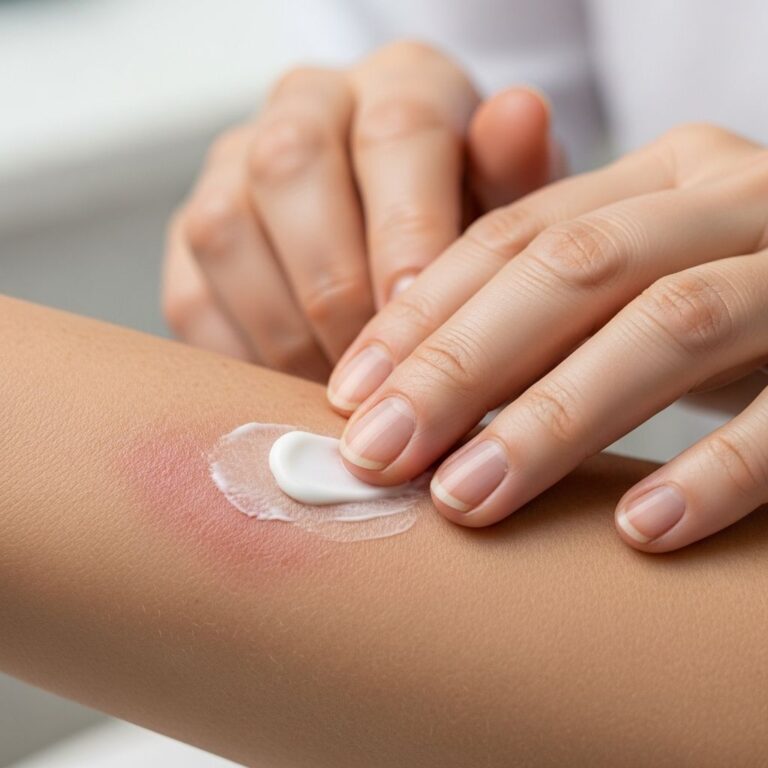
- Post-care: Petrolatum ointment applied; sun avoidance advised.
Sessions are spaced 4-6 weeks apart, typically 3-6 needed for optimal results.
How effective is TCA CROSS?
Clinical studies show high efficacy: 82% good response with 65% TCA and 94% with 100% TCA after multiple sessions. Excellent results (>75% improvement) in 100% of patients receiving 5-6 treatments. Satisfaction rates exceed 80%. Scars improve by 1-2 grades on validated scales, with ice pick scars filling 70-100%.
| TCA Concentration | Response Rate | Sessions for Excellent Results |
|---|---|---|
| 65% | 82% | 4-6 |
| 100% | 94% | 5-6 |
Improvements continue for months due to ongoing collagen remodeling.
Complications and risks of TCA CROSS
TCA CROSS is safe with transient side effects:
- Common: Redness, swelling, pinpoint scabs (shed in 3-7 days), mild stinging.
- Rare: Hyperpigmentation (5-10% in dark skin, resolves with topicals), infection, prolonged erythema.
- No significant scarring reported in studies.
Risks minimized by experienced providers and proper aftercare.
At-home care following TCA CROSS
Post-treatment care ensures optimal healing:
- Apply petroleum jelly or antibiotic ointment twice daily until scabs fall off (avoid picking).
- Gentle cleansing with lukewarm water; no harsh products.
- Strict sun protection (SPF 50+ broad-spectrum) for 4 weeks.
- Avoid makeup, exercise, saunas for 5-7 days.
- For pigmentation: Use hydroquinone 4% if prescribed.
Skin re-epithelializes in 7-10 days; full remodeling in months.
Alternative treatments for TCA CROSS
For mixed scars:
- Subcision: Breaks fibrous bands in rolling scars.
- Microneedling/PRP: Enhances collagen superficially.
- Laser resurfacing (CO2/Erbium): Broad resurfacing.
- Fillers: Temporary volume for deeper scars.
- Punch excision: Surgical removal of ice picks.
Combinations yield superior results for severe scarring.
Frequently asked questions
Is TCA CROSS painful?
A brief stinging sensation occurs during application, lasting seconds. No anesthesia needed.
How many sessions of TCA CROSS are needed?
3-6 sessions, 4-6 weeks apart, for 70-100% improvement.
Can TCA CROSS be used on all skin types?
Yes, safe for Fitzpatrick I-VI with test spots for darker tones.
What scars does TCA CROSS treat best?
Ice pick and boxcar scars respond best; rolling scars less so.
How long is downtime after TCA CROSS?
3-7 days of redness/scabbing; makeup possible after 5 days.
Can TCA CROSS be combined with other treatments?
Yes, with microneedling, lasers, subcision for comprehensive results.
References
- Focal treatment of acne scars with trichloroacetic acid: chemical reconstruction of skin scars (CROSS) — PubMed/Lee JB et al. 2002-11-01. https://pubmed.ncbi.nlm.nih.gov/12460296/
- TCA Cross — Sherber and Rad Dermatology. 2023-01-01. https://www.sherberandrad.com/dermatology/scar-treatments/tca-cross/
- TCA CROSS Beverly Hills & Los Angeles — Hazany Dermatology. 2024-01-01. https://www.hazanyderm.com/tca-cross-los-angeles
- TCA Cross | Acne Scar Treatment — Golden State Dermatology. 2023-01-01. https://www.goldenstatedermatology.com/acne-scar-treatment/
- Scar Treatment (TCA Cross) — Metropolis Dermatology. 2024-01-01. https://metropolisdermatology.com/costa-mesa-location/scar-treatmenttca-cross/
Similar Articles








Read full bio of Sneha Tete