TCM Approaches to Managing Eczema Symptoms
Explore Traditional Chinese Medicine methods for addressing eczema through herbal remedies, acupuncture, and lifestyle adjustments.
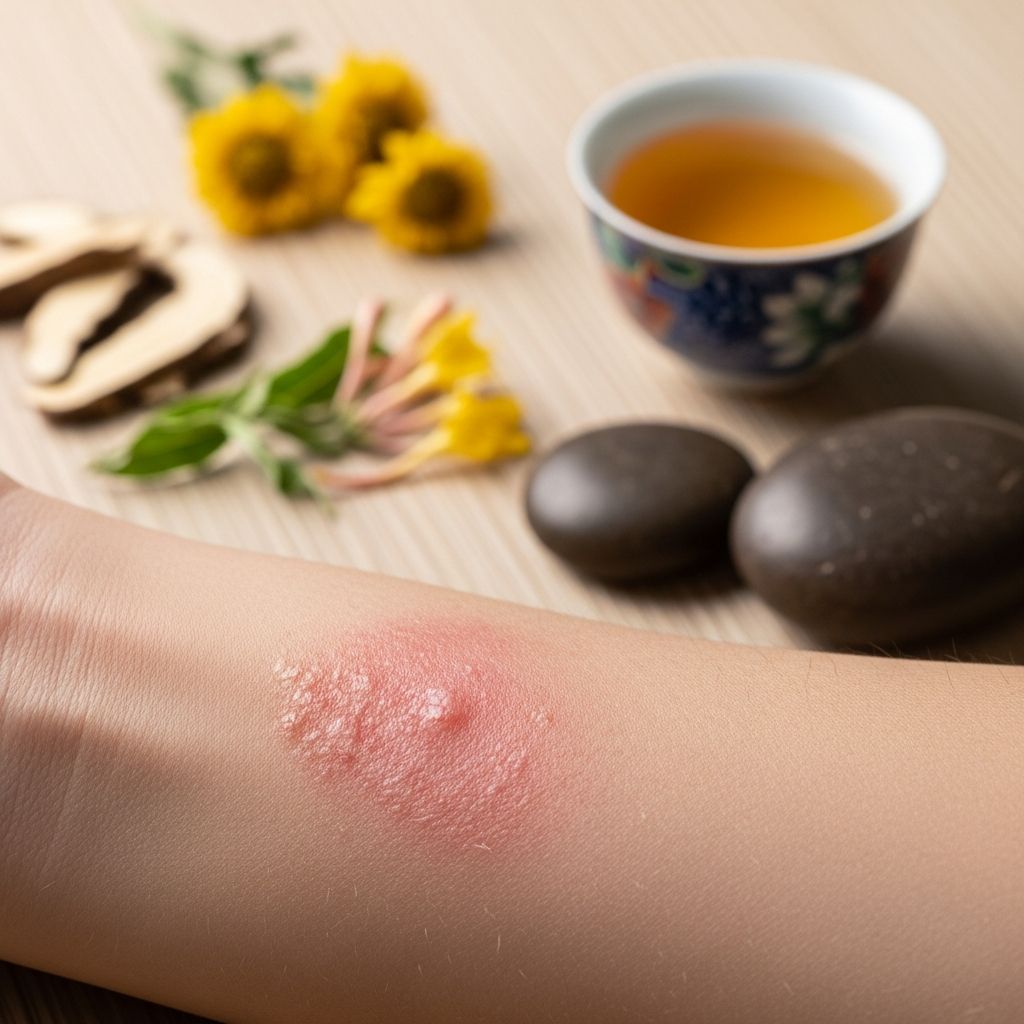
Eczema, medically recognized as atopic dermatitis, affects millions of individuals worldwide and manifests through dry, inflamed skin accompanied by persistent itching and visible rashes. While conventional dermatology offers various treatment options, many patients seek alternative approaches to complement or reduce reliance on pharmaceutical interventions. Traditional Chinese Medicine (TCM) presents a comprehensive framework for addressing eczema by targeting the root causes of the condition rather than merely suppressing its visible symptoms.
The fundamental philosophy underlying TCM’s approach to skin conditions differs significantly from Western medical perspectives. Rather than viewing eczema as a localized skin disorder, TCM practitioners understand it as a manifestation of internal imbalances within the body’s interconnected systems. This holistic perspective informs every aspect of treatment, from herbal formula selection to lifestyle recommendations.
The Foundational Philosophy of TCM in Skin Health
Traditional Chinese Medicine conceptualizes health through the lens of balance and harmony among various bodily systems and elemental forces. When these systems become disrupted, conditions such as eczema emerge as outward signs of internal dysfunction. The TCM framework identifies several patterns that can contribute to eczema development, including the accumulation of dampness, the presence of internal heat, deficiencies in blood nourishment, and the invasion of pathogenic wind factors.
This diagnostic approach allows practitioners to customize treatment plans according to each individual’s specific presentation. Two patients experiencing similar eczema symptoms may receive entirely different herbal formulations based on their unique constitutional patterns and triggering factors. This personalization represents a key distinction between TCM and standardized pharmaceutical approaches.
Multi-Modal Treatment Strategies in TCM Practice
Comprehensive TCM management of eczema typically incorporates four primary therapeutic modalities working synergistically to restore balance and alleviate symptoms.
- Herbal Medicine: Custom-formulated combinations of plant-based substances designed to address specific imbalance patterns
- Acupuncture and Acupressure: Stimulation of specific points on the body to regulate energy flow and reduce inflammation
- Moxibustion: Application of gentle heat using dried mugwort to enhance immune function and relieve inflammatory responses
- Lifestyle and Dietary Modification: Tailored recommendations regarding food choices, daily routines, and environmental management
The integration of these modalities creates a treatment ecosystem that addresses eczema from multiple angles simultaneously, potentially enhancing overall therapeutic efficacy.
Herbal Formulations: The Core of TCM Eczema Management
Chinese herbal medicine forms the cornerstone of most TCM eczema treatments. These formulations combine multiple plant substances in carefully balanced proportions, with each herb contributing specific therapeutic properties that work together to address the underlying patterns contributing to eczema symptoms.
Classical Herbal Formulas for Acute Presentations
When eczema presents in its acute phase with intense inflammation, redness, and heat symptoms, TCM practitioners frequently select formulas designed to rapidly clear heat and eliminate accumulated dampness. One widely recognized formula for acute presentations involves modifications of preparations traditionally used to drain damp-heat and leach out excess moisture from the skin and deeper tissues.
Related Stories



These acute-phase formulas typically emphasize cooling herbs that reduce inflammatory responses and drying substances that address the dampness component. The combination produces a formula that not only provides symptomatic relief through reduced itching and inflammation but also targets the pathogenic processes driving the acute flare-up.
Classical Formulas for Chronic Manifestations
Chronic eczema requires a different therapeutic approach than acute presentations. Long-standing skin conditions often involve blood deficiency and dryness that demand nourishing and moisturizing strategies rather than aggressive heat-clearing. TCM practitioners may recommend modifications of classical formulations designed to nourish blood, dispel wind, and arrest itching while simultaneously strengthening the body’s capacity to maintain healthy skin integrity over time.
These chronic-phase treatments typically include herbs renowned for their blood-nourishing and yin-moistening properties, substances that support the body’s natural healing capacity without creating additional heat or imbalance.
Individual Herbs with Demonstrated Therapeutic Properties
Within herbal formulations, specific plants play crucial roles in addressing eczema symptoms. Several herbs have gained particular recognition for their effectiveness:
- Sophora Root (Ku Shen): This herb demonstrates anti-inflammatory activity and specifically reduces itching while inhibiting the growth of bacterial organisms commonly involved in infected eczematous lesions.
- Phellodendron Bark (Huang Bai): Part of a traditional combination known as the three yellows for its distinctive color, this substance possesses antibiotic and anti-inflammatory properties.
- Dittany Root (Bai Xian Pi): Traditionally employed to reduce the frequency and intensity of eczema recurrences through its cooling and detoxifying actions
- Arnebia (Zi Cao): Another substance frequently incorporated into formulas for its capacity to cool the blood and reduce inflammatory skin presentations
Acupuncture and Acupressure: Regulating Immune Responses
Beyond herbal interventions, acupuncture occupies a significant position within TCM’s comprehensive approach to eczema management. This ancient technique involves stimulating specific anatomical points on the body, either through needle insertion or finger pressure, to influence the flow of vital energy and regulate physiological responses.
Research suggests that acupuncture may benefit eczema sufferers through multiple mechanisms. The treatment can reduce the perception of itching, diminish inflammatory responses, modulate overactive immune system reactions, and activate the body’s relaxation response—a particularly important benefit given the well-established connection between psychological stress and eczema flare-ups.
The effectiveness of acupuncture in eczema management appears to derive from its capacity to influence both local skin physiology and systemic immune regulation, making it a valuable complement to herbal treatment strategies.
Moxibustion: Therapeutic Heat Application
Moxibustion represents another therapeutic tool within the TCM armamentarium for eczema management. This technique involves the application of gentle heat, typically derived from burning dried mugwort (Ai Ye), directed toward specific acupuncture points or affected skin areas.
The therapeutic mechanism of moxibustion appears to involve stimulation of these points to promote healing, reduce inflammatory responses, and enhance immune function. For certain types of eczema presentations, particularly those characterized by deficiency patterns and coldness, moxibustion may offer advantages over other modalities by providing warmth while simultaneously stimulating beneficial physiological responses.
Dietary and Lifestyle Guidance in TCM Eczema Care
Traditional Chinese Medicine recognizes that dietary habits and daily practices significantly influence the development and progression of eczema. Practitioners typically provide individualized recommendations addressing food choices, meal timing, emotional management, and environmental exposures based on each person’s unique constitutional factors and current condition patterns.
These lifestyle modifications work synergistically with herbal and acupuncture treatments to support the body’s capacity for self-healing. By identifying foods and habits that exacerbate eczema symptoms for a particular individual and recommending beneficial alternatives, TCM practitioners create a comprehensive treatment environment extending far beyond the clinic.
Mechanisms of Action: How TCM Herbs Influence Eczema
Scientific investigation into TCM herbal preparations has begun to elucidate the biochemical mechanisms through which these substances produce therapeutic effects on eczematous conditions. Research indicates that Chinese herbal medicines work through multiple pathways, including the suppression of pro-inflammatory signaling molecules and the modulation of chemokine release—substances that recruit inflammatory cells to affected tissues.
Studies examining moderate to severe atopic dermatitis treated with TCM preparations have demonstrated measurable improvements in inflammatory intensity, itching frequency and intensity, skin moisture preservation, and inflammatory markers measured through standardized dermatology assessment scales. These objective measures provide scientific validation for treatment approaches rooted in centuries of clinical observation.
Integration with Conventional Treatment Approaches
Growing evidence suggests that TCM treatments need not function as replacements for conventional dermatological care but rather can complement pharmaceutical interventions. Research from Taiwan examining children who received Chinese herbal medicine demonstrated an overall reduction in steroid medication requirements, suggesting that herbal treatment may reduce dependence on topical or systemic steroids while maintaining symptom control.
This potential for reducing pharmaceutical burden while maintaining clinical improvement represents a significant advantage for patients concerned about long-term steroid effects or seeking to minimize medication exposure.
Individualization: The Key to Effective TCM Treatment
Perhaps the most distinctive feature of TCM’s approach to eczema involves the fundamental principle of individualization. Rather than applying a single formula to all patients with similar symptoms, TCM practitioners conduct detailed diagnostic assessments to identify each person’s unique pattern of imbalance.
This customization extends to herbal formulations, which practitioners modify based on changing presentations throughout the treatment course. As certain aspects of the patient’s condition improve, the formula may shift emphasis to address remaining imbalances or prevent recurrence of problematic patterns.
Expected Treatment Timelines and Realistic Outcomes
Patients considering TCM for eczema management should understand that treatment typically requires sustained engagement over weeks to months rather than expecting rapid symptom resolution. While some symptomatic improvement, particularly in itching, may occur relatively quickly, deeper healing of chronic skin conditions usually develops gradually as internal imbalances are progressively corrected.
The timeline for treatment success depends on multiple factors including the duration and severity of eczema, the patient’s age and overall health, adherence to dietary recommendations, and the specific pattern of imbalance identified in the diagnostic process. Younger patients with recent-onset eczema often experience faster recovery, while long-standing severe cases may require extended treatment periods.
Frequently Asked Questions About TCM for Eczema
Can TCM completely cure eczema?
Traditional Chinese Medicine aims to address the underlying imbalances contributing to eczema rather than providing permanent cure. Many patients experience significant symptom reduction or even complete resolution of active eczema through sustained TCM treatment, though some individuals experience occasional recurrence if triggering factors reappear or treatment is discontinued.
How long does TCM treatment typically require?
Treatment duration varies considerably based on individual factors. Acute presentations may show improvement within weeks, while chronic conditions often require 2-3 months or longer of consistent treatment to demonstrate substantial benefit. Maintenance treatment may be recommended to prevent recurrence.
Are TCM herbs safe for children with eczema?
Many TCM herbal formulations have been safely used for children, and research including pediatric populations has demonstrated efficacy and safety profiles. However, formulations must be age-appropriate and adjusted for pediatric dosing, making professional TCM guidance essential.
Can TCM be combined with conventional eczema treatments?
Yes, TCM treatments can complement conventional dermatological care. Many patients use TCM alongside prescribed medications or topical treatments. Professional coordination between TCM practitioners and conventional dermatologists can optimize overall care.
Selecting a Qualified TCM Practitioner
For individuals interested in pursuing TCM treatment for eczema, selecting a qualified, licensed practitioner represents a crucial decision. Practitioners should hold appropriate credentials, maintain current licensing in their jurisdiction, and possess specific experience treating dermatological conditions. Initial consultations should involve thorough questioning about health history, lifestyle factors, and detailed examination of the eczematous presentation.
Conclusion
Traditional Chinese Medicine offers a sophisticated, individualized approach to eczema management grounded in centuries of clinical experience and increasingly supported by modern scientific investigation. Through carefully selected herbal formulations, acupuncture and acupressure, moxibustion, and lifestyle modifications, TCM practitioners work to address the underlying imbalances contributing to eczema rather than merely suppressing symptoms. For patients seeking alternatives to or complements for conventional dermatological treatments, TCM represents a legitimate therapeutic option with demonstrated effectiveness and growing scientific validation.
References
- Traditional Chinese Medicine Approach to Eczema — LearnSkin. 2024. https://www.learnskin.com/articles/traditional-chinese-medicine-approach-to-eczema/
- Four Traditional Chinese Medicine Therapies for Eczema — Treasure of the East. 2024. https://treasureoftheeast.com/blogs/resources-education/chinese-medicine-for-eczema
- Chinese Herbs for Eczema: Approach and Effectiveness — Healthline. 2024. https://www.healthline.com/health/chinese-herbs-for-eczema
- Chinese herbal medicine research in eczema treatment — NIH National Center for Biotechnology Information. 2011. https://pmc.ncbi.nlm.nih.gov/articles/PMC3110124/
Similar Articles








Read full bio of medha deb