Tea Tree Oil for Acne and Athlete’s Foot Treatment
Natural remedy with antimicrobial properties to treat acne and fungal infections safely.
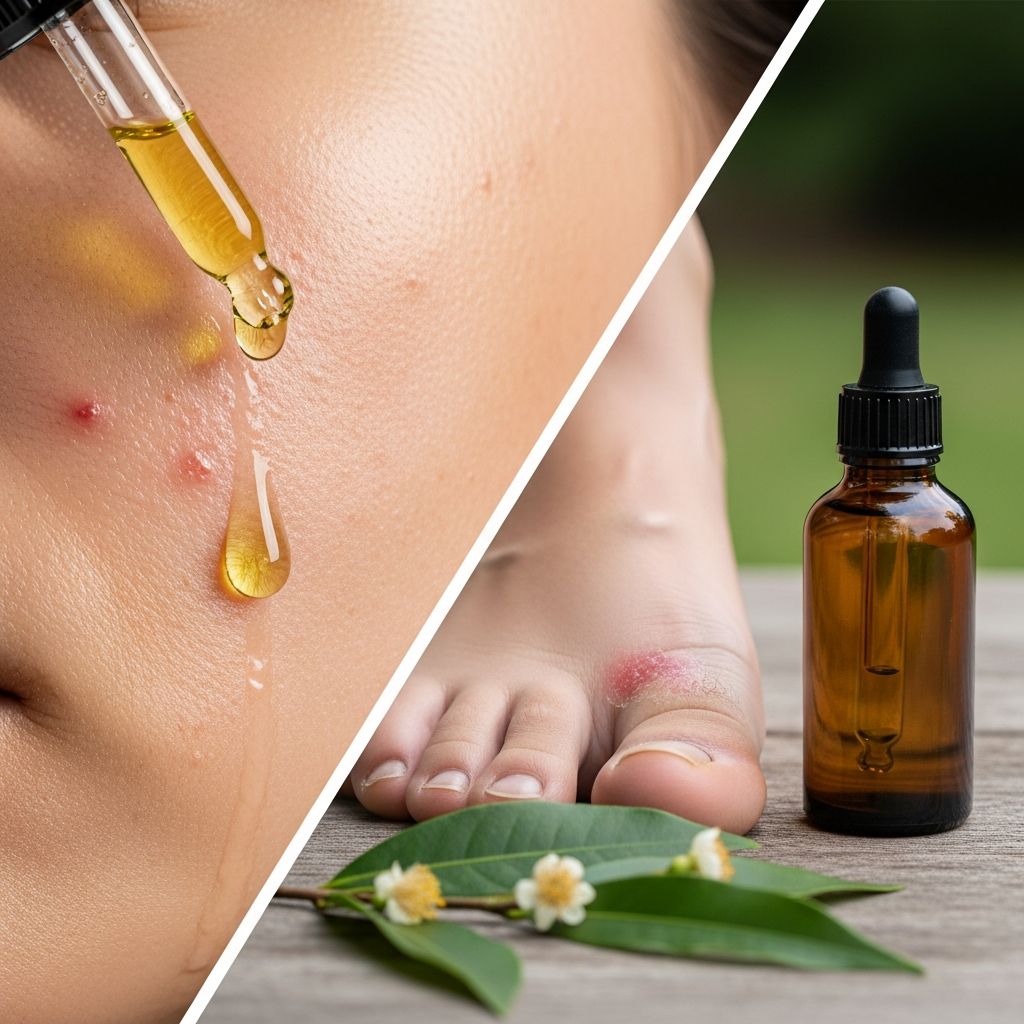
Could Tea Tree Oil Help Treat Acne or Athlete’s Foot?
Tea tree oil has emerged as a popular natural remedy for various skin conditions, particularly acne and athlete’s foot. Derived from the Australian native tree Melaleuca alternifolia, this essential oil has been used for centuries in traditional medicine and continues to gain recognition in modern dermatology. With its potent antimicrobial and anti-inflammatory properties, tea tree oil offers a compelling alternative for those seeking natural solutions to common skin problems. However, understanding its effectiveness, proper application, and potential risks is essential before incorporating it into your skincare routine.
Understanding Tea Tree Oil’s Properties
Tea tree oil possesses multiple beneficial properties that make it effective for treating skin conditions. The oil contains powerful compounds with antibacterial, anti-inflammatory, and antioxidant characteristics. These properties work synergistically to combat the bacteria responsible for acne while simultaneously reducing inflammation and irritation associated with various skin issues.
The antimicrobial components of tea tree oil make it particularly effective against Cutibacterium acnes (formerly known as Propionibacterium acnes), the bacterium primarily responsible for acne development. Additionally, its anti-inflammatory properties help reduce the redness, swelling, and discomfort associated with acne breakouts and other inflammatory skin conditions.
Tea Tree Oil and Acne Treatment
How It Works Against Acne
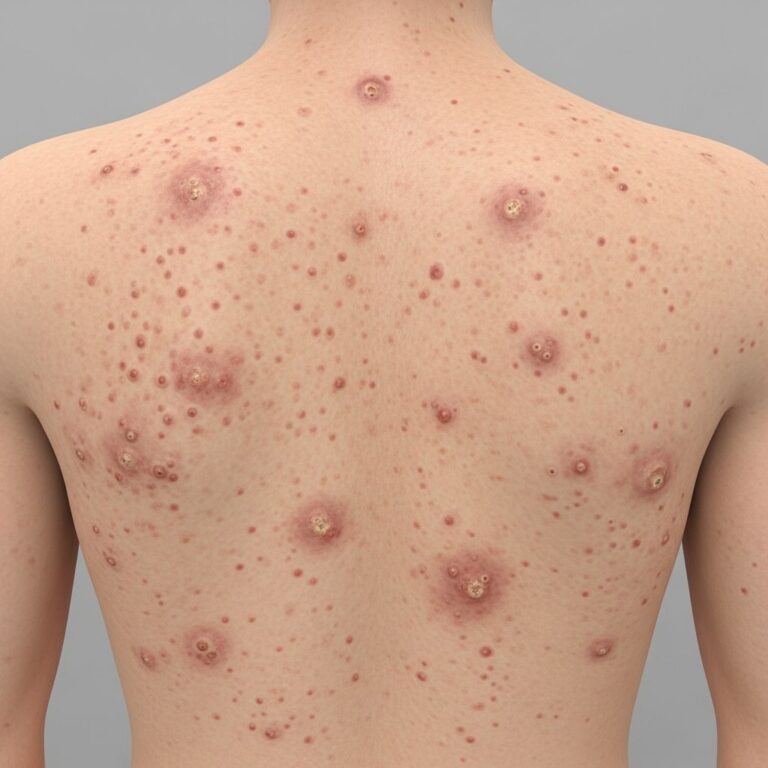
Tea tree oil combats acne through multiple mechanisms. The oil’s antimicrobial properties actively inhibit bacterial growth on the skin, while its anti-inflammatory effects reduce the body’s inflammatory response to acne-causing bacteria. Research indicates that tea tree oil can help reduce both inflammatory lesions, such as papules and pustules, as well as non-inflammatory lesions like comedones.
A landmark 1990 clinical trial compared 5% tea tree oil gel to 5% benzoyl peroxide lotion in 124 patients with mild to moderate acne. The results demonstrated that both treatments significantly reduced acne lesions, though benzoyl peroxide worked faster initially. Importantly, tea tree oil caused fewer side effects, making it an attractive option for those with sensitive skin or adverse reactions to conventional acne treatments.
More recent studies have reinforced these findings. A 2006 review published in Clinical Microbiology Reviews found that tea tree oil’s anti-inflammatory properties might help with various types of acne, including cystic acne characterized by bumps, inflammation, and hyperpigmentation. A 2017 study involving participants who applied tea tree oil twice daily for 12 weeks concluded that the oil could “significantly improve” mild to moderate acne with no serious side effects.
Effectiveness Compared to Other Treatments
While tea tree oil shows promise, it’s important to understand how it compares to conventional acne treatments. Tea tree oil may not work as quickly as benzoyl peroxide or salicylic acid, but it offers advantages for individuals with sensitive skin or those who experience irritation from stronger treatments. The oil represents a viable over-the-counter option for managing mild to moderate acne without the harsh side effects associated with more potent medications.
For those seeking combination therapy, research suggests that pairing tea tree oil with other natural ingredients can enhance results. A 2018 study found that combining aloe vera, propolis, and tea tree oil improved acne outcomes. Similarly, applying tea tree oil alongside aloe vera as an overnight mask can provide additional cleansing and soothing benefits.
Related Stories



Tea Tree Oil for Athlete’s Foot
Antifungal Properties
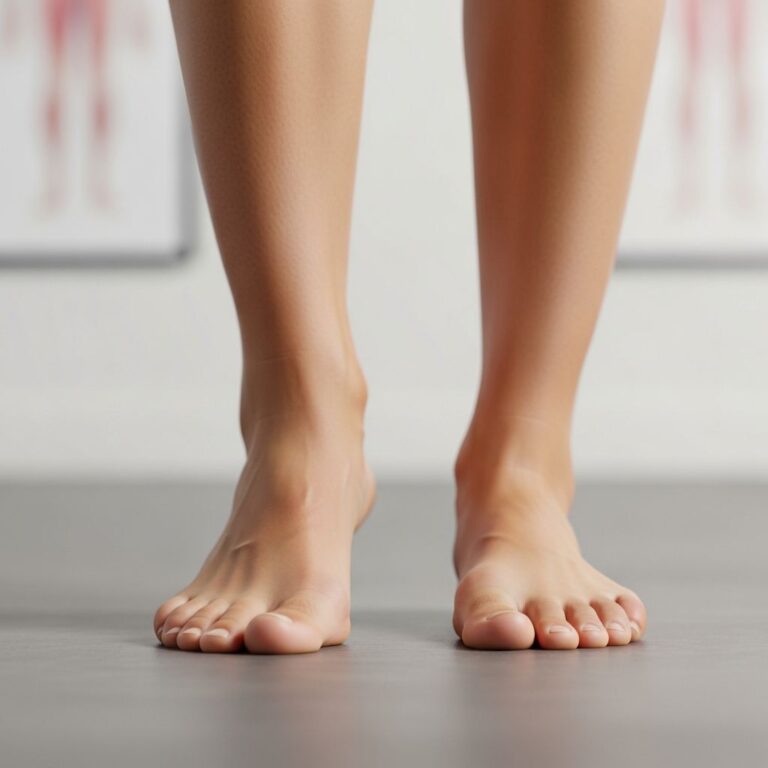
Beyond acne treatment, tea tree oil demonstrates significant antifungal properties making it useful for treating athlete’s foot, a common fungal infection affecting the feet and toenails. The oil’s antimicrobial compounds actively inhibit the growth of various fungal species responsible for this persistent condition. For individuals seeking natural alternatives to pharmaceutical antifungal creams, tea tree oil presents a compelling option with fewer systemic side effects.
Application for Fungal Infections
When using tea tree oil for athlete’s foot, proper dilution and application are crucial for effectiveness and safety. The oil should always be diluted with a carrier oil or incorporated into a product specifically formulated for fungal infections. Direct application of undiluted tea tree oil can cause skin irritation and potentially exacerbate the condition.
How to Use Tea Tree Oil Safely
Step-by-Step Application Guide
Proper application technique ensures both safety and efficacy when using tea tree oil. Follow these essential steps:
Step 1: Patch Test Before using tea tree oil on larger areas, perform a patch test on the inside of your elbow or behind your ear. Apply a small amount of diluted oil and wait 24 to 48 hours to check for allergic reactions or excessive irritation. If redness, itching, or burning occurs, discontinue use immediately.
Step 2: Cleanse Your Skin Wash the affected area with a gentle facial cleanser and pat dry completely. Excess moisture can interfere with the oil’s penetration and effectiveness.
Step 3: Dilute Properly Never apply undiluted tea tree oil directly to your skin. Mix the oil with a carrier oil such as coconut oil, jojoba oil, or a lightweight moisturizer. A typical dilution is 5% tea tree oil, which has proven effective in clinical studies.
Step 4: Apply to Affected Areas Using a cotton pad or cotton swab, gently dab the diluted oil onto acne blemishes or affected areas. Apply only to problem spots rather than the entire face to minimize irritation risk.
Step 5: Allow Drying Let the oil dry completely before applying other products. Since tea tree oil can be drying, follow up with a light, non-comedogenic moisturizer to maintain skin hydration.
Frequency and Duration
For optimal results, use diluted tea tree oil twice daily—once in the morning and once in the evening—as part of your regular skincare routine. Consistency is key; improvements typically take time to become visible. Most people should expect to wait up to 12 weeks before seeing significant improvement in their acne. This timeline aligns with most topical acne treatments, requiring patience as the skin undergoes its natural renewal cycle.
Precautions and Contraindications
While tea tree oil is generally safe for most people, certain precautions should be observed. Some individuals may experience allergic reactions or heightened skin sensitivity. Symptoms of sensitivity include redness, itching, burning, or rash. Discontinue use immediately if these symptoms occur.
Pregnant women, nursing mothers, and individuals with sensitive skin should consult healthcare providers before using tea tree oil. Additionally, tea tree oil should never be ingested, as it can be toxic if swallowed. Keep the oil away from children and pets.
Avoid combining tea tree oil with other oil-based products, such as lemon oil or rosehip oil, as this can intensify acne symptoms rather than improve them. Additionally, sun sensitivity may occur in some individuals, so apply sunscreen if using tea tree oil during daytime hours.
Choosing Quality Tea Tree Oil Products
The quality and concentration of tea tree oil products varies significantly. When selecting a product, ensure it comes from a trusted manufacturer with transparent labeling of tea tree oil concentration. Clinical evidence supports 5% tea tree oil concentration as effective for acne treatment.
Look for products that are specifically formulated for facial use rather than industrial-grade tea tree oil. Pre-made skincare products containing tea tree oil may offer better safety profiles and proven effectiveness compared to using pure essential oil. If purchasing pure tea tree oil, ensure it includes clear dilution instructions and comes in dark glass bottles to preserve potency.
Combining Tea Tree Oil with Other Treatments
Tea tree oil can complement other skincare approaches. For enhanced acne treatment, consider pairing it with:
– Aloe vera for additional anti-inflammatory and soothing benefits
– Gentle facial cleansers that don’t strip the skin
– Non-comedogenic moisturizers to prevent dryness
– Black charcoal masks for removing blackheads while leveraging tea tree oil’s anti-inflammatory properties
For overnight treatment, many people find success applying tea tree oil mixed with aloe vera and coconut oil as a mask before sleeping. This allows the oil to work on cleansing the skin during sleep while providing extended contact time with affected areas.
What the Research Shows
Scientific evidence supporting tea tree oil’s efficacy comes from multiple clinical studies. A comprehensive 2015 review examining 35 studies on complementary treatments for acne found some evidence supporting tea tree oil use, though researchers noted this evidence could be stronger. The heterogeneity of study designs and sample sizes has limited the ability to draw definitive conclusions about universal efficacy and safety.
Despite limitations in existing research, consistent findings across multiple studies demonstrate that tea tree oil can reduce inflammatory acne lesions. The oil has also shown promise in reducing skin oiliness and bacterial counts while improving pore appearance, according to a 2016 study involving tea tree oil combined with resveratrol.
Limitations and Considerations
While tea tree oil offers benefits, it’s important to recognize its limitations. The oil is not a cure-all for severe acne or stubborn fungal infections. For moderate to severe acne or persistent athlete’s foot, professional dermatological consultation is recommended. Some individuals may find that tea tree oil alone insufficient for their needs and may require additional treatments or prescription medications.
The existing research on tea tree oil, while generally positive, often includes small sample sizes and varying methodologies, which can limit the strength of conclusions. As Dr. Simon Hodes notes, “the trial data is patchy with low numbers of patients. There’s no financial incentive for large-scale research.” This underscores the need for larger, more rigorous clinical trials to definitively establish tea tree oil’s role in dermatological treatment.
When to Seek Professional Help
If your acne or athlete’s foot does not improve after 12 weeks of consistent tea tree oil use, or if symptoms worsen, consult a dermatologist. Severe acne, cystic acne, or persistent fungal infections may require prescription treatments. Additionally, if you experience signs of allergic reaction or severe skin irritation, seek medical attention promptly.
Frequently Asked Questions
Can tea tree oil cure acne completely?
Tea tree oil can help manage and reduce acne symptoms, particularly for mild to moderate cases, but it is not considered a cure for acne. Consistent use may significantly improve symptoms, but individual results vary. For severe acne, professional dermatological treatment may be necessary.
How long does it take for tea tree oil to work?
Most people should expect visible improvements within 6 to 12 weeks of consistent, twice-daily application. Tea tree oil works more slowly than some conventional treatments like benzoyl peroxide, but with fewer side effects.
Is tea tree oil safe for all skin types?
While generally safe, tea tree oil can cause irritation or allergic reactions in sensitive individuals. Always perform a patch test before wider application. Those with very sensitive skin or known allergies to plants in the Myrtaceae family should exercise caution.
Can I use undiluted tea tree oil on my skin?
No. Undiluted tea tree oil is too strong and can cause significant skin irritation, burns, or allergic reactions. Always dilute with a carrier oil or use products formulated with appropriate concentrations (typically 5% for acne).
Is tea tree oil effective for all types of acne?
Tea tree oil is most effective for mild to moderate inflammatory acne. Its benefits for cystic acne and severe cases are less established. Severe acne typically requires professional dermatological treatment.
Can pregnant women use tea tree oil?
Pregnant and nursing women should consult their healthcare provider before using tea tree oil, as safety during pregnancy has not been fully established.
The Bottom Line
Tea tree oil represents a promising natural option for managing mild to moderate acne and fungal infections like athlete’s foot. Its antimicrobial and anti-inflammatory properties offer therapeutic benefits with fewer side effects compared to conventional treatments like benzoyl peroxide. However, it works more slowly and may not be suitable for everyone or every condition.
For best results, purchase quality products from trusted manufacturers, always dilute appropriately, perform patch tests, and maintain consistent twice-daily application for at least 12 weeks. Combine tea tree oil with proper skincare habits and consider consulting a dermatologist if symptoms persist or worsen. Tea tree oil works best as part of a comprehensive skincare approach rather than as a standalone solution.
References
- Could Tea Tree Oil Be the Acne-Fighting Ingredient of Your Dreams? — Cleveland Clinic. 2024. https://health.clevelandclinic.org/tea-tree-oil-for-acne
- A comparative study of tea-tree oil versus benzoylperoxide in the treatment of acne — Bassett et al., PubMed. 1990. https://pubmed.ncbi.nlm.nih.gov/2145499/
- A guide to tea tree oil and using it for acne spots — Stratum Clinics. 2024. https://www.stratumclinics.com/a-guide-to-tea-tree-oil-and-using-it-for-acne-spots/
- Can Tea Tree Oil Help Get Rid of Acne? — Healthline. 2024. https://www.healthline.com/health/skin/tea-tree-oil-for-acne
- Tea Tree Oil: Properties and the Therapeutic Approach to Acne—A Systematic Review — NIH National Center for Biotechnology Information. 2023. https://pmc.ncbi.nlm.nih.gov/articles/PMC10295805/
- Tea tree oil — Mayo Clinic. 2024. https://www.mayoclinic.org/drugs-supplements-tea-tree-oil/art-20364246
Similar Articles








Read full bio of medha deb