Teeth Cleaning: 6 Key Steps To Expect For A Brighter Smile
Discover what happens during a professional teeth cleaning, how often you need one, and tips for maintaining optimal oral health at home.
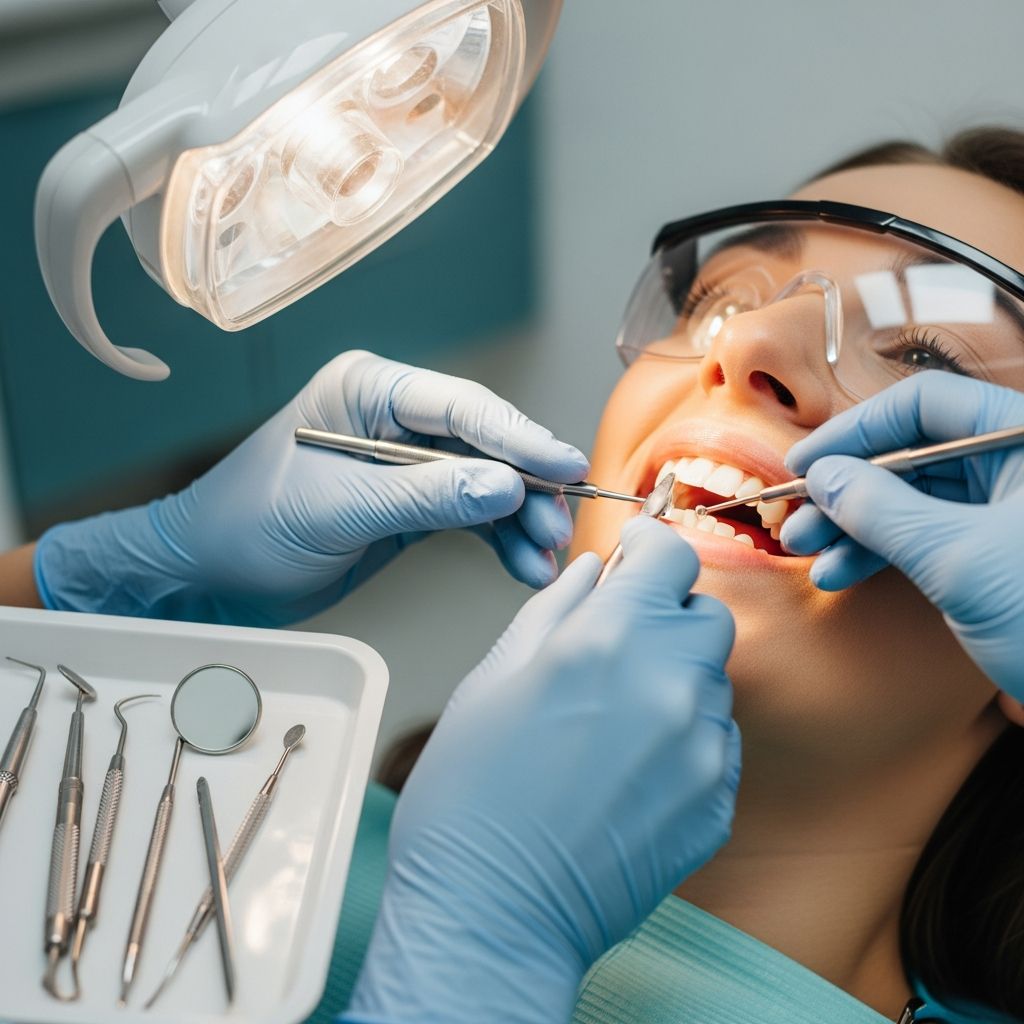
Professional teeth cleaning, also known as dental prophylaxis or scaling, is a routine procedure performed by dental hygienists to remove plaque and tartar buildup from teeth and gums. This preventive care is essential for maintaining oral health and preventing issues like cavities, gum disease, and even links to systemic conditions such as diabetes and heart disease. Unlike daily brushing, which handles surface cleaning, professional cleanings reach areas that home care cannot, ensuring long-term dental wellness.
What Is Teeth Cleaning?
Teeth cleaning involves the mechanical removal of plaque—a sticky bacterial film—and tartar (hardened plaque) from the tooth surfaces, below the gumline, and between teeth. According to the Mayo Clinic, poor oral hygiene allows germs to proliferate, leading to infections like tooth decay and periodontitis, a severe gum disease linked to inflammation that may contribute to broader health problems. The American Dental Association (ADA) emphasizes that home oral care supports but does not replace professional intervention, as hygienists use specialized tools for thorough cleaning.
This procedure typically occurs during biannual dental checkups but may be more frequent for those at higher risk. It promotes not just cosmetic benefits like whiter teeth but also functional health by reducing risks of periodontal disease, which studies associate with increased mortality in the elderly.
How Often Should You Get Your Teeth Cleaned?
Most adults should schedule professional teeth cleanings every six months, though frequency varies based on individual risk factors. The ADA recommends personalized plans, considering factors like age, diet, smoking, and existing conditions. High-risk individuals—such as smokers, diabetics, or those with gum disease—may need cleanings every three to four months.
Research from a long-term study on elderly cohorts found that visiting a dentist at least twice a year reduced mortality risk by 30-50% compared to less frequent visits, independent of other lifestyle factors. Diabetics, for instance, face heightened gum disease risks due to impaired infection-fighting abilities, making regular cleanings crucial for blood sugar control. Children and pregnant individuals may follow similar schedules, adjusted for their needs.
- Every 6 months: Standard for low-risk adults with good home care.
- Every 3-4 months: For those with gum disease, dry mouth, or tobacco use.
- Annually: Rare, only if extremely low risk and approved by dentist.
What Happens During a Teeth Cleaning?
A standard teeth cleaning appointment lasts 30-60 minutes and follows a structured process. Patients often start with a review of medical history and symptoms. Here’s a step-by-step breakdown:
- Examination: The hygienist checks for cavities, cracks, or gum issues using mirrors and probes.
- Scaling: Ultrasonic scalers and hand instruments remove tartar above and below the gumline. This may cause mild sensitivity.
- Root Planing: For deeper cleanings, rough root surfaces are smoothed to deter plaque reattachment.
- Polishing: A gritty paste in a rotating brush removes stains and smooths enamel.
- Fluoride Treatment: A gel or varnish strengthens enamel against decay.
- Flossing and Advice: Thorough flossing demonstrates proper technique, followed by oral hygiene tips.
Related Stories



Modern tools like ultrasonic devices make the process efficient and comfortable, often with water spray to minimize discomfort. Patients with heavy buildup may require multiple visits.
Does Teeth Cleaning Hurt?
Teeth cleaning is generally painless for most, though sensations vary. Scaling can feel ticklish or cause gum sensitivity, especially if inflammation exists. The Mayo Clinic notes that conditions like diabetes exacerbate gum risks, potentially increasing discomfort.
To ease unease:
- Request numbing gel for sensitive areas.
- Opt for polished ultrasonic tools over manual scalers.
- Practice deep breathing; inform the hygienist of anxiety.
Post-cleaning soreness is common but fades in 24-48 hours. Severe pain signals untreated issues—contact your dentist immediately.
Benefits of Professional Teeth Cleaning
Beyond aesthetics, regular cleanings yield profound health advantages. They prevent plaque from hardening into tartar, which harbors bacteria leading to gingivitis and periodontitis. A NIH study linked nightly brushing and daily flossing—complemented by professional care—to 20-35% lower mortality risk in seniors, highlighting oral hygiene’s role in longevity.
| Benefit | Description |
|---|---|
| Cavity Prevention | Removes plaque that erodes enamel, reducing decay risk. |
| Gum Health | Eliminates bacteria causing inflammation and disease. |
| Fresh Breath | Clears odor-causing debris. |
| Whiter Teeth | Polishing erases surface stains from coffee, wine, etc. |
| Systemic Health | Lowers risks for heart disease, diabetes complications. |
Cleanings also enable early detection of issues like oral cancer, ensuring timely intervention.
Risks and Side Effects of Teeth Cleaning
While safe, minor side effects include temporary sensitivity, gum soreness, or slight bleeding. Rare risks involve infection or enamel damage from aggressive scaling. The ADA stresses using qualified professionals to minimize complications. Those with thin enamel or recent restorations should discuss precautions.
Home Care Tips Between Professional Cleanings
Effective home care bridges visits, as per ADA guidelines. Mayo Clinic advises brushing twice daily for two minutes with soft-bristled, fluoride toothpaste, plus daily interdental cleaning.
- Brushing: Angle 45 degrees to gums; cover all surfaces, including tongue.
- Flossing: Once daily to remove interdental plaque—studies show it cuts mortality risk by 30%.
- Mouthwash: Antimicrobial rinses as adjunct, not replacement.
- Diet: Limit sugars; eat crunchy fruits/veggies for natural cleaning.
- Tools: Electric brushes outperform manual; replace every 3 months.
Nightly brushing before bed is particularly vital, independently predicting longevity.
Who Should Avoid Teeth Cleaning?
Most can safely undergo cleanings, but consult a dentist if you have active infections, recent heart surgery, or bleeding disorders. Pregnant individuals should proceed in the second trimester. Those with pacemakers need antibiotic pre-medication in rare cases.
Cost of Teeth Cleaning
Costs range from $75-$200 without insurance, often covered partially or fully under dental plans. Frequency affects annual expenses—preventive care saves on future treatments.
Frequently Asked Questions (FAQs)
Is teeth cleaning the same as deep cleaning?
No. Routine cleaning is preventive; deep cleaning (scaling/root planing) treats gum disease, often in multiple sessions.
Can I eat right after a cleaning?
Avoid hot, cold, or sticky foods for a few hours if fluoride is applied; otherwise, eat normally.
How long does a cleaning take?
30-60 minutes typically, longer for extensive buildup.
Does insurance cover teeth cleanings?
Yes, usually twice yearly as preventive care; check your plan.
Why do my teeth feel sensitive after cleaning?
Gums adjust post-tartar removal; use sensitivity toothpaste—it resolves quickly.
Related Topics
- Oral health links to diabetes and heart disease.
- Longevity benefits of flossing and dental visits.
- ADA home care personalization.
References
- Oral health: A window to your overall health — Mayo Clinic Staff. 2023-10-15. https://www.mayoclinic.org/healthy-lifestyle/adult-health/in-depth/dental/art-20047475
- Dental Health Behaviors, Dentition, and Mortality in the Elderly — NIH/PMC. 2011-06-12. https://pmc.ncbi.nlm.nih.gov/articles/PMC3124861/
- Home Oral Care — American Dental Association. 2024-01-01. https://www.ada.org/resources/ada-library/oral-health-topics/home-care
Similar Articles








Read full bio of Sneha Tete