Teeth Sensitivity: Causes, Symptoms & Treatment
Understanding tooth sensitivity: causes, management strategies, and effective treatment options for relief.
Understanding Tooth Sensitivity
Tooth sensitivity, clinically known as dentinal hypersensitivity, is a common dental condition affecting millions of people worldwide. At least 40 million adults experience sensitive teeth in the United States, according to the Academy of General Dentistry. This condition manifests as sharp, sudden pain in the teeth when exposed to certain stimuli such as hot or cold foods and beverages, acidic substances, or even cold air. The pain is typically temporary but can significantly impact quality of life and eating habits.
When you experience tooth sensitivity, stimuli such as hot and cold reach a tooth’s exposed nerve endings, triggering discomfort or pain. Understanding the underlying causes of tooth sensitivity is essential for effective treatment and long-term management of this condition.
How Your Teeth Are Structured
To understand tooth sensitivity, it’s important to know the anatomy of your teeth. Each tooth consists of multiple layers that work together to protect the inner nerve structures.
Enamel is the hard, outer layer of your tooth that protects the underlying structures. Beneath the enamel lies dentin, a softer layer that contains microscopic tubules or channels leading directly to the tooth’s pulp. The pulp contains the nerve of the tooth.
At the root of the tooth, a substance called cementum covers the dentin surrounding the root, which is the pointy part of the tooth that extends into the jawbone. The gum also plays a crucial protective role by covering and protecting the root. When either the enamel or cementum becomes worn down or when the gum line recedes, the dentin becomes exposed, leading to tooth sensitivity.
Dentin contains thousands of microscopic tubules that allow heat, cold, or acidic substances to reach the nerves inside the tooth when the protective layers are compromised. Pain is the only type of response that the nerves inside teeth have, which is why exposed dentin causes discomfort.
Common Causes of Tooth Sensitivity
Several factors can contribute to the development of tooth sensitivity. Understanding these causes can help you prevent or manage the condition more effectively.
Aggressive Brushing and Hard-Bristled Toothbrushes
One of the most common causes of tooth sensitivity is brushing too hard or using a hard-bristled toothbrush. This overly aggressive approach can wear down enamel, causing dentin to become exposed, or encourage gum recession. Dentists recommend using a soft-bristled toothbrush and applying gentle pressure when brushing your teeth.
Gum Recession
Gum recession occurs when the gum line pulls away from the tooth, exposing the root surface. This often happens in people suffering from gum disease, including gingivitis. When gums recede, the protective cementum and underlying dentin become exposed to external stimuli, triggering sensitivity. Gum recession does not solely occur from brushing too hard; if you’re experiencing this issue, consult your dentist for proper diagnosis.
Cracked or Fractured Teeth
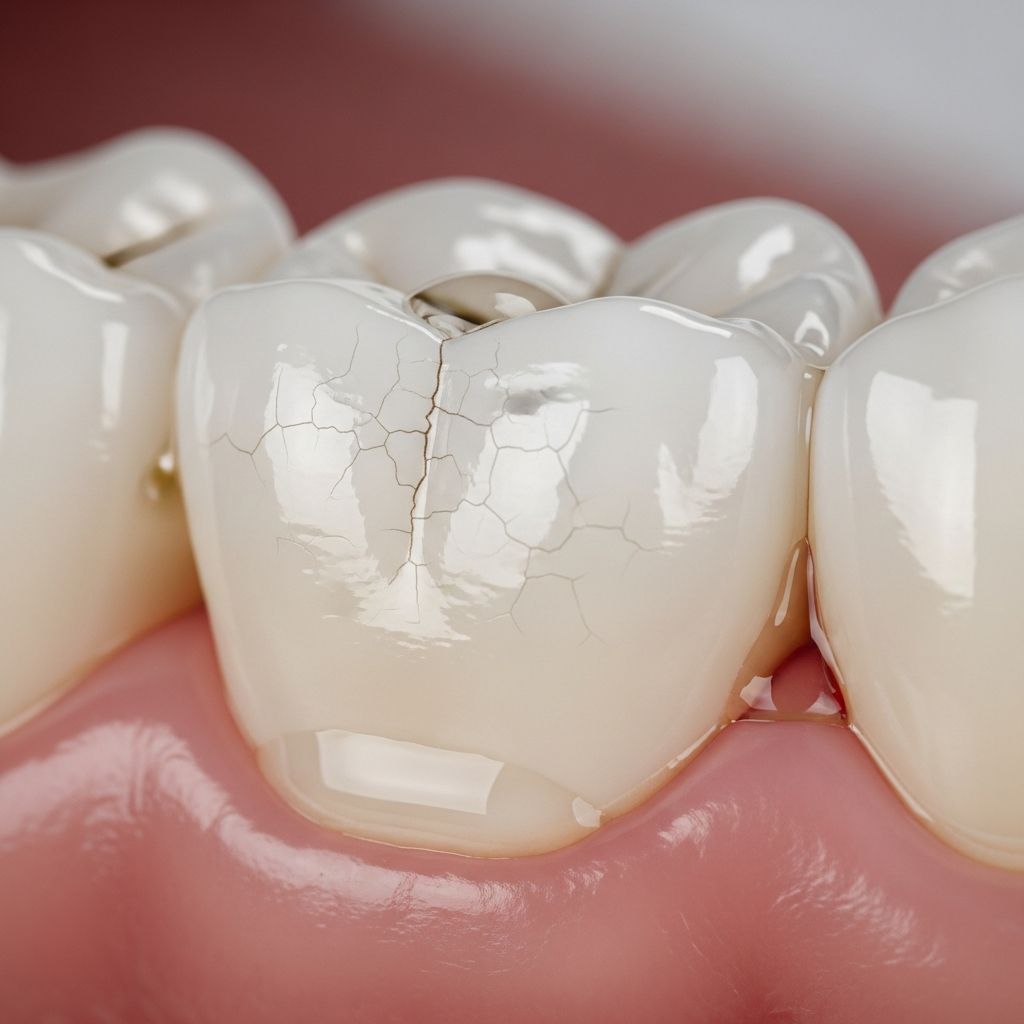
Cracks in teeth can become filled with bacteria from plaque and cause inflammation in the pulp of the tooth. In more severe cases, cracked teeth may lead to abscess and infection. Additionally, when a tooth cracks, the protective enamel layer becomes compromised, exposing the dentinal tubules underneath and making the tooth more sensitive to external stimuli such as heat, cold, or pressure.
Related Stories



Teeth Grinding and Clenching
Teeth grinding or clenching, a condition known as bruxism, can wear down enamel over time. This is particularly problematic when it occurs during sleep, as you may be unaware of the habit. The constant tooth-to-tooth contact causes attrition that gradually exposes the underlying dentin.
Plaque Buildup
Plaque accumulation on teeth can contribute to tooth sensitivity by promoting gum disease and enamel erosion. The acids produced by bacteria in plaque can break down tooth structure, leading to decay and increased sensitivity.
Acidic Diet
Frequent consumption of acidic foods and beverages can strip away tooth enamel through a process called erosion. Common culprits include coffee, sports drinks, wine, carbonated sodas, citrus fruits, and vinegar-based foods. Additionally, sugary treats encourage bacterial growth, and the acids produced by bacteria can further damage tooth structure.
Mouthwash Use
Long-term use of certain over-the-counter mouthwashes can contribute to tooth sensitivity because some contain acids. If dentin is already exposed, these acids can worsen existing tooth sensitivity and further damage the dentin layer. Neutral fluoride mouthwashes are a better option for individuals with sensitive teeth.
Teeth Whitening Treatments
Both professional and over-the-counter teeth-whitening treatments contain harsh chemicals such as hydrogen peroxide or carbamide peroxide that can cause tooth sensitivity. When peroxide penetrates the enamel, it can temporarily irritate the tooth and open dentinal tubules. Overuse of whiteners can also damage the enamel and gums.
Recent Dental Work
Some people may experience tooth sensitivity after having a cavity filled or other dental procedures such as tooth reshaping or crown placement. Fortunately, tooth sensitivity following a filling should improve on its own within a few weeks as the tooth adjusts.
Symptoms of Tooth Sensitivity
The primary symptom of tooth sensitivity is sharp, sudden pain in one or more teeth when exposed to triggering stimuli. This pain typically occurs in response to:
- Hot foods and beverages
- Cold foods and beverages
- Cold air
- Acidic foods and drinks
- Sweet foods
- Pressure or touch on the tooth
The discomfort is usually temporary and subsides once the stimulus is removed. However, if sensitivity persists or worsens, professional dental evaluation is necessary to rule out underlying dental problems such as cavities or cracked teeth.
At-Home Treatment Options
Several self-care strategies can help manage tooth sensitivity effectively.
Desensitizing Toothpaste
Desensitizing toothpaste is one of the most accessible at-home treatments for tooth sensitivity. These products contain special ingredients that block sensation from traveling to the nerve of the tooth. Multiple brands are available, and you may need to try different options to find the product that works best for you. Be sure to use fluoridated toothpaste specifically formulated for sensitive teeth rather than tartar-control toothpaste. For enhanced effectiveness, try spreading a thin layer of desensitizing toothpaste on the exposed tooth roots before bed.
Fluoride Mouthwash
Using fluoride mouthwash can help strengthen enamel and reduce sensitivity over time. Neutral fluoride mouthwashes are preferable to acidic varieties for individuals with exposed dentin.
Proper Oral Hygiene
Maintaining proper oral hygiene with a soft-bristled toothbrush and gentle brushing technique can prevent further enamel erosion and gum recession. Flossing daily helps remove plaque and prevent gum disease.
Dietary Modifications
Reducing consumption of acidic foods and beverages can slow enamel erosion. When consuming acidic drinks, use a straw to minimize contact with your teeth. Rinse your mouth with water after consuming acidic foods to neutralize acids and protect your enamel.
Mouth Guard for Bruxism
If you grind your teeth at night, ask your dentist about a custom mouth guard to prevent enamel wear and protect your teeth from damage.
Professional Dental Treatments
When at-home treatments fail to provide adequate relief, professional dental interventions may be necessary. Each dentist has preferred treatment options based on the underlying cause of sensitivity.
Fluoride Gel or Varnish Application
Dentists can apply professional-strength fluoride gel or varnish directly to sensitive tooth surfaces. These treatments strengthen enamel and reduce sensitivity more effectively than over-the-counter products. A 2011 clinical trial found that participants with tooth sensitivity who underwent topical applications of silver diamine fluoride (SDF) experienced significantly reduced levels of pain. SDF application results in a harder tooth surface, helping prevent further decay and protecting exposed dentin from painful stimuli by partially blocking dentinal tubules.
Dental Bonding
For teeth with exposed root surfaces, dental bonding involves applying a tooth-colored resin to cover the exposed dentin and protect it from triggering stimuli.
Gum Grafting
In cases of severe gum recession, surgical gum grafting may be recommended. This procedure involves taking gum tissue from another area of your mouth and attaching it to the affected area to cover exposed roots.
Root Canal Treatment
If tooth sensitivity is severe and persistent despite other treatments, your dentist may recommend root canal therapy to remove the nerve from the tooth and eliminate sensitivity permanently.
Prevention Strategies
Preventing tooth sensitivity is often easier than treating it. Consider these preventive measures:
- Use a soft-bristled toothbrush and apply gentle pressure when brushing
- Avoid acidic foods and beverages or use a straw when consuming them
- Limit teeth whitening procedures and take breaks between treatments
- Wear a mouth guard if you grind your teeth
- Maintain excellent oral hygiene with regular brushing and flossing
- Visit your dentist regularly for professional cleanings and check-ups
- Address gum disease promptly to prevent gum recession
When to See a Dentist
While many cases of tooth sensitivity can be managed with at-home treatments, certain situations warrant professional evaluation. Contact your dentist if you experience:
- Tooth sensitivity in only one tooth, which may indicate a cracked tooth or cavity
- Sensitivity that suddenly develops or worsens
- Sensitivity that doesn’t improve with desensitizing toothpaste
- Pain that interferes with your daily activities
- Signs of gum disease such as bleeding or swollen gums
Proper diagnosis of the reason for your sensitivity is essential in treating the condition effectively. If your dentist addresses the underlying cause rather than simply treating the symptom, the chosen treatment will be more successful in decreasing pain and preventing recurrence.
Frequently Asked Questions
Q: How long does tooth sensitivity typically last?
A: Tooth sensitivity can vary in duration. Sensitivity following a dental procedure typically improves within a few weeks. Sensitivity from other causes may persist indefinitely unless the underlying issue is addressed through treatment or lifestyle modifications.
Q: Can tooth sensitivity go away on its own?
A: In some cases, tooth sensitivity may improve if the triggering factors are eliminated. However, if the underlying cause such as enamel erosion or gum recession is not addressed, sensitivity will likely persist or worsen over time.
Q: Is tooth sensitivity a sign of a serious dental problem?
A: While tooth sensitivity can sometimes indicate underlying issues such as cavities, cracked teeth, or gum disease, it is often manageable with proper care. However, persistent or severe sensitivity warrants professional evaluation to rule out serious dental problems.
Q: Can I use whitening products if I have sensitive teeth?
A: If you have sensitive teeth, consult your dentist before using whitening products. Professional whitening treatments may be safer than over-the-counter products, and your dentist can recommend desensitizing treatments to use alongside whitening.
Q: Are there any natural remedies for tooth sensitivity?
A: While desensitizing toothpaste and fluoride treatments are most effective, some natural approaches include avoiding acidic foods, maintaining excellent oral hygiene, and using salt water rinses. However, these should complement rather than replace professional dental care.
References
- Tooth Sensitivity: Causes, Remedies & Treatment — Live Science. 2024. https://www.livescience.com/44377-sensitive-teeth.html
- Why Do My Teeth Hurt? Common Causes of Tooth Pain & Sensitivity — Listerine. 2024. https://www.listerine.com/tooth-sensitivity/tooth-pain-causes
- Academy of General Dentistry — Professional Dental Organization. 2024. https://www.agd.org
- Journal of Dental Research — Silver Diamine Fluoride Clinical Trial. 2011. https://pubmed.ncbi.nlm.nih.gov
- Caries Research — Fluoride Treatment Efficacy Review. 2015. https://www.karger.com/Journal/Home/223978
Similar Articles








Read full bio of medha deb