Teething: Symptoms, Timeline & Relief Strategies
Understanding baby teething: symptoms, timelines, and safe relief methods for parents.
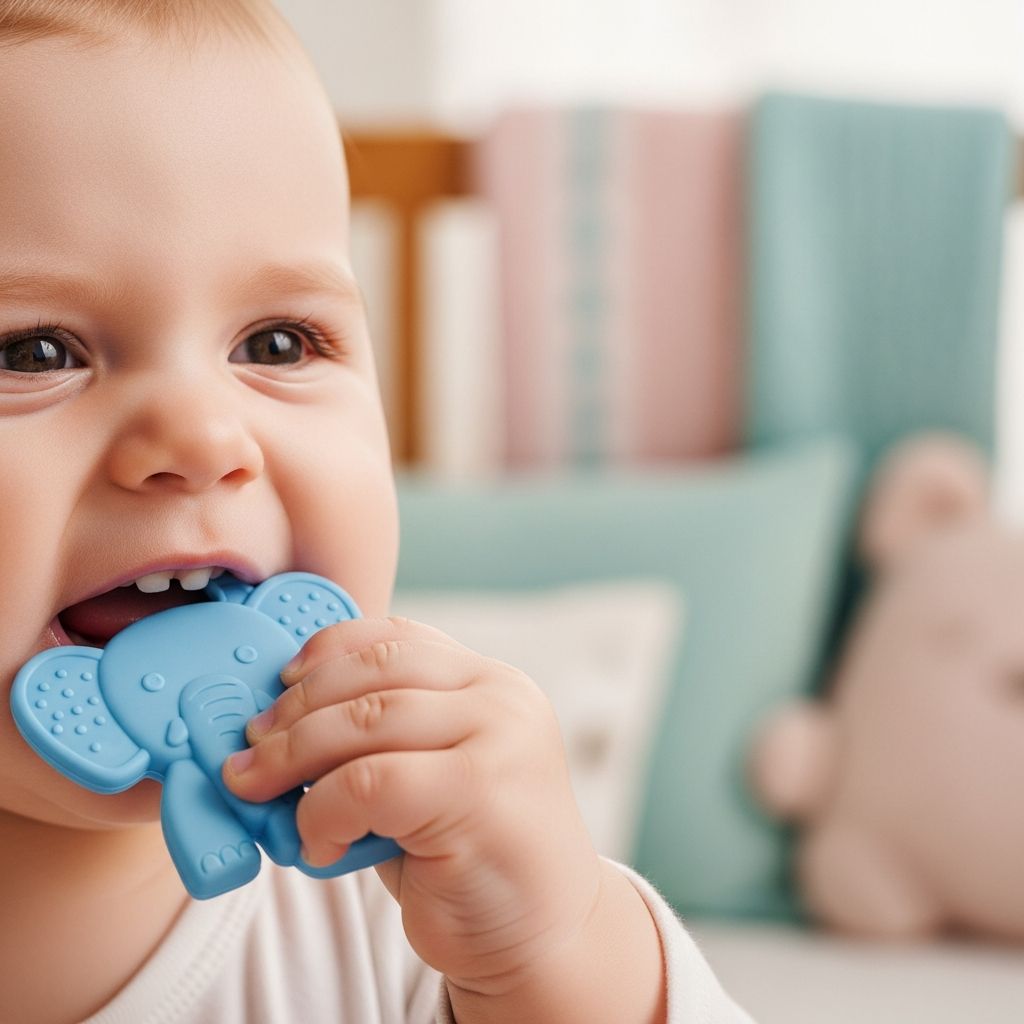
Understanding Teething: A Normal Part of Baby Development
Teething is a natural developmental milestone that marks the beginning of your baby’s primary teeth breaking through the gums. This process typically begins around 6 months of age, though it can start as early as 3 months or as late as 12 months. Teething syndrome refers to the collection of symptoms your baby may experience during this period. While teething is a normal part of growth, understanding what to expect can help parents distinguish between typical teething discomfort and signs of illness that require medical attention.
What Is Teething?
Teething is the physiological process during which a baby’s first set of teeth, known as primary or deciduous teeth, emerge through the gums. This developmental stage typically lasts until around age 3, when most children have their full set of 20 primary teeth. The eruption process begins with increased pressure and movement of teeth beneath the gum surface, which can cause localized discomfort and trigger various symptoms.
Common Teething Symptoms
While teething symptoms vary from baby to baby, research has identified several symptoms that are statistically associated with tooth emergence. Parents should be aware that not all babies experience the same symptoms, and some babies may have minimal signs of teething.
Symptoms Directly Associated with Teething:
- Increased drooling and saliva production
- Swollen, tender, and red gums
- Desire to chew on objects, fingers, or toys
- Mild irritability and fussiness
- Slight swelling around the area where the tooth is emerging
- Ear-rubbing or cheek-rubbing
- Mild facial rash from increased drooling
- Decreased appetite for solid foods
- Slight increase in temperature (but not a true fever)
These symptoms are most pronounced during an 8-day window: approximately 4 days before tooth emergence, the day the tooth breaks through, and 3 days after. Symptoms typically peak as the tooth approaches the gum surface and taper off once the tooth becomes visible, usually within 3 to 4 days of breakthrough.
Symptoms NOT Associated with Teething
One of the most important distinctions parents need to understand is that certain symptoms commonly attributed to teething are actually not related to the tooth eruption process. If your baby exhibits these symptoms, it’s important to investigate other possible causes rather than attributing them to teething:
- Fever above 100.4 degrees Fahrenheit (38 degrees Celsius)
- Severe congestion or excessive nasal drainage
- Significant sleep disturbance
- Diarrhea or loose stools
- Decreased appetite for liquids
- Persistent cough
- Rashes other than mild facial rash from drooling
- Diaper rash
- Vomiting
Research demonstrates that these symptoms occur at similar frequencies in both teething and non-teething infants, meaning they are not temporally associated with tooth emergence. If your baby experiences any of these symptoms, contact your pediatrician to rule out other conditions such as infections or illnesses.
Timeline of Tooth Eruption
Understanding when to expect teeth can help parents anticipate and prepare for teething. While individual variation is significant, there is a general pattern for tooth eruption:
| Age Range | Teeth Typically Erupting | Number of Teeth |
|---|---|---|
| 6-10 months | Lower central incisors | 2 teeth |
| 8-12 months | Upper central incisors | 2 teeth |
| 9-13 months | Upper lateral incisors | 2 teeth |
| 10-16 months | Lower lateral incisors | 2 teeth |
| 13-19 months | Upper first molars | 2 teeth |
| 14-18 months | Lower first molars | 2 teeth |
| 16-22 months | Upper canines | 2 teeth |
| 17-23 months | Lower canines | 2 teeth |
| 23-31 months | Upper second molars | 2 teeth |
| 25-33 months | Lower second molars | 2 teeth |
Related Stories



By age 3, most children have their complete set of 20 primary teeth. However, some children may experience earlier or later eruption, and this variation is typically normal. If you have concerns about your child’s tooth eruption timeline, consult with your pediatrician or pediatric dentist.
Important Distinction: Fever and Teething
One of the most dangerous misconceptions about teething is that it causes fever. This myth can lead parents to overlook serious illnesses. According to the American Academy of Pediatrics and supported by clinical research, teething does not cause fever. While babies may have a slight temperature elevation during teething, any fever of 100.4 degrees Fahrenheit (38 degrees Celsius) or higher indicates something other than teething and requires medical evaluation.
A high fever, especially one above 101 degrees Fahrenheit (38.3 degrees Celsius), should never be attributed to teething. If your baby has a fever, contact your healthcare provider promptly to determine the underlying cause. This is particularly important for babies younger than 3 months, who require immediate medical attention for any fever.
Safe and Effective Teething Relief Strategies
While teething discomfort is typically mild and should not severely disrupt your baby’s routine, several evidence-based strategies can provide relief:
Non-Medication Relief Methods:
- Gentle gum massage: Using a clean finger, gently massage your baby’s swollen gums in a circular motion for about 2 minutes. This can help reduce soreness and provide comfort.
- Cold (not frozen) teething rings: Refrigerated teething rings provide soothing relief when chilled. Avoid freezing teething rings, as they can become too hard and potentially damage gums. Place them in the refrigerator for 15-20 minutes before offering to your baby.
- Cool, damp washcloths: A clean, cool (not frozen) washcloth can be rubbed gently on the gums or offered for your baby to chew on safely.
- Age-appropriate teething toys: Soft teething toys designed for babies can provide a safe surface for chewing and may help relieve gum pressure.
Pain Relief Medication:
If non-medication strategies are insufficient, acetaminophen (Tylenol®) may be used for short-term relief in babies old enough for such medication. However, medication should only be used for a day or two without consulting your pediatrician. Always follow dosing instructions based on your baby’s age and weight, and never use medication as a substitute for addressing other potential health issues.
When to Contact Your Pediatrician
While most teething symptoms are mild and self-limited, certain signs warrant medical evaluation:
- Fever of 100.4 degrees Fahrenheit (38 degrees Celsius) or higher
- Symptoms lasting more than a few days after tooth eruption
- Severe pain that doesn’t respond to comfort measures
- Signs of infection around the erupting tooth
- Difficulty swallowing or breathing
- Persistent diarrhea or vomiting
- Rashes that don’t appear to be from drooling
- Any other concerning symptoms
Your pediatrician can help determine whether symptoms are related to teething or indicate another condition requiring treatment.
Managing Expectations During Teething
According to the American Academy of Pediatrics, children who are teething “are little different from kids who are not teething.” This means that while your baby may experience some mild discomfort, teething should not significantly disrupt their daily routine or sleep patterns. If your baby is experiencing severe symptoms, extensive sleep disruption, or signs of illness, investigate other possible causes rather than attributing everything to teething.
Understanding that teething is typically a minor developmental process rather than a major medical event can help reduce parental anxiety and allow for more appropriate problem-solving when symptoms arise.
Frequently Asked Questions About Teething
Q: At what age does teething typically begin?
A: While the average age for teething to begin is around 6 months, it’s normal for it to start anywhere between 3 and 12 months of age. Some babies may even be born with natal teeth, though this is rare.
Q: Can teething cause diarrhea?
A: No, research shows that diarrhea is not significantly associated with teething. If your baby has diarrhea, it indicates another cause such as a viral or bacterial infection and should be evaluated by a pediatrician.
Q: How long do teething symptoms last?
A: Teething symptoms typically last for 3 to 4 days around the time of tooth eruption. However, some babies may experience symptoms for longer periods, occasionally up to a few weeks. The entire teething process from first to last tooth can take up to 3 years.
Q: Is it safe to use frozen teething rings?
A: No, frozen teething rings should be avoided as they can become too hard and potentially damage your baby’s tender gums. Instead, refrigerate teething rings for 15-20 minutes to provide safe, soothing relief.
Q: Should I use pain medication for teething?
A: Pain medication like acetaminophen should only be used as a short-term measure (a day or two) if other comfort methods aren’t working and your baby is old enough for such medication. Always consult your pediatrician before using any medication, and never use it as a long-term solution.
Q: Can teething affect my baby’s sleep?
A: While teething discomfort is mild, it shouldn’t significantly affect sleep. If your baby is experiencing sleep disturbance, investigate other causes such as illness, environmental factors, or developmental changes unrelated to teething.
Q: Does every baby show teething symptoms?
A: No, some babies go through teething with minimal or no noticeable symptoms. Every baby is different, and the intensity and type of symptoms vary widely.
References
- Symptoms Associated With Infant Teething: A Prospective Study — Pediatrics Journal/National Center for Biotechnology Information. 2000. https://pubmed.ncbi.nlm.nih.gov/10742315/
- Can Teething Cause Fever? Teething Symptoms and Signs — Cleveland Clinic Health. 2024. https://health.clevelandclinic.org/teething-signs-and-symptoms
- Teething Remedies for Your Baby’s Aching Mouth — Cleveland Clinic Health. 2024. https://health.clevelandclinic.org/teething-remedies
- Teething (Teething Syndrome): Symptoms & Tooth Eruption Chart — Cleveland Clinic. 2024. https://my.clevelandclinic.org/health/articles/11179-teething-teething-syndrome
Similar Articles








Read full bio of Sneha Tete