Telehealth: 4 Essential Modalities And Benefits In 2025
Discover how telehealth is transforming healthcare access, cutting costs, and delivering quality care right to your device in the modern era.
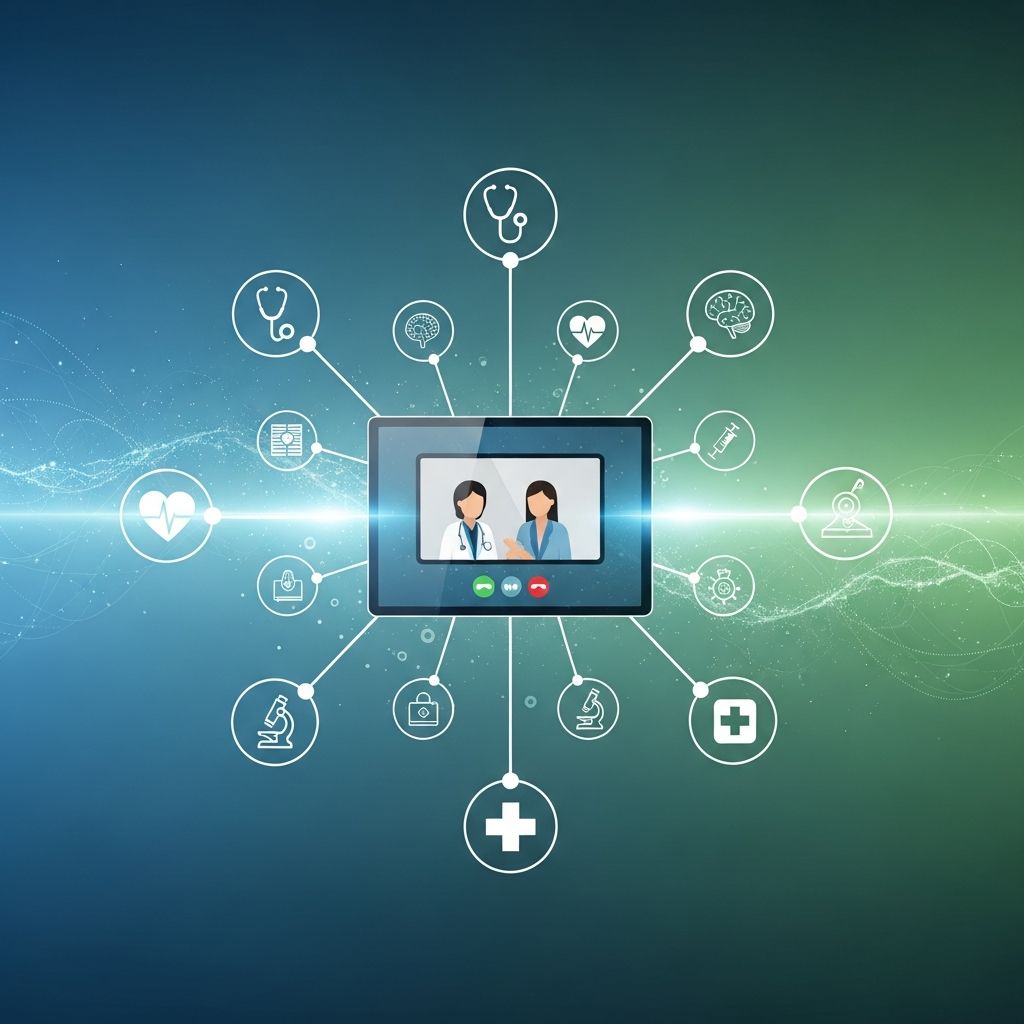
Telehealth represents a transformative shift in healthcare delivery, leveraging digital tools to connect patients with providers regardless of distance. This technology enables real-time consultations, remote monitoring, and personalized care plans through audio, video, and data transmission.
The Foundations of Modern Telehealth
At its core, telehealth encompasses a broad spectrum of services delivered via electronic and telecommunication devices. It includes live video consultations, store-and-forward data sharing, and remote patient monitoring using wearables and apps. Originally designed to serve rural and underserved communities, telehealth has expanded dramatically, especially following global health crises that accelerated its adoption.
Key components involve two-way interactive communication, often with video and audio, but also audio-only or asynchronous methods like secure email or app-based messaging. This flexibility allows providers to diagnose conditions, prescribe treatments, and monitor chronic diseases without requiring physical presence.
Key Advantages Driving Adoption
Telehealth offers compelling benefits that address longstanding healthcare challenges. It significantly boosts access for those in remote areas or with mobility issues, reducing the need for long travels.
- Enhanced Accessibility: Bridges gaps in rural regions where only 9% of U.S. physicians serve 20% of the population.
- Cost Reductions: Lowers expenses by minimizing emergency visits, hospitalizations, and travel; potential U.S. savings exceed $4 billion annually.
- Improved Efficiency: Cuts wait times and enables better chronic disease management, with studies showing comparable or superior outcomes in specialties like mental health.
- Patient Satisfaction: High demand due to convenience, privacy, and reduced stress from travel.
For Medicare beneficiaries, expansions in coverage for remote monitoring have improved care for chronic conditions and early interventions in heart disease and stroke.
How Telehealth Works in Practice
Telehealth operates through various modalities tailored to specific needs. Synchronous visits mimic in-office appointments via video platforms, ideal for acute issues. Asynchronous methods allow patients to send data like images or vitals for later review.
Remote patient monitoring (RPM) uses devices to track metrics such as blood pressure or glucose levels, transmitting data to providers for proactive adjustments. This is particularly effective for managing conditions like diabetes or hypertension.
| Modality | Description | Best Use Cases |
|---|---|---|
| Live Video | Real-time audio-video interaction | Consultations, therapy, follow-ups |
| Store-and-Forward | Data sent for later review | Dermatology images, radiology |
| Remote Monitoring | Device data transmission | Chronic disease tracking |
| e-Consults | Provider-to-provider referrals | Specialty advice |
Real-World Impact Across Specialties
Telehealth shines in diverse applications. In stroke care (TeleStroke), it provides rapid neurology consultations in under-equipped emergency departments, classified as a Class I intervention by the American Heart Association.
Nursing homes using off-hours telehealth reduced hospitalizations by 10%, saving Medicare about $150,000 per facility annually. The Veterans Health Administration reports $6,500 savings per patient yearly through fewer readmissions and better mental health support.
Urban studies show cost savings from fewer ER visits and expanded access, with many office visits suitable for virtual format. For older adults, it supports aging in place with regular check-ins.
Navigating Barriers to Widespread Use
Related Stories



Despite advantages, challenges persist. Privacy and data security concerns require robust encryption and HIPAA compliance. Reimbursement varies by state and payer, though expansions during recent waivers have helped.
- Digital Divide: Limited broadband or device access in underserved areas.
- Licensure Issues: Providers often need multi-state licenses.
- Equity Gaps: Ensuring low-income patients aren’t left behind.
Addressing these through policy updates and infrastructure investments is crucial for equitable expansion.
Policy Evolution and Future Outlook
Government bodies like CMS and Medicaid have broadened telehealth coverage, including audio-only for certain services. The AHA notes its routine integration post-waivers, with proven safety and satisfaction.
Future growth includes AI-driven diagnostics, expanded digital therapeutics, and integration with wearables for predictive care. As technology advances, telehealth will further reduce disparities and optimize systems.
Practical Guide: Getting Started with Telehealth
Patients can prepare by checking insurance coverage, ensuring a quiet space with reliable internet, and testing devices beforehand. Providers benefit from training on platforms and clear communication protocols.
- Verify eligibility with your insurer.
- Download approved apps (e.g., those with end-to-end encryption).
- Have medical history and questions ready.
- Follow up on prescriptions or next steps.
Frequently Asked Questions (FAQs)
What devices do I need for telehealth?
Smartphones, tablets, laptops, or desktops with a webcam and microphone suffice for most visits. Reliable internet is essential.
Is telehealth covered by insurance?
Many plans cover it, especially post-policy changes; confirm with your provider.
Can telehealth replace in-person visits?
It complements them, suitable for many but not all cases like physical exams.
How secure is telehealth?
Reputable platforms use HIPAA-compliant encryption to protect data.
Who benefits most from telehealth?
Rural residents, elderly, chronically ill, and busy professionals.
Telehealth continues to evolve, promising a more accessible, efficient healthcare landscape for all.
References
- Telehealth Benefits and Barriers – PMC – NIH — National Institutes of Health. 2020-10-13. https://pmc.ncbi.nlm.nih.gov/articles/PMC7577680/
- Research Anthology: Telehealth and Telemedicine – CDC — Centers for Disease Control and Prevention. Accessed 2026. https://www.cdc.gov/phlp/php/publications/research-anthology-telehealth-and-telemedicine.html
- Telehealth Basics – ATA — American Telemedicine Association. Accessed 2026. https://www.americantelemed.org/resource/why-telemedicine/
- Telehealth Systems – StatPearls – NCBI Bookshelf — National Center for Biotechnology Information. 2023-07-17. https://www.ncbi.nlm.nih.gov/books/NBK459384/
- Telehealth – Medicaid — Centers for Medicare & Medicaid Services. Accessed 2026. https://www.medicaid.gov/medicaid/benefits/telehealth
- Fact Sheet: Telehealth | AHA — American Hospital Association. 2025-04-07. https://www.aha.org/fact-sheets/2025-02-07-fact-sheet-telehealth
Similar Articles








Read full bio of medha deb