Telogen Effluvium: Causes, Symptoms & Treatment
Understanding temporary hair loss: causes, symptoms, and effective treatment options.
Telogen Effluvium: Understanding Temporary Hair Loss
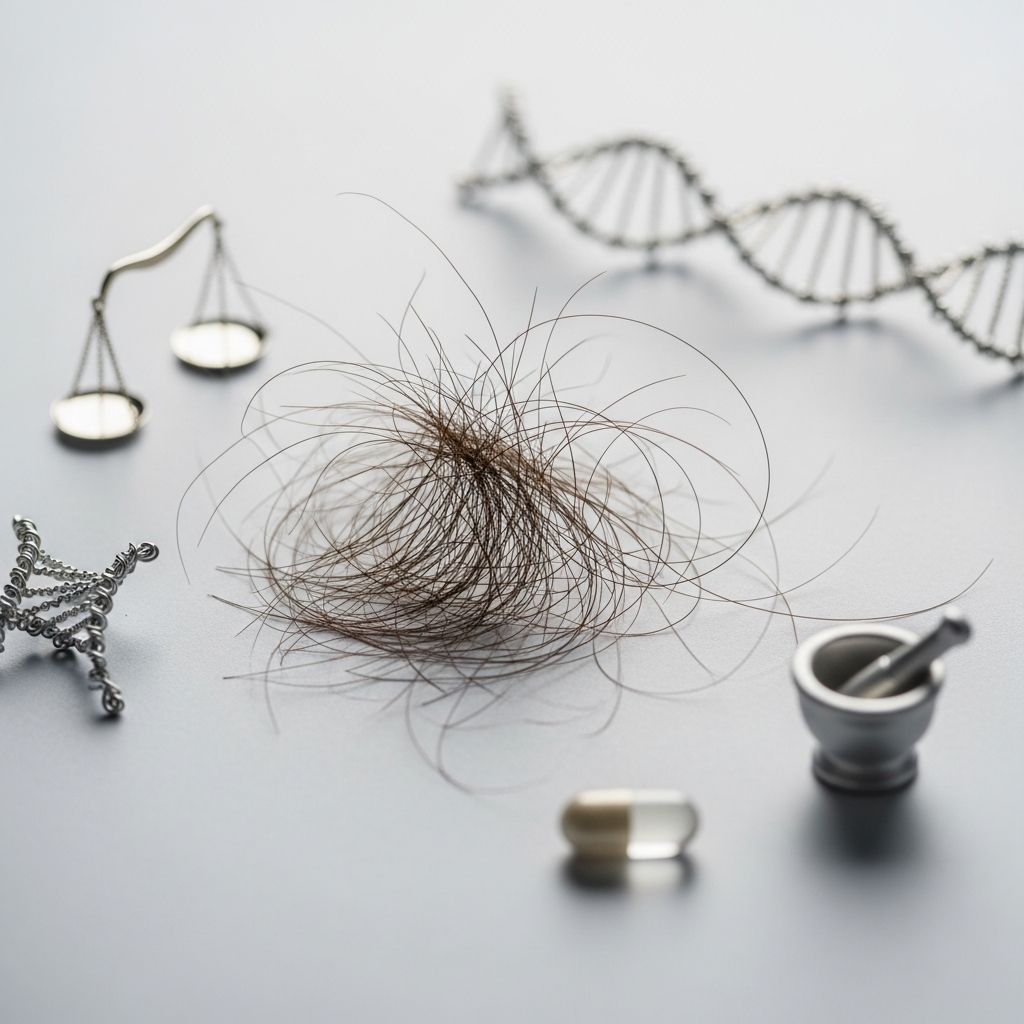
Telogen effluvium is a common, temporary form of hair loss that occurs when a larger-than-normal percentage of hairs on the scalp prematurely enter the resting (telogen) phase of the hair growth cycle. Under normal circumstances, approximately 10-15% of scalp hairs are in this resting phase at any given time. However, in telogen effluvium, this percentage can rise to 30-50%, resulting in noticeable shedding and thinning of the hair. Unlike some forms of hair loss, telogen effluvium does not cause permanent damage to hair follicles, making it a reversible condition in most cases.
The hair growth cycle consists of several phases: the anagen (growth) phase, catagen (transition) phase, and telogen (resting) phase. During the telogen phase, which typically lasts 100 days or 3-6 months, hair stops growing and eventually sheds to make room for new growth. When the body experiences a significant stressor or shock to its system, many hairs can simultaneously shift into the telogen phase, leading to excessive shedding several months after the triggering event.
Understanding the Hair Growth Cycle
To comprehend telogen effluvium, it is essential to understand the normal hair growth cycle. Each hair follicle on the scalp goes through a cyclical pattern of growth and rest. The anagen phase is the active growth period, during which hair strands lengthen and thicken. This phase typically lasts 2-7 years. Following this, the catagen phase is a brief transitional period lasting only a few weeks, during which hair growth slows and the hair follicle begins to shrink.
The telogen phase represents the resting period, during which the hair stops growing but remains attached to the follicle. This phase lasts approximately 3-6 months. At the end of the telogen phase, the resting hair (also called club hair due to its characteristic club-shaped root) naturally sheds, and a new hair begins growing from the follicle, starting the cycle anew. Normally, this shedding process is gradual, with the average person losing between 50-100 hairs daily. However, in telogen effluvium, daily hair loss can increase to 300 hairs or more.
Causes of Telogen Effluvium
Telogen effluvium can be triggered by a wide variety of physical, emotional, and physiological stressors that disrupt the normal hair growth cycle. Understanding these triggers is crucial for identifying the underlying cause and determining appropriate treatment strategies.
Physical and Emotional Stress
Severe psychological or emotional stress is one of the most common triggers of telogen effluvium. Major life events such as the death of a loved one, divorce, job loss, or other significant emotional trauma can precipitate hair loss. When the body experiences chronic or acute stress, it produces elevated levels of cortisol and other stress hormones. These hormonal changes can interfere with the hair growth cycle, causing hairs to prematurely enter the telogen phase. Research from Harvard University demonstrates that even a single acute stress episode can cause immediate damage to hair follicles and predispose the tissue for future immune attacks, potentially leading to recurrent hair loss.
Illness and Medical Conditions
Severe acute illnesses can trigger telogen effluvium, particularly conditions accompanied by high fever, severe infections, or significant inflammation. COVID-19 infection has been associated with increased rates of telogen effluvium in affected individuals, extending the condition’s impact beyond the acute viral infection itself. Additionally, chronic medical conditions such as thyroid disorders, autoimmune diseases, and other systemic illnesses can contribute to hair loss. Any condition that places significant physiological stress on the body can disrupt the hair growth cycle and trigger excessive shedding.
Hormonal Changes
Hormonal fluctuations represent another significant category of triggers for telogen effluvium. Pregnancy and the postpartum period are particularly common times for telogen effluvium to develop. The dramatic hormonal shifts associated with childbirth can trigger hair loss in the months following delivery. Similarly, menopause and the accompanying hormonal changes can precipitate telogen effluvium in women during this transitional life stage. Thyroid disorders, which profoundly affect hormonal balance, are also recognized triggers of this condition.
Nutritional Deficiencies
Inadequate nutrition and specific micronutrient deficiencies can disrupt the hair growth cycle and contribute to telogen effluvium. Critical nutrients for hair health include iron, zinc, biotin, vitamin D, and vitamin B12. Deficiencies in any of these micronutrients can impair hair follicle function and contribute to excessive shedding. Severe malnutrition or restrictive dieting can deprive hair follicles of essential nutrients needed for normal growth and maintenance.
Medications and Medical Treatments
Certain medications can cause telogen effluvium as a side effect. Common culprits include antidepressants, beta-blockers and other blood pressure medications, anticoagulants, and retinoids. Additionally, chemotherapy and other cancer treatments are well-known causes of hair loss, though the mechanism may involve both telogen effluvium and anagen effluvium (premature shedding of actively growing hairs). If you suspect a medication is contributing to hair loss, consult with your healthcare provider before making any changes to your treatment regimen.
Surgery and Trauma
Major surgical procedures and significant physical trauma can shock the system sufficiently to trigger telogen effluvium. The physical stress of surgery, combined with anesthesia, pain, and the recovery period, can cause hairs to shift into the telogen phase. This type of telogen effluvium typically develops several months after the surgical event.
Symptoms of Telogen Effluvium
The primary and most noticeable symptom of telogen effluvium is increased hair shedding. Individuals experiencing this condition typically observe the following signs:
- Noticeably increased hair loss when brushing or combing the hair
- Excessive hair accumulation in shower drains or on shower floors
- Increased amounts of hair on pillows upon waking
- Overall thinning and reduced density of scalp hair
- Hair that appears dry and brittle
- In some cases, localized areas of hair loss; in others, more diffuse thinning across the scalp
- Occasional itching or tenderness of the scalp
The hair loss in telogen effluvium typically becomes noticeable 3-4 months after the triggering stressful event. This delay occurs because it takes time for hairs to move through the hair cycle phases and eventually shed. The most apparent symptom is the significant volume loss, which can be quite distressing for affected individuals, though the hair typically maintains its normal texture and color.
Diagnosis of Telogen Effluvium
Healthcare providers diagnose telogen effluvium through a combination of clinical evaluation and diagnostic testing. The diagnosis typically begins with a thorough physical examination of the scalp and hair, along with a detailed medical history. During this assessment, your physician will examine the pattern and extent of hair loss, evaluate the scalp condition, and assess individual hair characteristics.
In many cases, your doctor may order blood tests to rule out underlying medical conditions that could contribute to hair loss, such as thyroid dysfunction, iron deficiency anemia, or nutritional deficiencies. A complete blood count and metabolic panel can help identify systemic conditions requiring treatment. In some cases, a dermatologist may perform a pull test or examine plucked hairs under a microscope to determine the percentage of hairs in the telogen phase, confirming the diagnosis.
The combination of clinical findings, medical history, and laboratory results helps establish a definitive diagnosis of telogen effluvium while ruling out other forms of hair loss such as androgenetic alopecia (pattern baldness) or alopecia areata (autoimmune hair loss).
Treatment Options for Telogen Effluvium
The treatment approach for telogen effluvium depends primarily on identifying and addressing the underlying cause. Unlike some forms of permanent hair loss, telogen effluvium typically resolves without treatment as the hair growth cycle normalizes and new hair replaces the shed hairs.
Addressing the Underlying Cause
The most effective treatment strategy involves identifying and managing the triggering factor. If telogen effluvium is caused by stress, implementing stress management techniques such as meditation, deep breathing exercises, yoga, or professional counseling can help reduce cortisol levels and allow the hair growth cycle to normalize. For hormonally-induced telogen effluvium, appropriate hormone therapy or management of hormonal conditions may be necessary. If nutritional deficiencies are responsible, dietary modification and targeted supplementation can restore essential micronutrients.
Nutritional Support
Supplementation with essential nutrients can support hair regrowth in cases where deficiencies are identified. Iron, zinc, vitamin D, biotin, and vitamin B12 are particularly important for hair health. Incorporating nutrient-rich foods into your diet, such as fish for vitamin D and omega-3 fatty acids, eggs for biotin and selenium, leafy green vegetables for iron and folate, and nuts and seeds for zinc, can provide natural nutritional support. In cases of documented deficiency, appropriate supplementation under medical supervision may be recommended.
Topical Treatments
Minoxidil (Rogaine), an over-the-counter topical medication approved for hair regrowth, may help stimulate hair growth and shorten the duration of telogen effluvium in some individuals. This medication is applied directly to the scalp twice daily and works by prolonging the anagen (growth) phase of the hair cycle. However, minoxidil works best when the underlying cause of hair loss has been addressed.
Hair Care Practices
While waiting for natural hair regrowth to occur, adopting gentle hair care practices can minimize additional stress on fragile hairs. This includes using soft brushes and combs, avoiding tight hairstyles that pull on the hair, using mild shampoos, and minimizing heat styling. These practices help prevent mechanical hair loss and may reduce the perception of thinning during the recovery period.
Prognosis and Timeline for Recovery
Telogen effluvium is generally a temporary condition with an excellent prognosis. In most cases, the condition resolves completely within 6-12 months as the hair growth cycle normalizes. Once the underlying trigger is removed or addressed, hairs gradually return to their normal growth cycle, and new hair growth replaces the shed hairs. The normal telogen duration of approximately 100 days (3-6 months) means that new hair begins appearing within this timeframe and continues to regrow over the following months.
Most individuals experience complete hair regrowth without permanent damage to hair follicles. However, in cases where the triggering factor is particularly severe or prolonged, or if the underlying condition remains unaddressed, hair loss may persist longer or result in more noticeable thinning. Importantly, telogen effluvium typically does not lead to complete baldness, as the hair follicles themselves remain functional and capable of producing new hair.
Frequently Asked Questions
Q: Can telogen effluvium lead to permanent baldness?
A: No. Telogen effluvium typically does not result in permanent baldness because the hair follicles are not permanently damaged. Hair follicles remain capable of producing new hair as the growth cycle normalizes. However, in severe or prolonged cases, some individuals may experience temporary long-term thinning of scalp hair until complete recovery occurs.
Q: How quickly does hair regrow after telogen effluvium resolves?
A: New hair begins growing once the telogen phase ends, typically within 3-6 months of the triggering event. Most individuals notice visible hair regrowth within 6-12 months as the condition resolves completely. The rate of regrowth varies depending on individual hair growth rates and the underlying cause.
Q: Are there serious complications associated with telogen effluvium?
A: There are typically no serious medical complications associated with telogen effluvium, as it does not cause permanent damage to hair follicles or systemic health problems. However, some individuals may experience emotional distress or negative impacts on self-esteem due to the visible changes in hair appearance and density.
Q: Can telogen effluvium be prevented?
A: In many cases, telogen effluvium cannot be prevented because it is often triggered by factors beyond an individual’s control, such as illness or major life events. However, maintaining a healthy lifestyle, effectively managing stress, ensuring adequate nutrition, and promptly addressing underlying medical conditions can help reduce the risk of developing this condition.
Q: Is treatment necessary for telogen effluvium?
A: In most cases, telogen effluvium resolves on its own without treatment as the body recovers from the triggering stressor. However, identifying and addressing the underlying cause can help facilitate recovery and provide psychological reassurance. Your healthcare provider may recommend specific treatments or supplementation depending on your individual circumstances.
Q: Who is most at risk for developing telogen effluvium?
A: While telogen effluvium can affect both men and women of all ages, it is most commonly seen in women who have recently given birth, individuals who have undergone major surgery or experienced traumatic events, those with certain medical conditions like thyroid disorders or anemia, and people experiencing significant psychological stress.
When to Consult a Healthcare Provider
If you experience noticeable hair loss, it is advisable to consult with your healthcare provider or a dermatologist. Professional evaluation can help determine whether you have telogen effluvium or another form of hair loss requiring different treatment approaches. Seek immediate professional attention if hair loss is accompanied by other concerning symptoms, if you suspect a medication or medical condition is responsible, or if hair loss is accompanied by scalp pain, inflammation, or signs of infection. Early identification of the underlying cause and appropriate management can facilitate recovery and provide peace of mind.
References
- Telogen Effluvium: Causes, Symptoms & Treatment — Hermes Hair Clinic. 2025. https://www.hermestclinic.com/telogen-effluvium/
- What is Telogen Effluvium? Understanding Temporary Hair Loss — Pure Hair Restoration. 2025. https://www.purehairrestoration.com/blog/what-is-telogen-effluvium/
- How Chronic Stress Leads to Hair Loss — Harvard Stem Cell Institute. 2021-03-31. https://www.hsci.harvard.edu/news/how-chronic-stress-leads-to-hair-loss
- Single Stressful Event Enough to Trigger Recurring Hair Loss — The Independent. 2024. https://www.independent.co.uk/news/science/hair-loss-stress-follicle-death-b2873452.html
- How Stress Causes Hair Loss — National Institutes of Health (NIH). 2025. https://www.nih.gov/news-events/nih-research-matters/how-stress-causes-hair-loss
Similar Articles







Read full bio of medha deb