Temple Headaches: Causes, Symptoms & Treatment
Understanding constant temple pain: Comprehensive guide to causes and effective relief strategies.
Understanding Temple Headaches and Constant Temple Pain
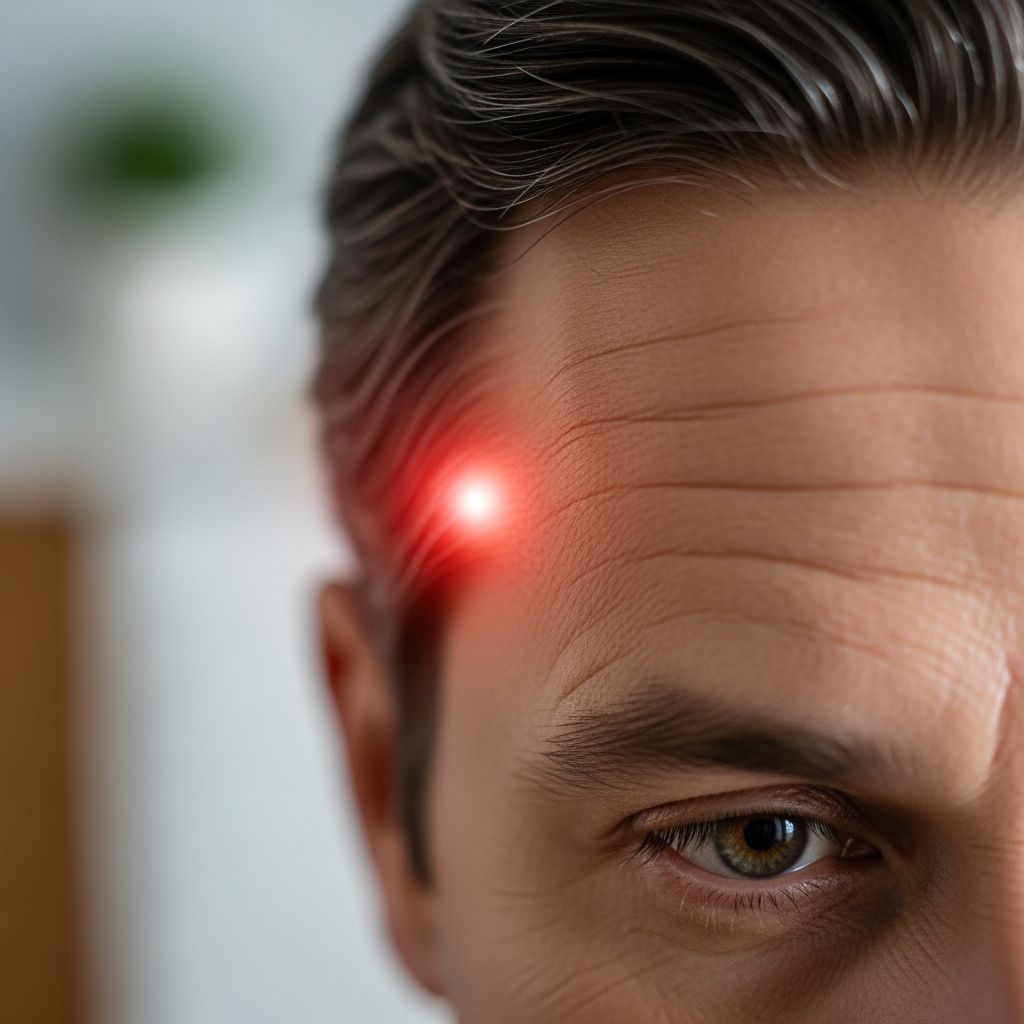
The temples refer to the area on the sides of the head, just behind the eyes, where the temporal arteries and numerous nerve endings converge. This region is particularly sensitive due to its complex anatomy, containing blood vessels, muscles, and neural pathways. When you experience pressure or pain in the temples, it can range from mild discomfort to debilitating pain that affects your daily activities. Temple headaches are among the most commonly reported types of head pain, and while most cases are benign, understanding the underlying causes is essential for proper management and peace of mind.
Persistent or recurring temple pain can significantly impact quality of life, affecting work productivity, social interactions, and overall well-being. The good news is that most temple headaches are treatable with appropriate interventions, whether through lifestyle modifications, over-the-counter medications, or professional medical care.
Common Causes of Temple Headaches
Tension Headaches
Tension headaches are the most prevalent type of headache and represent the leading cause of temple pain. These headaches develop when muscles in the neck, scalp, jaw, and shoulders become tense or contract involuntarily. Tension headaches are often described as creating a sensation similar to wearing a tight band or hat around the head, which is why they’re sometimes called “hatband” headaches.
Common triggers for tension headaches include:
- Prolonged computer use or poor posture
- Stress and anxiety
- Muscle tension from phone use or hunching
- Sleep deprivation or poor sleep quality
- Caffeine withdrawal
- Jaw clenching (bruxism)
Tension headaches typically cause a dull, pressing sensation that may radiate from the neck up through the temples and across the forehead. The pain is usually bilateral (affecting both sides) and can last from a few hours to several days.
Migraines
Migraines are a distinct neurological condition that frequently manifests as temple pain, particularly on one side of the head. Unlike tension headaches, migraines produce a pulsing or throbbing sensation and are often accompanied by additional symptoms that make the condition more debilitating.
Characteristic migraine symptoms include:
- Pulsing or throbbing pain on one side of the head
- Sensitivity to light (photophobia)
- Sensitivity to sound (phonophobia)
- Nausea and sometimes vomiting
- Visual disturbances or aura before the headache begins
- Worsening with physical activity
Migraines can last anywhere from a few hours to approximately 3 days and may be triggered by hormonal changes, certain foods, sleep disruption, environmental factors, or stress. The exact mechanisms behind migraines involve complex neurochemical and vascular changes in the brain.
Arteritis (Temporal Arteritis)
Temporal arteritis, also known as giant cell arteritis, is an inflammation of the arteries in the head, particularly those within the temples. This condition is more serious than tension headaches or migraines and requires prompt medical attention.
Key characteristics of arteritis:
- Almost exclusively affects people over age 50
- More common in individuals of Northern European ancestry
- Causes throbbing, severe pain in the temples, usually on one side
- May be accompanied by fever, fatigue, and malaise
- Can cause jaw claudication (pain while chewing)
- Risk of vision loss if untreated
The symptoms of arteritis can mimic common illnesses like the flu, including fever, cough, and general feelings of unwellness, which sometimes delays diagnosis. If you’re over 50 and experiencing new, severe temple headaches, particularly with fever or jaw pain, seek medical evaluation immediately.
Cervicogenic Headaches
Cervicogenic headaches originate from problems in the cervical spine (neck region) and can produce pain that radiates into the temples. These headaches develop when there are structural or functional issues with the neck vertebrae, muscles, or nerves.
Related Stories



Conditions causing cervicogenic headaches:
- Soft tissue injuries or tension in the neck
- Cervical spine lesions or fractures
- Rheumatoid arthritis affecting the neck
- Muscle strain from poor posture or whiplash
- Disc herniations
Cervicogenic headache pain is typically one-sided and worsens with certain neck movements or positions. Physical therapy, massage, and exercises targeting neck stability often help resolve this type of headache.
Sinus-Related Headaches
Infections or inflammation of the sinuses can produce pressure and pain in the temples and forehead region. The maxillary sinuses (below the eyes), ethmoid sinuses (between the eyes), and frontal sinuses (above the eyebrows) can all contribute to temple pressure when infected or inflamed.
Sinus-related temple pain is typically accompanied by nasal congestion, post-nasal drip, facial pressure, and sometimes fever if a bacterial infection is present. This type of headache often improves with treatment of the underlying sinus condition.
Cluster Headaches
Cluster headaches are severe, one-sided headaches that occur in cyclical patterns. While they more commonly affect the eye area, they can extend into the temple region and surrounding areas.
Features of cluster headaches:
- Intense, sharp pain on one side of the head
- Redness and swelling of the eye and nose on the affected side
- Occur in clusters (multiple headaches over weeks or months)
- Pain peaks 5-10 minutes after onset and can last up to 3 hours
- More common in men than women
- May be triggered by sleep problems, alcohol, or smoking
Temporomandibular Joint (TMJ) Disorders
TMJ disorders affect the jaw joint and can produce pain radiating into the temples and surrounding facial areas. These disorders involve dysfunction of the muscles and joints responsible for jaw movement.
Symptoms of TMJ disorders:
- Jaw stiffness with restricted movement
- Clicking, grating, or locking of the jaw
- Pain when opening or closing the mouth
- Teeth grinding (bruxism)
- Radiating pain into the temples, cheeks, and neck
Treatment for TMJ disorders may include dental guards, physical therapy, stress management, and in some cases, orthodontic correction.
Head Injuries
Temple pain can develop following head trauma, with the pressure or pain potentially appearing within 7 days of the injury. Post-traumatic headaches can be dull and aching or more sharp and throbbing, depending on the nature of the injury.
Other Potential Causes
Additional conditions that can cause temple headaches include:
- Dehydration
- High blood pressure
- Fever from infections
- Sleep apnea
- Meningitis (requires emergency care)
- Brain tumors (rare but possible)
- Aneurysms (rare but serious)
Treatment Options for Temple Headaches
Self-Care and Lifestyle Modifications
For tension-related temple headaches, several self-care strategies can provide relief:
- Heat therapy: Apply a heating pad or take a warm shower to relax neck and shoulder muscles
- Stress management: Practice meditation, deep breathing, or yoga to reduce muscle tension
- Posture correction: Maintain proper ergonomic positioning when working at a computer
- Regular exercise: Engage in consistent physical activity to prevent tension buildup
- Sleep hygiene: Maintain regular sleep schedules and ensure adequate rest
- Hydration: Drink sufficient water throughout the day
- Caffeine moderation: Avoid excessive caffeine intake and withdrawal
- Massage: Professional massage or self-massage of neck and shoulder muscles
Over-the-Counter Medications
For mild to moderate temple headaches, over-the-counter pain relievers can provide effective relief. Common options include ibuprofen (Advil, Motrin), naproxen (Aleve), and acetaminophen (Tylenol). Follow package directions carefully and avoid exceeding recommended dosages, as overuse can lead to medication-overuse headaches.
Prescription Treatments
For frequent or severe migraines, doctors may prescribe antimigraine medications such as triptans, which work by constricting blood vessels and reducing substances in the body that can trigger headaches, nausea, sensitivity to light, and sound, and other migraine symptoms.
For arteritis, doctors typically prescribe corticosteroids to reduce inflammation and prevent serious complications like vision loss. Treatment must begin promptly upon diagnosis to prevent permanent damage.
Physical and Procedural Interventions
For cervicogenic headaches, physical therapy and targeted exercises can effectively reduce pain. Some patients benefit from massage therapy to relax tight neck muscles. In certain cases, nerve blocks—injections that numb specific nerves—may be used to provide relief, though more research is needed to fully establish their long-term effectiveness.
When to Seek Medical Attention
While many temple headaches are benign and self-limiting, certain situations warrant professional medical evaluation. Contact a healthcare provider if you experience:
- Sudden, severe headache unlike any you’ve experienced before
- Continuous headache in one specific area of the head
- Changes in the frequency, intensity, or character of your headaches
- Headache accompanied by fever, stiff neck, confusion, or vision changes
- Headache following a head injury
- Persistent temple pain lasting more than a few days
- Temple headaches that don’t respond to usual treatments
- Age over 50 with new onset of severe temple pain (possible arteritis)
- Any headache accompanied by neurological symptoms
If you suspect meningitis (characterized by severe headache, fever, stiff neck, and sensitivity to light), seek emergency medical attention immediately.
Diagnostic Evaluation
When you visit a healthcare provider for temple headaches, they will typically:
- Take a detailed medical history, including headache frequency, duration, and character
- Perform a thorough physical and neurological examination
- Order blood tests if arteritis or infection is suspected
- Request imaging studies such as MRI or CT scans if serious conditions are possible
- Evaluate for secondary causes of headache
Prevention Strategies
Preventing temple headaches involves identifying and avoiding personal triggers. Keep a headache diary to track when headaches occur and what preceded them. Common prevention strategies include:
- Maintaining consistent sleep schedules
- Managing stress through relaxation techniques
- Practicing good posture and ergonomics
- Staying hydrated
- Regular exercise and physical activity
- Limiting screen time and taking frequent breaks
- Avoiding known dietary triggers
- Managing medical conditions like high blood pressure or sleep apnea
Frequently Asked Questions
Q: What does pain specifically in the temples mean?
A: Temple pain can result from multiple causes, most commonly tension headaches, migraines, or sinus issues. However, in people over 50, it could indicate temporal arteritis, a serious condition requiring medical evaluation.
Q: How long do temple headaches typically last?
A: Duration varies by cause. Tension headaches may last hours to days, migraines typically 4 hours to 3 days, and cluster headaches peak within 5-10 minutes but can last up to 3 hours.
Q: Can stress cause temple headaches?
A: Yes, stress is a major trigger for tension headaches, which commonly cause temple pain. Stress causes muscles to contract involuntarily, creating the characteristic tight, pressing sensation.
Q: Is temple pain ever a sign of something serious?
A: While most temple headaches are benign, sudden severe pain, especially in those over 50, could indicate temporal arteritis. Headaches with fever, stiff neck, or neurological symptoms require emergency evaluation.
Q: What’s the difference between a temple headache and a migraine?
A: Tension-related temple pain feels like pressure or squeezing, while migraines involve throbbing or pulsing pain, often accompanied by nausea, light sensitivity, and typically occur on one side.
Q: Can poor posture cause temple headaches?
A: Yes, poor posture, especially hunching over computers or holding phones with shoulders, creates muscle tension that commonly triggers temple pain and tension headaches.
Q: When should I see a doctor about temple pain?
A: Seek medical attention if you have sudden severe pain, persistent headaches unresponsive to treatment, changes in headache patterns, or temple pain accompanied by fever, vision changes, or other concerning symptoms.
Q: Are there preventive medications for frequent temple headaches?
A: Yes, for frequent migraines or chronic tension headaches, doctors may prescribe preventive medications including beta-blockers, antidepressants, or anticonvulsants to reduce headache frequency and severity.
References
- Pressure in the Temples: Causes and Treatment — Medical News Today. Retrieved from https://www.medicalnewstoday.com/articles/326816
- What Does a Headache on the Top of Your Head Mean? — WebMD. Retrieved from https://www.webmd.com/migraines-headaches/headache-on-top-of-head
- Arteritis — Temple Health. Retrieved from https://www.templehealth.org/services/conditions/arteritis
Similar Articles








Read full bio of Sneha Tete