Temporomandibular Disorder (TMD): Causes, Symptoms & Treatment
Comprehensive guide to TMD: understanding jaw pain, symptoms, causes, and effective treatment options.

Understanding Temporomandibular Disorder (TMD)
Temporomandibular disorder (TMD) is a condition that affects the temporomandibular joint (TMJ), the muscles controlling jaw movement, and the associated nerves. This joint acts as a hinge connecting your lower jaw to your skull, allowing you to open and close your mouth, chew, swallow, and speak. When this complex system malfunctions, it can result in chronic facial pain and functional limitations that significantly impact quality of life. TMD is relatively common and affects millions of people worldwide, though many cases resolve on their own or with conservative treatment approaches.
What Is the Temporomandibular Joint?
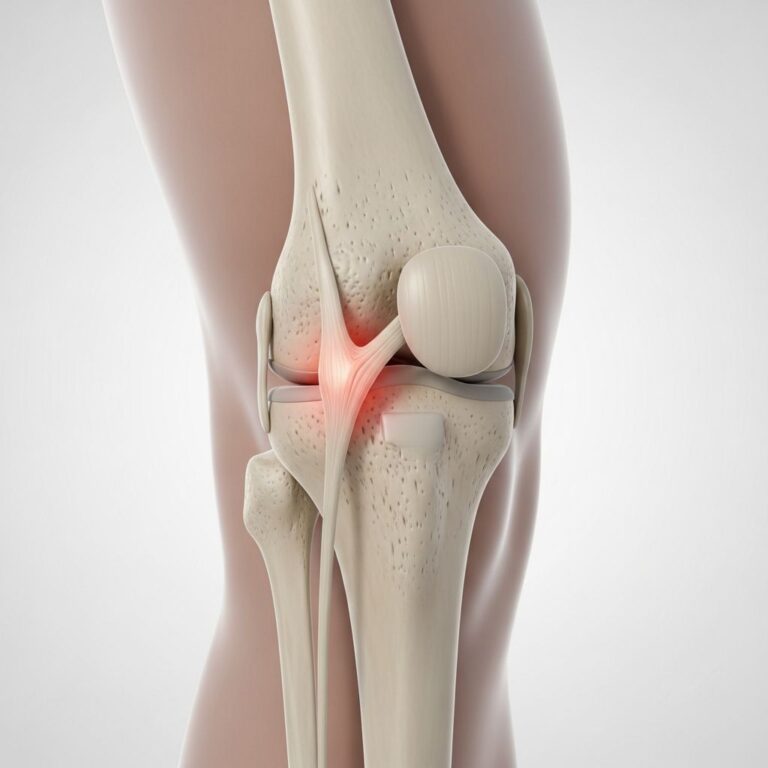
The temporomandibular joint is one of the most complex joints in the human body, consisting of bones, cartilage, muscles, ligaments, and a disk that acts as a shock absorber. The joint connects the mandible (lower jawbone) to the temporal bone of the skull. Unlike many other joints in the body, the TMJ allows for multiple types of movement: it can hinge open and closed, slide forward and backward, and move side to side. This multidirectional capability makes it unique but also vulnerable to various types of dysfunction. The disk within the joint is crucial for smooth movement and cushioning, and displacement or degeneration of this disk is a common source of TMD symptoms.
Types of Temporomandibular Disorders
Medical professionals recognize several distinct categories of TMD, each with different underlying causes and treatment requirements.
Myofascial Pain
Myofascial pain is the most common form of TMD, accounting for the majority of cases. This condition involves discomfort or pain in the connective tissue (fascia) covering the muscles and the muscles themselves that control jaw, neck, and shoulder function. The pain typically results from muscle tension, spasm, or overuse and can be exacerbated by stress, poor posture, and repetitive jaw movements.
Internal Derangement of the Joint
Internal derangement occurs when there is a structural problem within the joint itself, such as a dislocated jaw or displaced disk. The disk may move out of its proper position, causing clicking or popping sounds and restricting jaw movement. This type of TMD can develop gradually through wear and tear or suddenly following an injury.
Degenerative Joint Disease
This category includes conditions like osteoarthritis and rheumatoid arthritis affecting the temporomandibular joint. These inflammatory or degenerative conditions cause progressive damage to the joint structures, resulting in pain, stiffness, and limited motion.
Causes of Temporomandibular Disorder
In many cases, the exact cause of TMD remains unclear. However, research has identified multiple factors that can contribute to its development. Most often, TMD results from a combination of factors rather than a single cause.
Jaw Strain and Muscle Tension
Excessive strain on the jaw joints and muscles that control chewing, swallowing, and speech is a primary cause of TMD. This strain can result from various behaviors and conditions that place repetitive stress on these structures.
Bruxism and Teeth Clenching
Bruxism, the habitual, involuntary clenching or grinding of the teeth, is one of the most common causes of TMD. This behavior puts significant pressure on the joint and surrounding muscles, leading to pain and dysfunction. Teeth clenching and grinding are often triggered or worsened by stress, anxiety, and sleep disorders.
Trauma and Injury
Injury to the jaw, head, or neck can directly cause TMD. Such injuries might result from accidents, falls, motor vehicle collisions, or direct blows to the face. Even seemingly minor injuries can trigger TMD symptoms that persist long after the initial injury heals.
Related Stories



Joint Disorders
Arthritis and displacement of the jaw joint disks are significant contributors to TMD. Osteoarthritis causes progressive deterioration of the joint cartilage, while rheumatoid arthritis creates inflammation affecting joint function. Disk displacement can occur gradually through wear and tear or suddenly following injury.
Stress and Psychological Factors
Psychological stress and anxiety play important roles in TMD development and progression. During stressful periods, people tend to clench their teeth and tighten their jaw muscles, perpetuating the cycle of tension and pain. Research indicates that psychological and life stressors, along with how someone perceives pain, may influence whether TMD becomes chronic.
Postural Problems
Poor posture, particularly forward head posture common with desk work and excessive screen time, strains the temporomandibular joint and surrounding structures. This position places undue stress on the jaw, forcing it into an unnatural resting position and contributing to muscle tension and joint dysfunction.
Bite Problems and Dental Issues
An uneven or misaligned bite can contribute to TMD development. Dental work such as new fillings, crowns, or orthodontic treatment that alters bite mechanics may trigger or exacerbate TMD symptoms. Additionally, poorly fitting dentures can create bite imbalance leading to joint stress.
Other Contributing Factors
Additional factors that may contribute to TMD include repetitive chewing behaviors like excessive gum chewing, genetic predisposition, and overlapping health conditions such as fibromyalgia or irritable bowel syndrome that may amplify pain perception. Recent research by the National Institute of Dental and Craniofacial Research has identified clinical, psychological, sensory, genetic, and nervous system factors that increase the risk of developing chronic TMD.
Symptoms of Temporomandibular Disorder
TMD presents with a wide range of symptoms that can vary significantly between individuals. Symptoms may develop gradually or appear suddenly, and they often fluctuate in intensity.
Primary Jaw Symptoms
The most common symptoms involve direct jaw discomfort and dysfunction. Patients often experience jaw pain or soreness, particularly in the morning or late afternoon. This pain may be localized to one or both sides of the jaw. Some individuals report difficulty opening their mouth fully or experience jaw locking, where the jaw becomes stuck in either the open or closed position.
Clicking, popping, or grinding noises are characteristic symptoms that occur when moving the jaw. While not all clicking or popping indicates serious pathology, painful sounds often signal underlying joint dysfunction. Some patients describe a grating sensation when chewing or opening their mouth.
Pain Radiation and Associated Discomfort
TMD pain frequently extends beyond the jaw itself. Many patients experience headaches, particularly around the temples. Pain may spread behind the eyes, into the face, shoulders, neck, and back. These symptoms can make it difficult to distinguish TMD from other conditions and may lead to delayed diagnosis.
Ear-Related Symptoms
Earaches and ringing in the ears (tinnitus) are common TMD symptoms, though these sounds are not caused by inner ear infection. Some patients report hearing loss or dizziness associated with their TMD.
Oral and Functional Problems
Difficulty chewing and speaking can result from TMD, with pain often worsening during these activities. Some patients develop unexpected teeth sensitivity without any underlying dental disease. A change in the way the upper and lower teeth fit together may be noted.
Neurological Symptoms
Some individuals experience numbness or tingling sensations in their fingers, which may result from nerve compression or referred pain patterns. Dizziness is occasionally reported as a TMD symptom.
Sleep Disturbances
TMD can significantly impact sleep quality, with many patients experiencing sleep disturbances related to jaw pain and muscle tension.
Diagnosis of Temporomandibular Disorder
Accurate diagnosis of TMD requires a comprehensive evaluation by a qualified healthcare provider, typically a dentist, oral surgeon, or physician specializing in TMD. The diagnostic process involves several components working together to establish a clear picture of the condition.
Medical History
Your healthcare provider will begin by taking a detailed history of your symptoms, including when they started, what makes them worse or better, and how they affect your daily activities. Information about previous injuries, stress levels, sleep habits, and any teeth grinding or clenching behaviors is essential for diagnosis.
Physical Examination
A thorough physical examination includes palpation of the jaw joint and associated muscles to assess tenderness, clicking, or popping. Your provider will evaluate your ability to open and close your mouth, the range of motion available, and whether movements cause pain. The alignment of your bite will be assessed, and your head, neck, and shoulder posture will be evaluated.
Imaging Studies
While many cases can be diagnosed clinically, imaging studies may be recommended to visualize joint structures. Options include panoramic dental X-rays to assess bone structure, cone beam computed tomography (CBCT) for detailed three-dimensional images of the joint, or magnetic resonance imaging (MRI) to evaluate the disk and soft tissue structures.
Treatment Options for Temporomandibular Disorder
Treatment for TMD is typically conservative and multifaceted, focusing on pain relief, improved function, and underlying cause management. Most cases improve with non-invasive approaches.
Self-Care and Behavioral Modifications
Conservative measures form the foundation of TMD treatment. Resting the temporomandibular joint by eating soft foods, avoiding hard or chewy items, and limiting wide jaw movements helps reduce strain. Applying ice packs to reduce inflammation and heat to relieve muscle tension can provide symptom relief. Stress management through relaxation techniques, meditation, and regular exercise is crucial, as stress significantly contributes to jaw tension.
Physical Therapy
Physical therapy specifically targeting the jaw, neck, and shoulder muscles can significantly improve TMD symptoms. Therapeutic exercises strengthen jaw muscles, improve flexibility, and correct postural problems. A physical therapist can teach proper ergonomics and movement patterns to prevent future episodes.
Medication
Over-the-counter nonsteroidal anti-inflammatory drugs (NSAIDs) like ibuprofen or naproxen can help manage pain and inflammation. For more severe cases, muscle relaxants or prescription pain medications may be recommended. Some patients benefit from tricyclic antidepressants, which have both pain-relieving and muscle-relaxing properties.
Oral Appliances and Mouthguards
Custom-fitted mouthguards or splints can protect teeth from grinding damage and help reposition the jaw to reduce joint stress. These orthopedic appliances are particularly helpful for patients with bruxism and are often worn at night.
Advanced Treatments
For cases resistant to conservative treatment, advanced options may include corticosteroid or botulinum toxin injections to reduce muscle tension and pain. Arthrocentesis, a minimally invasive procedure to flush out the joint, may provide relief. In rare cases where conservative treatments have failed, surgical intervention might be considered.
Managing TMD Flare-ups
TMD symptoms can recur during times of increased stress, making prevention awareness important. Identifying personal triggers—whether stress, certain foods, or specific activities—allows you to implement preventive strategies. Maintaining stress management practices, continuing prescribed exercises, and seeking prompt treatment when symptoms resurface can minimize the impact of flare-ups.
Frequently Asked Questions About TMD
Q: Is TMD a serious condition?
A: While TMD causes significant discomfort and functional limitations, it is not usually serious and typically does not indicate a life-threatening condition. However, chronic TMD can substantially impact quality of life, and professional evaluation and treatment are recommended to prevent progression.
Q: Can TMD go away on its own?
A: Yes, many cases of TMD resolve spontaneously or with conservative self-care measures. However, some cases become chronic if left untreated or if underlying causes persist. Early intervention typically leads to better outcomes.
Q: What should I do if I think I have TMD?
A: Consult a dentist or healthcare provider for proper diagnosis. Avoid self-diagnosis based on symptoms alone, as many conditions can mimic TMD. Your provider can perform appropriate evaluations and recommend suitable treatment options.
Q: How long does TMD treatment take?
A: Treatment duration varies depending on severity and individual response. Many patients see improvement within several weeks to months with consistent conservative treatment. Chronic cases may require longer-term management.
Q: Can stress really cause TMD?
A: Yes, stress is a significant contributing factor to TMD. Stress increases muscle tension, promotes teeth clenching and grinding, and can trigger or worsen TMD symptoms. Stress management is an important component of treatment.
Q: Is surgery necessary for TMD?
A: Surgery is rarely necessary for TMD and is typically considered only after conservative treatments have failed. Most cases respond well to non-surgical interventions including physical therapy, behavioral modifications, and appropriate medications.
References
- Temporomandibular Disorders (TMD) — National Institute of Dental and Craniofacial Research (NIDCR). 2024. https://www.nidcr.nih.gov/health-info/tmd
- Temporomandibular Disorders — MedlinePlus, U.S. National Library of Medicine. 2024. https://medlineplus.gov/temporomandibulardisorders.html
- Temporomandibular Disorder (TMD) — NHS. Updated June 20, 2023. https://www.nhs.uk/conditions/temporomandibular-disorder-tmd/
- Temporomandibular Disorders (TMD) — UMass Memorial Health. 2024. https://www.ummhealth.org/health-library/temporomandibular-disorders-tmd
- Temporomandibular Joint Dysfunction — Healthdirect, Australian Government Department of Health. 2024. https://www.healthdirect.gov.au/temporomandibular-joint-dysfunction
- TMJ Disorders: Symptoms & Treatment — Cleveland Clinic. 2024. https://my.clevelandclinic.org/health/diseases/15066-temporomandibular-disorders-tmd-overview
Similar Articles








Read full bio of medha deb