Temporomandibular Disorders (TMD): Complete Overview
Understanding TMD: Causes, symptoms, diagnosis, and treatment options for jaw joint disorders.
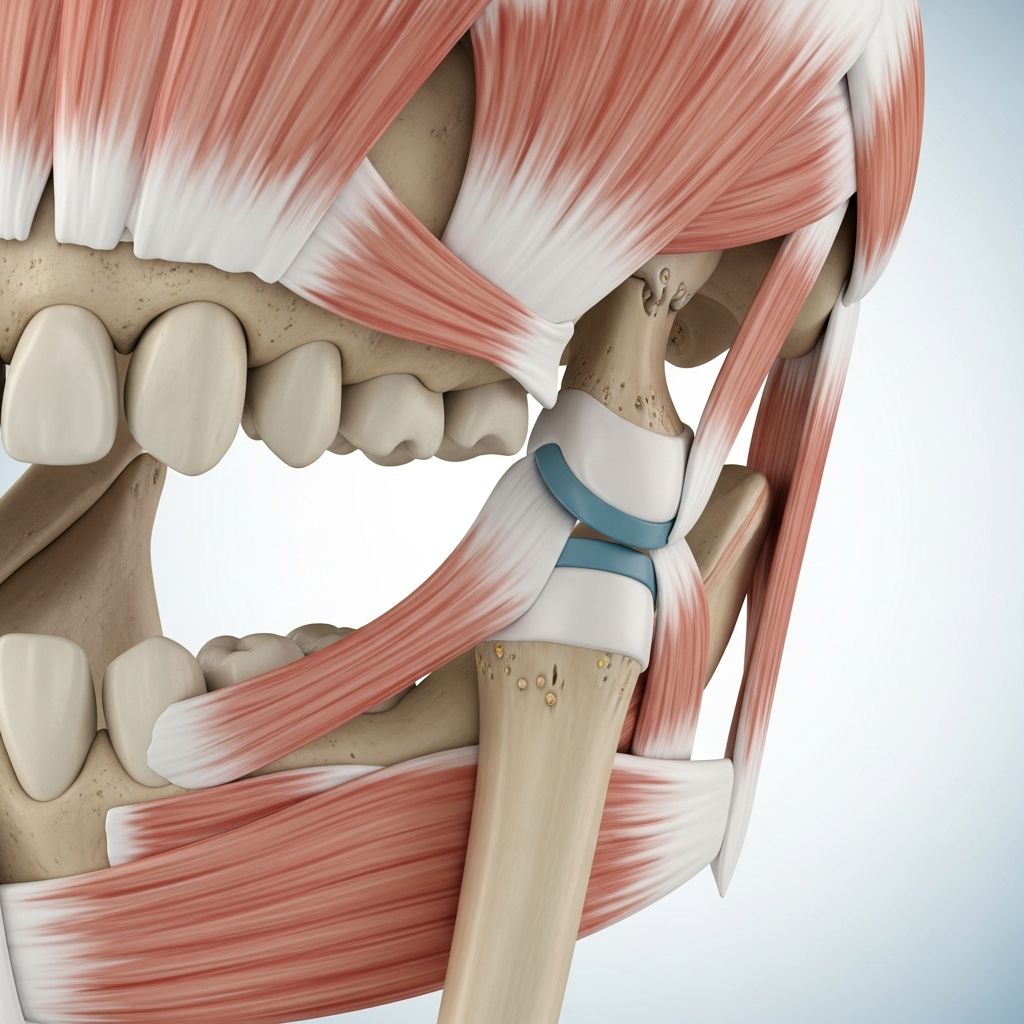
Temporomandibular disorders (TMDs) represent a complex group of more than 30 conditions that affect millions of people worldwide. These conditions cause pain and dysfunction in the jaw joint and the muscles that control jaw movement. Understanding TMD is essential for anyone experiencing jaw-related symptoms, as early recognition and appropriate management can significantly improve quality of life and prevent chronic complications.
What Are Temporomandibular Disorders?
Temporomandibular disorders are conditions that specifically affect the temporomandibular joint (TMJ) and associated structures. It’s important to note that TMD refers to the disorders themselves, while TMJ refers only to the joint itself. Each person has two temporomandibular joints—one on each side of the jaw. You can locate these joints by placing your fingers directly in front of your ears and opening your mouth.
The TMJ functions as a sliding hinge, connecting your jawbone to your skull. This complex joint allows for the various movements necessary for eating, speaking, and yawning. When functioning properly, this remarkable joint works seamlessly with surrounding muscles and ligaments to facilitate smooth jaw movement.
Classification of Temporomandibular Disorders
TMDs are classified into three main categories, each addressing different aspects of jaw function and pain:
Disorders of the Joints
These conditions include disc disorders and other structural abnormalities affecting the temporomandibular joint itself. Disc disorders involve the cartilage disc that cushions the joint, which can become displaced or damaged, leading to pain and limited movement.
Disorders of the Masticatory Muscles
Disorders affecting the muscles used for chewing represent a significant category of TMD. Myofascial pain, characterized by muscle tension and spasm in the jaw and surrounding areas, is one of the most common TMD diagnoses. These muscle-related disorders often develop from tension, stress, and parafunctional habits.
Headaches Associated with TMD
TMD-related headaches represent a distinct category of temporomandibular disorders. These headaches stem from the dysfunction of the jaw joint and surrounding musculature, distinguishing them from other types of headache disorders.
Prevalence and Risk Factors
Temporomandibular disorders affect a substantial portion of the population. Research indicates that approximately 11 to 12 million adults in the United States experience pain in the region of the temporomandibular joint. This prevalence makes TMD a significant public health concern.
TMDs demonstrate a notable gender difference in occurrence. These disorders are approximately twice as common in women as in men, with women between 35 and 44 years old representing the most affected demographic. This gender and age predisposition suggests that hormonal, psychological, and lifestyle factors may contribute to TMD development.
Understanding TMD Causes
The etiology of temporomandibular disorders remains complex and multifactorial. While injury to the jaw or temporomandibular joint can precipitate some TMDs, in most cases the exact cause remains unclear. For many individuals, symptoms appear to develop without any obvious triggering event.
Contemporary research suggests that TMD development involves a combination of contributing factors. These include genetic predisposition, psychological stress, life stressors, and individual differences in pain perception. The interaction between these biological, psychological, and social factors helps explain why TMD onset and progression vary significantly among individuals.
Related Stories



Several behavioral and environmental factors have been associated with TMD development, including:
- Teeth grinding (bruxism), particularly during sleep
- Jaw clenching, often stress-related
- Trauma or injury to the jaw
- Arthritis affecting the joint
- Everyday wear and tear on the joint
- Parafunctional habits such as excessive gum chewing
- Malocclusion or improper bite alignment
- Poor posture and neck tension
Recognizing TMD Symptoms
Symptoms of temporomandibular disorders vary widely among affected individuals. It is important to understand that sounds in the jaw joints, such as clicking or popping without accompanying pain, are considered normal and common. These sounds typically do not require treatment or intervention.
However, several symptoms may indicate the presence of a TMD that warrants professional evaluation:
- Pain in the chewing muscles and/or jaw joint (the most commonly reported symptom)
- Pain that radiates to the face, neck, or shoulders
- Jaw stiffness or reduced flexibility
- Limited jaw movement or locking of the jaw
- Painful clicking, popping, or grating sounds in the jaw joint when opening or closing the mouth
- Ringing in the ears (tinnitus), hearing loss, or dizziness
- Changes in how the upper and lower teeth fit together
- Headaches, particularly upon waking
- Ear pain or ear stuffiness
- Tooth pain without dental pathology
TMD symptoms can significantly impact quality of life, affecting eating, speaking, and overall comfort. Some individuals may have experienced multiple healthcare visits for conditions such as ear pain, only to discover that their symptoms are actually TMD-related.
Duration and Associated Conditions
The temporal course of TMD varies considerably. Many cases of temporomandibular disorders are self-limiting, lasting only a short time before resolving spontaneously. However, in some individuals, TMD can become chronic or long-lasting, requiring ongoing management.
TMDs frequently occur alongside other medical conditions, suggesting possible shared etiological pathways or contributing mechanisms. Associated conditions may include:
- Headaches and migraines
- Back pain and cervical spine disorders
- Sleep problems and sleep-disordered breathing
- Fibromyalgia
- Irritable bowel syndrome
Diagnosis of Temporomandibular Disorders
Diagnosing TMD presents significant clinical challenges. Unlike many other medical conditions, there is no widely accepted, standard diagnostic test for temporomandibular disorders. This diagnostic difficulty stems from the unclear nature of TMD causes and the variable presentation of symptoms among patients.
The diagnostic process begins with a comprehensive clinical evaluation. Your healthcare provider or dentist will conduct a detailed assessment that includes:
Symptom History
Your clinician will carefully document your symptoms, including specific information about pain location, when symptoms occur, factors that improve or worsen the condition, and whether pain remains localized or spreads to other body areas.
Medical History
A thorough medical history helps identify potential contributing factors, previous injuries, and associated health conditions. Your provider will inquire about other pain conditions you may experience, such as headaches or back pain, which may indicate overlapping disorders.
Physical Examination
The physical examination includes careful palpation of the head, neck, face, and jaw to assess for tenderness, muscle tension, and joint dysfunction. Your clinician will observe jaw movement, listen for clicking or popping sounds, and assess the range of motion available during jaw opening and closing.
Imaging Studies
Depending on clinical findings, your healthcare provider may recommend imaging studies to obtain more detailed information about jaw joint structure and function. These may include:
- X-rays to assess bone structure and alignment
- Magnetic resonance imaging (MRI) to evaluate soft tissue structures, including the articular disc
- Computed tomography (CT) scans for detailed bone imaging
Because pain in the mouth, jaw, or face may arise from multiple sources, your provider may need to rule out other conditions before confirming a TMD diagnosis. This differential diagnostic process ensures accurate identification and appropriate treatment planning.
Treatment Approaches for TMD
Treatment for temporomandibular disorders should be individualized based on symptom severity, underlying causes, and patient preferences. Most healthcare providers recommend conservative, reversible approaches before considering more invasive interventions.
Self-Care and Home Management
Initial management often focuses on patient education and home-based strategies, including:
- Applying cold packs and moist heat to the jaw area
- Performing gentle jaw stretches and exercises
- Improving posture to reduce neck and jaw tension
- Sleeping on your back to minimize jaw pressure
- Limiting hard or chewy foods
- Avoiding parafunctional habits such as excessive gum chewing
- Practicing stress-reduction techniques
- Performing gentle massage of the jaw muscles
Stabilization Appliances
Occlusal guards, night guards, and stabilization splints represent reversible interventions that can significantly improve symptoms. These custom-fitted appliances help bring the temporomandibular joints into harmony with the surrounding muscles and proper occlusal relationships. By establishing this balance through a reversible means, clinicians can identify which factors most significantly affect symptoms and determine whether additional interventions are necessary.
Behavioral Health Approaches
Psychological interventions have demonstrated effectiveness in managing TMD, particularly when stress and tension contribute to symptoms.
Cognitive Behavioral Therapy: This approach helps identify negative thoughts or thought patterns that may exacerbate jaw tension and provides coping strategies for managing stress and pain more effectively.
Biofeedback: Biofeedback therapy utilizes sensors that monitor breathing, heart rate, muscle contraction, and temperature changes. For example, a sensor placed on the jaw can detect when jaw muscles tighten. With therapeutic guidance, patients learn to recognize unwanted muscle tension patterns and develop relaxation techniques to address them.
Advanced Treatment Options
Prolotherapy: This regenerative medicine approach involves injecting a solution into the TMJ area that creates controlled irritation, stimulating the body’s natural healing response and promoting joint repair. Prolotherapy has shown particular promise for TMDs involving joint dislocation or hypermobility, where the joint extends beyond its normal range of motion.
Platelet-Rich Plasma (PRP) Therapy: PRP treatment has been utilized to stimulate growth centers within the temporomandibular joint, offering potential benefits for patients experiencing joint pain and dysfunction who have not responded adequately to conservative therapy.
Multidisciplinary Team Approach: Modern TMD management increasingly incorporates team-based care involving multiple specialists. Pain psychologists work collaboratively with dental and medical providers to help patients transition through the challenging process of managing chronic TMD and determining appropriate surgical versus conservative management strategies.
When Conservative Treatment Falls Short
For patients whose symptoms do not improve adequately with conservative therapy and whose quality of life remains significantly impaired, more invasive interventions may be considered. However, these irreversible procedures are typically pursued only after thorough trials of conservative management have been completed.
The progression from reversible to potentially irreversible treatments allows for systematic identification of the most effective interventions for each individual patient while minimizing unnecessary surgical intervention.
Frequently Asked Questions About TMD
What is the difference between TMD and TMJ?
TMJ refers specifically to the temporomandibular joint itself—the physical joint structure connecting your jawbone to your skull. TMD refers to temporomandibular disorders, which are conditions affecting the joint, muscles, and associated structures. While these terms are sometimes used interchangeably in casual conversation, they have distinct meanings in medical terminology.
Can TMD go away on its own?
Many cases of temporomandibular disorders resolve spontaneously without intervention. However, some individuals develop chronic TMD that persists long-term. Early recognition of symptoms and appropriate management can help prevent progression to chronic conditions.
How is TMD diagnosed without a standard test?
TMD diagnosis relies primarily on careful clinical evaluation, including detailed symptom history, physical examination, and sometimes imaging studies. Because no standard diagnostic test exists, thorough clinical assessment by an experienced provider is essential for accurate diagnosis.
Are jaw sounds always a sign of TMD?
No. Clicking or popping sounds in the jaw without accompanying pain are considered normal and common. These sounds typically do not indicate a TMD requiring treatment. Treatment is recommended only when sounds occur alongside pain or functional limitations.
What should I try first if I suspect I have TMD?
Start with conservative self-care approaches including ice or heat application, gentle stretching, stress reduction, and lifestyle modifications. Avoid hard or chewy foods and parafunctional habits. If symptoms persist, consult with a dentist or physician who can conduct proper evaluation and recommend appropriate treatment.
References
- TMD (Temporomandibular Disorders) — National Institute of Dental and Craniofacial Research (NIDCR), National Institutes of Health. 2024. https://www.nidcr.nih.gov/health-info/tmd
- Evaluation of the Temporomandibular Joint — Cleveland Clinic Journal of Medicine. 1986. https://www.ccjm.org/content/ccjom/53/4/373.full.pdf
- Management of TMJ Disorders — Cleveland Clinic Consult QD. 2024. https://consultqd.clevelandclinic.org/management-of-tmj-disorders-podcast
- How To Relieve TMJ Pain at Home — Cleveland Clinic Health. 2024. https://health.clevelandclinic.org/tmj-how-to-find-the-relief-you-need-for-your-aching-jaw-and-or-face-and-teeth
- 9 Best Exercises for Temporomandibular Joint (TMJ) Pain Relief — Summa Health. 2024. https://sarh.org/services/rehabilitation-services/9-exercises-for-tmj-pain-relief
Similar Articles








Read full bio of medha deb