Temporomandibular Joint Disorders: Causes, Symptoms, Treatments
Comprehensive guide to TMD symptoms, causes, diagnosis, self-help, treatments, and when to seek medical advice.
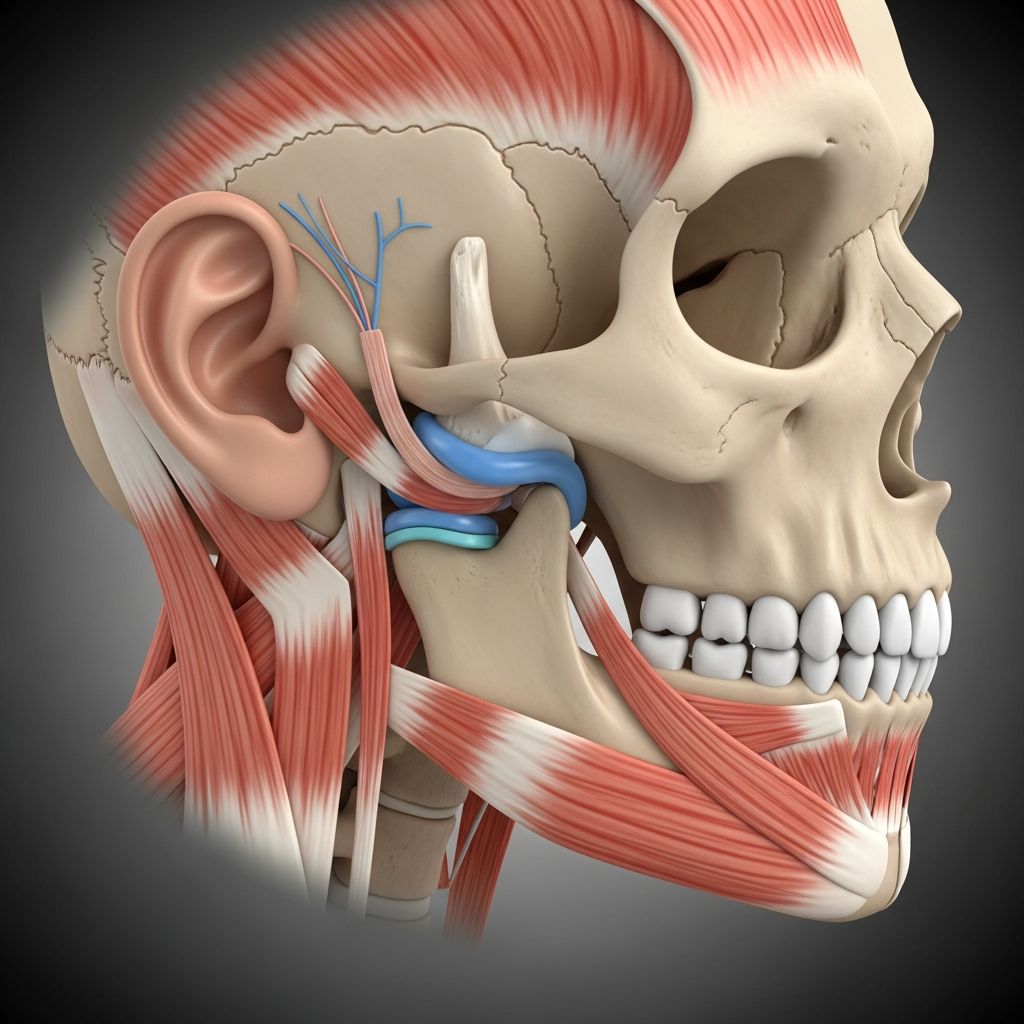
Temporomandibular joint disorders (TMD), often referred to as
TMJ disorders
, involve pain and dysfunction in the jaw joint and surrounding muscles that control chewing and mouth movement. These conditions affect millions worldwide, with women aged 35-44 being particularly susceptible.What are temporomandibular joint (TMJ) disorders?
The
temporomandibular joint (TMJ)
is the hinge connecting your jawbone (mandible) to the skull, located just in front of each ear. It enables essential functions like talking, chewing, and yawning through a complex sliding and rotating mechanism, cushioned by cartilage and an articular disc. TMD encompasses over 30 conditions classified into three main categories: joint disorders (e.g., disc displacements), masticatory muscle disorders, and associated headaches. These can be acute or chronic, often co-occurring with fibromyalgia, irritable bowel syndrome, or sleep issues. Approximately 11-12 million U.S. adults experience TMJ pain, twice as common in women.Symptoms
TMD symptoms vary but commonly include:
- Pain in chewing muscles, jaw joint, face, neck, or shoulders, worsening with jaw use.
- Limited jaw movement, stiffness, or locking.
- Jaw noises like clicking, popping, or grating during opening/closing.
- Other issues: headaches, ear pain/ringing, dizziness, or bite changes.
Chronic TMD lasts over three months, with facial pain (96%), ear discomfort (82%), and headaches (79%) as top complaints. Pain may radiate, mimicking ear infections or dental problems.
Causes
TMD arises from multifactorial origins, including:
- Muscle-related: Bruxism (teeth grinding/clenching), gum chewing, or stress-induced parafunctional habits.
- Joint issues: Disc displacement (with/without reduction), arthritis, hypermobility.
- Trauma: Whiplash, direct injury, or microtrauma.
- Systemic factors: Rheumatoid arthritis, infections.
- Other: Genetics, malocclusion, or comorbidities like fibromyalgia.
Not all grinders develop TMD; predisposition plays a role.
When to see a doctor or dentist
Seek professional help if self-help fails after 2-4 weeks, or for severe pain, jaw locking, bite changes, or swelling. Urgent care needed for trauma, fever, or neurological symptoms. Dentists diagnose via history and exam; GPs refer if needed.
Diagnosis
Diagnosis relies on clinical evaluation:
- History: Symptom description, pain triggers, habits.
- Exam: Palpation of masticatory muscles (masseter, temporalis, pterygoids), jaw range of motion, joint sounds (clicking=disc displacement; crepitus=osteoarthritis).
- Imaging: X-rays, MRI, or CT for disc/joint issues if conservative care fails.
- Rule-outs: Dental abscesses, neuralgias, tumors via blood tests or specialist referral.
No single test confirms TMD; it’s based on severity prompting care.
Self-help (conservative treatments)
Most TMD improves with noninvasive self-care:
- Soft diet: Avoid hard/chewy foods; cut food small.
- Heat/cold: Warm compresses relax muscles; ice reduces swelling (10-15 mins).
- Jaw rest: Limit extreme movements; avoid gum, yawning wide.
- Posture: Maintain good head/neck alignment.
- Stress management: Relaxation, biofeedback to curb clenching.
- Exercises: Gentle stretching, resistance for mobility.
| Symptom | Self-Help Strategy |
|---|---|
| Pain | Heat packs, NSAIDs (e.g., ibuprofen) |
| Clicking | Soft diet, jaw exercises |
| Locking | Avoid wide opening; see professional |
Treatment
Treatments escalate if self-help insufficient:
Medications
- Pain relief: Ibuprofen, paracetamol; muscle relaxants for spasms.
- Antidepressants: Low-dose for chronic pain (e.g., amitriptyline).
Non-invasive therapies
- Splints/guards: Nighttime occlusal splints prevent grinding; stabilization splints reposition jaw.
- Physical therapy: Manual therapy, ultrasound, stretches improve function/pain.
- Counseling: CBT for stress/bruxism.
Injections
- Corticosteroids/Botulinum toxin: For persistent inflammation or muscle hyperactivity.
Dental interventions
Occlusal adjustments or crowns rarely first-line due to risks.
Surgical options
Reserved for failures (3-6 months):
- Arthrocentesis: Joint flushing.
- Arthroscopy: Minimally invasive.
- Open surgery: Diskectomy, condylotomy, joint replacement for severe derangement.
Related Stories



Surgery success varies; conservative preferred.
Complications
Untreated TMD risks chronic pain, depression, limited eating/speaking, or joint degeneration. Rarely, surgery complications like nerve damage.
Prevention
- Avoid clenching/gum chewing.
- Manage stress.
- Use night guards if grinding.
- Maintain posture/diet.
Prognosis
90% improve with conservative care; chronic cases need multidisciplinary approach. Early intervention key.
Frequently Asked Questions (FAQs)
Q: Can TMD go away on its own?
A: Yes, many acute cases resolve without treatment, but chronic ones benefit from intervention.
Q: Is TMD caused by bad bite?
A: Not primarily; habits and stress more common culprits.
Q: Are splints permanent?
A: No, used short-term; monitored by professionals.
Q: When is surgery necessary?
A: Only for unresponsive severe cases after 3-6 months conservative care.
Q: Does TMD affect children?
A: Less common, but juvenile arthritis can involve TMJ.
References
- TMD (Temporomandibular Disorders) — National Institute of Dental and Craniofacial Research (NIDCR). 2023. https://www.nidcr.nih.gov/health-info/tmd
- Overview of Temporomandibular Disorders (TMDs) — Merck Manuals Professional Edition. 2024-10-01. https://www.merckmanuals.com/professional/dental-disorders/temporomandibular-disorders/overview-of-temporomandibular-disorders-tmds
- Diagnosis and Treatment of Temporomandibular Disorders — American Academy of Family Physicians (AAFP). 2015-03-15. https://www.aafp.org/pubs/afp/issues/2015/0315/p378.html
- Your Guide To Temporomandibular Disorders — The TMJ Association. 2020-08. https://tmj.org/wp-content/uploads/2020/08/TMJ_Assoc_Brochure.pdf
- TMJ disorders – Diagnosis and treatment — Mayo Clinic. 2024. https://www.mayoclinic.org/diseases-conditions/tmj/diagnosis-treatment/drc-20350945
Similar Articles








Read full bio of Sneha Tete