Healthy Eating Tips: 10 Ways To Lower Type 2 Diabetes Risk
Practical tips to reduce type 2 diabetes risk through smarter food and drink choices every day.
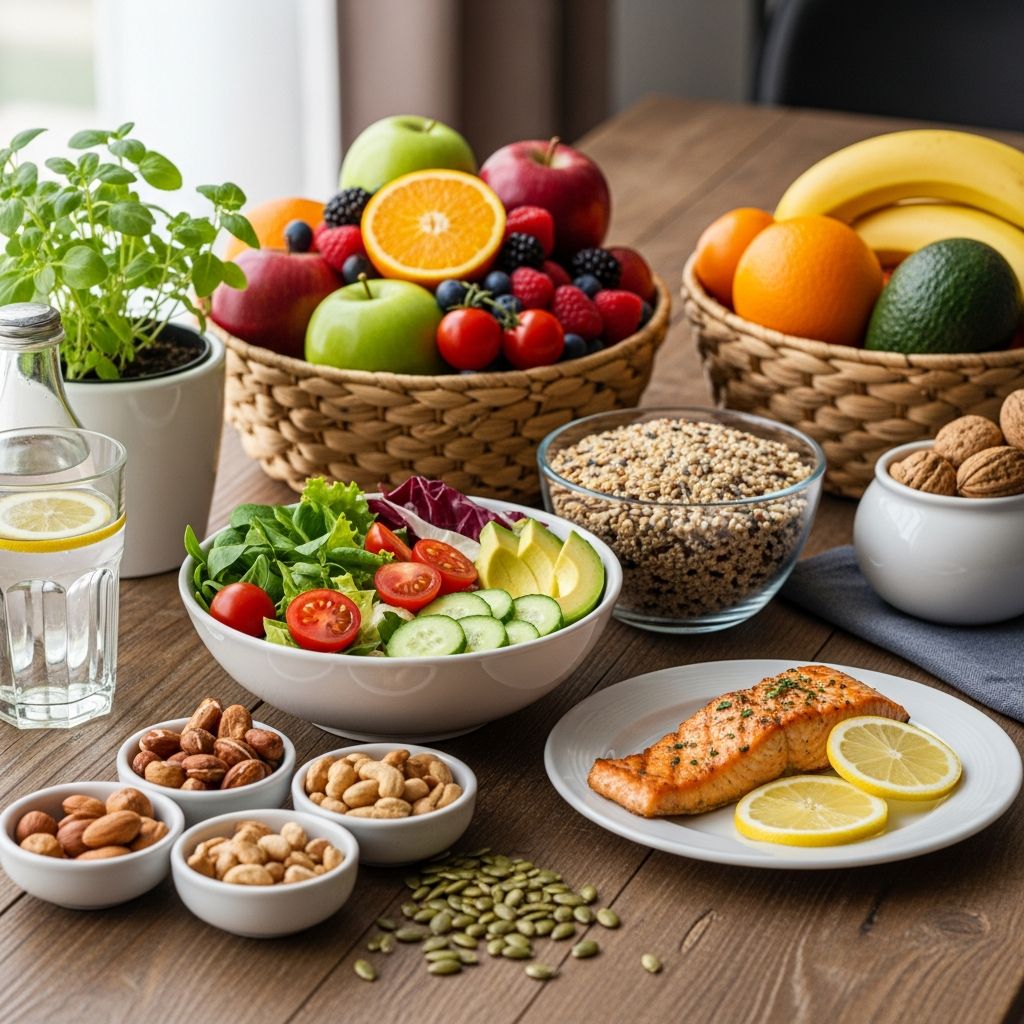
If you’re at risk of type 2 diabetes, simple changes to your diet can make a big difference in lowering your risk and helping maintain a healthy weight. These ten practical tips, recommended by Diabetes UK, focus on smarter food and drink choices that are easy to adopt into daily life.
1. Choose drinks without added sugar
Sugary drinks like full-sugar fizzy drinks, energy drinks, fruit juices, and smoothies are linked to an increased risk of type 2 diabetes because of their high free sugar content. Swapping them out can significantly reduce your risk and support weight management.
Opt for diet or no-added-sugar versions of soft drinks, but check labels to ensure no added sugar. Even better choices include plain water (still or sparkling), tea or coffee without sugar, or with low/no-calorie sweeteners. If using milk, select semi-skimmed or skimmed for the same nutrients with less fat; for plant-based options like oat or almond milk, choose unsweetened varieties.
Evidence shows unsweetened tea and coffee are associated with reduced diabetes risk. Avoid replacing sugary drinks with fruit juices, as they still contain high free sugars without the fibre of whole fruit.
2. Choose higher fibre carbs
Refined ‘white’ carbohydrates like white bread, white rice, and white pasta cause quicker blood sugar spikes and are best limited. Instead, select higher-fibre ‘brown’ options such as brown rice, wholemeal pasta, wholemeal bread, and chapatis made with wholemeal flour.
Check food labels for fibre content—at least 6g per 100g indicates a high-fibre food. Other excellent carb sources include fruit, vegetables, pulses (chickpeas, beans, lentils), and dairy like unsweetened yoghurt and milk. Higher fibre intake is linked to lower risks of type 2 diabetes, obesity, heart disease, and certain cancers.
Be mindful of portion sizes to manage carbohydrate intake effectively. Becoming label-savvy helps identify processed foods high in sugar, fat, and salt.
3. Cut down on red and processed meat
Red and processed meats are associated with higher type 2 diabetes risk. Reduce intake by swapping for healthier proteins: pulses like beans and lentils (high in fibre, low blood sugar impact), eggs, fish, lean poultry (chicken, turkey—avoid processed versions with added salt or preservatives), unsalted nuts, tofu, or tempeh.
Fish is particularly beneficial—at least one portion of white fish (cod, haddock, pollock) weekly and two of oily fish (salmon, mackerel, sardines in tomato sauce, tuna in spring water) for omega-3 heart protection. Shop-bought cooked chicken is fine if unprocessed; always read labels.
4. Eat plenty of fruit and veg
Increasing fruit and vegetable intake is strongly linked to reduced type 2 diabetes risk, providing essential vitamins, minerals, and fibre. Aim for at least 5-a-day: e.g., three veg portions and two fruit.
Particularly protective are apples, grapes, berries, and green leafy veg like spinach, kale, watercress, and rocket. Fresh, frozen, tinned (in water/juice, no added salt/sugar), or dried all count. Whole fruits have natural sugars bound with fibre, unlike juices/smoothies with free sugars—eat whole to maximise benefits.
Related Stories



If you want to reduce carbs: Cut starchy carbs like fries, cakes, biscuits, and sugary drinks instead of fruit. Include veg as snacks or meal sides for variety and a ‘rainbow’ of nutrients.
5. Choose unsweetened yoghurt and cheese
Dairy can be part of a healthy diet if chosen wisely. Select unsweetened yoghurts and lower-fat cheeses to avoid added sugars and excess saturated fat. These provide protein, calcium, and vitamins without spiking blood sugar unnecessarily.
Semi-skimmed or skimmed milk options align here, and unsweetened plant-based alternatives work too. For more dairy tips, consult Diabetes UK resources.
6. Choose healthier snacks
Processed snacks like crisps, chips, biscuits, cakes, sweets, chocolates, pies, and pastries are refined carbs that raise diabetes risk. Swap for fruit, unsalted nuts/seeds, unsweetened yoghurts, or veg sticks.
Watch portions to manage weight—snacking mindfully keeps you satisfied without excess calories. These choices add fibre and nutrients while curbing unhealthy cravings.
7. Limit your alcohol intake
Although not always listed in top 10s, moderation in alcohol supports diabetes prevention as excess can lead to weight gain and blood sugar issues. UK guidelines recommend no more than 14 units weekly, spread out, with alcohol-free days. Pair with low-sugar mixers or water.
Additional Tips for Success
Beyond the core tips, focus on realistic goals like target blood sugars, cholesterol, blood pressure, healthy weight, or diabetes remission. Low-carb, Mediterranean, or very low-calorie diets may help, but consult healthcare teams or dietitians.
Use the ‘diabetes plate method’: half non-starchy veg, quarter lean protein, quarter quality carbs. Read labels, plan meals, shop on a budget with healthy swaps, and cook smarter.
Frequently Asked Questions (FAQs)
What should my plate look like for diabetes prevention?
Fill half with non-starchy vegetables, a quarter with lean proteins or plant-based options, and a quarter with high-fibre carbs like whole grains or fruit.
Can I eat fruit if at risk of type 2 diabetes?
Yes, whole fruits are recommended due to fibre; limit juices and smoothies as they contain free sugars.
How much oily fish should I eat?
Aim for at least two portions weekly for omega-3 benefits.
Are plant-based milks okay?
Choose unsweetened varieties to avoid added sugars.
What’s the fibre goal on labels?
High fibre is 6g+ per 100g.
Sample Healthy Meal Ideas
| Meal | Ideas |
|---|---|
| Breakfast | Wholemeal toast with avocado, poached egg, spinach; unsweetened yoghurt with berries. |
| Lunch | Grilled chicken salad with leafy greens, chickpeas, olive oil dressing. |
| Dinner | Baked salmon, brown rice, steamed broccoli and carrots. |
| Snack | Apple slices with unsalted nuts or carrot sticks. |
These tips promote balanced, enjoyable eating. Start small for lasting change.
References
- Healthy eating tips for prediabetes and lowering type 2 risk — Diabetes UK. 2023. https://www.diabetes.org.uk/about-diabetes/type-2-diabetes/prevention/healthy-eating-tips-to-lower-type-2-risk
- 10 tips for healthy eating if you are at risk of type 2 diabetes — Diabetes UK. 2023. https://www.diabetes.org.uk/about-diabetes/type-2-diabetes/preventing/ten-tips-for-healthy-eating
- 10 tips for healthy eating with diabetes — Diabetes UK. 2023. https://www.diabetes.org.uk/living-with-diabetes/eating/10-ways-to-eat-well-with-diabetes
- I have type 2 diabetes – what can I eat? — Diabetes UK. 2023. https://www.diabetes.org.uk/living-with-diabetes/eating/i-have-type-2-diabetes
- Tips for Eating Well – American Diabetes Association — American Diabetes Association. 2025. https://diabetes.org/food-nutrition/eating-healthy
Similar Articles








Read full bio of medha deb