Tendonitis: Symptoms, Causes & Treatment Guide
Understand tendonitis: Learn about symptoms, causes, and effective treatment options.
Understanding Tendonitis: A Complete Overview
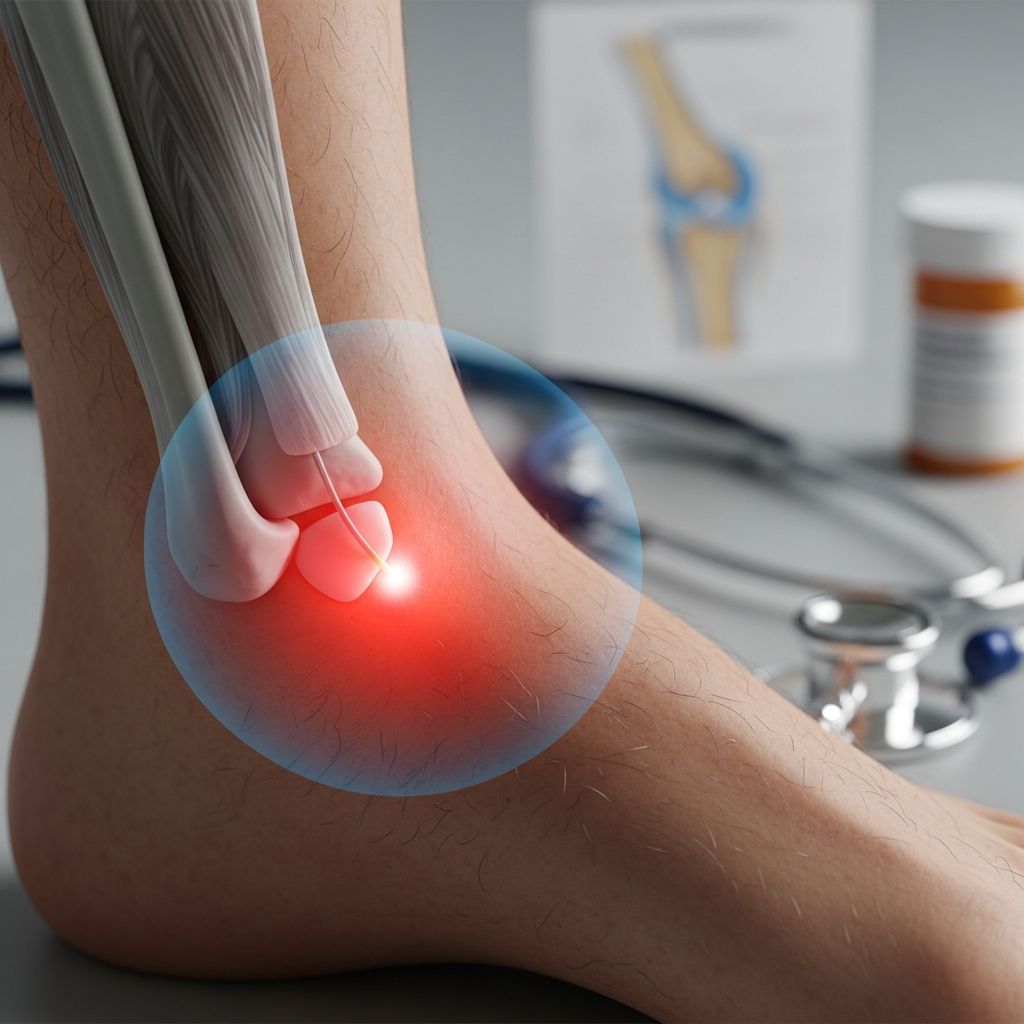
Tendonitis, also known as tendinitis, is a condition characterized by inflammation of the tendons that connect your muscles to your bones. This inflammatory response occurs when tendons become irritated or stressed, leading to pain, swelling, and reduced mobility in the affected area. Tendons are tough, fibrous cords that play a crucial role in transmitting the force generated by your muscles to your bones, enabling movement and physical activity. When these structures become inflamed, even simple daily movements can become challenging and uncomfortable.
The condition is particularly common among individuals who engage in repetitive activities or sports, though anyone can develop tendonitis under the right circumstances. Understanding this condition is essential for early recognition and appropriate treatment, as untreated tendonitis can progress to more serious complications.
What Causes Tendonitis?
Tendonitis develops through various mechanisms, with repetitive activities being the most common culprit. When you perform the same motion repeatedly, the tendons in that area experience cumulative stress and microtrauma, leading to inflammation over time.
Repetitive Activities Associated with Tendonitis
Certain occupations and hobbies significantly increase the risk of developing tendonitis. These include:
- Tennis and racquet sports
- Swimming and overhead throwing activities
- Typing and computer work
- Construction work and manual labor
- Gardening and landscaping
- Running and distance sports
- Activities requiring repetitive gripping or twisting motions
Underlying Medical Conditions
Beyond repetitive activities, certain medical conditions can predispose individuals to tendonitis development. These underlying conditions include rheumatoid arthritis, which causes systemic inflammation affecting multiple joints and tendons; diabetes, which can weaken connective tissues; and other autoimmune or inflammatory disorders that affect the body’s tissues.
Additional Risk Factors
Several other factors increase your likelihood of developing tendonitis:
- Age-related changes in tendon quality and elasticity
- Poor posture and ergonomic practices
- Sudden increases in activity intensity or frequency
- Inadequate warm-up before physical activity
- Using improper technique during sports or exercise
- Wearing inappropriate or worn-out footwear
- Previous tendon injuries or conditions
Recognizing the Symptoms of Tendonitis
Tendonitis presents with a variety of symptoms that vary depending on which tendon is affected and the severity of the inflammation. Early recognition of these symptoms allows for prompt treatment and prevention of progression.
Common Symptoms
Most individuals with tendonitis experience the following signs:
- Pain and tenderness localized to the affected tendon
- Swelling and inflammation in the affected area
- Stiffness, particularly in the morning or after periods of inactivity
- Weakness in the affected limb or joint
- Reduced range of motion and flexibility
- Difficulty performing specific movements or activities
- Mild to severe discomfort that worsens with activity
Variations by Location
The specific symptoms and their severity can vary depending on which tendon is affected. Achilles tendonitis typically causes heel pain and difficulty walking or climbing stairs. Shoulder tendonitis results in shoulder pain and limited arm movement. Tennis elbow and golfer’s elbow cause pain on the inner or outer aspect of the elbow, respectively.
Related Stories



Potential Complications of Untreated Tendonitis
If left untreated, tendonitis can progress to more serious conditions that significantly impact your quality of life and physical capabilities. Understanding these potential complications emphasizes the importance of early treatment.
- Chronic tendonitis that becomes long-lasting and difficult to treat
- Tendon rupture, where the tendon partially or completely tears
- Permanent weakness or loss of function in the affected area
- Development of scar tissue that restricts movement
- Progression to tendinosis, a degenerative condition of the tendon
- Chronic pain that interferes with daily activities and quality of life
How is Tendonitis Diagnosed?
Accurate diagnosis of tendonitis involves a comprehensive evaluation combining patient history, physical examination, and imaging tests to confirm the diagnosis and determine the severity.
Medical History and Physical Examination
Your healthcare provider will begin by taking a detailed medical history, asking about your symptoms, when they started, and any recent changes in your daily routine or activities. They’ll inquire about your occupation, hobbies, exercise habits, and any previous injuries. During the physical examination, your provider will perform specific tests to assess your range of motion, strength, and areas of tenderness. They’ll palpate the affected tendon and surrounding tissues to identify inflammation and determine the exact location of the pain.
Imaging Tests
While many cases of tendonitis can be diagnosed based on physical examination alone, imaging tests help confirm the diagnosis and assess the extent of inflammation. Common imaging modalities include:
- Ultrasound imaging, which uses sound waves to visualize soft tissues and tendons
- Magnetic Resonance Imaging (MRI), which provides detailed cross-sectional images of the tendon and surrounding structures
- X-rays, which may reveal bone spurs or calcifications associated with chronic tendonitis
- Computed Tomography (CT) scans, used in complex cases to assess structural damage
Treatment Strategies for Tendonitis
Treatment for tendonitis follows a progressive approach, starting with conservative, non-invasive methods and advancing to more intensive interventions if initial treatment proves insufficient.
Initial Conservative Treatment (First Three Weeks)
The first phase of treatment focuses on reducing pain and inflammation while protecting the affected tendon from further injury:
- Rest and activity modification to reduce stress on the tendon
- Ice application to decrease inflammation and numb pain
- Compression wrapping to reduce swelling
- Elevation of the affected limb to minimize swelling
- Over-the-counter nonsteroidal anti-inflammatory drugs (NSAIDs) for pain management
- Immobilization with splints, braces, or straps to limit movement
- Wearing appropriate supportive footwear or using cushioned inserts
Advanced Treatment Options (If No Improvement After Three Weeks)
If symptoms persist beyond three weeks despite conservative care, your healthcare provider may recommend additional treatment modalities:
- Physical therapy and structured rehabilitation exercises to restore strength and flexibility
- Prescription-strength NSAIDs or topical anti-inflammatory medications
- Corticosteroid injections to reduce inflammation and pain
- Platelet-Rich Plasma (PRP) therapy or other regenerative medicine approaches
- Shockwave therapy to stimulate healing in the tendon
- Surgical intervention if conservative treatments fail or if the tendon is significantly damaged
Physical Therapy and Rehabilitation
Physical therapy plays a crucial role in tendonitis recovery, particularly for persistent cases. A physical therapist will prescribe specific exercises designed to strengthen the affected tendon and surrounding muscles while improving flexibility and range of motion. Treatment typically begins with gentle stretching and low-impact exercises, progressing to more challenging strengthening activities as healing progresses. Eccentric exercises, which involve lengthening the muscle under tension, are particularly effective for tendon injuries and are often incorporated into rehabilitation programs.
Surgical Treatment
Surgery is typically considered only when conservative treatments have failed to provide relief or when the tendon has sustained significant damage. Surgical procedures may involve removing inflamed tissue, repairing tendon tears, or debriding damaged tendon material. Recovery from tendon surgery requires an extended rehabilitation period and gradual return to normal activities.
Managing Side Effects and Complications
Before beginning treatment, discuss potential side effects with your healthcare provider. NSAIDs can cause gastrointestinal upset, increased bleeding risk, or allergic reactions in some individuals. Corticosteroid injections may cause temporary pain at the injection site or, rarely, tendon weakening with repeated use. Physical therapy exercises might cause temporary increases in pain during the initial healing phase. Your healthcare provider will help you weigh the benefits and risks of each treatment option.
Prevention Strategies for Tendonitis
While not all cases of tendonitis can be prevented, implementing certain lifestyle modifications can significantly reduce your risk of developing this condition:
- Maintain proper posture and ergonomic positioning during work and daily activities
- Use appropriate equipment that fits correctly and suits your body proportions
- Warm up thoroughly before engaging in physical activity or sports
- Gradually increase the intensity and duration of new activities
- Take regular breaks during repetitive activities to rest affected tendons
- Perform stretching and strengthening exercises to maintain tendon health
- Wear supportive footwear appropriate for your activities
- Address pain or discomfort early rather than continuing to push through it
Frequently Asked Questions About Tendonitis
Q: How long does it typically take for tendonitis to heal?
A: Most cases of acute tendonitis improve within three to six weeks with appropriate conservative treatment. However, chronic cases may take several months or longer to fully resolve, particularly if underlying conditions contribute to the problem.
Q: Can tendonitis recur after treatment?
A: Yes, tendonitis can recur, especially if you return to the activities that caused it without implementing proper preventive measures. Gradually returning to activities, maintaining strength and flexibility, and using proper technique significantly reduce recurrence risk.
Q: Is it safe to continue exercising with tendonitis?
A: Modified, low-impact exercise is often beneficial during tendonitis treatment, but high-impact activities that stress the affected tendon should be avoided. Your healthcare provider or physical therapist can recommend appropriate exercises that promote healing without exacerbating the condition.
Q: Can tendonitis be cured permanently?
A: Most cases of tendonitis respond well to conservative treatment and resolve completely. However, chronic or severe cases may result in persistent symptoms that require ongoing management. Proper prevention strategies can minimize the risk of chronic or recurrent tendonitis.
Q: When should I see a healthcare provider for tendonitis?
A: You should consult a healthcare provider if you experience persistent tendon pain lasting more than a few days, pain that interferes with daily activities, or pain accompanied by significant swelling or loss of function. Early intervention often leads to faster recovery.
References
- Tendonitis: Symptoms, Causes & Treatment — Cleveland Clinic. 2024. https://my.clevelandclinic.org/health/diseases/10919-tendonitis
- Achilles Tendinitis: Symptoms & Treatment — Cleveland Clinic. 2024. https://my.clevelandclinic.org/health/diseases/21553-achilles-tendinitis
- Shoulder Tendonitis: Symptoms & Treatment — Cleveland Clinic. 2024. https://my.clevelandclinic.org/health/diseases/shoulder-tendonitis
- Foot Tendonitis: Causes, Symptoms, Treatment & Prevention — Cleveland Clinic. 2024. https://my.clevelandclinic.org/health/diseases/22378-foot-tendonitis
- Tendinopathy: What It Is, Symptoms, Causes & Treatment — Cleveland Clinic. 2024. https://my.clevelandclinic.org/health/diseases/22289-tendinopathy
- Physical or Occupational Therapy in Cleveland for Tendonitis Guide — Therapy Specialists Inc. https://www.therapy-specialists.com/article.php?aid=4605
Similar Articles








Read full bio of medha deb