Tennis Elbow Guide: Expert Treatment, Prevention, And Care
Comprehensive insights into tennis elbow: from symptoms and causes to proven treatments and prevention strategies for lasting relief.
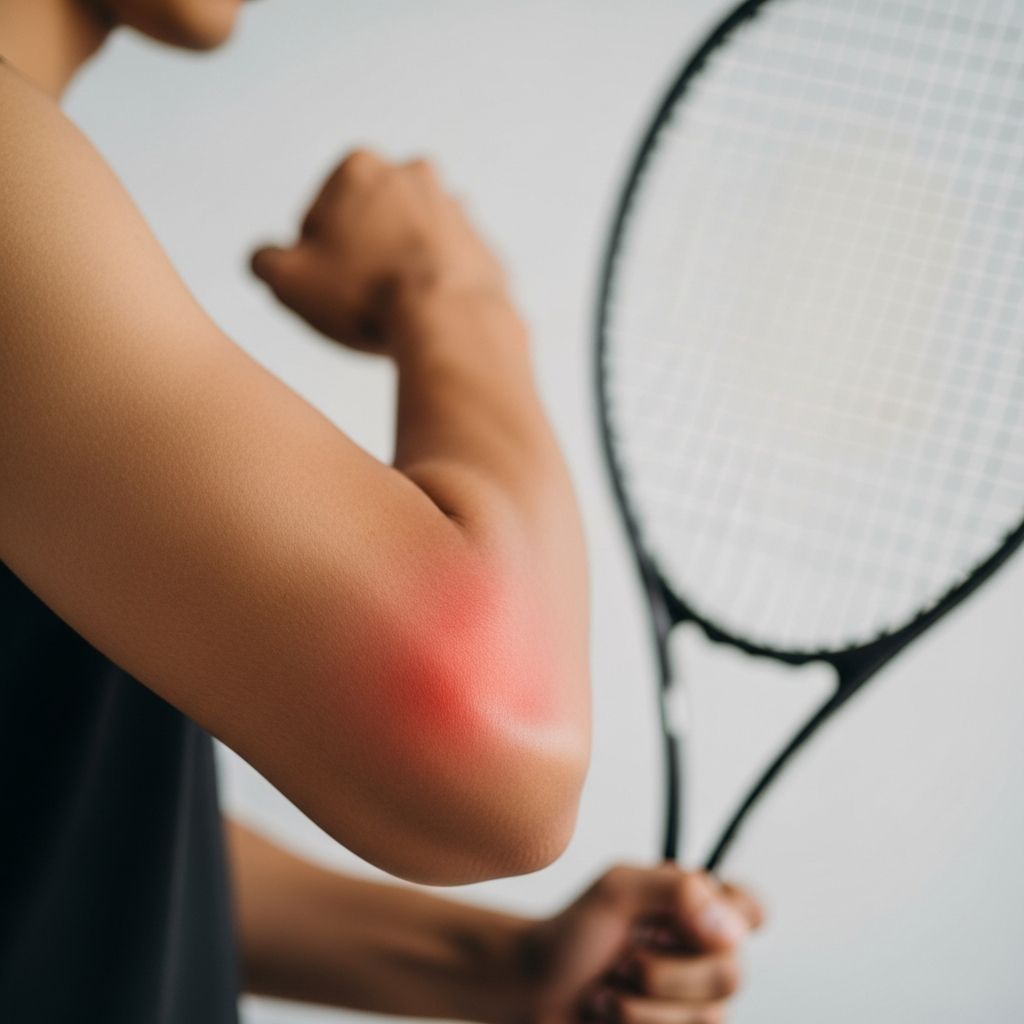
Lateral epicondylitis, commonly called tennis elbow, involves pain and inflammation at the outer elbow where forearm tendons attach to bone. It arises from repetitive wrist extension and gripping motions, affecting athletes and non-athletes alike.
Recognizing the Signs of Tennis Elbow
The hallmark of tennis elbow is tenderness and aching pain on the lateral elbow bump, often radiating to the forearm and wrist. Pain intensifies with gripping objects, lifting, or twisting the forearm, such as turning a doorknob or wielding tools.
- Primary symptoms: Localized pain worsens with activity; forearm muscle weakness hampers daily tasks like holding a coffee cup.
- Progression: Starts as mild discomfort after exertion, escalating to constant ache if unaddressed.
- Associated issues: Stiffness in the morning or after inactivity; reduced grip strength impacting work or sports.
Over 90% of cases stem from non-tennis activities, highlighting its broad prevalence beyond sports.
Root Causes and Risk Factors
Tennis elbow develops from micro-tears in the extensor carpi radialis brevis tendon due to cumulative stress. Repetitive forearm supination or pronation overloads these tissues, leading to degeneration rather than acute injury.
| Activity Type | Examples | Risk Level |
|---|---|---|
| Sports | Tennis backhand, golf swings, rowing | High (poor technique amplifies) |
| Work/Trade | Painting, plumbing, meat cutting, typing | High (daily repetition) |
| Daily Tasks | Screwdriver use, mouse clicking, cooking prep | Moderate |
Less common triggers include sudden trauma or connective tissue disorders. Ages 30-50 see peak incidence, with men and women equally affected.
Initial Self-Care Strategies
Early intervention with conservative measures resolves most cases within weeks to months. Prioritize rest to halt further tendon damage.
- RICE protocol: Rest the arm, apply Ice 15-20 minutes several times daily, use Compression bandages, and Elevate when possible.
- Pain management: NSAIDs like ibuprofen reduce inflammation and discomfort; follow dosage guidelines.
- Activity adjustment: Modify grips, take frequent breaks, use ergonomic tools to lessen strain.
Avoid complete immobilization initially, as gentle movement promotes healing.
Professional Treatment Approaches
If symptoms persist beyond 6 weeks, seek medical evaluation. Diagnosis involves physical exams like the Cozen’s test, where resisted wrist extension reproduces pain.
Physical Therapy Essentials
Therapists design programs focusing on eccentric strengthening to rebuild tendon resilience. Sessions incorporate stretches, massage, and modalities like ultrasound.
- Stretches: Wrist flexor/extensor holds for 30 seconds, 3-5 reps.
- Strengthening: Progressive resistance with therapy bands or weights.
- Adjuncts: Ice, electrical stimulation, athletic taping for support.
Bracing and Immobilization Techniques
Counterforce braces applied just below the elbow offload the tendon during activity. Wrist splints limit extension more effectively than elbow braces, often for 4-12 weeks.
Injection Therapies
For stubborn inflammation, corticosteroid shots provide short-term relief but risk weakening tendons long-term. Platelet-rich plasma (PRP) injections harness growth factors from your blood to accelerate repair, showing promise in chronic cases.
Related Stories



Other options include prolotherapy or Botox, though evidence varies.
Advanced Non-Surgical Options
Extracorporeal shockwave therapy delivers acoustic waves to stimulate healing. Dry needling targets trigger points in the tendon.
Surgical Interventions for Persistent Cases
Less than 10% require surgery after 6-12 months of failed conservative care. Procedures remove degenerated tissue or release the tendon via open, arthroscopic, or percutaneous methods.
- Recovery timeline: 4-6 months post-op with physical therapy emphasis.
- Risks: Infection, nerve damage, temporary grip loss.
Minimally invasive techniques reduce recovery time compared to traditional surgery.
Preventing Tennis Elbow Recurrence
Proactive habits minimize risk. Incorporate forearm conditioning into routines and correct poor form in sports.
- Use proper equipment: Lighter rackets, ergonomic keyboards.
- Build strength gradually: Incorporate wrist curls and extensions 2-3 times weekly.
- Workplace ergonomics: Adjust chair height, use padded handles.
Monitor for early signs and rest promptly to avoid progression.
Lifestyle Adjustments for Long-Term Elbow Health
Beyond prevention, maintain overall musculoskeletal health through balanced exercise, nutrition rich in collagen-supporting vitamins (C, D), and stress management to reduce muscle tension.
Frequently Asked Questions (FAQs)
How long does tennis elbow typically last?
Most improve in 6-12 months with treatment; self-limiting in milder cases within weeks.
Is tennis elbow only for tennis players?
No, over 90% of cases arise from occupational or daily repetitive tasks.
Can I continue exercising with tennis elbow?
Yes, with modifications: Avoid aggravating motions, focus on lower body or unaffected arm.
Are steroid injections safe for tennis elbow?
They offer temporary relief but may impair tendon healing; PRP is a regenerative alternative.
When should I see a doctor for elbow pain?
If pain persists over a week, weakens grip, or follows injury.
Choosing the Right Specialist
Start with a primary care provider or orthopedist. Sports medicine specialists excel for athletes; physical therapists handle rehab.
References
- Tennis Elbow – Symptoms, Causes, and Treatment Options — Saginaw Institute for Non-Surgical Medicine. 2024-08-18. https://saginimd.com/2024/08/18/tennis-elbow-symptoms-causes-and-treatment-options/
- 5 Effective Treatments for Tennis Elbow — North Point Orthopaedics. Accessed 2026. https://northpointortho.com/5-effective-treatments-for-tennis-elbow/
- Tennis Elbow (Lateral Epicondylitis): Treatment & Symptoms — Cleveland Clinic. Accessed 2026. https://my.clevelandclinic.org/health/diseases/7049-tennis-elbow-lateral-epicondylitis
- Tennis elbow – Diagnosis and treatment — Mayo Clinic. Accessed 2026. https://www.mayoclinic.org/diseases-conditions/tennis-elbow/diagnosis-treatment/drc-20351991
- Tennis elbow – symptoms, causes and treatment — healthdirect.gov.au (Australian Government). Accessed 2026. https://www.healthdirect.gov.au/tennis-elbow
- Tennis elbow — NHS.uk (UK Government). Accessed 2026. https://www.nhs.uk/conditions/tennis-elbow/
- Tennis elbow – Symptoms and causes — Mayo Clinic. Accessed 2026. https://www.mayoclinic.org/diseases-conditions/tennis-elbow/symptoms-causes/syc-20351987
Similar Articles








Read full bio of Sneha Tete