Tension Headache Complete Guide: Symptoms, Causes & Relief
Understand tension headaches: symptoms, causes, treatments, and prevention strategies for effective relief.
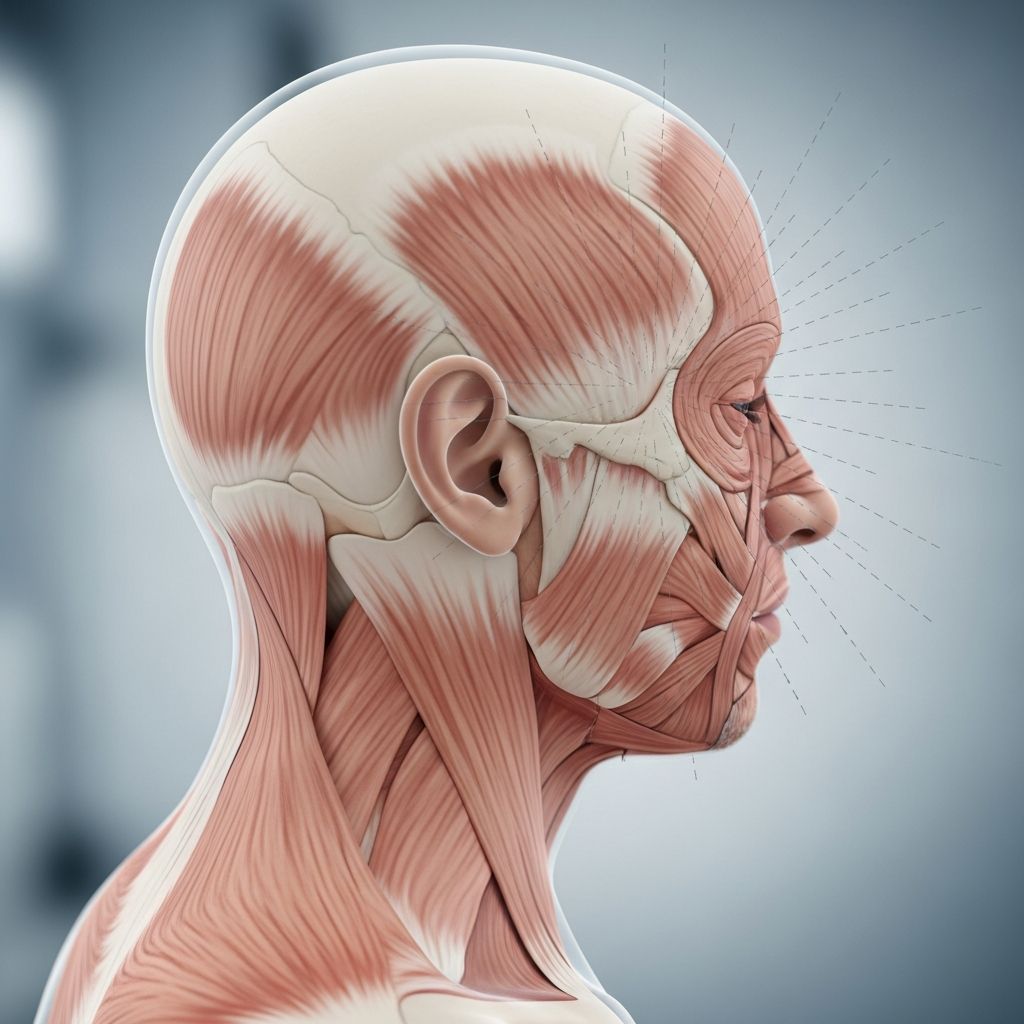
Tension headaches, also known as tension-type headaches, are the most prevalent form of primary headache, affecting over 70% of people at some point. They manifest as a dull, pressure-like pain often described as a tight band around the head, primarily impacting the forehead, temples, scalp, and neck.
What Is a Tension Headache?
A
tension headache
feels like a tight band wrapped around your head, exerting pressure on the forehead, temples, and sometimes the back of the neck or shoulders. Unlike migraines, this pain is typically non-throbbing, mild to moderate, and bilateral, not worsening with routine physical activity.Healthcare providers classify them into two main types based on frequency:
- Episodic tension headaches: Occur fewer than 15 days per month, lasting from 30 minutes to 7 days per episode. These are the most common, experienced by more than 70% of individuals occasionally.
- Chronic tension headaches: Happen on 15 or more days per month for at least 3 months (or 180 days per year). Affecting up to 4% of the population, they are more prevalent in women (up to 65% of cases) and can significantly impair daily life, work, and family responsibilities.
Tension headaches stem from muscle tension in the head, neck, and shoulders, often triggered by stress. They differ from secondary headaches caused by underlying conditions like infections or injuries.
Symptoms of Tension Headaches
The hallmark symptom is a
dull, aching pressure
resembling a vise or tight band encircling the head. Pain is usually bilateral, affecting both sides, and concentrates in the temples, forehead, scalp, or neck.Common symptoms include:
- Mild to moderate intensity pain that builds slowly.
- Tenderness in scalp, neck, and shoulder muscles (pericranial muscle tenderness).
- Tightness or pressure, not pulsating like migraines.
- Occasional mild nausea, photophobia (light sensitivity), or phonophobia (sound sensitivity), but no more than one of these in chronic cases per IHS criteria.
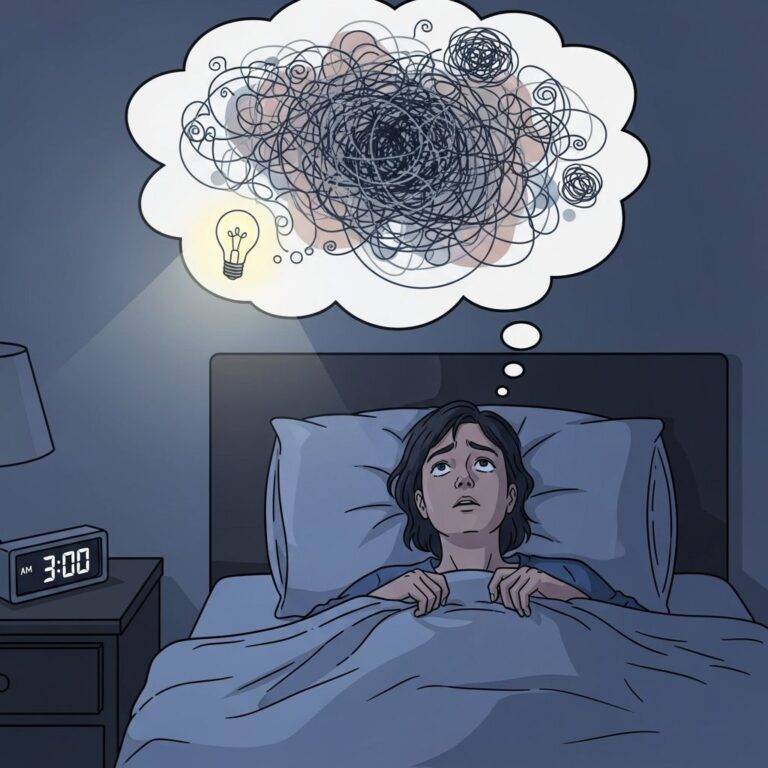
Episodes last 30 minutes to a week; chronic forms feel constant. Unlike migraines, they rarely cause vomiting, aura, or severe throbbing. Sleep disturbances may occur due to discomfort.
Causes and Risk Factors
The exact cause remains unclear, but tension headaches likely arise from a combination of muscular and neurological factors. Muscle contraction in the neck and scalp, triggered by stress, leads to pain referral to the head.
Key triggers and risk factors:
- Stress: Emotional or physical stress causes muscle tightening.
- Posture: Prolonged positions like computer work, microscope use, or awkward neck sleeping.
- Lifestyle factors: Eye strain, jaw clenching/teeth grinding (bruxism), fatigue, overexertion, excessive smoking, alcohol, caffeine excess/withdrawal.
- Illnesses: Colds, flu, sinus infections.
- Demographics: More common in women; family history in 40% of chronic cases; onset before age 10 in 15%; prevalence decreases with age.
Related Stories



Chronic forms may evolve from untreated episodic headaches, potentially leading to medication overuse if mismanaged.
How Are Tension Headaches Diagnosed?
Diagnosis is primarily clinical, based on history and symptoms matching International Headache Society (IHS) criteria: bilateral pressing/tightening pain (non-pulsating), mild/moderate intensity, not worsening with activity, with minimal accompanying features.
Providers ask about:
- Frequency, duration, location, and pain quality.
- Triggers, medical history, medications.
- Associated symptoms like nausea or sensitivities.
Physical exam checks for trigger points in neck/shoulder muscles; neurological tests rule out other issues. Imaging or labs are unnecessary unless red flags (e.g., sudden severe pain, neurological deficits) suggest secondary causes.
Tension Headache Treatment
Treatment tiers from self-care to medical interventions, focusing on pain relief and trigger management.
Home Remedies and OTC Options
- Rest in a quiet, dark room.
- Apply heat/ice packs to neck/shoulders.
- Massage tense areas (scalp, temples, neck base).
- OTC pain relievers: Ibuprofen, acetaminophen, aspirin (aspirin-acetaminophen-caffeine combos effective).
Prescription and Advanced Therapies
For frequent/chronic cases:
- Preventive meds: Antidepressants (e.g., amitriptyline), muscle relaxants.
- Therapies: Biofeedback, cognitive behavioral therapy (CBT), physical therapy, acupuncture.
- Avoid overuse to prevent rebound headaches.
| Treatment Type | Best For | Examples |
|---|---|---|
| OTC Analgesics | Episodic | Ibuprofen (400-600mg), Acetaminophen |
| Preventives | Chronic | Amitriptyline, Venlafaxine |
| Non-Drug | All | Biofeedback, PT, Stress reduction |
Tension Headache Prevention
Preventing tension headaches centers on stress reduction and lifestyle tweaks. Effective strategies include:
- Stress management: Exercise, meditation, yoga, deep breathing, hobbies.
- Posture/ergonomics: Proper workstation setup, regular breaks, neck stretches.
- Sleep hygiene: 7-9 hours nightly, consistent schedule.
- Diet: Regular meals, hydrate, limit caffeine/alcohol.
- Activity: Daily exercise, avoid triggers like eye strain.
Incorporate sustainable habits for long-term relief.
When to See a Doctor or Go to the ER
Most episodic tension headaches resolve with home care. Seek medical help if:
- Headaches are frequent (chronic) or worsening.
- OTC meds fail after a few hours.
- New symptoms: vision changes, weakness, confusion.
ER immediately for:
- Sudden “thunderclap” severe headache.
- Headache with fever, stiff neck, seizures, trauma.
- Worst-ever headache or neurological signs (slurred speech, numbness).
Frequently Asked Questions (FAQs)
What does a tension headache feel like?
It feels like a tight band or vise around the head, with dull pressure in forehead, temples, or neck—non-throbbing and bilateral.
How long do tension headaches last?
Episodic: 30 minutes to 7 days; chronic: 15+ days/month for 3+ months, often continuous.
Are tension headaches caused by stress?
Yes, stress triggers muscle tension in neck/scalp, but other factors like posture and fatigue contribute.
Can tension headaches be cured?
They are manageable; episodic ones often resolve with lifestyle changes, chronic may need ongoing therapy/meds.
What’s the difference between tension headache and migraine?
Tension: Dull pressure, no throbbing/nausea/aura; migraine: Pulsating, unilateral, with nausea/photophobia.
References
- Tension Headache: What It Is, Causes, Symptoms & Treatment — Cleveland Clinic. 2023. https://my.clevelandclinic.org/health/diseases/8257-tension-headaches
- Tension headache: MedlinePlus Medical Encyclopedia — MedlinePlus (NIH). 2023-10-13. https://medlineplus.gov/ency/article/000797.htm
- Headache (chronic tension-type) — PMC – NIH. 2016-01-01. https://pmc.ncbi.nlm.nih.gov/articles/PMC4747324/
Similar Articles








Read full bio of Sneha Tete