Understanding Tension Headaches: Causes, Relief, and Prevention
Learn what causes tension headaches and discover effective treatment and prevention strategies.
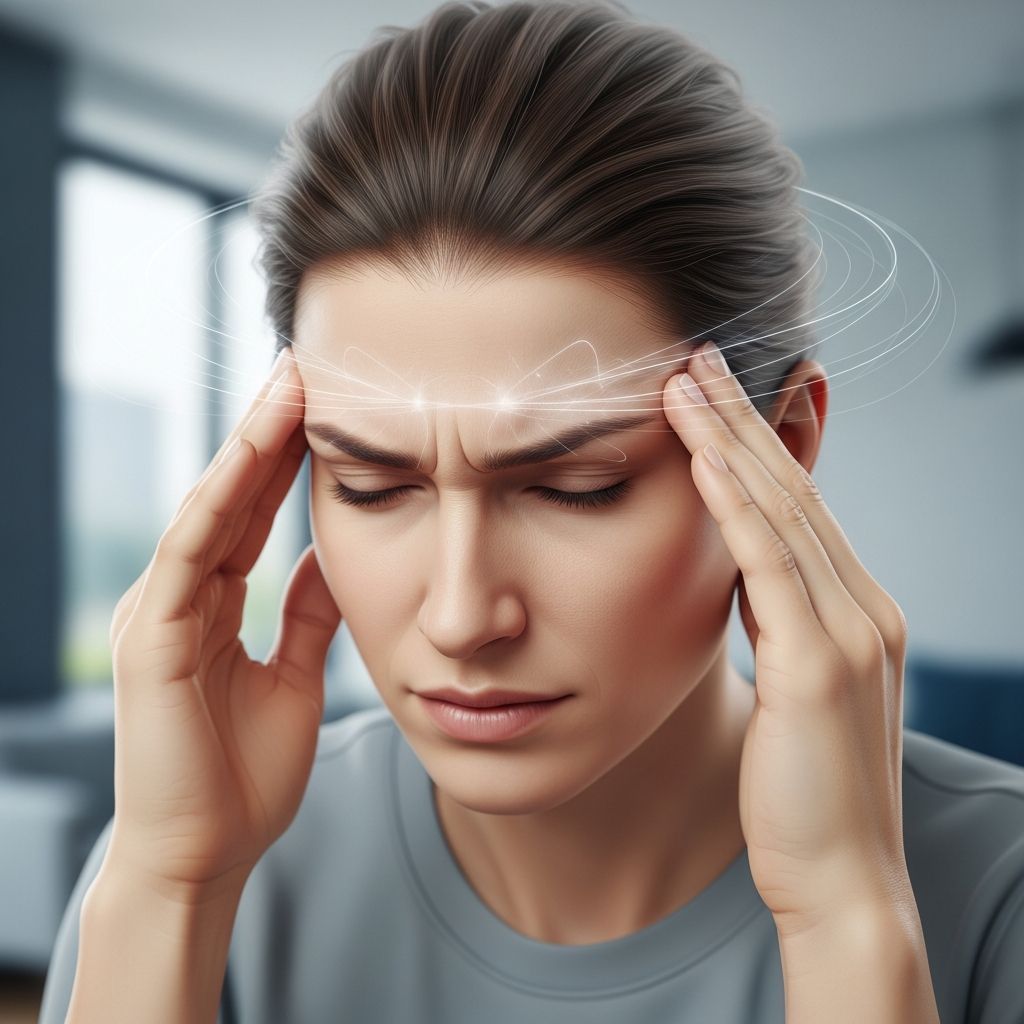
Tension headaches represent the most prevalent form of headache experienced by the general population. Unlike migraines or cluster headaches, tension headaches are typically characterized by a dull, pressing sensation across the head and neck region. While often manageable through self-care measures, understanding the underlying mechanisms and available treatment options can significantly improve quality of life for those who experience them regularly.
The Nature of Tension Headaches
Tension headaches, also known as tension-type headaches, are often described as a band-like pressure sensation that encircles the head. The discomfort typically develops gradually and may persist for periods ranging from thirty minutes to an entire week, though some individuals with chronic tension headaches experience persistent symptoms that create a constant background of pain and pressure.
Contrary to traditional medical thinking, tension headaches are not primarily caused by muscle contractions in the scalp, face, or neck region. Rather, current research indicates that individuals prone to tension headaches possess an increased sensitivity to pain signals. This heightened pain sensitivity may explain why muscle tenderness frequently accompanies these headaches, as the body’s pain processing system becomes more reactive to normal muscle tension.
What Triggers Your Tension Headaches
Multiple factors can precipitate the onset of tension headaches. The most frequently identified trigger is psychological stress, which remains the leading cause reported by sufferers. However, several other contributors commonly lead to these headaches:
- Inadequate Sleep: Insufficient or poor-quality sleep disrupts the body’s natural pain regulation mechanisms.
- Postural Problems: Prolonged periods of poor posture, particularly during desk work or screen use, create muscle tension in the neck and shoulders.
- Sleep Disorders: Conditions like insomnia can exacerbate tension headache frequency and severity.
- Caffeine Consumption: Excessive caffeine intake or sudden changes in consumption patterns may trigger headaches.
- Medication Overuse: Paradoxically, frequent use of pain relievers can actually increase headache frequency, a phenomenon known as rebound headaches.
Recognizing Symptoms and Patterns
The typical presentation of a tension headache differs markedly from other headache types. Most individuals describe the sensation as a dull, pressing, or tight pain rather than a throbbing sensation. The pain typically occurs on both sides of the head and may extend from the forehead to the back of the neck.
Unlike migraines, tension headaches generally do not produce nausea, vomiting, or sensitivity to light. The symptom profile tends to be consistent across episodes, allowing individuals to recognize their headaches and distinguish them from other conditions. For those experiencing chronic tension headaches, the challenge becomes the relentless nature of the pain, which can significantly impact daily functioning and quality of life.
Immediate Relief Strategies
When a tension headache strikes, several evidence-based approaches can provide relatively quick relief. The most accessible and effective options include pharmaceutical interventions and physical therapies.
Over-the-Counter Medications
Over-the-counter pain relievers constitute the first line of treatment for most tension headache sufferers. Research demonstrates that both nonsteroidal anti-inflammatory drugs (NSAIDs) and acetaminophen effectively reduce headache symptoms. Studies comparing these options reveal that ibuprofen, a common NSAID, proves more effective than acetaminophen for many individuals. Aspirin represents another viable option that many patients find helpful.
Related Stories



Combination pain relievers that include caffeine may offer enhanced relief, though frequent use of these medications should be avoided to prevent the development of medication overuse headaches. The general recommendation is to limit analgesic use to no more than twice weekly to prevent progression to chronic daily headache syndrome.
Non-Pharmaceutical Comfort Measures
Physical interventions can provide significant relief without medication:
- Thermal Therapy: Applying heat to the neck and shoulder region relaxes tense muscles, while some individuals prefer cold applications.
- Rest and Relaxation: Taking time to rest in a quiet, darkened environment allows the nervous system to downregulate.
- Breathing Techniques: Slow, deep breathing activates the parasympathetic nervous system and reduces physical tension.
- Massage: Gentle massage of the neck and shoulder muscles can release trigger points and reduce overall tension.
- Physical Adjustments: Using a low, firm pillow and maintaining proper posture during rest supports cervical spine alignment.
Managing Chronic Tension Headaches
When tension headaches become frequent or significantly impair daily functioning, a more comprehensive treatment approach becomes necessary. Prevention and management strategies for chronic cases extend beyond acute pain relief to address underlying susceptibility.
Behavioral and Psychological Interventions
Behavioral therapies have demonstrated substantial effectiveness in reducing both the frequency and intensity of chronic tension headaches. Research indicates that at least half of patients receiving these interventions experience meaningful symptom reduction.
Cognitive Behavioral Therapy (CBT) helps individuals identify stress triggers and develop healthier coping mechanisms. This form of talk therapy teaches practical strategies for managing the psychological factors that contribute to tension headache development.
Biofeedback Training operates through a different mechanism. During biofeedback sessions, devices monitor physiological responses such as muscle tension, heart rate, and blood pressure. Individuals learn to recognize and control these responses, developing the ability to consciously relax muscle tension and slow their heart rate and breathing patterns. This training provides concrete feedback that reinforces the mind-body connection.
Progressive Relaxation and Meditation techniques offer accessible tools for ongoing tension management. Regular practice of these relaxation methods can substantially reduce headache frequency over time.
Preventive Medications
For individuals whose chronic tension headaches require more aggressive treatment, preventive medications may be prescribed. These medications work differently than acute pain relievers, addressing the underlying neurological susceptibility to tension headaches rather than treating pain after it develops.
Tricyclic Antidepressants: Amitriptyline represents the most commonly prescribed preventive medication for chronic tension headaches. Despite its classification as an antidepressant, this medication effectively prevents tension headaches in individuals without depression through its analgesic and pain-modulating properties. The medication increases serotonin levels in the brain, which helps regulate pain transmission circuits. Common side effects include drowsiness, weight gain, and constipation.
Selective Serotonin Reuptake Inhibitors (SSRIs): Medications such as paroxetine, venlafaxine, and fluoxetine have demonstrated efficacy in chronic tension headache prevention, with the advantage of producing fewer side effects than tricyclic antidepressants.
Complementary and Alternative Approaches
Beyond conventional medical interventions, several complementary therapies have shown promise in clinical research. Acupuncture has demonstrated superior outcomes compared to control treatments in tension headache trials, with systematic reviews concluding that acupuncture plays a legitimate role in headache treatment.
Physical Therapy addresses muscular and postural components that may contribute to tension headache development. Therapeutic exercises strengthen supportive muscles and improve postural alignment.
Trigger Point Injections: In some cases, physicians inject numbing medication directly into painful knots or sore spots in the neck and shoulder region, providing targeted relief for localized muscle tension.
Lifestyle Modifications for Prevention
Beyond formal treatment strategies, daily lifestyle adjustments significantly reduce tension headache frequency and severity. These modifications address known triggers and support overall neurological health.
Stress Management: Implementing structured stress reduction techniques such as planning ahead, organizing daily schedules, and creating dedicated relaxation time substantially decreases headache frequency. Time management and prioritization reduce the chronic stress that perpetuates tension headaches.
Physical Activity: Regular exercise reduces both stress and muscle tension while improving overall health and sleep quality. Moderate aerobic activity, flexibility training, and strength exercises all contribute to headache prevention.
Sleep Optimization: Addressing sleep problems through improved sleep hygiene, consistent sleep schedules, and appropriate sleep environment modifications can reduce tension headache frequency. Since sleep deprivation and sleep disorders frequently trigger headaches, prioritizing restorative sleep provides substantial preventive benefit.
Ergonomic Awareness: Evaluating and correcting posture during work and daily activities prevents the accumulation of neck and shoulder tension. Proper monitor height, keyboard position, and chair support reduce strain on the cervical spine.
When to Seek Professional Evaluation
While most tension headaches are self-limiting and manageable through self-care, professional medical evaluation becomes important in certain circumstances. Individuals experiencing frequent headaches—several per week or more—benefit from medical assessment and tailored treatment planning. Additionally, those whose headaches significantly impact work, social activities, or quality of life warrant professional consultation.
Medical professionals can rule out underlying conditions, ensure proper diagnosis, and develop comprehensive treatment plans that may combine medications, behavioral interventions, and lifestyle modifications.
Key Takeaways
- Tension headaches result from increased pain sensitivity rather than muscle contractions alone, and stress represents the primary identifiable trigger.
- Immediate relief typically involves over-the-counter pain relievers or physical comfort measures such as heat application and relaxation techniques.
- Chronic tension headaches require preventive approaches including behavioral therapy, preventive medications, and lifestyle modifications.
- Behavioral interventions like cognitive behavioral therapy and biofeedback demonstrate substantial effectiveness in reducing chronic headache frequency.
- Lifestyle changes addressing stress, sleep quality, physical activity, and posture provide foundational prevention for many individuals.
- Professional evaluation helps establish appropriate diagnosis and develop personalized treatment strategies for frequent or disabling headaches.
References
- Tension-Type Headache: Symptoms, Types and Treatments — American Migraine Foundation. Accessed February 2026. https://americanmigrainefoundation.org/resource-library/tension-type-headache/
- Tension Headache Causes, Symptoms, and Treatments — UPMC. Accessed February 2026. https://www.upmc.com/services/neurology/services/headache-center/tension-headache
- Tension headache – Symptoms and causes — Mayo Clinic. Accessed February 2026. https://www.mayoclinic.org/diseases-conditions/tension-headache/symptoms-causes/syc-20353977
- Tension-Type Headache — American Academy of Family Physicians. 2002-09-01. https://www.aafp.org/pubs/afp/issues/2002/0901/p797.html
- Tension headaches — National Health Service (NHS). Accessed February 2026. https://www.nhs.uk/conditions/tension-headaches/
- Tension headache – Diagnosis and treatment — Mayo Clinic. Accessed February 2026. https://www.mayoclinic.org/diseases-conditions/tension-headache/diagnosis-treatment/drc-20353982
Similar Articles








Read full bio of Sneha Tete