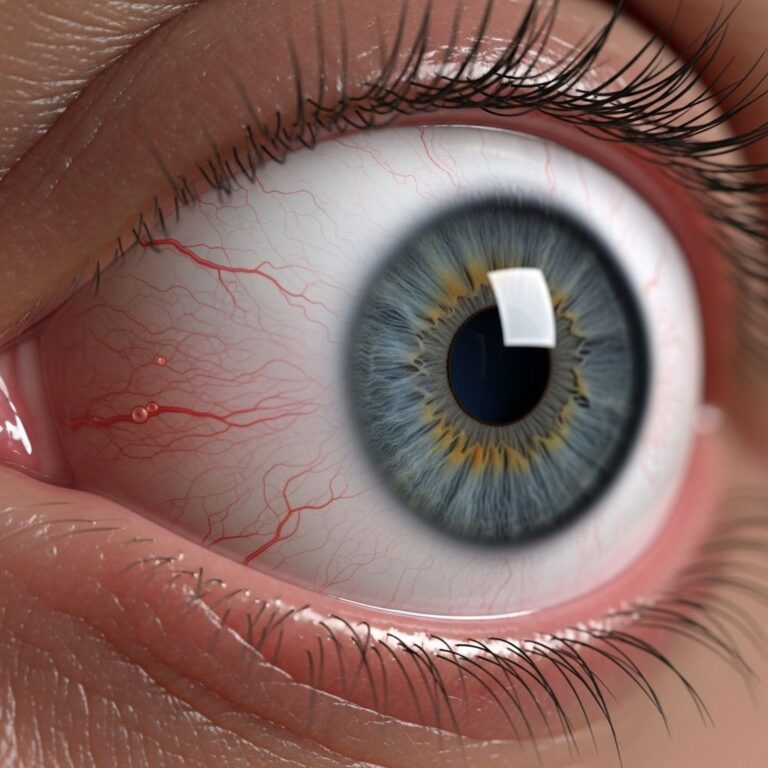
Tepezza: 8-Dose Infusion Course For Moderate-To-Severe TED
Discover how Tepezza offers a nonsurgical breakthrough for thyroid eye disease, easing symptoms without invasive procedures.
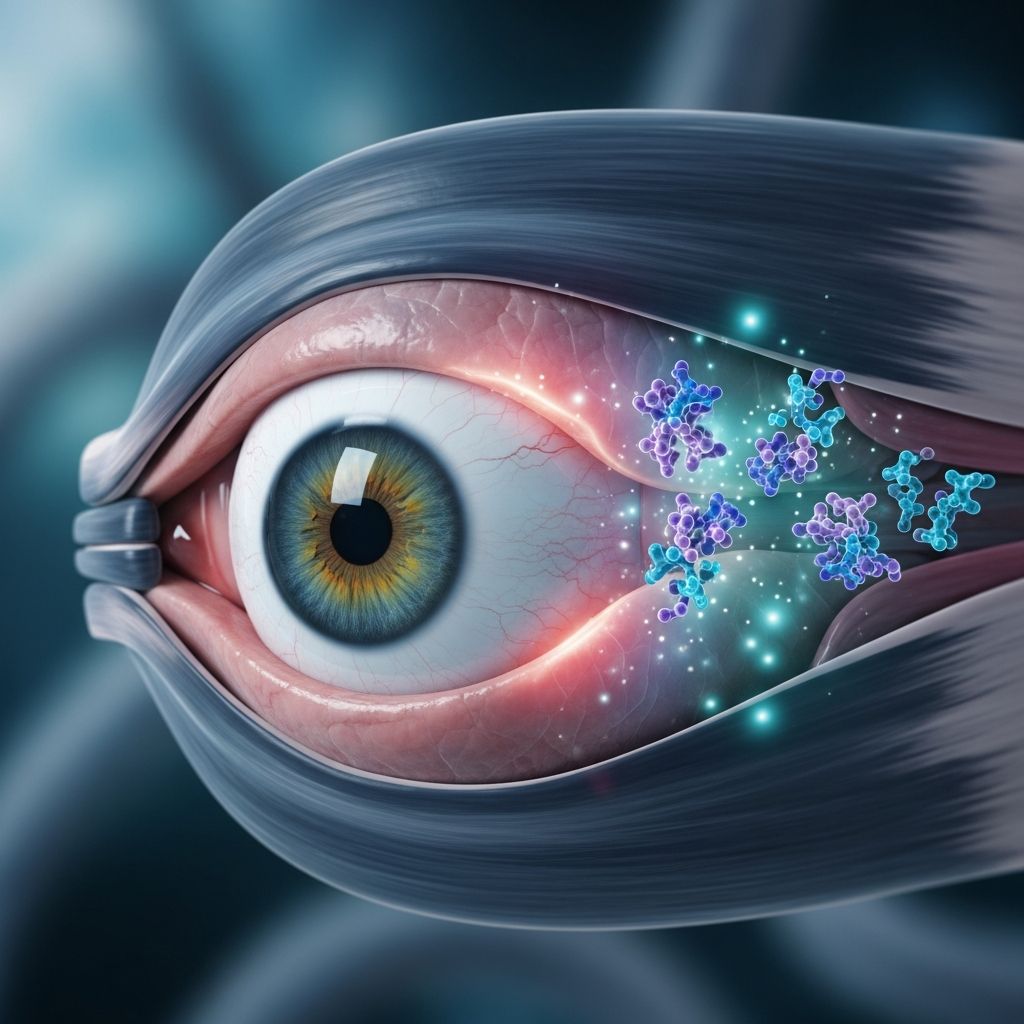
Tepezza represents a significant advancement in managing
thyroid eye disease (TED)
, providing a nonsurgical option that targets the root causes of this debilitating condition associated with Graves’ disease. Unlike traditional interventions requiring surgery, Tepezza offers relief through intravenous infusions, reducing proptosis and improving quality of life for many patients.Understanding Thyroid Eye Disease Fundamentals
**Thyroid eye disease**, also known as Graves’ ophthalmopathy, is an autoimmune disorder where the immune system attacks the tissues and muscles surrounding the eyes. This leads to inflammation, swelling, and characteristic symptoms that can impair vision and alter appearance. TED affects up to 50% of individuals with Graves’ disease, though it can occur independently of thyroid hormone levels.
The condition progresses in phases: an active inflammatory stage lasting 1-3 years, followed by a stable phase where damage may persist. Early recognition is vital, as untreated TED can result in permanent changes like optic nerve compression or vision loss.
Recognizing Key Symptoms of TED
Symptoms of TED vary in severity but often start subtly, mimicking common eye issues like allergies or dry eye syndrome. Common manifestations include:
- Proptosis (bulging eyes): Eyes protrude forward due to increased orbital fat and muscle volume.
- Eyelid retraction: Upper eyelids pull back, exposing more of the eye and causing a startled appearance.
- Dryness and grittiness: A sandy feeling from incomplete eyelid closure and reduced tear production.
- Redness and swelling: Inflammation of conjunctiva (chemosis) and eyelids leads to puffiness.
- Double vision (diplopia): Restricted eye movements from swollen extraocular muscles.
- Light sensitivity (photophobia): Increased exposure of the cornea heightens discomfort.
- Pain or pressure: Deep ache behind the eyes, worsening with movement.
In severe cases, optic neuropathy risks vision impairment, necessitating urgent care. Patients with thyroid disorders should monitor for these signs proactively.
Diagnostic Approaches for Accurate TED Identification
Diagnosing TED involves a multifaceted evaluation beyond thyroid function tests, as symptoms can persist even with normalized hormone levels. Key diagnostic tools include:
- Clinical examination: Assessing eye protrusion, lid position, redness, and motility.
- Exophthalmometry: Measures proptosis using a Hertel instrument for precise quantification.
- Visual acuity and field testing: Detects optic nerve involvement or vision deficits.
- Orbital imaging (CT/MRI): Reveals muscle enlargement and fat expansion, distinguishing TED from mimics like tumors.
- Blood tests: Checks for TSH receptor antibodies (TRAb/TSI), supportive but not definitive.
| Test | Purpose | Key Findings in TED |
|---|---|---|
| Clinical Exam | Visual assessment | Bulging, retraction, diplopia |
| Exophthalmometry | Proptosis measurement | >20mm protrusion |
| Imaging (CT/MRI) | Tissue evaluation | Extraocular muscle swelling |
| Antibody Tests | Autoimmune markers | Elevated TSI/TRAb |
These methods confirm TED per criteria like Bartley’s, requiring eyelid retraction plus thyroid dysfunction or specific eye signs.
Introduction to Tepezza as a Nonsurgical Solution
**Tepezza (teprotumumab)** is the first FDA-approved medication specifically for TED, introduced as an infusion therapy that inhibits IGF-1R receptors on orbital fibroblasts. This blocks autoimmune-driven inflammation and tissue remodeling, addressing TED at its inflammatory core. Administered every three weeks for eight doses, it offers a convenient alternative to surgery for active, moderate-to-severe TED.
Related Stories



How Tepezza Targets TED Pathology
TED’s pathology involves autoantibodies stimulating fibroblasts, leading to glycosaminoglycan production, muscle fibrosis, and fat proliferation. Tepezza binds IGF-1R, reducing these effects and decreasing orbital volume. Clinical trials showed 80% of patients achieving proptosis reduction of at least 2mm, with improvements in diplopia and quality of life.
Unlike steroids, which broadly suppress inflammation with side effects, or radiotherapy, Tepezza provides targeted action, preserving healthy tissues.
Clinical Evidence Supporting Tepezza Efficacy
Pivotal phase 3 trials (OPTIC studies) demonstrated Tepezza’s superiority: 83% response rate vs. 10% placebo for proptosis reduction, plus diplopia resolution in 68% of affected patients. Long-term data indicate sustained benefits up to 2 years post-treatment. Real-world use confirms these outcomes, with specialists noting faster recovery and fewer complications.
Patient Selection and Treatment Protocol
Ideal candidates have active TED (recent progression), proptosis ≥2mm, and diplopia. Contraindications include inflammatory bowel disease or prior IGF-1R exposure. Protocol: 10mg/kg initial dose, then 20mg/kg for seven infusions over 24 weeks, under specialist supervision.
Monitoring includes baseline imaging, thyroid function, and side effect checks like muscle spasms or hearing changes, which are generally mild and transient.
Comparing Tepezza to Conventional TED Therapies
| Therapy | Mechanism | Pros | Cons |
|---|---|---|---|
| Tepezza | IGF-1R inhibition | Nonsurgical, targeted, durable | Infusions, cost |
| Steroids (IVGC) | Anti-inflammatory | Quick onset | Weight gain, osteoporosis |
| Radiotherapy | Tissue modulation | Noninvasive | Vision risks, limited efficacy |
| Surgery | Decompression | Permanent | Invasive, recovery time |
Tepezza excels for active disease, often avoiding escalation to surgery.
Managing Expectations and Side Effects
While effective, Tepezza may cause hyperglycemia (monitor diabetics), gastrointestinal upset, alopecia, or infusion reactions. Most resolve without discontinuation. Patients report improved cosmesis and function, though full effects take months.
Future Directions in TED Management
Ongoing research explores Tepezza combinations, oral alternatives, and biomarkers for personalized therapy. Multidisciplinary care involving endocrinologists and ophthalmologists optimizes outcomes. Smoking cessation and selenium supplementation aid adjunctively.
Frequently Asked Questions (FAQs)
What is the success rate of Tepezza for TED?
Clinical trials report 80-83% of patients achieving significant proptosis reduction.
Can Tepezza cure TED completely?
No, it manages active disease but may not reverse all stable changes; surgery addresses residuals.
How long do Tepezza effects last?
Benefits persist 1-2 years or longer in many, with retreatment options.
Is Tepezza suitable for mild TED?
Primarily for moderate-severe active cases; mild may use lubricants or selenium.
Who administers Tepezza?
Oculoplastic specialists or TED centers experienced in infusions.
References
- How to Test for Thyroid Eye Disease (TED) — Raymond Douglas MD. 2023. https://raymonddouglasmd.com/how-to-test-for-thyroid-eye-disease-ted
- Thyroid Eye Disease — American Thyroid Association. 2024. https://www.thyroid.org/thyroid-eye-disease/
- Thyroid Eye Disease Signs & Symptoms — TED Impact. 2023. https://www.tedimpact.com/thyroid-eye-disease-signs-symptoms
- Thyroid Eye Disease — PMC (National Library of Medicine). 2022-09-09. https://pmc.ncbi.nlm.nih.gov/articles/PMC9462910/
- Thyroid Eye Disease Center — OHSU Casey Eye Institute. 2024. https://www.ohsu.edu/casey-eye-institute/thyroid-eye-disease-center
- Thyroid Eye Disease (Graves’ Eye Disease) — Cleveland Clinic. 2024. https://my.clevelandclinic.org/health/diseases/17558-thyroid-eye-disease
Similar Articles








Read full bio of medha deb