Terbinafine
Comprehensive guide to terbinafine: uses, mechanism, dosage, side effects, and treatment of fungal skin and nail infections.
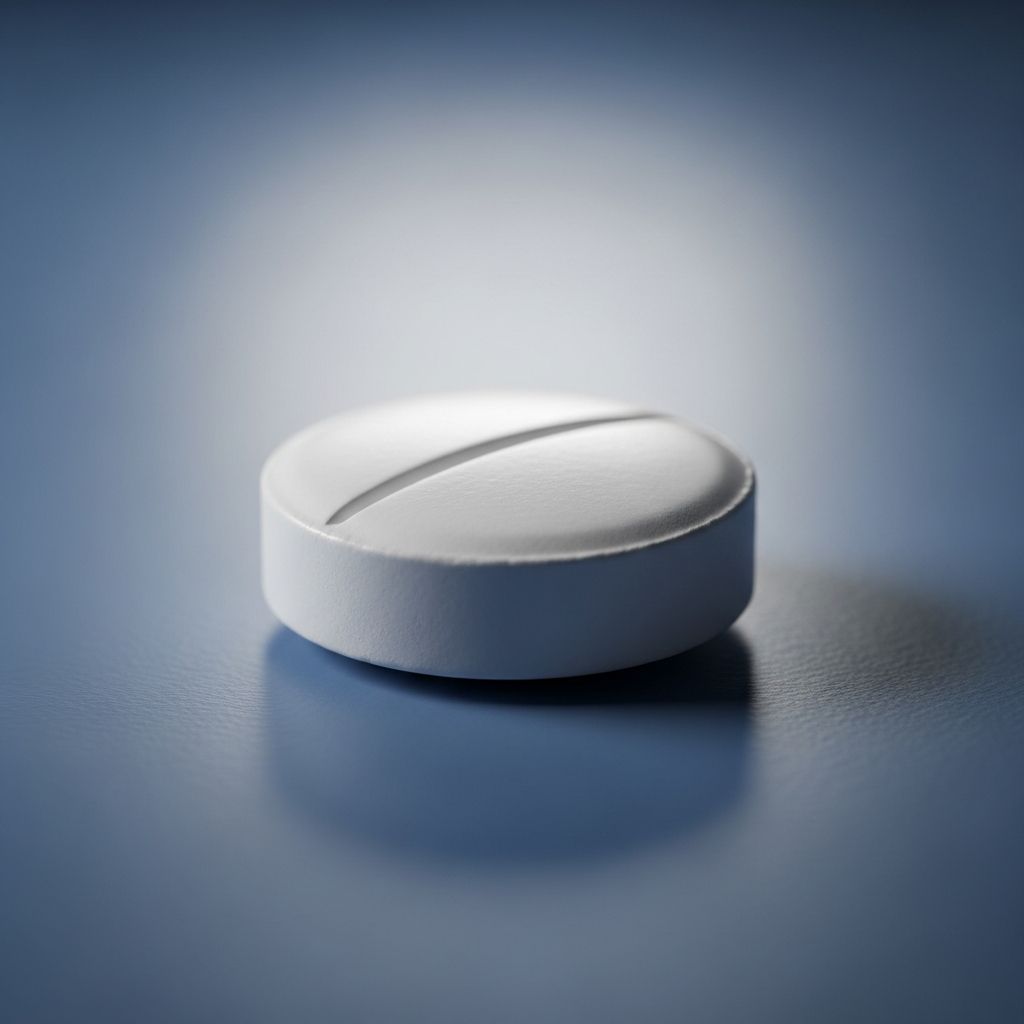
Terbinafine is a synthetic allylamine antifungal agent highly effective against dermatophytes causing skin and nail infections. Available in oral tablets, topical creams, gels, sprays, and granules, it treats conditions like onychomycosis, tinea pedis (athlete’s foot), tinea corporis (ringworm), tinea cruris (jock itch), tinea capitis, pityriasis versicolor, and candidal infections.
What is terbinafine?
Terbinafine hydrochloride (brand name Lamisil®) belongs to the allylamine class of antifungals. It is lipophilic, accumulating in skin, nails, and fatty tissues. Orally administered terbinafine is rapidly absorbed, widely distributed—including to the nail matrix—and persists in nails for months post-treatment.
Mechanism of action
Terbinafine inhibits squalene epoxidase (also called squalene monooxygenase), a key enzyme in fungal ergosterol biosynthesis. This depletes ergosterol in fungal cell membranes (fungistatic) and causes toxic squalene accumulation (fungicidal), leading to fungal cell death. It shows excellent activity against dermatophytes (e.g., Trichophyton spp., Microsporum canis, Epidermophyton floccosum), variable activity against yeasts (Candida, Malassezia), and some non-dermatophyte molds.
Uses of terbinafine
Terbinafine is indicated for fungal infections caused by susceptible organisms:
- Onychomycosis: Fingernail and toenail infections due to dermatophytes (tinea unguium). Oral therapy for proximal subungual, distal lateral subungual (affecting >50% nail plate or thickness >2mm), or ≥3 nails involved.
- Tinea infections: Tinea pedis (athlete’s foot), tinea corporis (ringworm), tinea cruris (jock itch).
- Tinea capitis: Scalp infections, especially in children (granules).
- Pityriasis versicolor: Caused by Malassezia furfur.
- Candidal skin infections: Limited to skin involvement.
Topical formulations treat superficial skin infections; oral for nail/scalp or extensive disease.
Dosage and administration
| Indication | Formulation | Dosage | Duration |
|---|---|---|---|
| Fingernail onychomycosis | Oral tablet | 250 mg once daily | 6 weeks |
| Toenail onychomycosis | Oral tablet | 250 mg once daily | 12 weeks |
| Tinea pedis/corporis/cruris | Oral tablet | 250 mg once daily | 2–4 weeks |
| Tinea capitis (children >4 years) | Granules | 125–250 mg daily (weight-based) | 6 weeks |
| Superficial skin infections | Topical cream/spray | Apply 1–2x daily | 1–4 weeks |
Take oral tablets with or without food. Liver function tests recommended before starting oral therapy. Nail growth continues post-treatment; full effect visible in 3–12 months.
Efficacy
Oral terbinafine outperforms alternatives in dermatophyte onychomycosis. In the Lamisil vs. Itraconazole study, mycologic cure rates were 76–81% (terbinafine) vs. 38–49% (itraconazole) after 12–16 weeks. Complete cure rates ~2x higher. Long-term follow-up (L.I.O.N. study): complete cure 35% (terbinafine) vs. 14% (itraconazole) at 5 years.
A study of 120 toenail patients showed complete cure in 67% (6 weeks), 82% (12 weeks), 85% (24 weeks). Terbinafine is first-line for dermatophyte onychomycosis due to superior efficacy, lower relapse, and cost-effectiveness vs. azoles/griseofulvin.
Side effects
Terbinafine is generally well-tolerated; adverse events in ~10.5% of oral users, mostly mild. Common side effects:
- Gastrointestinal: Nausea, diarrhea, abdominal pain (most frequent).
- Neurologic: Headache, taste disturbance (dysgeusia; 1–3%, rarely permanent, may cause weight loss).
- Dermatologic: Rash, urticaria (topical more common).
- Hepatic: Elevated LFTs (rare); monitor liver function.
Rare serious effects: hepatotoxicity, severe cutaneous reactions (SJS/TEN), neutropenia. Discontinue if symptoms of liver injury (jaundice, fatigue, dark urine). Wide therapeutic index; overdose rare.
Drug interactions
Unlike azoles, terbinafine has low drug-drug interaction potential as it minimally affects CYP450 enzymes. Caution with:
- Cimetidine (reduces clearance).
- Rifampin (increases clearance).
- Drugs metabolized by CYP2D6 (e.g., tricyclics, beta-blockers; weak inhibitor).
Contraindications and precautions
- Active/chronic liver disease.
- Hypersensitivity to terbinafine.
- Pregnancy (Category B; avoid unless essential).
- Breastfeeding (excreted in milk).
- Immunosuppressed patients: monitor closely.
Baseline LFTs; monitor if symptoms arise. Not for non-dermatophyte onychomycosis without confirmation.
Who gets fungal infections treated with terbinafine?
Risk factors: diabetes, immunosuppression, occlusive footwear, communal showers, nail trauma, elderly.
Investigations before prescribing
- Nail infections: KOH prep, fungal culture, nail clippings to confirm dermatophytes.
- Liver: Baseline ALT/AST.
- Skin/scalp: Clinical exam; microscopy/culture if atypical.
Treatment failure and relapse
Failure: non-dermatophyte mold/MNDM, poor adherence, matrix involvement. Relapse ~20–50%; retreat if confirmed. Alternatives: itraconazole, topical + oral combo.
Prevention
- Keep skin/nails dry, breathable footwear.
- Avoid walking barefoot in public areas.
- Treat tinea pedis promptly to prevent onychomycosis.
Frequently asked questions
How long does terbinafine take to work for nail fungus?
Nails improve during treatment; full growth (fingernails 3–6 months, toenails 12 months). Mycologic cure often by end of therapy.
Is terbinafine safe for liver?
Generally yes; rare hepatotoxicity (<0.1%). Get baseline LFTs; report symptoms immediately.
Can terbinafine be used in children?
Granules approved for tinea capitis (>4 years, weight-based). Avoid tablets under 12 years.
Does terbinafine cure toenail fungus permanently?
High cure rates (70–85%), but relapse possible. Superior to alternatives long-term.
What if I miss a dose?
Take as soon as remembered; resume schedule. Do not double.
References
- Terbinafine: a review of its use in onychomycosis in adults — Drugs. 2002-11-22. https://pubmed.ncbi.nlm.nih.gov/12477372/
- Terbinafine: Uses, Interactions, Mechanism of Action — DrugBank Online. 2026 (accessed). https://go.drugbank.com/drugs/DB00857
- Terbinafine — StatPearls [Internet]. NCBI Bookshelf. 2023-08-14. https://www.ncbi.nlm.nih.gov/books/NBK545218/
- About terbinafine — NHS. 2023 (updated). https://www.nhs.uk/medicines/terbinafine/about-terbinafine/
- Terbinafine — MedlinePlus. 2023 (updated). https://medlineplus.gov/druginfo/meds/a699061.html
- Lamisil (terbinafine hydrochloride) tablets label — FDA. 2012. https://www.accessdata.fda.gov/drugsatfda_docs/label/2012/020539s021lbl.pdf
Similar Articles



Read full bio of medha deb