Terbinafine For Fungal Skin Infections: Uses, Dosage, Safety
Comprehensive guide to terbinafine (Lamisil, Scholl Advance) for treating athlete's foot, ringworm, and other fungal skin infections effectively.
About terbinafine
Terbinafine is an antifungal medicine highly effective against dermatophyte infections causing tinea (ringworm) on the skin, such as athlete’s foot, jock itch, and ringworm. It belongs to the allylamine class and works by inhibiting squalene epoxidase, an enzyme essential for fungal cell wall synthesis, leading to ergosterol depletion and fungal cell death. Available as creams, gels, sprays, solutions, and oral tablets, terbinafine targets superficial fungal infections effectively. Brand names include Lamisil and Scholl Advance for topical forms.
Topical terbinafine is suitable for most skin infections, clearing symptoms within 1-2 weeks. Oral forms are reserved for severe cases or nail infections. Studies confirm high efficacy, with 97% good-to-excellent results in skin infections after short-term oral use.
Key facts about terbinafine
- Terbinafine treats fungal skin infections like
athlete’s foot
(tinea pedis),ringworm
(tinea corporis),jock itch
(tinea cruris),pityriasis versicolor
, and candidal infections. - Topical forms work within 1 week; full clearance in 1-2 weeks.
- Oral tablets take 2 weeks to months for skin/nail infections.
- Common side effect: skin irritation at application site.
- Safe for short-term use; liver monitoring required for oral therapy.
About fungal skin infections
Fungal skin infections, or tinea, are caused by dermatophytes like Trichophyton, Microsporum, and Epidermophyton floccosum, thriving in warm, moist areas. Common types include:
- Athlete’s foot: Itchy, peeling skin between toes.
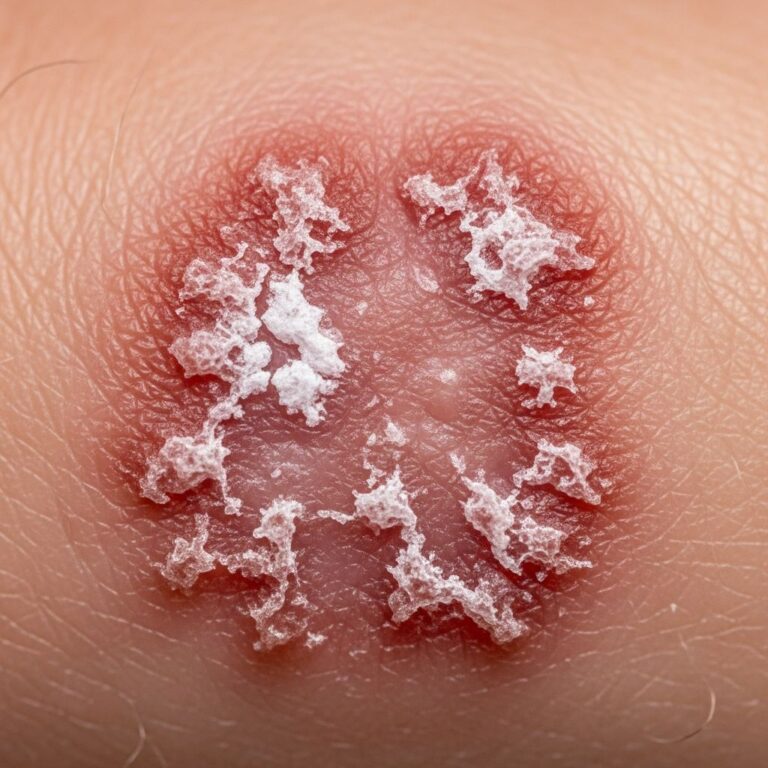
- Ringworm: Red, scaly rings on body, scalp, or groin.
- Jock itch: Rash in groin folds.
- Pityriasis versicolor: Scaly, discolored patches from Malassezia yeast.
- Cutaneous candidiasis: Yeast infections in moist skin areas.
These spread via contact with infected skin, animals, soil, or contaminated surfaces. Risk factors: sweating, tight clothing, weakened immunity, diabetes. Diagnosis involves clinical exam and microscopy/culture for confirmation.
How to use terbinafine cream, gel, spray or solution
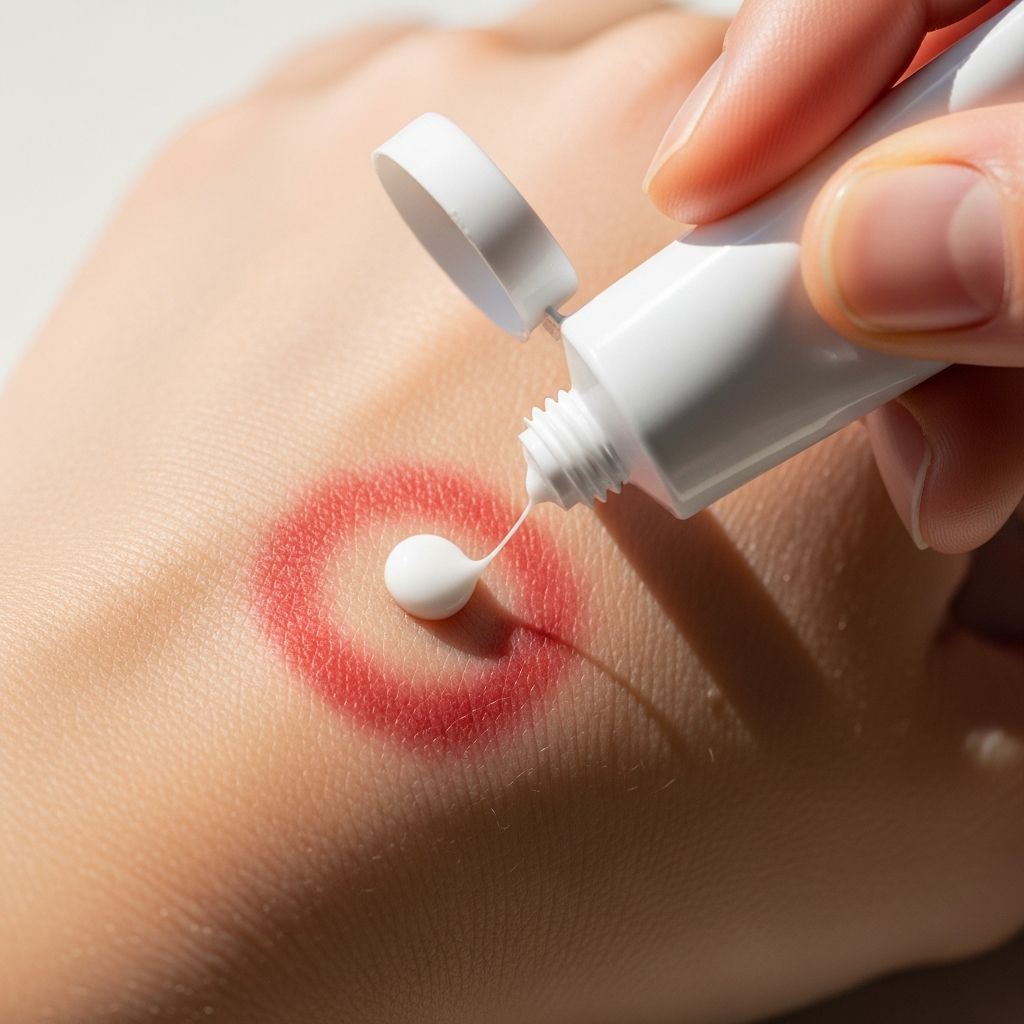
Terbinafine topical forms are over-the-counter for mild infections. Apply to clean, dry skin:
- Wash and dry affected area gently.
- Apply thin layer once/twice daily, covering 1-2 cm beyond rash.
- For athlete’s foot: 1-2 weeks; ringworm/jock itch: 2-4 weeks.
- Avoid eyes, mouth; do not cover unless directed.
- Continue 1 week after symptoms clear to prevent recurrence.
Solution (e.g., Lamisil Once) for athlete’s foot: single application, wipe off excess.
How to take terbinafine tablets
Oral terbinafine (250 mg daily) is prescription-only for extensive/severe infections or nails.
| Condition | Duration |
|---|---|
| Tinea corporis/cruris | 2-4 weeks |
| Tinea pedis | 2-6 weeks |
| Tinea capitis | 4 weeks |
| Fingernail onychomycosis | 6 weeks |
| Toenail onychomycosis | 12 weeks |
Take with/without food; swallow whole. Liver tests before starting. Full nail regrowth takes months post-treatment.
Who can and cannot use terbinafine
Most adults/children over 12 can use topical terbinafine. Oral use cautions:
- Avoid if liver/kidney disease, depression history, immunosuppression.
- Not for breastfeeding; caution in pregnancy (topical preferred).
- Children: Granules for scalp infections.
Common questions about terbinafine
Is terbinafine effective?
Yes, 81-94% symptom improvement in weeks; 97% clinical success.
How long until it works?
Topical: 1 week; oral skin: 2 weeks; nails: 3+ months.
Side effects?
Topical: Redness, itching (rare). Oral: GI upset, rash (5.3%); monitor liver.
Alternatives?
Clotrimazole, miconazole topicals; oral itraconazole for resistant cases.
Prevent recurrence?
Related Stories



Keep dry, loose clothing, antifungal powder.
Side effects of terbinafine
Topical: Mild burning/stinging (common, resolves). Oral: Headache, nausea; rare liver injury (0.1-1%), taste changes. Seek help for jaundice, dark urine.
How to cope with terbinafine side effects
- Skin irritation: Use less frequently.
- GI upset: Take with food.
- Taste disturbance: Sugar-free mints.
Pregnancy and breastfeeding with terbinafine
Topical: Low risk. Oral: Avoid; category B.
Terbinafine and other medicines
May interact with rifampicin, cimetidine, antidepressants; check with doctor.
Analgesics
Paracetamol/ibuprofen safe with terbinafine.
References
- Oral terbinafine (Lamisil) in the short-term treatment of fungal infections of the skin: results of a post-marketing surveillance study — Lesher JL Jr et al. Mycoses. 1999-11-30. https://pubmed.ncbi.nlm.nih.gov/10592700/
- Terbinafine: Uses, Interactions, Mechanism of Action — DrugBank Online. 2023. https://go.drugbank.com/drugs/DB00857
- Spotlight on Terbinafine — Medsafe. 2018-12. https://www.medsafe.govt.nz/profs/PUArticles/December%202018/Spotlight%20on%20Terbinafine.htm
- About terbinafine — NHS. 2023. https://www.nhs.uk/medicines/terbinafine/about-terbinafine/
- Terbinafine — MedlinePlus. 2023. https://medlineplus.gov/druginfo/meds/a699061.html
Similar Articles








Read full bio of medha deb