Terbinafine: 5 Common Fungal Infections It Treats Effectively
Comprehensive guide to terbinafine: effective antifungal for skin and nail infections with dosing, effects, and safety info.
Terbinafine stands out as a potent antifungal agent primarily used to combat dermatophyte infections affecting the skin and nails. This medication disrupts fungal cell growth by targeting essential enzymes, making it a go-to option for conditions like onychomycosis and various tinea infections.
Understanding Fungal Infections Treated by Terbinafine
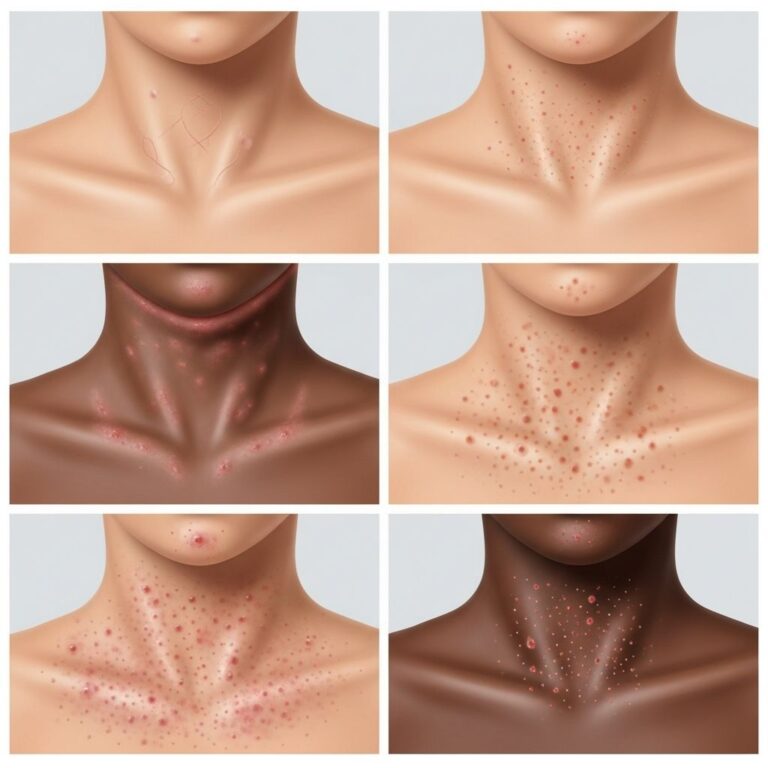
Fungal infections, particularly those caused by dermatophytes, are common and can persist without proper intervention. Terbinafine is FDA-approved for onychomycosis due to dermatophytes, affecting toenails and fingernails. It also addresses skin conditions such as athlete’s foot (tinea pedis), ringworm (tinea corporis), jock itch (tinea cruris), and pityriasis versicolor.
- Athlete’s foot: Itchy, cracked skin between toes.
- Ringworm: Circular, red patches on the body.
- Fungal nail infections: Thickened, discolored nails.
- Jock itch: Rash in the groin area.
- Pityriasis versicolor: Scaly, discolored patches on the trunk.
These infections thrive in warm, moist environments and spread through contact. Early treatment prevents complications like nail deformity or secondary bacterial infections.
How Terbinafine Works Against Fungi
Terbinafine belongs to the allylamine class of antifungals. It inhibits squalene epoxidase, a key enzyme in fungal ergosterol synthesis—the main sterol in fungal cell membranes. This blockade causes squalene buildup, which is toxic to fungi, leading to cell death (fungicidal effect) alongside ergosterol depletion (fungistatic effect).
Unlike azoles, terbinafine acts early in the sterol pathway, offering broad activity against dermatophytes like Trichophyton species, Microsporum canis, and Epidermophyton floccosum. It shows variable efficacy against yeasts like Candida and Malassezia. Its lipophilic nature allows accumulation in skin, nails, and fatty tissues, with nail concentrations persisting months post-treatment.
Available Forms and Standard Dosages
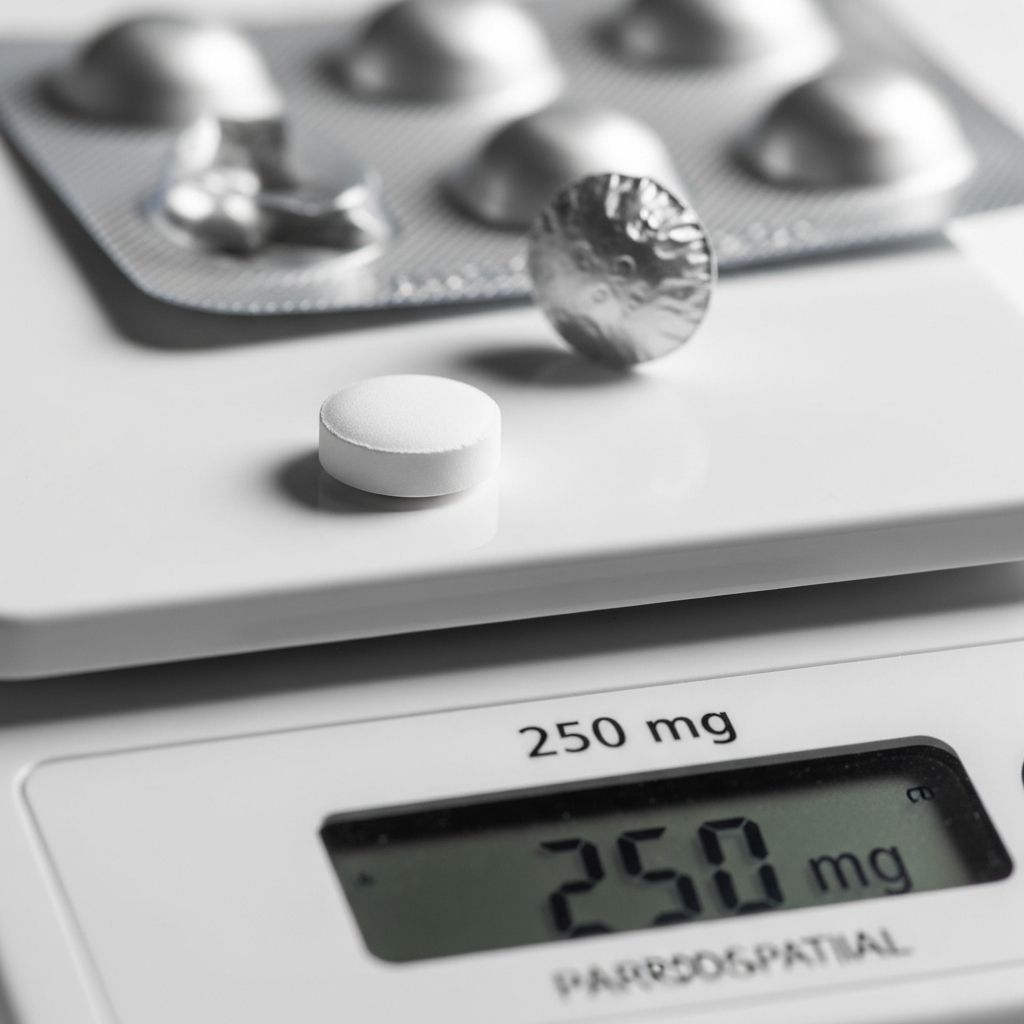
Terbinafine comes as oral tablets (250 mg), topical creams, sprays, and granules for scalp infections in children. Oral use is preferred for nail infections due to better penetration.
| Condition | Adult Oral Dose | Duration |
|---|---|---|
| Fingernail onychomycosis | 250 mg once daily | 6 weeks |
| Toenail onychomycosis | 250 mg once daily | 12 weeks |
| Tinea corporis/cruris/pedis | 250 mg once daily | 2-4 weeks |
| Scalp infections (granules, children) | Weight-based | 6 weeks |
Dosages for children require physician determination. Take tablets with or without food; granules must be sprinkled on non-acidic food like pudding. Complete the full course even if symptoms improve.
Treatment Success Rates and Comparisons
Clinical trials highlight terbinafine’s superiority. In onychomycosis studies, it achieved mycologic cure rates of 76-81% after 12-16 weeks, versus 38-49% for itraconazole. Complete cure rates were roughly double (35% vs 14% at 5 years).
Compared to fluconazole and griseofulvin, terbinafine offers better efficacy and cost-effectiveness for dermatophyte onychomycosis. Long-term data from the L.I.O.N. study confirm sustained benefits.
- Mycologic cure: Negative fungal culture.
- Clinical cure: Normal nail appearance.
- Complete cure: Both achieved.
Potential Side Effects and Monitoring
Most side effects are mild: headache, gastrointestinal upset (nausea, diarrhea), rash (10.5% incidence). Taste disturbances (dysgeusia) occur rarely but can be severe, leading to weight loss; most resolve post-treatment.
Serious risks include hepatotoxicity—perform liver function tests before and during therapy. Symptoms like jaundice, dark urine, or fatigue warrant immediate discontinuation.
| Common (>1%) | Uncommon | Rare/Serious |
|---|---|---|
| Headache Stomach pain | Rash Taste changes | Liver injury Severe skin reactions |
Related Stories



Avoid in active/chronic liver disease, renal impairment (adjust dose if creatinine clearance <50 mL/min), or depression history.[10]
Drug Interactions and Precautions
Terbinafine has fewer interactions than azoles. It weakly inhibits CYP2D6, potentially raising levels of tricyclic antidepressants, beta-blockers, or SSRIs. Rifampin may reduce terbinafine levels; cimetidine increases them.
- Monitor with warfarin (bleeding risk).
- Caffeine clearance may decrease, causing insomnia.
- Avoid alcohol to protect liver.
Pregnancy: Category B (use if benefits outweigh risks). Breastfeeding: Avoid oral form.
Tips for Best Results During Treatment
Enhance outcomes with hygiene: keep skin/nails dry, wear breathable shoes, trim nails straight, avoid sharing towels. Topical antifungals can complement oral therapy for skin issues. Expect nail regrowth in 3-6 months; full results in 12.[10]
If no improvement after recommended duration, consult a doctor for lab confirmation or alternatives.
Who Should Avoid Terbinafine?
Contraindicated in hypersensitivity, active liver disease, or immunosuppression without monitoring. Use caution in elderly or those with lupus (risk of flares).
Frequently Asked Questions (FAQs)
What if I miss a dose?
Take it as soon as remembered unless near next dose. Do not double up.
Can terbinafine be used long-term?
Limited to prescribed durations; monitor liver function for extended use.
Does it work on all fungi?
Best for dermatophytes; less effective against molds/yeasts—confirm via culture.
How soon do nails look better?
Improvement in weeks, full growth in months.
Is topical terbinafine enough for nails?
Oral preferred for severe cases; topical for mild.
Special Considerations for Children and Elderly
Granules treat pediatric scalp tinea capitis effectively. Elderly may need dose adjustments for renal function. Always weigh benefits vs. risks.
In summary, terbinafine’s targeted action, high cure rates, and favorable safety profile make it first-line for dermatophyte infections when monitored properly.
References
- Terbinafine: a review of its use in onychomycosis in adults — PubMed/NCBI. 2002-11. https://pubmed.ncbi.nlm.nih.gov/12477372/
- Terbinafine: Uses, Interactions, Mechanism of Action — DrugBank. Recent access 2026. https://go.drugbank.com/drugs/DB00857
- About terbinafine — NHS UK. Recent. https://www.nhs.uk/medicines/terbinafine/about-terbinafine/
- Terbinafine — StatPearls/NCBI Bookshelf/NIH. 2023-08-08. https://www.ncbi.nlm.nih.gov/books/NBK545218/
- Terbinafine — MedlinePlus/NIH. Recent. https://medlineplus.gov/druginfo/meds/a699061.html
- Lamisil (terbinafine hydrochloride) tablets label — FDA. 2012. https://www.accessdata.fda.gov/drugsatfda_docs/label/2012/020539s021lbl.pdf
Similar Articles








Read full bio of medha deb