Terbinafine Tablets (Lamisil): Safe Use And Side Effects
Comprehensive guide to using terbinafine tablets (Lamisil) for treating fungal skin and nail infections effectively.
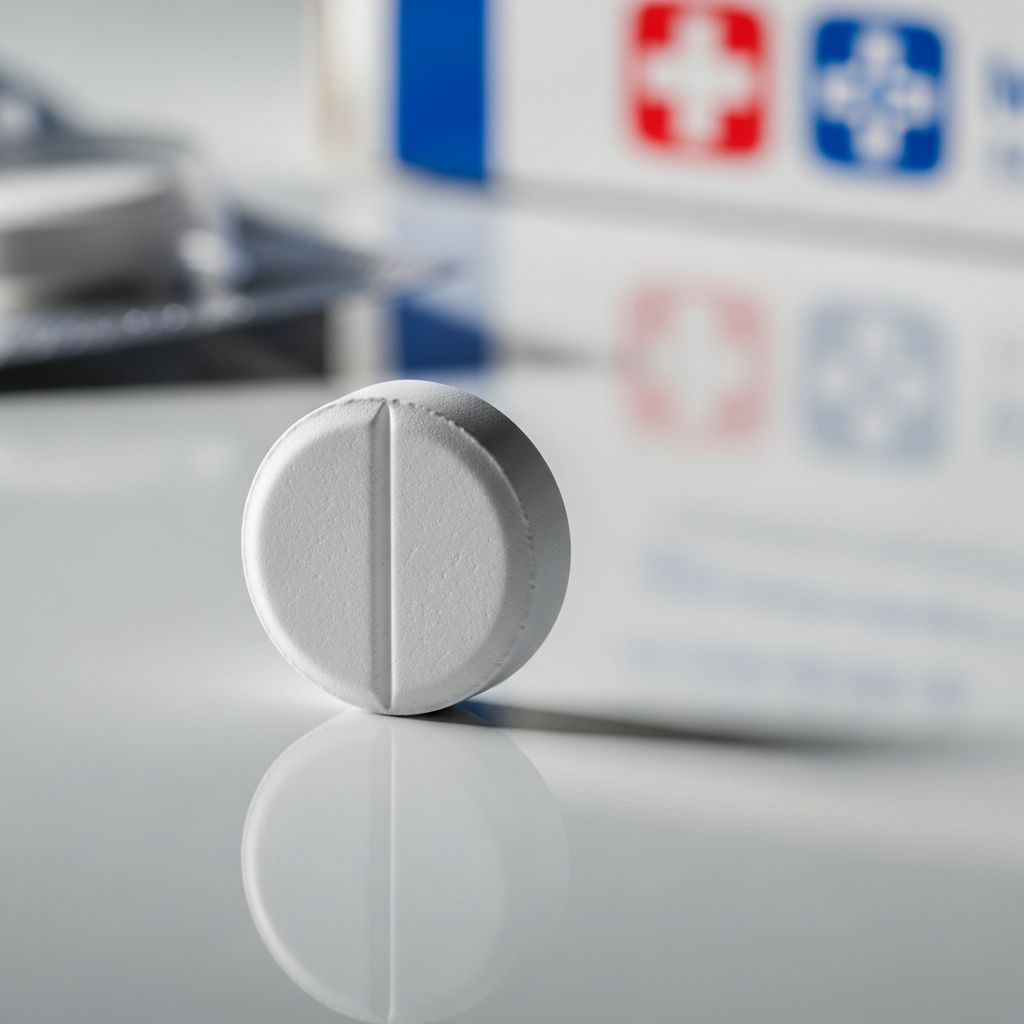
Terbinafine tablets, branded as Lamisil, are an effective antifungal medication used to treat fungal infections of the skin and nails. These infections, caused by dermatophytes, include conditions like ringworm, athlete’s foot, jock itch, and onychomycosis (nail fungus).
About terbinafine tablets
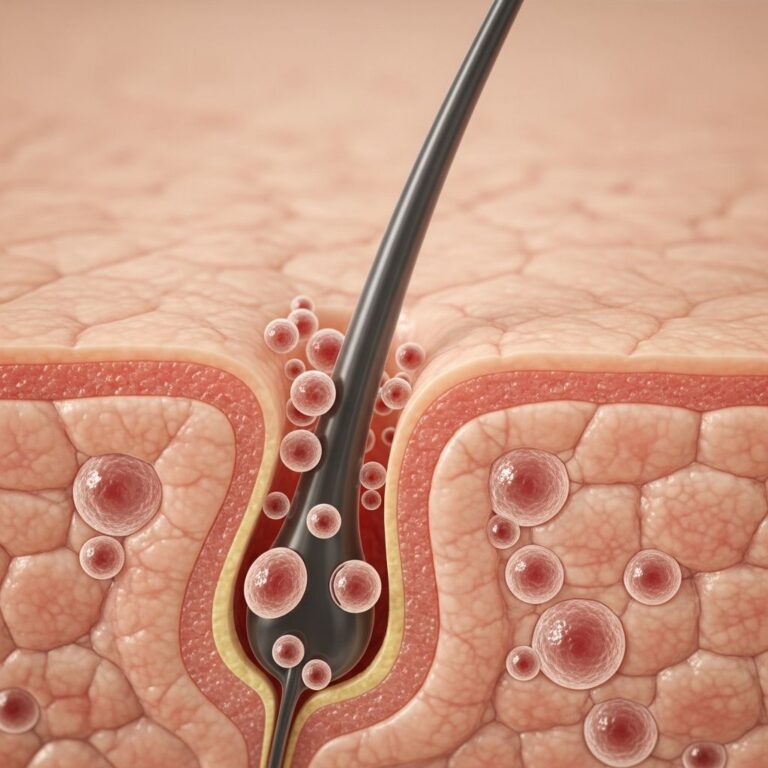
Terbinafine belongs to the allylamine class of antifungals. It works by inhibiting ergosterol synthesis in fungal cell membranes, leading to the death of the fungus and clearance of the infection. Lamisil tablets contain 250 mg of terbinafine hydrochloride, a synthetic compound effective against dermatophytes responsible for skin and nail infections.
Common uses include fungal infections of the groin (tinea cruris), body (tinea corporis), feet (tinea pedis or athlete’s foot), soles, and fingernails or toenails (onychomycosis). It is particularly indicated for onychomycosis due to dermatophytes, where topical treatments often fail.
Before taking terbinafine tablets
Consult your doctor before starting terbinafine if you have any underlying health conditions or are taking other medications. Some people must not take it, including those with active or chronic liver disease, as it can cause serious liver injury.
- Allergy to terbinafine or any ingredients (listed in section on ingredients).
- History of liver problems.
- Breastfeeding, as it passes into breast milk.
Inform your doctor if you answer yes to any of the following:
- Are you pregnant or planning pregnancy? Terbinafine is not recommended during pregnancy unless benefits outweigh risks.
- Do you have kidney problems? Dose adjustment may be needed.
- Do you have psoriasis or systemic lupus erythematosus (SLE)? It may exacerbate these.
- Do you have a rash due to high white blood cell levels (eosinophilia)?
- Are you taking medications like antidepressants (tricyclics, SSRIs, MAOIs), oral contraceptives (may cause irregular periods), beta-blockers, or anti-arrhythmics?
Terbinafine tablets contain less than 1 mmol sodium per tablet, making them essentially sodium-free.
How to take terbinafine tablets
Always follow your doctor’s instructions and the label. The usual adult dose is one 250 mg tablet once daily, swallowed whole with water, with or without food.
- Skin infections: Continue for 2-6 weeks.
- Nail infections: 6 weeks to 3 months; toenails may require up to 6 months or longer.
For impaired kidney function, your doctor may reduce the dose. Complete the full course even if symptoms improve to prevent recurrence. If you miss a dose, take it as soon as remembered unless near the next dose; do not double up.
Getting the most out of your treatment
For nail infections, new nail growth may take months to appear healthy. Avoid alcohol during treatment and for at least 2 weeks after, as it increases liver risk. Practice good hygiene: keep skin dry, wear breathable footwear, and avoid sharing towels.
Liver function tests may be recommended before and during treatment, especially for long courses. Report symptoms promptly.
Common side effects
Most side effects are mild and resolve after treatment. The most frequent include:
| Side Effect | What to Do |
|---|---|
| Loss of appetite | Speak to your doctor if troublesome |
| Feeling sick (nausea), indigestion, bloating, stomach ache | Stick to simple foods; avoid rich or spicy meals |
| Diarrhoea | Drink plenty of fluids to avoid dehydration |
| Headache | Rest and drink water; use painkillers like paracetamol if needed |
| Aches and pains in muscles/joints | Paracetamol; inform doctor if persistent |
| Rash or itching | Speak to doctor if severe |
Related Stories



These affect up to 1 in 10 people.
Serious or rare side effects
Seek immediate medical help for:
- Liver problems: Yellowing of skin/eyes (jaundice), dark urine, pale stools, persistent nausea, fatigue, abdominal pain, loss of appetite.
- Severe skin reactions: Rash, blisters, light sensitivity, wheals, or worsening psoriasis.
- Blood disorders: Unusual bleeding/bruising, frequent infections, pallor, breathlessness.
- Allergic reactions: Swelling of face/throat, difficulty breathing, dizziness, fever, rash.
- Other: Pancreatitis (severe upper abdominal pain spreading to back), muscle breakdown (pain, weakness, dark urine), vasculitis (purplish spots, fever).
Rare effects (up to 1 in 10,000): tiredness, vertigo, hair loss, lupus exacerbation, decreased blood cells.
About your diet
No specific dietary restrictions, but avoid alcohol to protect your liver. Maintain a balanced diet to support overall health during treatment.
Taking other medicines, contraception, and herbal treatments
Terbinafine may interact with:
- Caffeine (increased effects).
- Cimetidine (increases terbinafine levels).
- Cyclosporine (alters levels).
- Antidepressants, oral contraceptives, beta-blockers, anti-arrhythmics.
It may reduce effectiveness of oral contraceptives, leading to irregular bleeding. Use barrier contraception if needed. Rifampicin may reduce terbinafine efficacy.
Inform your doctor of all medications, including herbal remedies like St John’s wort.
If you take too much (overdose)
Symptoms include nausea, vomiting, abdominal pain, dizziness, rash, headache, frequent urination. Seek emergency help; no specific antidote exists, but supportive care is provided. Large overdoses (up to 5g) have not caused serious reactions.
Stop taking terbinafine tablets and tell a doctor straight away
If you experience any serious symptoms listed above, discontinue and contact your doctor immediately. Do not restart without advice.
How to store terbinafine tablets
Store below 30°C in original packaging, away from moisture and light. Keep out of reach of children. Do not use after expiry date. Return unused tablets to pharmacy for disposal.
Further information about terbinafine tablets
Each tablet contains 250 mg terbinafine (as hydrochloride). Other ingredients: magnesium stearate, microcrystalline cellulose, pregelatinised maize starch, colloidal anhydrous silica, hypromellose, sodium starch glycollate, magnesium stearate, silica, talc, cellulose, polysorbate, titanium dioxide, ferric oxide, polysorbate.
Manufactured by Novartis. For full details, read the patient information leaflet (PIL).
Frequently Asked Questions (FAQs)
Q: How long does it take for terbinafine to work on nails?
A: Fingernails improve in 6 weeks; toenails may take 3-6 months or longer as new nail grows. Full results visible after complete nail replacement.
Q: Can I drink alcohol while taking Lamisil?
A: Avoid alcohol during treatment and for 2 weeks after to minimize liver risks.
Q: Is terbinafine safe during pregnancy?
A: Not recommended unless essential; discuss risks with your doctor.
Q: What if I miss a dose?
A: Take as soon as possible unless almost time for next dose. Do not double.
Q: Does terbinafine cause hair loss?
A: Rare, but possible. Consult doctor if noticed.
Q: Can children take terbinafine tablets?
A: Not typically for tablets; other forms may be used. Consult paediatrician.
This article provides comprehensive guidance mirroring official sources. Always consult healthcare professionals for personalized advice.
References
- LAMISIL® Tablets 250 mg (terbinafine) Patient Information Leaflet — medicines.org.uk. 2023. https://www.medicines.org.uk/emc/files/pil.1031.pdf
- Lamisil Tablets Prescribing Information — U.S. Food and Drug Administration (FDA). 2010. https://www.accessdata.fda.gov/drugsatfda_docs/label/2010/020539s017lbl.pdf
- Lamisil Tablets Consumer Medicine Information — NPS MedicineWise (Australian Government). Accessed 2026. https://www.nps.org.au/medicine-finder/lamisil-tablets
Similar Articles








Read full bio of Sneha Tete