Terbinafine Tablets: Uses, Dosage & Side Effects
Complete guide to terbinafine tablets for fungal infections: dosage, uses, side effects, and safety information.
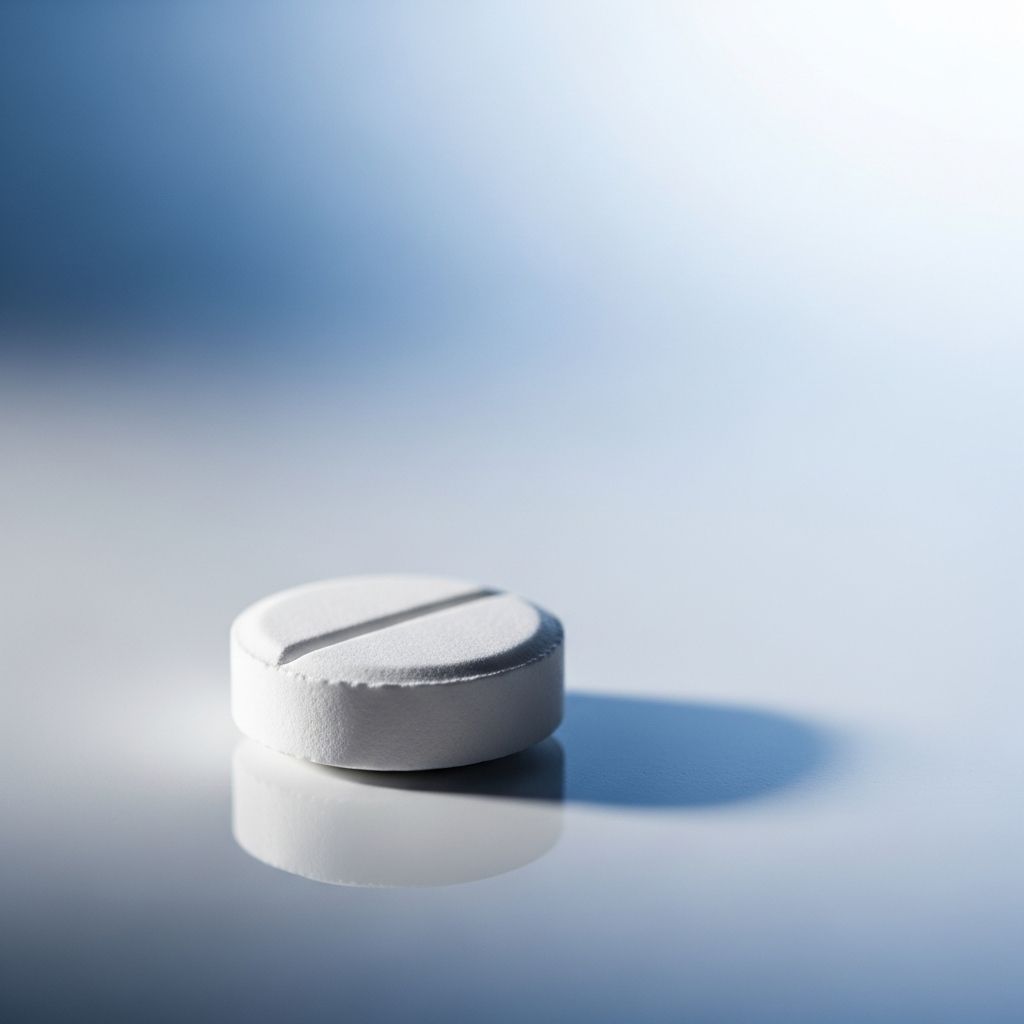
Terbinafine is an antifungal medication that belongs to a class of drugs called allylamines. It works by stopping the growth of fungi and is available in tablet form for the treatment of various fungal infections, particularly those affecting the nails, scalp, and skin. The medication has been widely used since its FDA approval in 1996 and remains one of the most effective options for treating dermatophyte infections.
What Is Terbinafine?
Terbinafine tablets are an oral antifungal medication used primarily to treat fungal infections of the toenails and fingernails. The standard formulation contains 250 milligrams (mg) of the active ingredient per tablet. This medication works by inhibiting squalene epoxidase, an enzyme essential for fungal cell wall synthesis. By blocking this enzyme, terbinafine prevents the fungus from producing ergosterol, a critical component of the fungal cell membrane, ultimately leading to fungal cell death.
The medication is available under the brand name Lamisil, though generic versions are also available. Unlike topical antifungal treatments that have limited effectiveness for nail infections due to poor penetration, oral terbinafine achieves therapeutic levels in the nail tissue, making it highly effective for onychomycosis (nail fungal infections).
Indications and Uses
Terbinafine tablets are prescribed for several types of fungal infections. The primary FDA-approved indication is for the treatment of onychomycosis caused by dermatophyte organisms. However, the medication is also used off-label for other fungal infections.
Primary Uses
Toenail Fungus (Onychomycosis): This is the most common indication for terbinafine tablets. The medication is particularly effective for distal lateral subungual onychomycosis affecting over 50% of the nail plate with nail matrix involvement. Treatment typically lasts 12 weeks for toenail infections, allowing the medication to work through several nail growth cycles.
Fingernail Fungus: Terbinafine is also effective for fungal infections of the fingernails, particularly proximal subungual onychomycosis. The treatment duration for fingernail infections is typically shorter at 6 weeks compared to toenail infections.
Ringworm of the Body (Tinea Corporis): Adults and teenagers can use terbinafine tablets to treat ringworm affecting the body, with treatment lasting 2 to 4 weeks.
Jock Itch (Tinea Cruris): This groin area fungal infection responds well to terbinafine therapy, typically requiring 2 to 4 weeks of treatment.
Athlete’s Foot (Tinea Pedis): Fungal infections of the foot can be treated with terbinafine tablets for 2 to 6 weeks, depending on the severity and extent of infection.
Dosage and Administration
The standard adult dose of terbinafine tablets is 250 mg taken orally once daily. However, the specific dosage and duration depend on the type and location of the fungal infection being treated.
Dosage by Infection Type
| Condition | Dosage | Duration | Population |
|---|---|---|---|
| Fingernail Onychomycosis | 250 mg once daily | 6 weeks | Adults |
| Toenail Onychomycosis | 250 mg once daily | 12 weeks | Adults |
| Tinea Corporis (Ringworm) | 250 mg once daily | 2 to 4 weeks | Adults and teenagers |
| Tinea Cruris (Jock Itch) | 250 mg once daily | 2 to 4 weeks | Adults and teenagers |
| Tinea Pedis (Athlete’s Foot) | 250 mg once daily | 2 to 6 weeks | Adults and teenagers |
Related Stories



How to Take Terbinafine Tablets
Take terbinafine tablets exactly as directed by your healthcare provider. The medication can be taken with or without food, making it convenient for daily use. Swallow the tablet whole with water. It is important not to skip doses or discontinue the medication without consulting your doctor, even if symptoms improve before the full treatment course is completed.
For optimal effectiveness, terbinafine must be taken for the complete recommended duration. Stopping early may result in incomplete cure and potential recurrence of the fungal infection. The medication needs sufficient time to eliminate the infection completely from the nail tissue or affected area.
Pulse Dosing
An alternative dosing schedule called pulse dosing has been studied for terbinafine therapy. This approach involves taking one 250 mg tablet daily for four weeks, followed by four weeks without medication, then resuming one 250 mg tablet daily for another four weeks. While not FDA-approved, pulse dosing has demonstrated efficacy similar to continuous dosing in clinical studies and may be considered for certain patients.
Important Precautions Before Taking Terbinafine
Before beginning terbinafine therapy, inform your healthcare provider about your complete medical history. Certain conditions may require dosage adjustment or closer monitoring while taking this medication.
Medical Conditions to Discuss
Patients with liver disease require special consideration, as terbinafine is metabolized hepatically. Those with kidney disease may also need dosage adjustments. If you have a history of liver or kidney problems, your doctor may recommend blood tests before starting treatment and periodic monitoring during therapy.
Inform your healthcare provider if you have a known allergy or unusual reaction to terbinafine, other medicines, foods, dyes, or preservatives. Cross-reactivity with other antifungal medications should also be discussed.
Alcohol Use
There is potential for interaction between terbinafine and alcohol. Patients should limit or avoid alcoholic beverages while taking this medication, as alcohol can increase the risk of liver complications and may reduce the medication’s effectiveness.
Side Effects
While terbinafine is generally well-tolerated, it can cause various side effects ranging from mild to severe. Most side effects are mild and self-limited, but some require medical attention.
Common Side Effects
Many patients experience mild side effects that typically do not require medical attention and may resolve as the body adjusts to the medication. Common side effects include:
- Headache
- Nausea
- Diarrhea or other gastrointestinal disturbances
- Loss of appetite
- Abdominal pain or discomfort
- Indigestion
Taste and Smell Disturbances
A notable side effect of terbinafine is dysgeusia, which refers to disturbances in taste or changes in the sense of smell. This can range from mild to severe and may cause decreased appetite, weight loss, and psychological effects including anxiety or depression. Most patients recover their normal taste within weeks after stopping treatment, but in rare cases, these changes may be permanent. If you notice significant changes in taste or smell, contact your healthcare provider immediately.
Serious Side Effects Requiring Medical Attention
While uncommon, serious side effects can occur and require immediate medical evaluation. Seek medical attention immediately if you experience any of the following:
- Severe allergic reactions including swelling of the face, throat, tongue, or lips
- Difficulty breathing or swallowing
- Severe skin reactions such as severe rash, blistering, or peeling skin
- Signs of liver problems: yellowing of the skin or eyes, dark urine, pale stools, pain in the upper right abdomen, extreme tiredness, or nausea and vomiting
- Signs of infection: fever, chills, sore throat, cough, hoarseness, or lower back pain
- Blood-related complications: unexplained bleeding or bruising, blood in urine, or fast or irregular heartbeat
- Mouth sores or severe oral lesions
- Chest pain
Impact on Blood Cells
Terbinafine can temporarily lower the number of white blood cells in the bloodstream, increasing susceptibility to infections. If possible, avoid contact with people who have active infections during treatment. Notify your healthcare provider immediately if you develop signs of infection, including fever, chills, or any symptoms mentioned above.
Drug Interactions
Terbinafine may interact with other medications you are taking. The drug is metabolized by the liver and can affect the metabolism of other medications processed through the same pathway. Important interactions include:
- Medications metabolized by CYP2D6: Terbinafine inhibits this enzyme, potentially increasing levels of certain medications
- Warfarin: Terbinafine may increase anticoagulant effects
- Certain antiarrhythmic medications
- Tricyclic antidepressants
Always inform your healthcare provider about all medications, supplements, and herbal products you are taking before starting terbinafine.
Contraindications
Terbinafine should not be used in patients with known hypersensitivity to the medication or any of its components. Pregnancy category C designation means the drug should only be used during pregnancy if the potential benefit justifies the potential risk to the fetus. Terbinafine passes into breast milk and should be used cautiously in nursing mothers.
Patient Instructions
For successful treatment with terbinafine tablets, follow these important guidelines:
- Take the medication exactly as prescribed by your healthcare provider
- Do not alter the dose or frequency without consulting your doctor
- Complete the full course of treatment even if symptoms improve early
- Attend all follow-up appointments and laboratory tests if recommended
- Report any new or worsening symptoms to your healthcare provider
- Avoid alcohol consumption during treatment
- Store the medication at room temperature away from moisture and heat
- Keep terbinafine out of reach of children
Frequently Asked Questions About Terbinafine Tablets
Q: How long does it take for terbinafine tablets to work?
A: Terbinafine begins working immediately to kill fungi, but visible improvement may take weeks to months. For nail infections, you may not notice improvement until new healthy nail grows out, which can take 3 to 6 months or longer. It is important to continue taking the medication for the full prescribed duration.
Q: Can I stop taking terbinafine early if my symptoms improve?
A: No. It is crucial to complete the full course of treatment as prescribed, even if symptoms disappear. Stopping early can allow the fungal infection to recur or result in incomplete cure. The medication needs time to completely eliminate the infection from affected tissues.
Q: Will terbinafine cure my fungal infection permanently?
A: Terbinafine is highly effective at eliminating fungal infections when taken as prescribed. However, reinfection is possible if you are exposed to the fungus again. Following good hygiene practices and preventive measures can help reduce the risk of recurrence.
Q: What should I do if I miss a dose?
A: Take the missed dose as soon as you remember. However, if it is almost time for your next dose, skip the missed dose and continue with your regular dosing schedule. Do not double doses to make up for a missed dose.
Q: Can terbinafine tablets interact with birth control?
A: While direct interaction between terbinafine and oral contraceptives is uncommon, any medication affecting liver function could theoretically impact birth control efficacy. Discuss potential interactions with your healthcare provider if you are taking hormonal contraceptives.
Q: Are there alternatives to terbinafine for treating fungal infections?
A: Yes. Other oral antifungal medications include itraconazole and fluconazole. Topical treatments are available for some infections, though they are less effective for nail infections. Your healthcare provider can recommend the best option based on your specific condition.
Q: Is terbinafine safe for children?
A: Terbinafine tablets are typically used in adults and older teenagers. For children, the medication may be available in granule form with adjusted dosing. Consult your pediatrician about appropriate treatment options for children.
Q: Can I take terbinafine if I have liver or kidney disease?
A: Patients with liver or kidney disease require careful evaluation and may need dosage adjustments or more frequent monitoring. Inform your healthcare provider about any liver or kidney conditions before starting treatment. Blood tests may be recommended before and during therapy.
References
- Terbinafine (oral route) – Description and Dosage — Mayo Clinic. 2024. https://www.mayoclinic.org/drugs-supplements/terbinafine-oral-route/description/drg-20066265
- Terbinafine – StatPearls — National Institutes of Health, National Center for Biotechnology Information. 2024. https://www.ncbi.nlm.nih.gov/books/NBK545218/
- Terbinafine: MedlinePlus Drug Information — U.S. National Library of Medicine. 2024. https://medlineplus.gov/druginfo/meds/a699061.html
- Fungal Nail Infection: Assessing the New Treatment Options — Cleveland Clinic Journal of Medicine. 2003. https://www.ccjm.org/content/ccjom/70/2/110.full.pdf
- Toenail Fungus (Onychomycosis/Tinea Unguium) – Treatment Options — Cleveland Clinic. 2024. https://my.clevelandclinic.org/health/diseases/11303-toenail-fungus
- Tinea Capitis: Symptoms, Causes & Treatment — Cleveland Clinic. 2024. https://my.clevelandclinic.org/health/diseases/22449-tinea-capitis
Similar Articles








Read full bio of medha deb