Diabetes Test: 4 Key Blood Tests To Diagnose Diabetes
Understand the blood tests used to diagnose diabetes, from HbA1c to glucose tolerance tests, and learn how to get tested effectively.
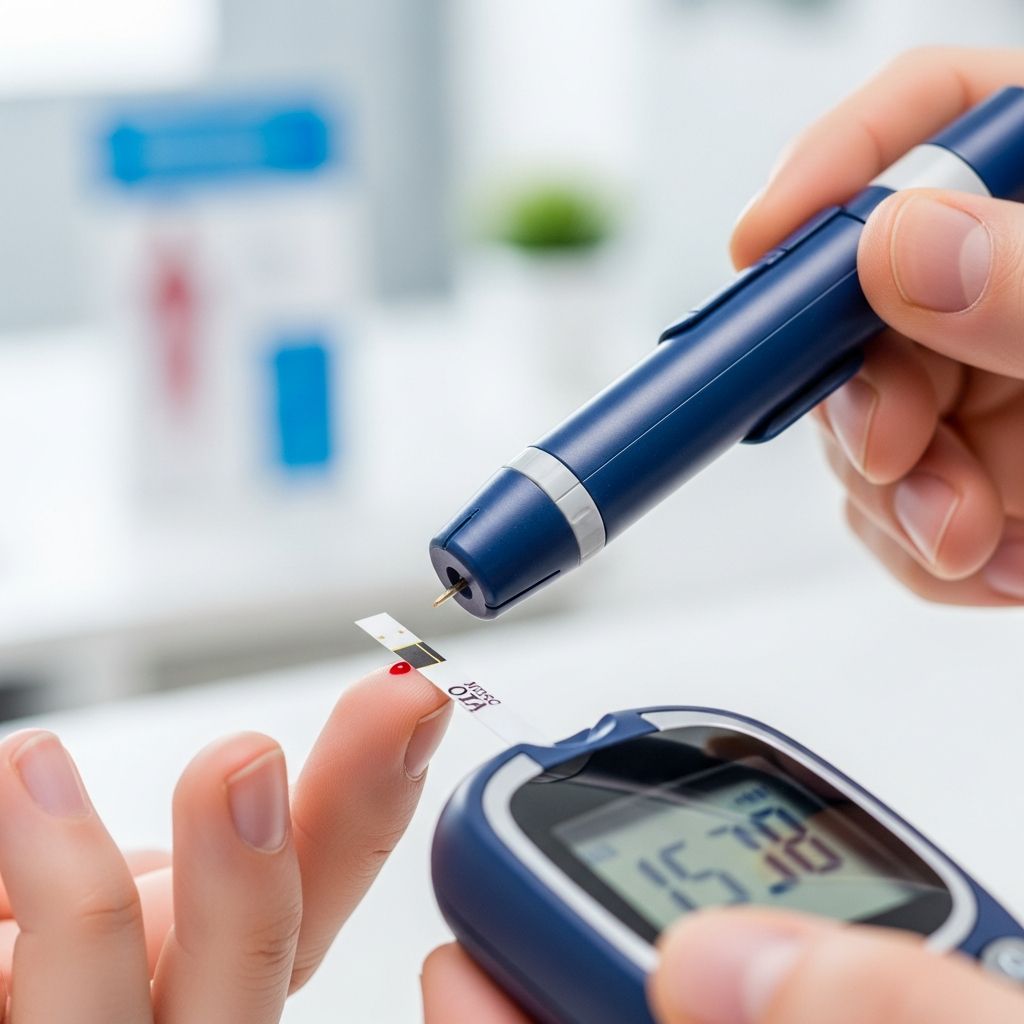
The only reliable way to determine if you or a loved one has diabetes or prediabetes is through blood tests that measure blood glucose (sugar) levels. These tests are typically arranged via your GP surgery and confirmed by laboratory results.
A diagnosis of diabetes is always based on lab-confirmed blood test results. Results usually return in a few days, though in urgent cases with rapid-onset symptoms, they may come back within hours.
Testing for type 1 and type 2 diabetes
Once diabetes is confirmed via blood tests, the type—type 1 or type 2—is determined by factors such as the speed and severity of symptom onset, weight, age at diagnosis, and family history.
Test results can also reveal if you’re at risk of developing type 2 diabetes, even if you don’t have it currently—a condition known as prediabetes.
For suspected type 1 diabetes, additional tests check blood ketone levels, potentially leading to hospital assessment. A C-peptide test helps differentiate type 1 from type 2 by measuring insulin production; it’s distinct from finger-prick tests used for ongoing monitoring in symptomatic cases.
Type 1 diabetes screening is not routinely available in the UK outside research studies. More details on participating in these studies are available through Diabetes UK resources.
Blood tests used to diagnose diabetes
Healthcare professionals select the appropriate blood test based on your symptoms. These tests are straightforward, quick, and may require fasting, which will be advised in advance.
Non-fasting blood tests
HbA1c
The
HbA1c test
is the primary blood test for diagnosing diabetes. It reflects average blood sugar levels over the past 2-3 months by measuring glycated hemoglobin. No preparation is needed; a small blood sample is drawn from a vein in your arm—unlike a finger-prick test, which provides an instant snapshot.Results typically arrive in a few days. Diabetes is diagnosed if HbA1c is
48mmol/mol (6.5%) or above
. Prediabetes risk exists if between42-47mmol/mol
. If tested without prior symptoms, a repeat test confirms the diagnosis.HbA1c must use methods certified by the National Glycohemoglobin Standardization Program (NGSP), traceable to the Diabetes Control and Complications Trial (DCCT).
| Result | HbA1c (mmol/mol) | HbA1c (%) |
|---|---|---|
| Normal | Below 42 | Below 6.0 |
| Prediabetes | 42-47 | 6.0-6.4 |
| Diabetes | 48 or above | 6.5 or above |
Random blood glucose test
For severe symptoms, a
random blood glucose test
can be done anytime, via finger-prick or venous draw. Finger-prick results are immediate; venous results take days.Diabetes is indicated if levels are
11.1mmol/L or higher
, irrespective of recent food intake. Finger-prick diagnoses require lab confirmation.Fasting blood tests
Fasting plasma glucose (FPG)
This test measures blood glucose after at least 8 hours of fasting. It’s a standard screening method alongside HbA1c.
Diabetes is diagnosed at
7.0mmol/L (126mg/dL) or higher
. In asymptomatic individuals, confirmation requires repeat testing.| Result | FPG (mmol/L) |
|---|---|
| Normal | Below 5.6 |
| Prediabetes | 5.6-6.9 |
| Diabetes | 7.0 or above |
Related Stories



Glucose tolerance test (GTT)
Also called the
Oral Glucose Tolerance Test (OGTT)
, this assesses how your body processes sugar from food and drinks. It’s routine for gestational diabetes.The process: Fast overnight, then have baseline venous blood drawn. Drink a standard sugar solution (75g anhydrous glucose). Blood is retested after 2 hours.
Results in days show fasting and 2-hour levels. For non-pregnant adults, diabetes if 2-hour plasma glucose is
11.1mmol/L or higher
.In pregnancy (gestational diabetes): Fasting
≥5.6mmol/L
or 2-hour≥7.8mmol/L
.| Result (Non-Pregnant) | 2-hour PG (mmol/L) |
|---|---|
| Normal | Below 7.8 |
| Prediabetes (Impaired Glucose Tolerance) | 7.8-11.0 |
| Diabetes | 11.1 or above |
| Pregnancy (Gestational Diabetes) | Threshold (mmol/L) |
|---|---|
| Fasting | ≥5.6 |
| 2-hour | ≥7.8 |
Confirming a diabetes diagnosis
In the absence of unequivocal hyperglycemia (e.g., crises with classic symptoms), diagnosis requires confirmatory testing on a subsequent day. This applies to all tests: HbA1c, FPG, OGTT, or random glucose.
WHO criteria emphasize symptoms plus random venous plasma glucose ≥11.1mmol/L, fasting ≥7.0mmol/L, or 2-hour OGTT ≥11.1mmol/L. Asymptomatic cases need two abnormal results.
Who should get tested?
Testing is recommended if you have symptoms like frequent urination (polyuria), excessive thirst (polydipsia), unexplained weight loss (especially for type 1), fatigue, or blurred vision.
- Those over 40, overweight, or with family history of type 2 diabetes.
- Pregnant women for gestational diabetes screening.
- Individuals with high risk factors: hypertension, high cholesterol, PCOS, or certain ethnic backgrounds.
Use tools like Diabetes UK’s Know Your Risk to assess personal risk.
What to expect during testing
Blood draws are routine: arm vein for most lab tests, finger-prick for quick checks. Fasting tests require no food/drink (except water) for 8-12 hours. Stay hydrated and inform your doctor of medications.
Post-test, resume normal eating unless advised otherwise. Discuss results with your GP for next steps like lifestyle advice, monitoring, or treatment.
Gestational diabetes testing
OGTT is standard between 24-28 weeks of pregnancy. Early testing if high risk (e.g., BMI >30, previous gestational diabetes). Management protects mother and baby.
Frequently Asked Questions (FAQs)
What is the main test for diagnosing diabetes?
The HbA1c test is primary, measuring average blood sugar over 2-3 months. No fasting required; diabetes at 48mmol/mol or above.
Do I need to fast for all diabetes tests?
No—HbA1c and random glucose don’t require fasting. FPG and OGTT do.
Can a finger-prick test diagnose diabetes?
It can indicate high sugar if symptomatic, but lab confirmation (venous sample) is always needed.
What if my HbA1c is borderline?
42-47mmol/mol suggests prediabetes risk. Lifestyle changes can prevent progression to type 2.
How accurate are these tests?
Highly accurate when NGSP-certified for HbA1c and following WHO/ADA standards. HbA1c under 48mmol/mol doesn’t rule out diabetes if glucose tests are positive.
Is type 1 screening available?
Not routinely in the UK outside research; C-peptide and ketones help differentiate.
This comprehensive guide ensures you’re informed on diabetes testing. Early detection enables effective management, reducing complication risks. Consult your healthcare provider for personalized advice.
References
- Diabetes test: How to test for diabetes — Diabetes UK. 2025 (accessed). https://www.diabetes.org.uk/about-diabetes/test-for-diabetes
- 2. Diagnosis and Classification of Diabetes: Standards of Care in Diabetes—2024 — American Diabetes Association, Diabetes Care. 2023-12-06. https://diabetesjournals.org/care/article/47/Supplement_1/S20/153954/2-Diagnosis-and-Classification-of-Diabetes
- Diagnostic criteria for diabetes — Diabetes UK. 2025 (accessed). https://www.diabetes.org.uk/for-professionals/improving-care/clinical-recommendations-for-professionals/diagnosis-ongoing-management-monitoring/new_diagnostic_criteria_for_diabetes
- Diabetes Diagnosis & Tests — American Diabetes Association. 2025 (accessed). https://diabetes.org/about-diabetes/diagnosis
Similar Articles








Read full bio of medha deb