Test Strips And Monitors: NHS Guide To Choosing A Meter
Essential guide to blood glucose test strips, meters, and monitoring for effective diabetes management and self-care.
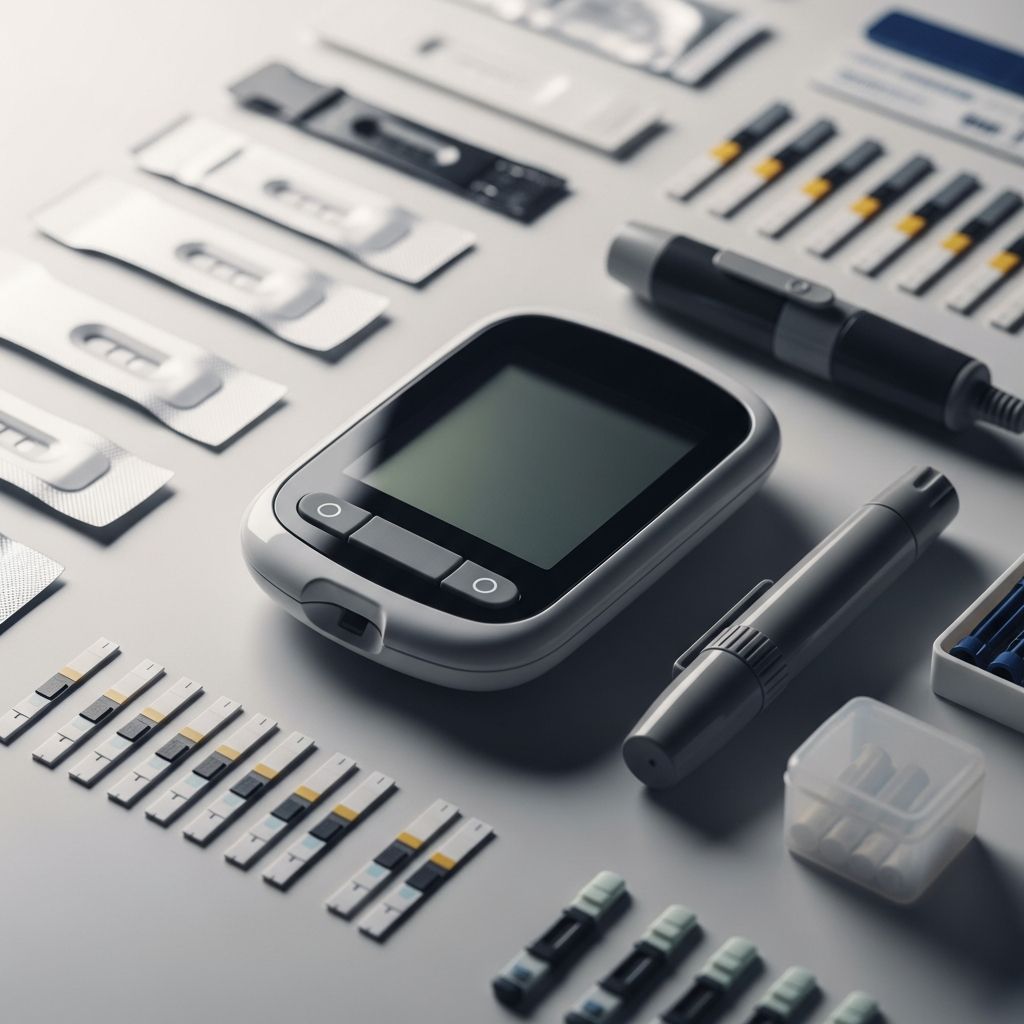
Managing diabetes effectively requires regular monitoring of blood glucose levels using test strips and compatible meters. These tools empower people with diabetes to track their glucose, adjust treatments, and prevent complications. Most meters pair exclusively with specific test strips, so selecting the right combination is crucial. This guide covers usage, prescriptions, recommended devices, and NHS guidelines to support informed self-management.
What are test strips?
**Test strips** are small, disposable plastic strips embedded with enzymes that react with blood glucose to produce a measurable electrical signal. When inserted into a blood glucose meter, they enable accurate readings essential for diabetes control. Each meter typically works only with its designated strip type, preventing mismatches that could lead to inaccurate results or device errors.
Strips feature a chemical layer at one end that absorbs a drop of blood (usually 0.5–1 μL). The meter analyzes the reaction—often within 5–6 seconds—displaying glucose levels in mmol/L or mg/dL. Features like ‘second chance sampling’ allow adding more blood if the initial sample is insufficient, reducing waste.
How to use a test strip
Using test strips is straightforward but requires hygiene and precision to ensure reliable results:
- Wash and dry hands thoroughly to avoid contamination.
- Insert the test strip into the meter (some models are pre-loaded).
- Use a lancing device to prick the side of the fingertip for a small blood drop.
- Touch the blood drop to the strip’s designated area; many strips feature capillary action to draw it in.
- Wait for the result (typically 4–6 seconds) and record it with meal markers if available.
- Eject and dispose of the used strip safely, often via a built-in strip ejector.
Always check for error codes like insufficient sample, high/low temperature, or expired strips. Meters compliant with EN ISO 15197:2015 standards ensure accuracy within ±15% of lab values.
Getting test strips
Test strips are available on NHS prescription for eligible patients, but supply is not automatic. Healthcare professionals assess need based on diabetes type, treatment, and clinical goals. Patients should not buy meters or strips without advice, as formulary options are provided free from GP surgeries or clinics.
For
Type 1 diabetes
, all patients require regular self-monitoring of blood glucose (SMBG), typically 3–5 boxes (150–250 strips) monthly, per agreed plans.Type 2 on insulin
may need 2–4 daily tests during initiation or dose adjustments. Those onsulfonylureas/repaglinide
get strips for symptomatic testing (e.g., hypoglycemia). Intermittent users receive acute supplies only.Prescriptions prioritize cost-effective, NHSE-recommended products (<£6–£10 per 50 strips). Overuse is discouraged to minimize waste; patients are advised on minimum effective testing.
Recommended meters and test strips
NHS England provides national recommendations for meters and strips, focusing on accuracy, usability, and value. Local formularies (e.g., North East London, NCL) align with these, selecting devices for specific cohorts like paediatrics, visually impaired, or Group 2 drivers.
Type 1 diabetes and ketosis-prone Type 2
Preferred: Meters with ketone testing capability, connectivity (Bluetooth/NFC), and features like strip port lights, auto-ejectors.
| Meter | Key Features | Strips Cost (per 50) | Cohorts |
|---|---|---|---|
| GlucoFix Tech GK | Glucose/ketone dual meter, NFC/Bluetooth, alarms, 5s reaction, 0.5μL sample | <£6 | All Type 1, ketones needed |
| CareSens Dual | Connectivity (USB/NFC/BT), ketone warning >15mmol/L, averages (3–90 days) | <£10 | Cognitive impairment, dexterity issues |
| AgaMatrix Jazz Wireless 2 | BT pairing, strip ejector, meal markers, 6s reaction | <£10 | Paediatrics, visually impaired |
Related Stories



Type 2 diabetes (insulin or oral agents)
| Meter | Key Features | Strips Cost (per 50) | Cohorts |
|---|---|---|---|
| CareSens N | No coding, large display, pre/post meal markers, ejector | <£6 | Most Type 2 |
| AgaMatrix Agile | Re-dosing (3s), colour indicators, soft buttons, averages | <£6 | Dexterity, elderly |
| GlucoRx Go Professional | PC link, ketone warning, 5s, alerts | <£10 | Group 2 drivers |
Second-line options for specialized needs include large-print displays or talking meters. All meet ISO 15197:2015.
Choosing the right meter
Selection considers patient needs: memory capacity (500+ results), averages (7–90 days), alarms, connectivity to apps (e.g., GlucoLog, Diasend), and cohort suitability. Small size (e.g., 83x56x17mm), backlit screens, and haematocrit-independent strips enhance usability. Avoid non-formulary purchases; consult professionals.
- **Connectivity:** Bluetooth/NFC for data sharing with iOS/Android apps.
- **Alerts/Warnings:** High/low glucose, strip issues, battery low.
- **Special Features:** Strip ejectors prevent contamination; port lights aid low vision.
Using your meter safely
Safety first: Store strips at 4–30°C, away from heat/humidity. Test in 10–35°C ambient. Calibrate with control solutions periodically. Report malfunctions to MHRA/NRLS. Dispose of lancets in sharps bins—never bins. Wash hands pre-test.[10]
Other monitoring options
Beyond SMBG,
continuously monitored glucose (CGM/isCGM)
like Freestyle Libre provides interstitial readings, reducing strip needs. Backup with finger-prick strips during rapid changes. Not covered here, but local guidance applies.Frequently Asked Questions (FAQs)
What if my meter and strips don’t match?
Use only compatible pairs to avoid errors. Check packaging; non-matching causes invalid readings.
Can I get strips on prescription for Type 2?
Yes, if clinically indicated (e.g., insulin, sulfonylureas). Not routine for diet/metformin alone.
How many strips do I need monthly?
Type 1: 150–250; Type 2 insulin: 100–200; varies by plan.
Are there free meters?
Yes, formulary meters from GPs/clinics at no cost.
What if strips expire?
Discard; expired strips give false results. Check dates.
References
- North East London Blood Glucose Test Strips Guideline — North East London ICB. 2023-12. https://primarycare.northeastlondon.icb.nhs.uk/wp-content/uploads/2024/01/Blood-glucose-test-strips-guideline-NEL-V2_12.2023.pdf
- Blood glucose ketone test strips lancets — NCL Health and Care. 2024-04-25. https://nclhealthandcare.org.uk/wp-content/uploads/2024/07/6_Blood_glucose_ketone_monitoring.pdf
- NHS England-recommended Meters and Blood Test Strips — NHS England/NW Knowledge Now. 2025-10. https://nwknowledgenow.nhs.uk/wp-content/uploads/2025/10/NHSE_BGmeters_TestStrips_Oct25_PPMO_Diabetes.pdf
- Test strips and monitors | Diabetes UK — Diabetes UK. Accessed 2026. https://www.diabetes.org.uk/about-diabetes/looking-after-diabetes/testing/test-strips-and-monitors
- Self-monitoring of Blood Glucose (SMBG) Guidance — South East London ICB. 2024-06. https://www.selondonics.org/wp-content/uploads/SEL-SMBG-Guidance-June-2024-for-consultation.pdf
- Commissioning recommendations for blood glucose and ketone meters — NHS England. 2023-04. https://www.england.nhs.uk/publication/commissioning-recommendations-blood-glucose-and-ketone-meters-testing-strips-and-lancets/
Similar Articles








Read full bio of Sneha Tete