Testicles (Testes): Location, Anatomy, Function & Conditions
Complete guide to testicle anatomy, function, hormone production, and health conditions affecting male reproductive health.
Understanding Testicles (Testes): A Complete Anatomical Guide
Testicles, commonly referred to as testes, are essential organs of the male reproductive system. These oval-shaped glands play a critical role in producing sperm cells and synthesizing hormones that regulate sexual function, physical development, and overall male health. Located outside the main body cavity within a protective pouch of skin called the scrotum, the testes represent one of the most important yet often misunderstood organs in human physiology.
Understanding the anatomy and function of testicles is crucial for maintaining reproductive health and recognizing potential medical issues that may require professional attention. This comprehensive guide explores the location, structure, functions, and various conditions affecting testicles.
Location and Basic Anatomy of Testicles
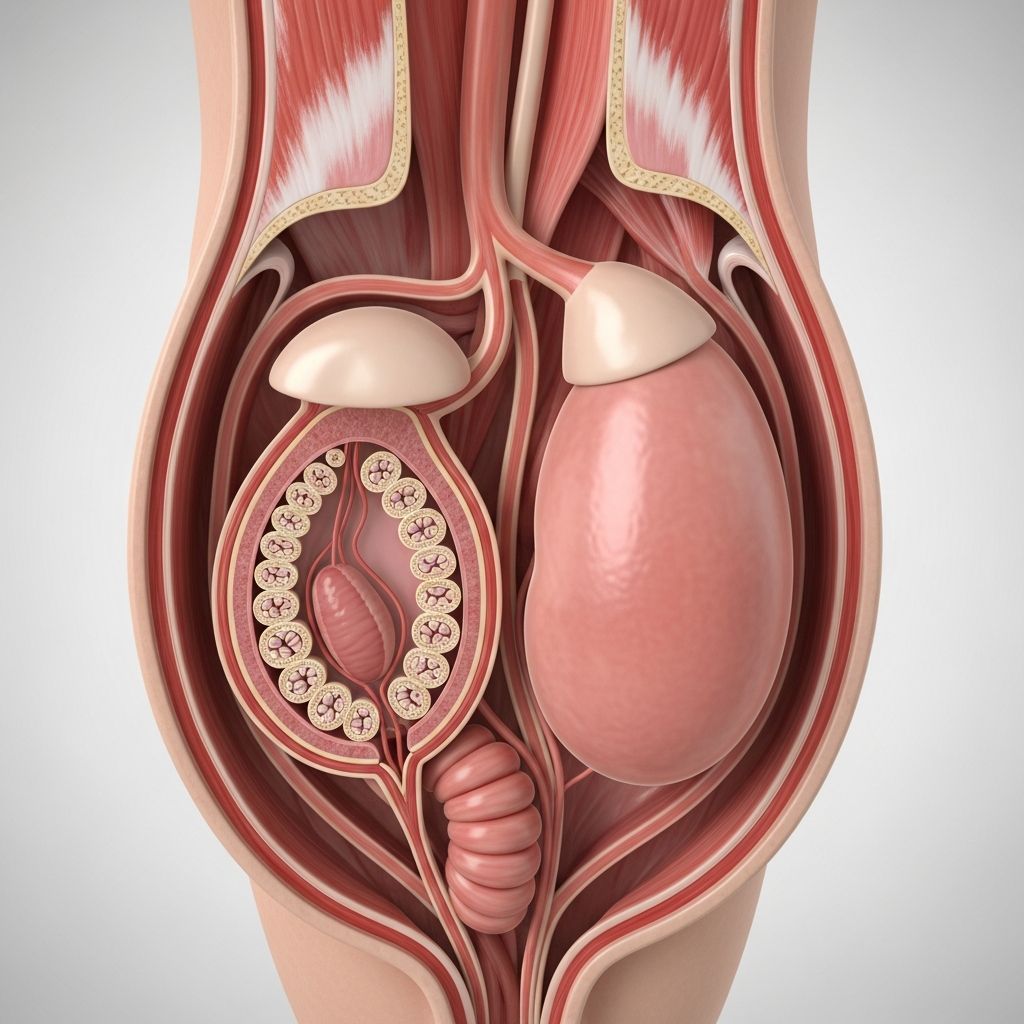
Testicles are positioned underneath the penis within the scrotum, a specialized pouch of skin that serves as an external container. Most individuals have two testicles—one positioned to the right and one to the left of the midline. Each testicle is roughly the size of a large olive, small egg, or walnut, making them easily palpable during self-examination or clinical assessment.
The scrotum plays an essential temperature regulation role for testicular function. Unlike most internal organs, testicles operate optimally at a temperature approximately two degrees Celsius lower than normal body temperature. This cooler environment is fundamental for spermatogenesis, the process of sperm cell production and maturation.
Spermatic Cord Connection: Each testicle connects to the internal body through a structure called the spermatic cord. These cords contain crucial components including nerves, blood vessels, and the vas deferens—the tube responsible for transporting sperm from the testicles to the penis during ejaculation.
Internal Structure of Testicles
The internal architecture of each testicle is remarkably complex and specifically designed for dual functions: sperm production and hormone synthesis. The testicular tissue contains several key structural components that work together seamlessly.
Seminiferous Tubules
Within each testicle lies an extraordinary number of coiled tubes called seminiferous tubules. In fact, each testicle contains approximately 700 of these specialized tubes. These tubules are the primary sites of sperm production, also known as spermatogenesis. The walls of seminiferous tubules are lined with specialized cells that facilitate sperm creation and development.
The epithelium lining these tubules contains two critical cell types. Sertoli cells aid in producing hormones necessary for generating sperm, while spermatogenic cells divide and differentiate to become spermatozoa—mature sperm cells capable of fertilization.
Rete Testis
After sperm cells form within the seminiferous tubules, they cannot move independently. The rete testis is a network of tubes that helps mobilize these newly created sperm cells. This structure contains millions of tiny projections called microvilli that facilitate sperm movement from the seminiferous tubules toward the epididymis.
The rete testis also mixes sperm with fluid secreted by Sertoli cells. As sperm cells travel through this region, the body reabsorbs most of this fluid, which results in a higher concentration of sperm in the eventual ejaculate.
Efferent Ducts
The efferent ducts represent a series of connecting tubes that bridge the rete testis and the epididymis. These ducts are lined with hair-like projections called cilia that work together with a layer of smooth muscle to propel sperm into the epididymis. The efferent ducts also continue the process of fluid reabsorption, further concentrating the sperm cells before they reach the storage and maturation phase.
Related Stories



The Epididymis and Sperm Maturation
The epididymis is a long, coiled tube that rests on the back side of each testicle. While sperm emerge from the seminiferous tubules, these cells are immature and incapable of fertilization. The epididymis serves the critical function of storing sperm cells and allowing them to mature over time.
The maturation process is lengthy and essential. Sperm cells require approximately 74 days to develop fully within the epididymis, during which time they receive necessary blood and nutrients through the tubule walls. This maturation phase is non-negotiable for reproductive success—only fully mature sperm possess the motility and capability necessary to fertilize an egg.
Sperm Production Process (Spermatogenesis)
Spermatogenesis is the biological process by which sperm cells are generated from immature germ cells. This continuous process occurs within the seminiferous tubules and follows a precise sequence of cellular division and specialization.
The journey begins with spermatogonial stem cells that undergo mitotic division to create primary spermatocytes. These cells then undergo meiosis—a specialized form of cell division that produces four haploid cells (cells with half the typical number of chromosomes) from each primary spermatocyte. These cells become spermatids, which eventually mature into spermatozoa through a process called spermiogenesis.
Throughout this process, immature sperm cells receive essential nutrients and blood supply within the seminiferous tubules. Once mature, sperm are pushed along toward the epididymis through coordinated muscular contractions and the actions of specialized cells.
Hormone Production and Testosterone
Beyond sperm production, testicles function as endocrine glands, synthesizing and secreting hormones critical to male sexual development and function. The primary hormone produced by testicles is testosterone, the defining male sex hormone.
Testosterone and Its Functions
Testosterone is produced in specialized cells called Leydig cells (also known as interstitial cells) located within the testicular tissue. This hormone causes several important physical changes and maintains vital functions including:
- Deeper voice development through laryngeal changes
- Increased muscle mass and strength
- Body hair growth on the genitals, face, and armpits
- Height growth spurts during puberty
- Maintenance of sexual drive and erectile function
- Support for fertility and sperm production
Other Testicular Hormones
In addition to testosterone, testicles produce several other important hormones that contribute to reproductive health and male development:
- Inhibin B: Plays a regulatory role in sperm production by providing feedback to the pituitary gland
- Insulin-like Factor 3 (Insl3): Assists with testicular development and descent during fetal development
- Anti-Mullerian Hormone (AMH): Contributes to the growth of male sexual organs during fetal development
- Estradiol: Produced in small amounts, this estrogen aids in sperm production and bone health
Connection to the Reproductive Pathway
The testicles do not function in isolation. They are the starting point of a complex reproductive pathway that extends throughout the male body. After sperm mature in the epididymis, they enter the vas deferens—a muscular tube that transports them toward the urethra.
The vas deferens passes through the spermatic cord and travels from the scrotum through the pelvic region behind the bladder. It eventually joins with ducts from the seminal vesicles to form the ejaculatory duct, which penetrates the prostate gland and connects to the urethra.
During sexual arousal, coordinated muscle contractions move mature sperm from the epididymis into the vas deferens and subsequently into the urethra. During this transit, the body adds secretions from the seminal vesicles and prostate gland to create semen—the fluid that carries and protects sperm during ejaculation.
Common Testicular Conditions and Disorders
Several medical conditions can affect testicle health and function. Understanding these conditions helps individuals recognize warning signs and seek appropriate medical care.
Testicular Torsion
Testicular torsion is a serious medical emergency in which a testicle rotates within the scrotum. This rotation twists the spermatic cord, which can cut off blood supply, nerve function, and sperm transport.
Symptoms of testicular torsion include:
- Severe scrotum pain that develops suddenly
- Swelling of the affected testicle
- Lower abdominal pain
- Nausea and vomiting
- Sensation that the testicle is out of place
- Increased urinary frequency
Testicular torsion requires immediate medical attention. Delayed treatment can result in permanent damage to the testicle, including loss of function or tissue death. Medical professionals typically perform emergency surgery to untwist the spermatic cord and restore blood flow.
Appendix Testis
An appendix testis is a small, non-functional piece of tissue attached to one or both testicles as a remnant from fetal development. While this structure serves no biological purpose in postnatal life, it can occasionally twist, causing pain similar to testicular torsion. However, appendix testis torsion is a less serious condition than true testicular torsion.
Self-Examination and Health Monitoring
Because testicles are located outside the body and accessible to touch, individuals can perform regular self-examinations to monitor their health. A testicular self-exam involves gently feeling each testicle to check for lumps, changes in size, or unusual texture.
Regular self-awareness helps identify potential issues early, including testicular cancer, infections, or structural abnormalities. Any persistent changes, lumps, or pain should be reported to a healthcare provider for evaluation.
Temperature Regulation and Fertility
The scrotum’s unique position outside the body and its capacity for temperature adjustment through muscular contraction and relaxation maintain optimal testicular temperature. Special muscles in the scrotal wall respond to temperature changes, moving the testicles closer to the body for warmth or farther away to cool them.
Maintaining proper testicular temperature is essential for healthy sperm production. Prolonged exposure to excessive heat can temporarily reduce sperm count and motility, which is why prolonged use of hot baths, saunas, or tight clothing may affect fertility in some individuals.
The Role of Testicles in Overall Male Health
Testicles contribute to far more than reproductive capacity. Testosterone production affects bone density, muscle maintenance, mood regulation, cognitive function, and cardiovascular health. Age-related decline in testosterone production can impact quality of life and overall health outcomes.
Maintaining testicular health through regular exercise, avoiding excessive heat exposure, practicing safe sexual practices, and seeking prompt medical attention for unusual symptoms contributes to long-term reproductive and general health.
Frequently Asked Questions
Q: Why are testicles located outside the body?
A: Testicles are positioned outside the body to maintain a temperature approximately two degrees Celsius lower than core body temperature. This cooler environment is essential for optimal sperm production through spermatogenesis.
Q: How long does sperm maturation take?
A: Sperm cells require approximately 74 days to mature fully within the epididymis after being produced in the seminiferous tubules.
Q: What should I do if I experience sudden testicular pain?
A: Sudden, severe testicular pain could indicate testicular torsion or another serious condition requiring immediate medical evaluation. Seek emergency care if you experience severe scrotal pain, swelling, or related symptoms.
Q: How many seminiferous tubules are in each testicle?
A: Each testicle contains approximately 700 seminiferous tubules, where sperm production occurs.
Q: Can testicle size vary between individuals?
A: Yes, testicle size varies normally between individuals. They are typically described as being about the size of large olives, small eggs, or walnuts. Significant changes in size should be evaluated by a healthcare provider.
Q: What hormones do testicles produce besides testosterone?
A: Testicles produce testosterone, inhibin B, insulin-like factor 3, anti-Mullerian hormone (AMH), and small amounts of estradiol.
Q: Is it normal to have one testicle larger than the other?
A: Minor size differences between testicles are common. However, significant changes or one testicle becoming noticeably larger should be evaluated by a healthcare provider.
References
- Testes: Anatomy and Function, Diagram, Conditions, and Health Tips — Healthline, Medical Review by Alana Biggers, M.D., MPH. 2018-05-29. https://www.healthline.com/health/human-body-maps/testis
- Vas Deferens: Function, Anatomy & Conditions — Cleveland Clinic. 2024. https://my.clevelandclinic.org/health/body/22763-vas-deferens
- The Male Reproductive System: Organs, Function, and More — WebMD. 2024. https://www.webmd.com/sex-relationships/male-reproductive-system
- Testicles (Testes): Location, Anatomy, Function & Conditions — Cleveland Clinic. 2024. https://my.clevelandclinic.org/health/body/23964-testicles
- Appendix Testis (Hydatid of Morgagni): Anatomy & Torsion — Cleveland Clinic. 2024. https://my.clevelandclinic.org/health/body/22507-appendix-testis-hydatid-of-morgagni
- Scrotum: Anatomy & Function — Cleveland Clinic. 2024. https://my.clevelandclinic.org/health/body/scrotum
Similar Articles








Read full bio of Sneha Tete