Testicular Pain: Causes, Diagnosis & Treatment
Understanding testicular pain: Learn about causes, symptoms, diagnosis methods, and effective treatment options.
Understanding Testicular Pain
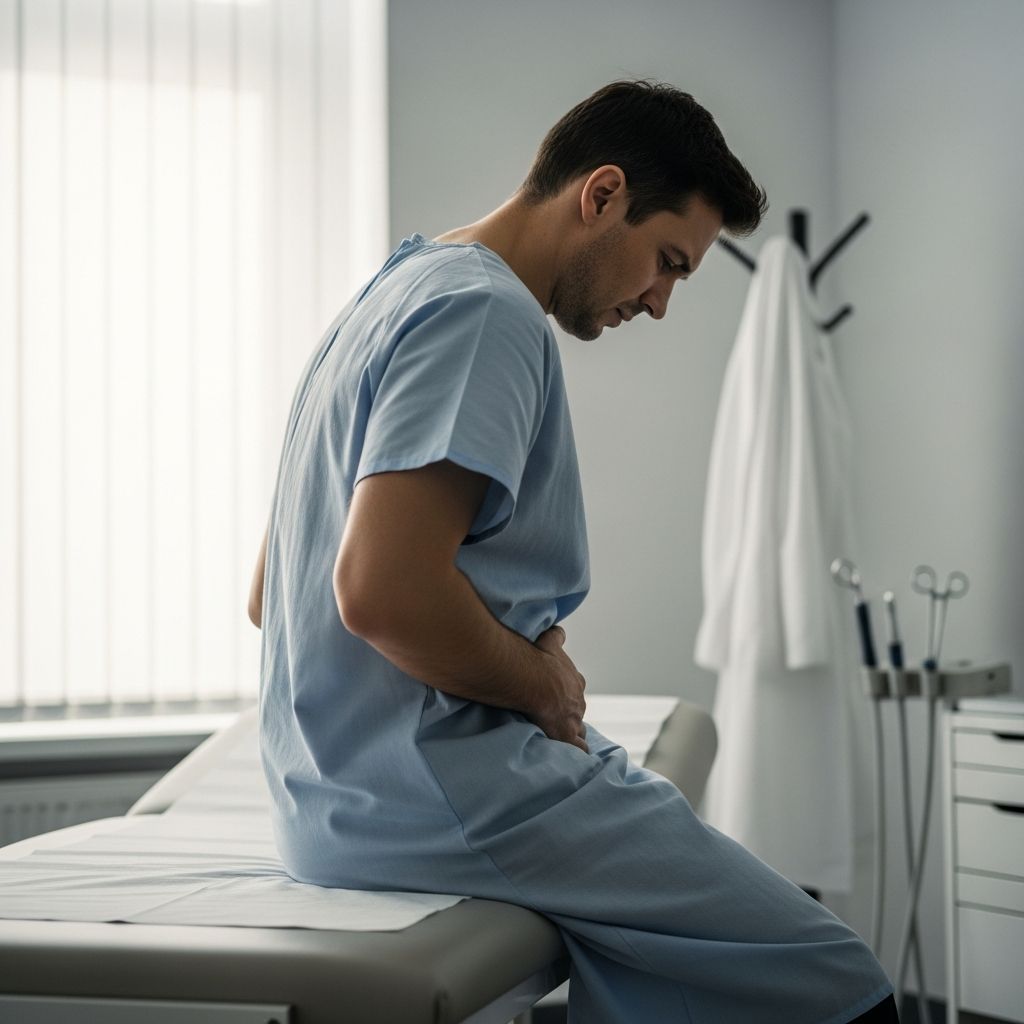
Testicular pain, medically known as orchialgia, is a condition that affects many men at various points in their lives. Your testicles contain numerous sensitive nerves, which can make testicular pain severe and concerning. The pain can manifest as a dull ache affecting one or both testicles or your scrotum, and it may also cause swelling. If you experience testicular pain lasting more than an hour, it is crucial to contact a healthcare provider for proper diagnosis and treatment.
It is important to understand that testicular pain is not normal. While your testicles are sensitive structures and any impact or trauma can cause temporary pain, consistent testicular pain that lasts longer than an hour warrants professional medical evaluation. Ignoring persistent testicular pain could indicate a more serious underlying condition that requires immediate attention.
Types of Testicular Pain
Testicular pain can be classified into two main categories based on its duration and onset:
Acute Testicular Pain
Acute testicular pain develops suddenly, rises sharply, and lasts for a short period. This type of pain often results from traumatic injury, sudden torsion, or acute infections. Acute pain requires immediate evaluation, especially if it is severe or accompanied by other symptoms like nausea, vomiting, or fever.
Chronic Testicular Pain
Chronic testicular pain gradually develops and persists over an extended period. This type of pain may result from recurring infections, nerve-related conditions, or chronic inflammatory processes. Chronic testicular pain can significantly impact quality of life and often requires specialized treatment approaches.
Common Causes of Testicular Pain
Testicular pain can result from various underlying conditions. While the cause may be obvious following a recent injury during sports or exercise, in other cases, the origin may not be immediately apparent. Understanding the potential causes helps you recognize when professional medical intervention is necessary.
Traumatic Injuries
Direct trauma to the testicles from sports injuries, accidental falls, or other impacts represents one of the most common causes of testicular pain. Most traumatic injuries cause pain that should subside within about an hour. However, if pain persists or worsens following an injury, seek immediate medical attention.
Infections and Inflammatory Conditions
Various infections can cause testicular pain and swelling. Orchitis, inflammation of one or both testicles, commonly results from viral or bacterial infections. Epididymitis, inflammation of the epididymis (the structure that stores sperm), can also cause significant pain. These conditions often accompany fever, urinary symptoms, and general malaise.
Sexually Transmitted Infections
Several sexually transmitted infections can cause testicular pain and swelling. These infections may affect multiple parts of your body and cause inflammation or swelling in your testicles. Common STIs associated with testicular symptoms include gonorrhea, chlamydia, and other bacterial or viral pathogens. If you suspect you have an STI, immediate medical evaluation and treatment are essential.
Related Stories



Testicular Torsion
Testicular torsion is a serious medical emergency where the spermatic cord becomes twisted, cutting off blood supply to the testicle. This condition causes intense, sudden testicular pain and requires immediate surgical intervention. If you experience intense testicular pain, particularly with nausea and vomiting, proceed to an emergency room immediately.
Kidney Stones
Sometimes testicular pain may result from kidney stones or other urological conditions affecting the urinary system. Referred pain from the kidneys can manifest as testicular discomfort, particularly when you have a kidney stone passing through the urinary tract.
Other Conditions
Additional causes of testicular pain include appendix testis torsion (twisting of a small structure attached to the testicle), spermatoceles (fluid-filled cysts), varicoceles (enlarged veins in the scrotum), and testicular cancer. Post-surgical swelling following procedures like vasectomy can also cause temporary testicular discomfort.
Associated Symptoms
Testicular pain may occur alongside various other symptoms, depending on the underlying cause. These symptoms can help healthcare providers determine the correct diagnosis and appropriate treatment. Common associated symptoms include:
- Swelling in one or both testicles or the scrotum
- Redness or discoloration of the scrotum
- Fever and chills
- Nausea and vomiting
- Urinary symptoms such as pain during urination or frequent urination
- Discharge from the urethra
- Pain in the lower abdomen or groin area
- General malaise or feeling unwell
- Difficulty walking or moving comfortably
Diagnostic Evaluation
When you visit a healthcare provider for testicular pain evaluation, they will conduct a comprehensive assessment to determine the underlying cause. The diagnostic process typically involves several steps:
Medical History and Physical Examination
Your healthcare provider will review your medical history and perform a thorough physical examination. During the examination, they will assess your testicles while you are standing and lying down. They may ask detailed questions about:
- When the pain started and how it has progressed
- The severity and character of the pain
- Recent injuries or trauma
- Recent illnesses or infections
- Sexual history and potential STI exposure
- Associated symptoms
- Previous testicular problems
- Current medications and allergies
Diagnostic Testing
Based on the initial evaluation, your healthcare provider may order various tests to confirm the diagnosis:
- Ultrasound: A non-invasive imaging test using sound waves to visualize the testicles, epididymis, and surrounding structures
- Doppler ultrasound: Assesses blood flow to the testicles to evaluate for testicular torsion
- Urinalysis: Examines urine for signs of infection or kidney stones
- Blood tests: May help identify infections or other systemic conditions
- Spermatic cord block: An anesthetic injection into the spermatic cord to determine whether a urologist can provide relief
Home Remedies and Self-Care
For mild testicular pain, several home care strategies may help alleviate symptoms while you monitor your condition:
- Rest: Avoid strenuous activities and give your body time to heal
- Ice application: Apply ice to the affected area for 15-20 minutes at a time to reduce swelling and pain
- Supportive underwear: Wear tight-fitting underwear to provide support and reduce movement
- Over-the-counter pain relievers: Take ibuprofen or acetaminophen as directed on the package
- Elevation: Elevate your scrotum with a towel while lying down
- Warm baths: Take warm (not hot) baths for comfort
- Avoid heavy lifting: Refrain from lifting heavy objects that could strain the area
Medical Treatment Options
If home remedies do not provide relief or if your healthcare provider identifies a specific underlying condition, various medical treatments may be recommended:
Conservative Medical Interventions
Once your doctor has ruled out emergency conditions, conservative non-surgical measures are typically tried for at least three months. These may include:
- Prescription anti-inflammatory medications
- Antibiotics for bacterial infections
- Antiviral medications if indicated
- Physical therapy for pelvic floor muscle spasms
- Pain management medications
It may take several weeks for the ache to completely disappear. Patience and consistent adherence to the treatment plan are important for recovery.
Surgical Interventions
Some conditions require surgical treatment. The type of surgery depends on the underlying condition:
- Testicular torsion repair: Emergency surgery to untwist the spermatic cord and restore blood flow
- Vasectomy reversal: For post-vasectomy pain
- Microsurgical denervation: For chronic orchialgia that does not respond to conservative treatment
- Orchiectomy: Removal of the testicle if it is severely damaged or diseased
When to Seek Emergency Care
Certain situations warrant immediate emergency room evaluation:
- Intense, severe testicular pain
- Sudden onset of severe pain accompanied by nausea and vomiting
- Testicular pain following trauma with significant swelling or bruising
- Loss of color or numbness in the testicle
- Inability to walk or move comfortably
- Fever accompanying severe pain
Healthcare Providers for Testicular Pain
Various healthcare professionals can evaluate and treat testicular pain:
- Primary care physician: Can perform initial evaluation and manage common conditions
- Urologist: Specialist in urinary and male reproductive system conditions
- Emergency medicine physician: For acute and emergent conditions
- Infectious disease specialist: For complex infections
Prevention Strategies
While not all testicular pain can be prevented, several measures can reduce your risk:
- Wear protective athletic cups during sports
- Practice safe sex and use protection to prevent STIs
- Maintain good hygiene in the genital area
- Get vaccinated against mumps and other preventable infections
- Perform regular testicular self-examinations to detect changes early
- Avoid heavy lifting and strenuous activities when possible
- Maintain a healthy lifestyle to support immune function
Testicular Self-Examination
Regular testicular self-examination helps you become familiar with the normal appearance and feel of your testicles, making it easier to detect changes. Perform this examination once a month, preferably after a warm shower when the scrotum is relaxed. Gently examine each testicle using your thumbs and fingers, feeling for lumps, hardness, or other abnormalities. If you notice any changes, contact your healthcare provider.
Fertility and Sexual Function Concerns
Many men worry about the impact of testicular pain on their fertility and sexual function. In most cases, one healthy testicle can produce sufficient sperm for biological reproduction. You should generally be able to have and maintain erections normally, and testosterone levels should remain stable. However, discuss specific concerns with your healthcare provider, as outcomes depend on the underlying condition and treatment received.
Frequently Asked Questions
Q: Is testicular pain always a sign of a serious condition?
A: Not necessarily. Testicular pain can result from minor injuries that resolve quickly. However, if pain persists longer than an hour, worsens, or is accompanied by other symptoms, seek medical evaluation to rule out serious conditions.
Q: How long does it take for testicular pain to resolve?
A: Recovery time depends on the underlying cause. Simple injuries may resolve within hours, while infections or other conditions may take weeks or months to fully resolve with appropriate treatment.
Q: Can testicular pain indicate testicular cancer?
A: While testicular cancer can cause pain, it more commonly causes painless swelling or lumps. However, any changes in your testicles warrant medical evaluation to rule out serious conditions.
Q: Should I ignore testicular pain?
A: No. You should never ignore testicular pain. If pain lasts more than an hour or worsens, seek medical care immediately. Pain is your body’s way of signaling that something requires attention.
Q: What should I do if I suspect testicular torsion?
A: Testicular torsion is a medical emergency. If you have sudden, severe testicular pain with nausea and vomiting, go to the emergency room immediately. This condition requires urgent surgical intervention to prevent loss of the testicle.
Q: Can STIs cause testicular pain?
A: Yes. Several sexually transmitted infections can cause testicular pain and swelling. If you have concerning symptoms, seek medical evaluation and inform your sexual partners so they can also receive treatment.
References
- Testicular Pain: Causes, Sides, Diagnosis & Treatment — Cleveland Clinic. 2024. https://my.clevelandclinic.org/health/symptoms/16292-testicular-pain
- Orchialgia (Testicular Pain) Fact Sheet — Cleveland Clinic Glickman Urological & Kidney Institute. 2023. https://my.clevelandclinic.org/-/scassets/files/org/urology-kidney/fact-sheets/orchialgia-fact-sheet.ashx
- Orchitis: Causes, Symptoms, Treatment & Prevention — Cleveland Clinic. 2024. https://my.clevelandclinic.org/health/diseases/21658-orchitis
- Swollen Testicle (Testicular Swelling) — Cleveland Clinic. 2024. https://my.clevelandclinic.org/health/symptoms/22518-swollen-testicles-scrotal-swelling
- Testicular Trauma: Causes, Symptoms, Risks & Treatment — Cleveland Clinic. 2023. https://my.clevelandclinic.org/health/diseases/22814-testicular-trauma
Similar Articles








Read full bio of Sneha Tete