Testing For Color Vision Deficiency: Key Tests And Accuracy
Discover comprehensive methods to diagnose color blindness, from classic plate tests to advanced digital tools, ensuring accurate detection.
Color vision deficiency, commonly known as color blindness, affects how individuals perceive hues, often making it challenging to distinguish between reds, greens, blues, or yellows. Accurate testing is essential for diagnosis, particularly for professions like aviation, electrical work, or design where color discrimination is critical. This article delves into established and emerging diagnostic methods, explaining their mechanisms, strengths, and applications in clinical and self-assessment settings.
Understanding Color Vision Basics
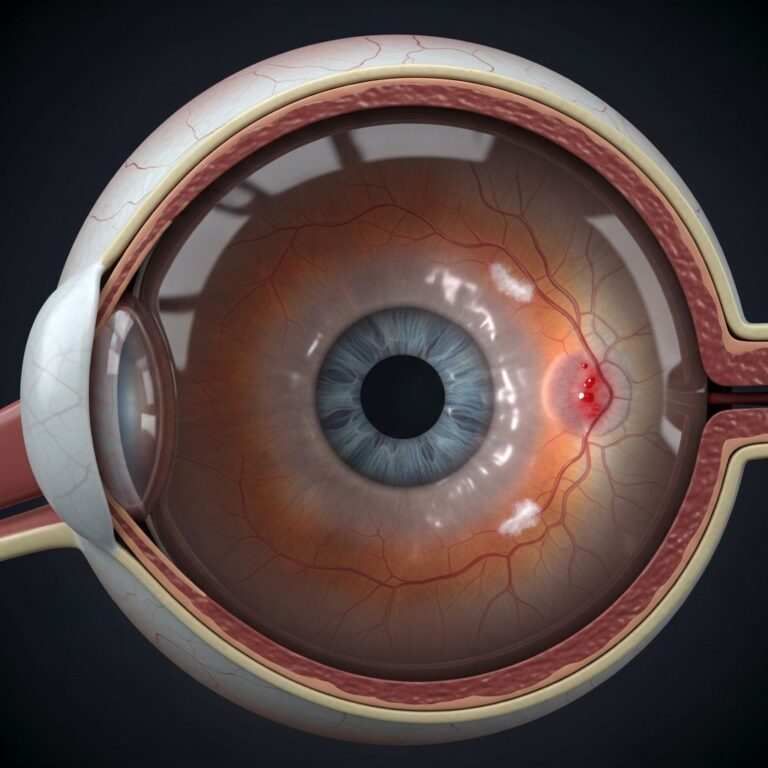
The human eye detects color through three types of cone cells sensitive to red, green, and blue light wavelengths. Deficiencies arise when one or more cone types function poorly, leading to conditions like protan (red-weak), deutan (green-weak), or tritan (blue-weak) defects. Most cases are inherited, X-linked in males, but acquired forms can stem from diseases, medications, or aging. Early detection via targeted tests prevents misdiagnosis and guides accommodations.
Plate-Based Screening Tests
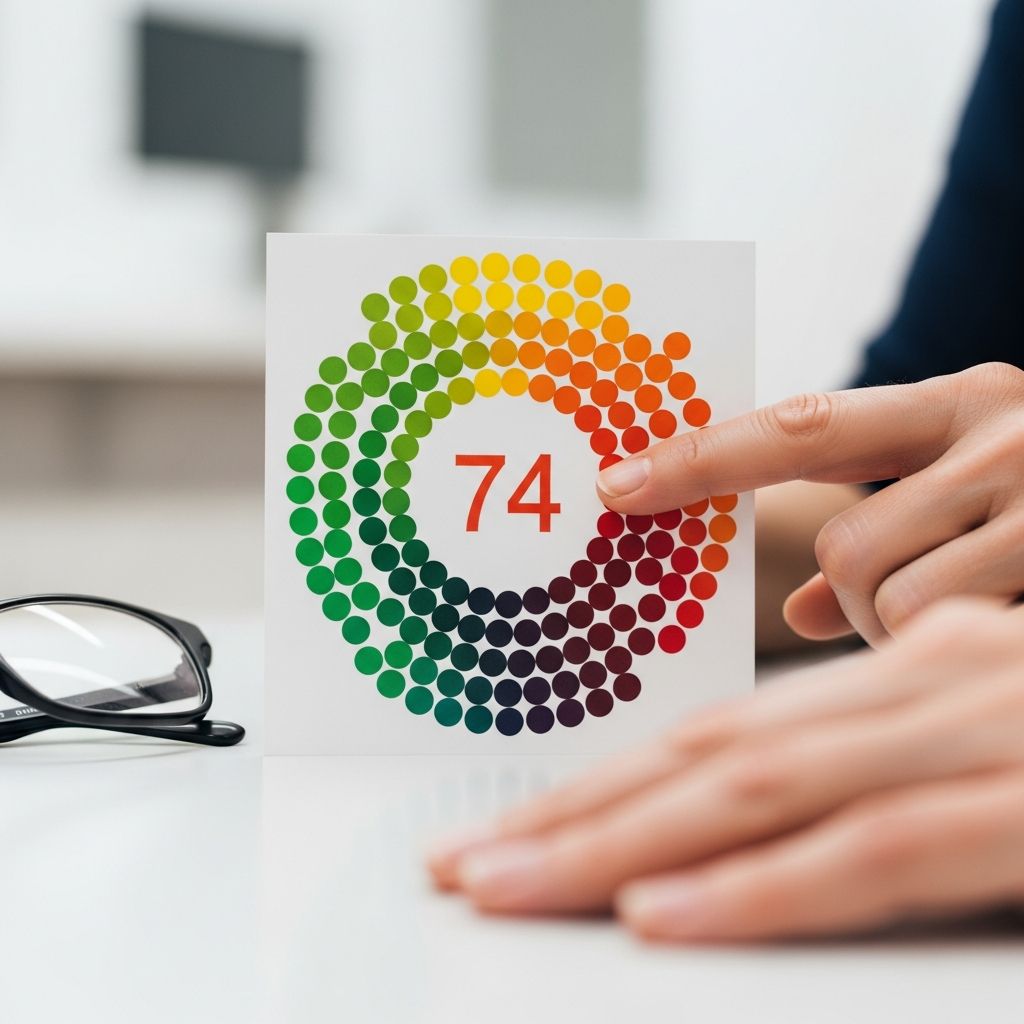
Pseudoisochromatic plate tests remain the cornerstone of initial color vision screening. These involve viewing dotted plates where numbers, shapes, or paths emerge for those with normal vision but blend into the background for the color deficient.
- Ishihara Plates: Developed in 1917, this series uses red-green dot patterns to reveal numerals. Normal viewers read all plates; those with red-green defects miss several, indicating severity from mild to total achromatopsia. Sensitivity reaches 98% for protan/deutan detection.
- Hardy-Rand-Rittler (HRR) Test: Expanded plates detect both red-green and blue-yellow deficiencies, identifying shapes like circles or crosses. It classifies severity and is vital for comprehensive evaluations.
- Pseudoisochromatic Plates (PIP): Featuring randomized dots forming numbers, these excel at pinpointing red-green issues with high specificity.
These tests are quick, portable, and cost-effective, administered in minutes under standard lighting.
Arrangement and Sequencing Tests
These evaluate hue discrimination by requiring test-takers to order color caps or disks by subtle shade differences, revealing confusion axes.
| Test Name | Items | Defects Detected | Sensitivity/Specificity |
|---|---|---|---|
| Farnsworth D-15 | 15 caps | Red-green, blue-yellow | 79%/97% |
| Farnsworth-Munsell 100 Hue | 85 caps | All types, severity | High precision for mild cases |
| Lantern Test | Light pairs | Red-green (night vision) | 84%/100% |
The D-15 is favored for occupational screening; errors cluster along confusion lines. The 100 Hue test, more exhaustive, quantifies discrimination across the spectrum. Lantern simulates signal lights, crucial for maritime or rail workers.
Advanced Instrumental Assessments
For precise quantification, eye specialists use devices matching observer-adjustable fields to standard stimuli.
- Anomaloscope: Observers mix red and green lights to match a yellow field. Deuteranomalous individuals require more green; protans, more red. Gold standard for red-green defects with unmatched accuracy.
- Neitz Test: Innovative plates emphasize L and M cone pathways for rapid screening.
These require controlled environments but provide diagnostic gold standards.
Digital and Online Testing Innovations
Modern web-based tools leverage calibrated screens for accessible screening, though not substitutes for clinical exams.
- Cone Isolation Tests: Isolate cone responses via flickering patterns, scoring proximity to normal vision. Compatible with corrective lenses.
- Colorlite Tests: C-shaped gaps in confusion-line backgrounds detect protan, deutan, tritan with 96-98% accuracy for red-green.
- Mosaic and Landolt Variants: Quick tasks like spotting anomalous squares or gaps, ideal for children.
Related Stories



These boast high sensitivity (up to 100% specificity in some) but demand quality displays.
Who Needs Testing and When
Screening is recommended for children entering school, job applicants in color-critical fields, or those reporting vision changes. Frequency: annually for at-risk professions. Females test if family history suggests carrier status; males routinely due to prevalence (8%). Acquired cases warrant retesting post-illness.
Limitations and Best Practices
No test is infallible; lighting, fatigue, or screen calibration affect results. Combine screening (e.g., Ishihara) with confirmatory (anomaloscope) tests. Monochromacy requires specialized exams. Consult optometrists for interpretation; self-tests guide but don’t diagnose.
FAQs
What is the most common color blindness test?
The Ishihara plate test, using dot patterns to reveal numbers invisible to red-green deficient viewers.
Can I test for color blindness online?
Yes, tools like Colorlite or EnChroma offer reliable preliminary assessments, but professional verification is essential.
How accurate are color blind tests?
Varies: Ishihara ~98% for red-green; D-15 ~80%; anomaloscope near-perfect for specifics.
Do color blind glasses affect test results?
Some online tests allow pre/post comparisons to measure enhancement.
Is color blindness curable?
Inherited forms aren’t, but aids like EnChroma lenses improve discrimination; test to gauge benefits.
Mastering color vision testing empowers informed decisions, from career choices to daily adaptations. Regular eye exams ensure optimal outcomes.
References
- Physics of Light and Color – Ishihara Colorblindness Test — Florida State University. Accessed 2026. https://micro.magnet.fsu.edu/primer/java/humanvision/colorblindness/index.html
- COLOR BLIND TEST — Color-Blind-Test.com. Accessed 2026. https://www.color-blind-test.com
- Free Online Color Blind Test — EnChroma. Accessed 2026. https://enchroma.com/pages/test
- Color Blind Test | Color Vision Test — Colorlite. Accessed 2026. https://www.colorlitelens.com/color-blindness-test.html
- Test Your Color Vision | Ishihara Test — ColorMax.org. Accessed 2026. https://colormax.org/color-blind-test/
- What To Know About Color Blindness Tests — Cleveland Clinic. 2023-02-23. https://my.clevelandclinic.org/health/diagnostics/color-blind-test
- Color Blindness – Test for Colorblindness — Research to Prevent Blindness. Accessed 2026. https://www.rpbusa.org/eye-diseases/test-for-colorblindness/
Similar Articles








Read full bio of medha deb