Testosterone Deficiency and Erectile Dysfunction
Understanding the link between low testosterone and erectile dysfunction: causes, symptoms, and treatment options.
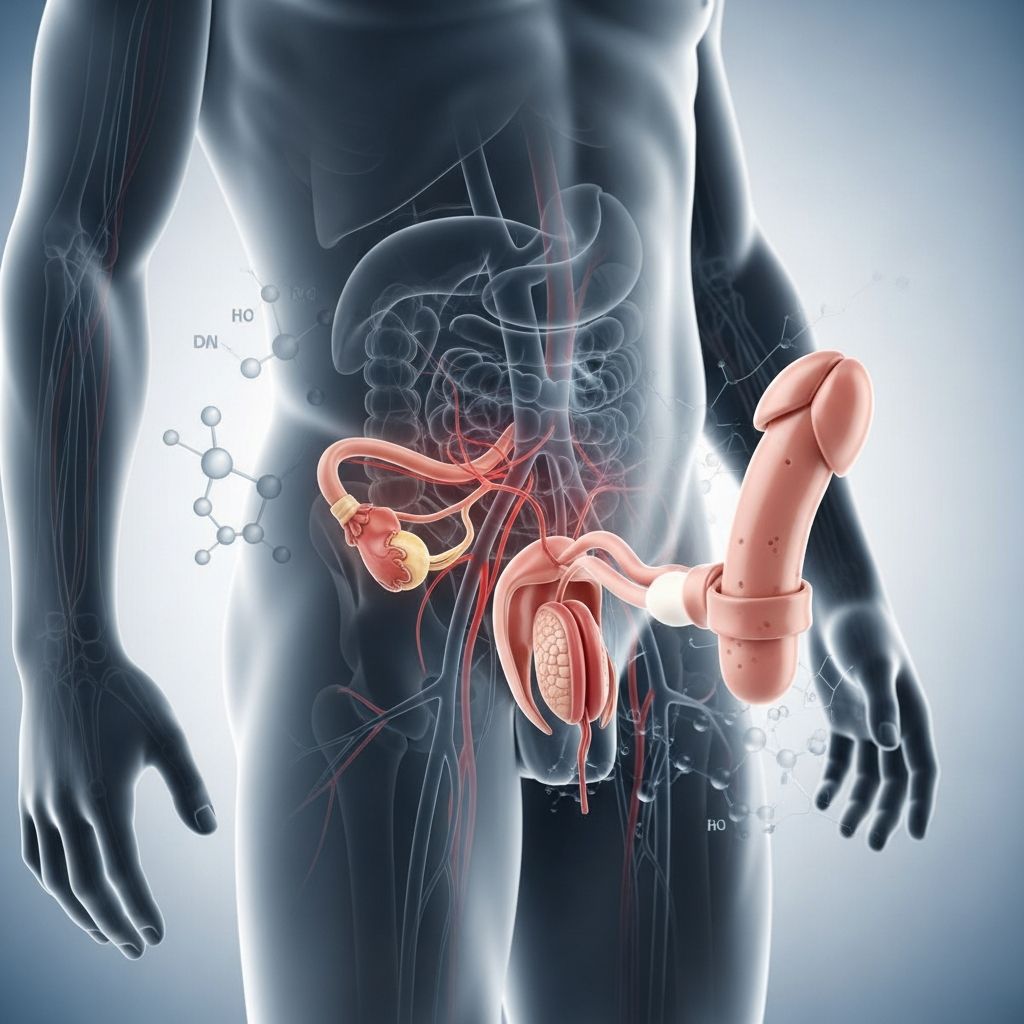
Understanding Testosterone Deficiency and Erectile Dysfunction
Testosterone deficiency, also known as male hypogonadism or low testosterone (low T), is a condition in which the body produces insufficient testosterone—the primary male sex hormone. This condition has become increasingly recognized for its significant impact on sexual function, particularly in relation to erectile dysfunction (ED). Understanding the connection between testosterone and erectile function is essential for men experiencing sexual health concerns, as testosterone plays a crucial role in maintaining healthy erections and sexual desire.
Research has established that testosterone deficiency is directly associated with a decline in erectile function, and testosterone levels are inversely correlated with the increasing severity of erectile dysfunction. This means that as testosterone levels drop, the likelihood and severity of erectile dysfunction tend to increase. However, the relationship between these two conditions is complex and multifaceted, involving both hormonal and vascular mechanisms.
The Role of Testosterone in Erectile Function
Testosterone plays multiple critical roles in achieving and maintaining erections. The hormone works at both the systemic level and the local level within the penis itself. At the cellular level, testosterone increases the expression of nitric oxide synthase and phosphodiesterase type 5 (PDE5), both of which are principal enzymes involved in the erectile process. Nitric oxide is essential for relaxing vascular smooth muscle cells, allowing blood to flow into the penis and create an erection.
Additionally, testosterone deficiency can cause structural changes in the penis that directly impair erectile function. Animal studies have demonstrated that castration (removal of testosterone-producing testicles) causes vascular smooth muscle cell atrophy, venous leakage, adipocyte accumulation in the subtunical space, loss of elastic fibers, and increased collagen deposition. These changes compromise the penis’s ability to trap blood and maintain rigidity during sexual activity.
Common Symptoms of Testosterone Deficiency
Testosterone deficiency affects far more than sexual function. Men with low testosterone often experience a range of physical, emotional, and cognitive symptoms that can significantly impact their quality of life.
Sexual and Reproductive Symptoms
- Erectile dysfunction: Difficulty getting or maintaining an erection suitable for sexual activity
- Decreased libido: Reduced interest in sexual activity or intimacy
- Loss of morning erections: Absence of spontaneous erections upon waking
- Low sperm count: Reduced fertility and problems with conception
Physical Symptoms
- Loss of muscle mass and strength: Difficulty building or maintaining muscle, even with regular exercise
- Increased body fat: Particularly fat accumulation around the abdomen and chest, sometimes called “man boobs” or gynecomastia
- Reduced bone density: Increased risk of osteoporosis and bone fractures
- Hair loss: Thinning of facial, body, and scalp hair
- Fatigue and low energy: Persistent tiredness despite adequate sleep and nutrition
Related Stories



Emotional and Cognitive Symptoms
- Depression: Clinical depression or depressed mood
- Mood swings and irritability: Emotional instability or increased anger
- Difficulty concentrating: Problems with focus and short-term memory
- Sleep disturbances: Insomnia or excessive daytime tiredness
- Hot flashes: Sudden waves of heat, particularly in severe cases
It is important to note that some men with testosterone deficiency may not experience any symptoms at all, making diagnostic testing essential for those with risk factors.
Causes of Testosterone Deficiency
Testosterone deficiency can result from various causes, which are broadly categorized into primary and secondary hypogonadism.
Primary Hypogonadism
Primary hypogonadism occurs when the testicles themselves are unable to produce adequate testosterone, even when stimulated by hormonal signals from the pituitary gland.
Congenital causes include:
- Klinefelter syndrome
- Undescended testicles
- Testicular dysgenesis
Acquired causes include:
- Injury or trauma to the testicles
- Testicular infection, such as mumps orchitis
- Cancer treatment, including chemotherapy or radiation
- Hemochromatosis (excessive iron in the blood)
- Previous testicle removal or orchiectomy
Secondary Hypogonadism
Secondary hypogonadism develops when the hypothalamus or pituitary gland fails to properly signal the testicles to produce testosterone. This is also called hypogonadotropic hypogonadism because luteinizing hormone (LH) and follicle-stimulating hormone (FSH) levels are low.
Causes include:
- Pituitary tumors or disorders
- Hypothalamus dysfunction
- Obesity and metabolic syndrome
- Type 2 diabetes
- Sleep apnea
- Chronic illness or stress
Medication-Induced Causes
Certain medications can significantly lower testosterone levels by interfering with testosterone synthesis or function. These include methotrexate, chemotherapy agents, testosterone synthesis inhibitors like ketoconazole, 5-alpha reductase inhibitors used for prostate conditions, spironolactone, and drugs that block estrogen receptors such as clomiphene and tamoxifen.
The Complex Relationship Between Testosterone and Erectile Dysfunction
While testosterone deficiency is associated with erectile dysfunction, the relationship is more nuanced than a simple cause-and-effect scenario. Some men maintain healthy erections despite testosterone levels well below the normal range, indicating that testosterone is not the sole determinant of erectile function.
Low testosterone is linked to multiple chronic conditions that independently contribute to erectile dysfunction, including type 2 diabetes, obesity, high blood pressure, high cholesterol, hardening of the arteries, and heart disease. This overlap means that testosterone deficiency may worsen ED through multiple pathways rather than through testosterone’s direct effects alone.
Additionally, psychological factors such as depression, anxiety, and relationship issues—which are themselves often consequences of testosterone deficiency—can significantly impair erectile function independent of hormonal factors. The emotional symptoms of low testosterone may actually be responsible for much of the sexual dysfunction experienced by affected men.
Diagnostic Testing and Assessment
Given that some men with testosterone deficiency have no symptoms, and that symptoms are nonspecific and can result from other conditions, proper diagnosis requires both clinical assessment and laboratory testing. It is now recommended that testosterone levels should be assessed in all patients with erectile dysfunction to identify men who might benefit from testosterone replacement therapy.
Diagnosis of male hypogonadism requires both clinical symptoms and biochemical evidence of testosterone deficiency. A single blood test showing low testosterone may not be sufficient; confirmation with repeat testing is often recommended. Testing should ideally be performed in the morning, as testosterone levels naturally fluctuate throughout the day.
Treatment Options for Testosterone Deficiency and Erectile Dysfunction
Testosterone Replacement Therapy (TRT)
Testosterone replacement therapy can effectively restore erectile function in many men with documented testosterone deficiency. Research demonstrates that testosterone replacement alone in hypogonadal men can restore erectile function in a significant proportion of cases. However, the effectiveness of TRT varies depending on the severity of testosterone deficiency and the baseline severity of erectile dysfunction.
Studies have shown that men with more severe testosterone deficiency (below 8 nmol/L) experience greater improvements in sexual function compared to men with mild hypogonadism (below 12 nmol/L). This suggests that the more pronounced the testosterone deficit, the more dramatic the potential improvement with treatment.
Testosterone replacement therapy is available in multiple forms, including intramuscular injections, topical gels, transdermal patches, oral medications, and subcutaneous implants. The choice of formulation depends on individual preference, medical history, and response to treatment.
However, it is important to note that some research suggests erection improvements resulting from TRT may not persist over the long term in all men, and some men with low testosterone who have severe erectile dysfunction may not achieve complete resolution of symptoms with TRT alone.
Combination Therapy with PDE5 Inhibitors
A significant proportion of men who fail to respond to phosphodiesterase type 5 (PDE5) inhibitors—medications such as sildenafil, tadalafil, and vardenafil—are found to be testosterone deficient. Testosterone replacement therapy can convert over half of these men into PDE5 responders, making them responsive to these medications.
In men with more severe erectile dysfunction, combining testosterone replacement therapy with PDE5 inhibitors may be more effective than either treatment alone. These medications work synergistically: testosterone restores the body’s natural erectile mechanisms, while PDE5 inhibitors enhance blood flow to the penis by preventing the breakdown of cyclic guanosine monophosphate (cGMP), a critical chemical messenger in the erectile pathway.
Lifestyle Modifications
Beyond pharmacological treatment, several lifestyle modifications can help improve testosterone levels and erectile function:
- Weight loss: Obesity is strongly associated with testosterone deficiency; weight reduction through diet and exercise can naturally increase testosterone levels
- Regular exercise: Resistance training and cardiovascular exercise improve testosterone production and erectile function
- Sleep optimization: Adequate quality sleep is essential for testosterone production
- Stress reduction: Chronic stress suppresses testosterone; meditation, yoga, and counseling can help
- Improved nutrition: Adequate protein, zinc, and vitamin D support testosterone production
- Reduced alcohol consumption: Excessive alcohol lowers testosterone levels
Benefits Beyond Sexual Function
Treating low testosterone offers benefits that extend well beyond erectile function restoration. TRT can improve mood, increase energy levels, enhance muscle mass and strength, reduce body fat, and improve concentration and mental clarity. Additionally, testosterone replacement therapy may protect against some risk factors for erectile dysfunction by reducing abdominal fat, increasing insulin sensitivity, and lowering the risk for type 2 diabetes.
Some studies suggest that appropriate TRT in men with low testosterone may benefit overall heart health, though high-dose testosterone can potentially worsen existing heart disease. Men with pre-existing or high-risk cardiovascular disease should be carefully evaluated before initiating TRT, as recent research has shown mixed results regarding cardiovascular benefits in this population.
When to Seek Medical Attention
Men should make a medical appointment if they experience any symptoms of testosterone deficiency, particularly erectile dysfunction combined with other symptoms such as fatigue, mood changes, muscle loss, or decreased libido. Finding the underlying cause of hypogonadism is an important first step toward obtaining appropriate treatment.
Additionally, erectile dysfunction itself should be evaluated by a healthcare provider, as it may be the first symptom of serious cardiovascular disease or other significant health conditions. A comprehensive evaluation ensures that any underlying conditions are properly identified and managed.
Frequently Asked Questions
Q: Can erectile dysfunction caused by low testosterone be reversed?
A: Yes, in many cases erectile dysfunction can be reversed with appropriate testosterone replacement therapy, especially when testosterone deficiency is the primary cause. However, results vary based on the severity of testosterone deficiency, baseline ED severity, and individual factors. Some men may require combination therapy with PDE5 inhibitors for optimal results.
Q: What is the normal testosterone level range for men?
A: Normal testosterone levels in adult men typically range from 300 to 1000 ng/dL (10.4 to 34.7 nmol/L). However, symptoms of deficiency may occur at different threshold levels in different individuals, and diagnosis should combine clinical symptoms with laboratory testing.
Q: Are there risks associated with testosterone replacement therapy?
A: Like all medications, testosterone replacement therapy carries potential risks and side effects that vary depending on the form of treatment and individual factors. Men with certain cardiovascular conditions, prostate cancer, or sleep apnea require careful evaluation before starting TRT. Regular monitoring by a healthcare provider is essential during treatment.
Q: Can lifestyle changes alone increase testosterone levels?
A: Lifestyle modifications including weight loss, regular exercise, adequate sleep, stress reduction, and improved nutrition can help naturally increase testosterone levels and may improve erectile function. However, men with severe testosterone deficiency may still require medical treatment to achieve normal hormone levels.
Q: Is erectile dysfunction always caused by low testosterone?
A: No. While testosterone deficiency is an important cause of erectile dysfunction, many other factors can cause ED, including cardiovascular disease, diabetes, psychological conditions like depression and anxiety, neurological disorders, certain medications, and relationship issues. A comprehensive evaluation is necessary to identify the underlying cause.
Q: How long does it take for testosterone replacement therapy to improve erectile function?
A: The timeline for improvement varies among individuals. Some men notice improvements in libido and mood within weeks of starting treatment, while improvements in erectile function may take several months. Consistent treatment compliance and medical monitoring are important for achieving optimal results.
References
- Erectile dysfunction and testosterone deficiency — National Center for Biotechnology Information (NCBI). 2008. https://pubmed.ncbi.nlm.nih.gov/19011292/
- Male hypogonadism – Symptoms & causes — Mayo Clinic. 2024. https://www.mayoclinic.org/diseases-conditions/male-hypogonadism/symptoms-causes/syc-20354881
- Could you have low testosterone? — MedlinePlus Medical Encyclopedia. 2025. https://medlineplus.gov/ency/patientinstructions/000722.htm
- Low Testosterone and ED – Erectile Dysfunction — WebMD. 2024. https://www.webmd.com/erectile-dysfunction/erectile-dysfunction
- Low Testosterone (Low T): Causes, Symptoms & Treatment — Cleveland Clinic. 2024. https://my.clevelandclinic.org/health/diseases/15603-low-testosterone-male-hypogonadism
- Late onset hypogonadism (LOH), what does that mean for a man? — European Association of Urology (EAU). 2024. https://uroweb.org/news/late-onset-hypogonadism-loh-what-does-that-mean-for-a-man
Similar Articles








Read full bio of Sneha Tete