Testosterone Gel Therapy: Benefits, Risks, And How To Use
Discover how testosterone gel restores hormone balance, boosts vitality, and supports male health while understanding its risks and proper use.
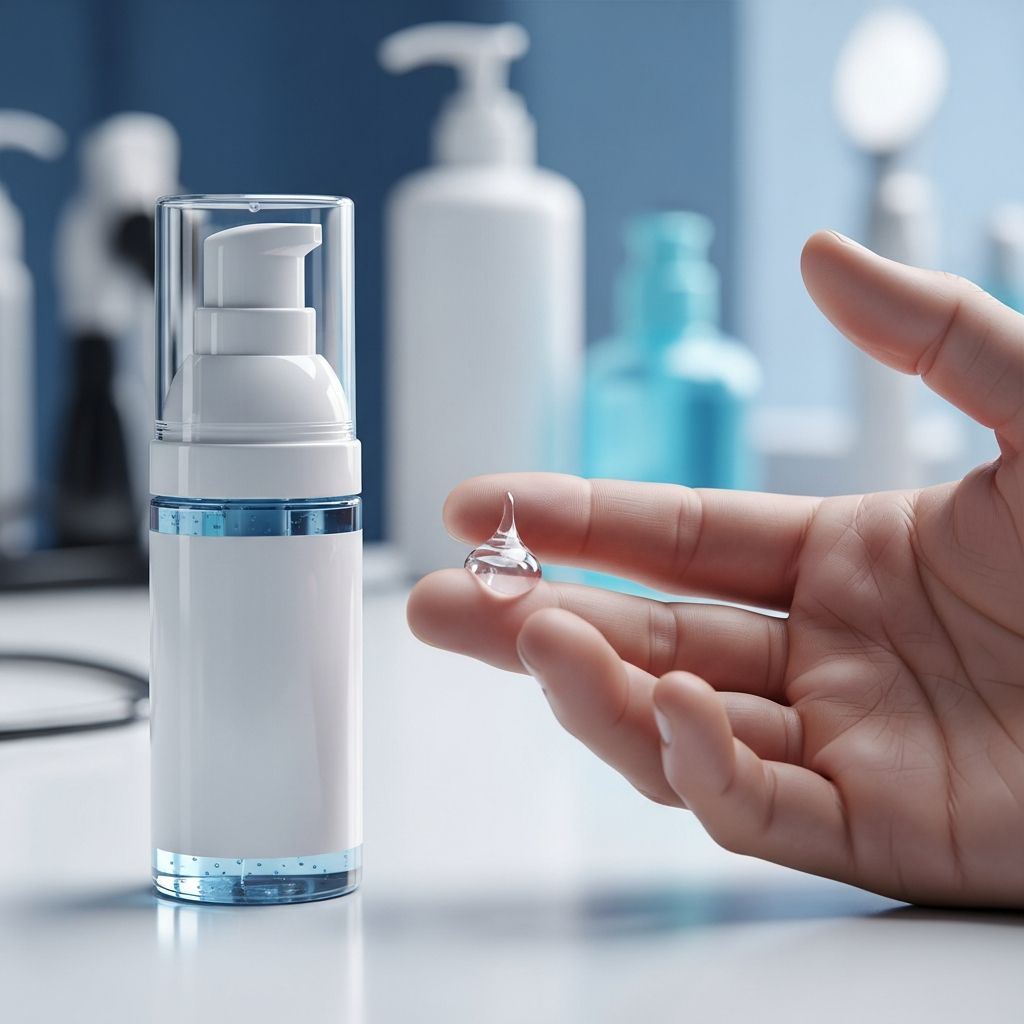
Testosterone gel serves as a key form of hormone replacement therapy for men experiencing low testosterone levels, known as hypogonadism. This topical treatment delivers the hormone directly through the skin to mimic natural production, helping alleviate symptoms like fatigue, reduced muscle mass, and diminished libido.
Understanding Low Testosterone and Its Impact
Low testosterone, or hypogonadism, occurs when the body fails to produce sufficient amounts of this vital hormone, which is essential for male development and ongoing health. Symptoms often include decreased energy, mood disturbances, loss of muscle strength, reduced bone density, and impaired sexual function. In older men, levels naturally decline, but clinically low levels warrant intervention to restore normal ranges, typically 300-1000 ng/dL.
Clinical trials, such as the Testosterone Trials, have shown that restoring these levels can address specific deficiencies. For instance, older men over 65 with confirmed low testosterone experienced benefits in anemia correction and bone health after one year of treatment.
Key Benefits of Testosterone Gel
Testosterone gel offers targeted relief for hypogonadism symptoms by elevating hormone levels steadily over 24 hours. Major advantages include:
- Enhanced Sexual Health: Improves libido, erectile function, and overall satisfaction, particularly when combined with other treatments.
- Increased Muscle and Strength: Promotes lean body mass and physical performance.
- Bone Density Improvement: Boosts mineral density in the spine and hip, reducing osteoporosis risk, with stronger effects from certain delivery methods.
- Better Mood and Energy: Elevates sense of well-being, reduces fatigue, and supports cognitive function.
- Anemia Correction: Raises blood counts, addressing low hemoglobin effectively compared to placebo.
A review of replacement therapies confirms these outcomes, noting improvements in body composition, erythropoiesis, and quality of life. Table below summarizes potential gains:
| Benefit | Supported Effects | Evidence Level |
|---|---|---|
| Sexual Desire & Function | Increased activity and satisfaction | High (RCTs) |
| Bone Mineral Density | Spine and hip gains | Moderate-High |
| Muscle Mass & Strength | Lean mass increase | High |
| Mood & Energy | Reduced fatigue | Moderate |
| Erythropoiesis | Anemia correction | High |
Who Can Benefit from This Treatment?
Primarily prescribed for adult men with diagnosed hypogonadism confirmed by blood tests showing consistently low levels. It’s unsuitable for those with prostate cancer, severe heart conditions, or uncontrolled sleep apnea. Women may use low doses off-label for menopausal low libido alongside HRT, though evidence is limited and not universal.
Guidelines from bodies like the American College of Physicians suggest benefits mainly for symptomatic low testosterone, not routine use in healthy aging men.
How to Apply Testosterone Gel Correctly
Available in packets, pumps, or tubes (e.g., 1% concentration delivering 50mg/5g), apply once daily to clean, dry skin on shoulders, upper arms, or abdomen. Avoid bathing or sweating for 2-5 hours post-application to ensure absorption. Wash hands thoroughly afterward to prevent transfer.
- Clean and dry application site.
- Squeeze or pump measured dose.
- Rub gently into skin until absorbed (no residue).
- Cover loosely if needed; do not apply lotions over it.
- Rotate sites to prevent irritation.
Related Stories



Dosage is individualized, often starting at 50-100mg daily, adjusted based on follow-up blood tests every 3-6 months.
Potential Risks and Side Effects
While effective, testosterone gel carries risks requiring medical oversight. Common side effects include skin irritation at the site, headaches, and mood swings. More serious concerns involve:
- Cardiovascular Effects: Possible plaque progression or events; larger trials needed.
- Prostate Health: Monitor PSA levels for cancer risk.
- Blood Changes: Elevated red blood cells increasing clot risk; regular hematocrit checks essential.
- Cholesterol & Calcium: Impacts lipid profiles and may raise calcium in certain conditions.
- Transfer Risk: Can affect women/children via skin contact, causing unintended masculinization.
Transdermal systems like gels maintain physiologic levels with fewer peaks than injections, potentially lowering some risks.
Monitoring and Long-Term Management
Regular follow-ups are crucial: baseline and periodic tests for testosterone, hematocrit, PSA, lipids, and prostate exams. Adjust dose to avoid supraphysiologic levels. Lifestyle factors like weight management and exercise enhance outcomes.
Studies emphasize one-year data shows benefits but underscore need for extended research on heart and prostate risks.
Comparing Testosterone Gel to Other Forms
| Form | Pros | Cons |
|---|---|---|
| Gel | Steady levels, easy apply, mimics natural rhythm | Skin irritation, transfer risk, daily use |
| Injections | Less frequent, potent bone effects | Peaks/troughs, pain |
| Patches | Non-messy | Skin reactions common |
| Pellets | Long-lasting | Invasive insertion |
Gels provide convenient 24-hour delivery approximating normal circadian patterns.
Frequently Asked Questions (FAQs)
What if I miss a dose?
Apply as soon as remembered unless near next dose; skip if close—do not double up.
Can women use testosterone gel?
Limited low-dose use for menopausal libido; consult specialist, as research shows no broad benefits for mood or energy.
How soon do effects start?
Sexual improvements in 3-6 weeks; full muscle/bone benefits in 6-12 months.
Does it increase heart attack risk?
Unclear; short trials show mixed results—ongoing large studies assess this.
Is it safe long-term?
Benefits established short-term; long-term risks need more data, especially cardiovascular.
Lifestyle Tips to Maximize Benefits
Combine therapy with:
- Balanced diet rich in zinc and healthy fats.
- Resistance training to amplify muscle gains.
- Adequate sleep for natural hormone support.
- Stress reduction to prevent cortisol interference.
Avoid alcohol excess and obesity, which exacerbate low testosterone.
References
- The Effects of Testosterone Gel on Health Outcomes — JAMA Network (YouTube). 2017-02-21. https://www.youtube.com/watch?v=r-bm2KNhKvw
- The benefits and risks of testosterone replacement therapy: a review — PMC (NCBI). 2009-06-09. https://pmc.ncbi.nlm.nih.gov/articles/PMC2701485/
- Testosterone Gel: Uses, Side Effects, Dosage & More — GoodRx. Recent access (2026). https://www.goodrx.com/testosterone/what-is
- Testosterone Topical: MedlinePlus Drug Information — MedlinePlus (NIH). Recent update. https://medlineplus.gov/druginfo/meds/a605020.html
- Testosterone Gel — Mid and South Essex ICS (NHS). Recent. https://www.midandsouthessex.ics.nhs.uk/health/personalised-care/medicines-management/medicines-advice/testosterone-gel/
- Testosterone therapy: Potential benefits and risks as you age — Mayo Clinic. Recent. https://www.mayoclinic.org/healthy-lifestyle/sexual-health/in-depth/testosterone-therapy/art-20045728
Similar Articles








Read full bio of medha deb