Testosterone Replacement Therapy: 5 Delivery Methods
Explore the essentials of TRT: benefits, methods, risks, and monitoring for optimal hormone balance and well-being.

Testosterone Replacement Therapy (TRT) restores testosterone levels in individuals with clinically low amounts, addressing symptoms like fatigue, reduced libido, and muscle loss. Approved by regulatory bodies for hypogonadism, TRT uses synthetic hormones to mimic natural production.
Understanding Low Testosterone and When TRT is Needed
Testosterone, primarily produced in the testes, supports muscle growth, bone density, red blood cell production, and sexual health. Levels peak in early adulthood and decline gradually, but hypogonadism—due to testicular damage, pituitary issues, or aging—causes significant drops below 300 ng/dL, confirmed by two morning blood tests.
Symptoms include erectile dysfunction, depression, anemia, and decreased energy. Diagnosis involves evaluating symptoms alongside lab results, ruling out reversible causes like obesity or medications.
- Fatigue and low energy: Common in 70% of cases.
- Loss of muscle mass: Despite exercise.
- Mood changes: Irritability or depression.
- Sexual issues: Reduced desire and function.
TRT candidacy requires medical evaluation; it’s not for age-related decline alone without symptoms.
Available Delivery Methods for TRT
TRT options vary by absorption, convenience, and side effects. Providers tailor choices based on patient lifestyle.
| Method | Description | Pros | Cons |
|---|---|---|---|
| Injections | Testosterone cypionate or enanthate, weekly or bi-weekly intramuscularly. | Affordable, effective peaks. | Fluctuating levels, injection pain. |
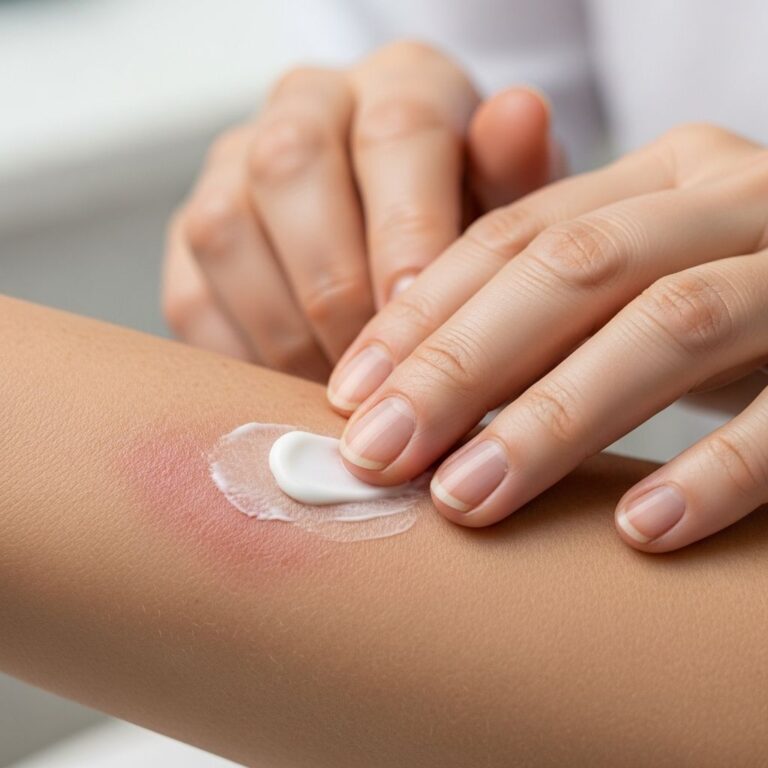
| Gels/Creams | Daily skin application. | Steady levels, non-invasive. | Risk of transfer to others, skin irritation. |
| Patches | Daily skin-worn. | Consistent release. | Rash common. |
| Pellets | Implanted subcutaneously every 3-6 months. | Low maintenance. | Invasive procedure, infection risk. |
| Intranasal | Gel sprayed in nose multiple times daily. | No skin contact. | Nasal irritation, frequent dosing. |
Oral forms are rare due to liver toxicity risks.
Key Benefits of Starting TRT
Effective TRT alleviates hypogonadism symptoms, improving quality of life. Benefits emerge within weeks, peaking at 3-6 months.
- Energy boost: Enhanced stamina for daily activities.
- Sexual health: Improved libido, erections.
- Body composition: Muscle gain, fat loss.
- Bone health: Increased density, reducing fracture risk.
- Mood enhancement: Less depression, better cognition.
Studies show anemia improvement and potential cardiovascular benefits in select groups, though long-term data varies.
Potential Risks and Side Effects
TRT isn’t risk-free; monitoring mitigates issues. Common effects include acne, sleep apnea worsening, and breast enlargement.
- Fertility impact: Suppresses sperm production; use HCG or alternatives for fertility preservation.
- Prostate concerns: May stimulate growth; regular PSA checks needed.
- Blood changes: Elevated hematocrit risks clots.
- Cardiovascular: Mixed evidence; FDA warns of heart risks in some.
TRT shrinks testicles and halts natural production, requiring lifelong commitment.
Monitoring Protocol During TRT
Post-initiation, blood tests every 3-6 months initially, then annually assess levels, hematocrit, PSA, and lipids.
- Baseline: Testosterone, PSA, hematocrit, lipids.
- 3 months: Full panel, symptom review.
- Ongoing: Adjust dose for optimal 400-700 ng/dL range.
Watch for polycythemia (hematocrit >54%) needing phlebotomy.
Lifestyle Factors to Maximize TRT Success
TRT pairs best with healthy habits. Weight loss amplifies benefits in obese patients.
- Exercise: Resistance training builds muscle.
- Diet: Balanced, zinc-rich foods support hormones.
- Sleep: 7-9 hours nightly.
- Avoid alcohol/smoking: They lower testosterone.
Fertility-focused patients may use adjunct therapies like SERMs.
Who Should Avoid TRT?
Related Stories



Contraindications include prostate/breast cancer, severe sleep apnea, uncontrolled heart failure, or desire for fertility without alternatives.
Women generally avoid systemic TRT due to virilization risks, except in specific gender-affirming contexts.
Long-Term Considerations and Discontinuation
TRT is typically indefinite; stopping causes symptom return as natural production recovers slowly (months).
If no improvement after 3-6 months, reassess diagnosis. Guidelines emphasize shared decision-making.
Frequently Asked Questions (FAQs)
What are the first signs TRT is working?
Energy and mood improvements within 3-6 weeks; libido by 1-3 months.
Does TRT cause hair loss?
May accelerate male-pattern baldness in genetically prone individuals.
Can women use TRT?
Rarely, for hypoactive sexual desire disorder under supervision; not standard.
How much does TRT cost?
Varies; generics affordable, monitored programs $50-200/month.
Is TRT safe long-term?
With monitoring, yes for most; risks managed via regular checks.
References
- Testosterone Replacement Therapy (TRT): What It Is — Cleveland Clinic. 2023. https://my.clevelandclinic.org/health/treatments/testosterone-replacement-therapy-trt
- Understanding Testosterone Replacement Therapy — Men’s Health Clinic Manitoba. 2024. https://mhclinic.ca/testosterone-replacement-therapy/
- Testosterone Therapy Patient Guide — Urology Care Foundation. 2022. https://www.urologyhealth.org/documents/Product-Store/English/Testosterone-Therapy-Patient-Guide.PDF
- Canadian Urological Association guideline on testosterone deficiency — PMC (NCBI). 2021-05-01. https://pmc.ncbi.nlm.nih.gov/articles/PMC8095276/
- Testosterone therapy: Potential benefits and risks — Mayo Clinic. 2023. https://www.mayoclinic.org/healthy-lifestyle/sexual-health/in-depth/testosterone-therapy/art-20045728
- Testosterone Therapy for Hypogonadism Guideline Resources — Endocrine Society. 2024. https://www.endocrine.org/clinical-practice-guidelines/testosterone-therapy
Similar Articles








Read full bio of Sneha Tete