Testosterone Test: What It Is, How It’s Done & Results
Complete guide to testosterone testing: understanding the procedure, results, and what abnormal levels mean.
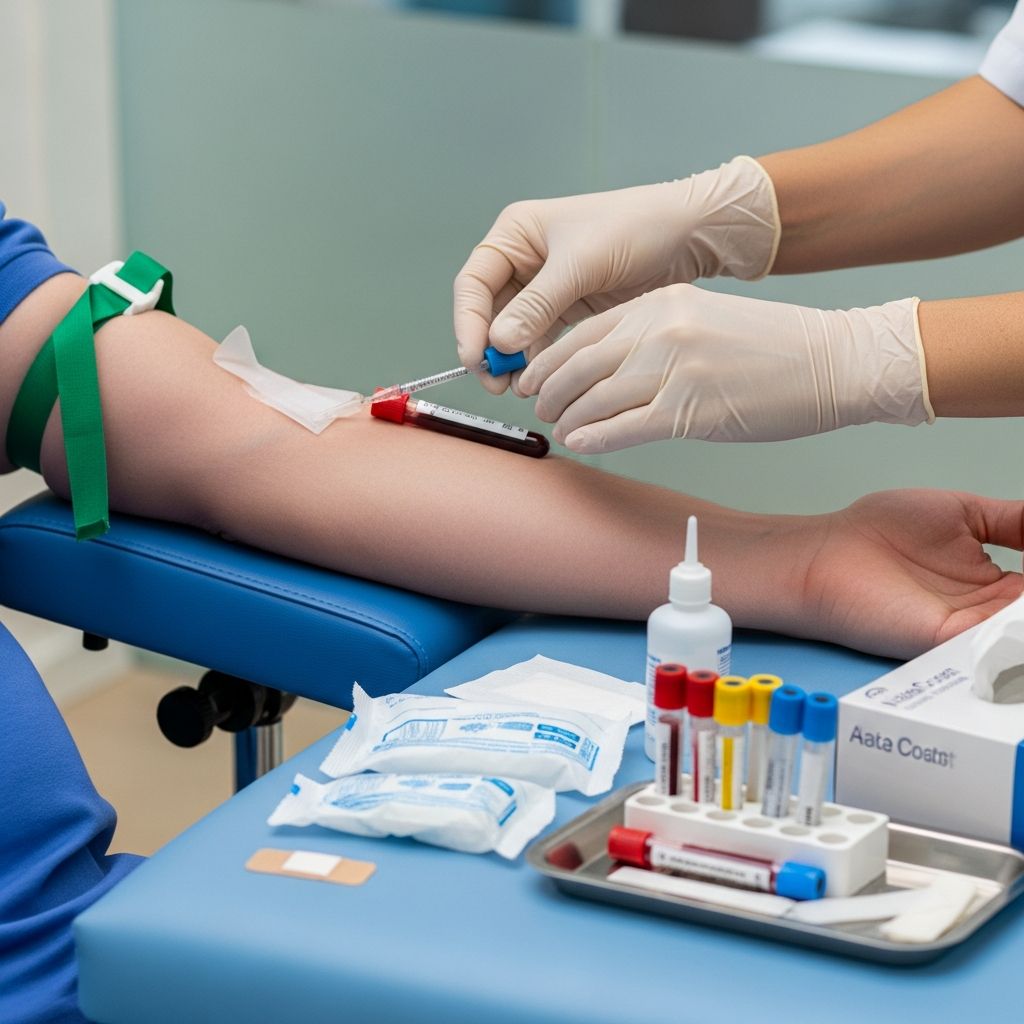
A testosterone test is a blood test that measures your levels of testosterone, a hormone that plays crucial roles in your body’s functioning. Your gonads (sex organs)—specifically the testicles in males and the ovaries in females—primarily produce testosterone. While testosterone is often associated with male development and function, it’s important to recognize that both males and females produce this hormone, though levels naturally differ significantly between the sexes.
Your body functions optimally when testosterone levels remain within a certain range. When testosterone levels become too low or too high, it can result in various health problems regardless of your biological sex. Healthcare providers may recommend a testosterone test if you experience symptoms that suggest abnormal testosterone levels, making this test an essential diagnostic tool for identifying hormonal imbalances.
What Is Testosterone and Why Does It Matter?
Testosterone is a hormone essential for numerous bodily functions. In males, it supports the development of male characteristics, maintains muscle mass and bone density, and plays a vital role in sexual function and fertility. In females, testosterone contributes to bone health, muscle development, and sexual function, though in much smaller quantities.
Testosterone exists in two forms within your body: free testosterone, which is not attached to any proteins and is readily available for your body to use, and bound testosterone, which is attached to proteins in your bloodstream. Free testosterone is generally easier for your body to utilize, making it an important marker when evaluating hormonal health.
Types of Testosterone Tests Available
Healthcare providers can measure testosterone levels through three different types of tests, each providing different information:
Total Testosterone Test
The total testosterone test measures both bound and free testosterone combined. This is the most commonly ordered testosterone test and typically serves as the first screening tool for suspected testosterone imbalances. It provides a comprehensive overview of your overall testosterone production and is the standard test used in most clinical settings.
Free Testosterone Test
This test measures only the unattached form of testosterone that circulates freely in your bloodstream. While less commonly ordered than the total testosterone test, the free testosterone test may help your healthcare provider diagnose certain medical conditions, particularly when total testosterone results appear normal but symptoms persist.
Bioavailable Testosterone Test
The bioavailable testosterone test measures free testosterone along with testosterone that’s attached to proteins other than SHBG (sex hormone-binding globulin). This test is not commonly performed in routine clinical practice but may be useful in specific diagnostic situations to provide a more complete picture of testosterone availability in your body.
Why Your Healthcare Provider Might Order This Test
Testosterone testing serves multiple important purposes in healthcare. Your provider may use a testosterone levels test in conjunction with other diagnostic tools to identify the cause of abnormal testosterone levels. Additionally, this test can monitor your health if you have a history of abnormal testosterone results, are taking medications that may affect testosterone levels, or are undergoing hormone therapy.
Related Stories



Testing in Males
Healthcare providers primarily recommend testosterone tests for males who have gone through puberty and exhibit signs of low testosterone. Common symptoms that may prompt testing include reduced sexual desire, erectile dysfunction, decreased energy levels, mood changes, or reduced muscle mass. The test helps determine whether these symptoms stem from hormonal deficiency or other underlying conditions.
Testing in Females
Healthcare providers typically order testosterone tests for females who show signs of elevated testosterone. Symptoms that may warrant testing include irregular menstrual periods, excessive facial or body hair growth, male-pattern baldness, acne, or deepening of the voice. These symptoms may indicate polycystic ovary syndrome (PCOS) or other hormonal conditions.
Testing in Transgender and Non-Binary Individuals
For individuals taking masculinizing hormone therapy, providers typically recommend regular testosterone blood tests to ensure the testosterone dose is working effectively and safely. These periodic tests help adjust dosing as needed and monitor overall hormonal health during treatment.
Testing in Children and Adolescents
Your child’s healthcare provider may recommend a testosterone blood test if signs suggest puberty is occurring earlier or later than expected. High testosterone levels may indicate precocious (early) puberty, while low levels might suggest delayed sexual development. This testing helps identify potential growth and development concerns requiring intervention.
How the Testosterone Test Procedure Works
The testosterone test procedure is straightforward and typically takes less than five minutes to complete. Most testosterone tests involve a blood draw conducted in a medical office, laboratory, or clinical setting.
Preparation for Your Test
If you’re getting a total testosterone blood test, your healthcare provider will likely schedule it in the morning since testosterone levels are naturally highest during these hours, typically between 7 and 10 a.m. In some cases, your provider may ask you to fast (avoid eating or drinking anything except water) for several hours before the test. Your provider will inform you of any specific instructions you need to follow before your appointment.
During the Blood Draw
A healthcare professional will clean a small area of your arm, usually the inner elbow, with an antiseptic solution. They’ll insert a small needle into a vein and collect a small amount of blood into a test tube or vial. You may feel a slight sting when the needle is inserted or withdrawn, but this discomfort is minimal and brief. The entire procedure typically takes less than five minutes.
At-Home Testing Options
Some pharmacies and companies sell at-home testosterone tests that contain everything needed to collect a blood or saliva sample for laboratory analysis. However, the accuracy of these tests can vary significantly. It’s essential to consult with your healthcare provider about whether an at-home test is appropriate for your situation and to follow all instructions carefully for sample collection and kit return. Self-diagnosis of testosterone issues is not recommended without professional medical guidance.
What to Expect Regarding Test Results
In most cases, you should receive your testosterone test results within two to three business days, though processing times can vary depending on your laboratory. Blood test reports, including testosterone test results, typically include your testosterone value, the laboratory’s reference ranges for normal levels, and sometimes interpretation notes.
Understanding Normal Ranges
Laboratories may have different reference ranges for normal testosterone levels, and these ranges vary significantly based on your age and sex. What constitutes “normal” testosterone differs substantially between males and females, and can also vary with age. When you receive your results, the laboratory report will indicate what that specific lab considers the normal range. Your healthcare provider will review your results in context of your medical history, current medications, age, and symptoms to determine whether your levels are concerning.
Interpreting Your Results
Your healthcare provider will consider your complete medical history and current medications when reviewing your testosterone test results. They’ll determine whether further testing is necessary and discuss what your results mean for your health. Remember that seeing an abnormal test result doesn’t necessarily indicate a serious medical condition—many factors can affect your results, and your provider can help clarify what your specific results mean.
Risks and Side Effects
Blood tests are very common and essential components of medical testing, with minimal risk. You may experience slight tenderness or bruising at the site where the needle was inserted, but this typically resolves quickly without intervention. Serious complications from testosterone blood tests are extremely rare.
What Abnormal Testosterone Levels Might Indicate
Abnormal testosterone levels can point to several different health issues. Low testosterone in males may result from problems with the testicles (the primary testosterone producers in males), chronic diseases such as liver or kidney disease, pituitary gland disorders, benign tumors, or injury to the testicles. In females, elevated testosterone may suggest hormonal disorders like PCOS. Your healthcare provider will conduct additional testing as needed to identify the underlying cause of abnormal levels.
Frequently Asked Questions
Q: Is there any preparation I need to do before my testosterone test?
A: For total testosterone tests, scheduling your test in the morning (ideally between 7 and 10 a.m.) is important since testosterone levels are naturally highest during these hours. Your provider may ask you to fast before the test in some cases. Always follow your provider’s specific instructions for preparation.
Q: How long does the blood draw take?
A: The entire blood draw procedure for a testosterone test usually takes less than five minutes. The actual needle insertion and blood collection is very quick, though you may need to allow additional time for check-in and paperwork at your appointment.
Q: When will I get my testosterone test results?
A: You should typically receive your testosterone test results within two to three business days, though this timeline can vary depending on your specific laboratory and their current workload.
Q: Why does my test need to be done in the morning?
A: Testosterone levels naturally fluctuate throughout the day, with highest levels typically occurring in the early morning hours between 7 and 10 a.m. Morning testing ensures consistent and comparable results, as lab reference ranges for “normal” are based on morning measurements.
Q: Can I use an at-home testosterone test instead of going to a lab?
A: While at-home testosterone tests are available, their accuracy can vary significantly. Rather than relying on self-diagnosis, it’s best to consult with your healthcare provider about testing options. They can recommend the most appropriate test for your situation and help interpret your results properly.
Q: What does it mean if my testosterone levels are abnormal?
A: Abnormal testosterone levels can indicate various conditions, but an abnormal result doesn’t necessarily mean you have a serious medical condition. Your healthcare provider will consider your symptoms, medical history, medications, and may recommend additional testing to determine the cause of your abnormal levels.
Q: Do I need more than one testosterone test to confirm results?
A: Yes, if low testosterone is suspected, healthcare providers typically require at least two measurements showing low testosterone levels, sampled at least two to three weeks apart, along with the presence of related symptoms to confirm a diagnosis of testosterone deficiency.
Q: Will I feel pain during the blood draw?
A: Most people experience only minimal discomfort—usually just a slight sting when the needle is inserted or withdrawn. The procedure is quick and causes minimal pain for the vast majority of patients.
Q: Do testosterone levels differ between males and females?
A: Yes, testosterone levels are naturally much higher in males than in females. This is why reference ranges for “normal” testosterone differ significantly between sexes, and why the same testosterone value might be normal for one person but abnormal for another depending on biological sex.
Q: Can medications affect my testosterone test results?
A: Yes, certain medications can affect testosterone levels. It’s important to inform your healthcare provider about all medications and supplements you’re taking before your test, as this information helps them interpret your results accurately.
When to Contact Your Healthcare Provider
Don’t hesitate to ask your provider questions about your testosterone test or results. If you’re concerned about your health or testosterone levels, speak with your healthcare provider directly. They can perform a physical examination, discuss your symptoms, and determine whether a laboratory testosterone test is appropriate. Remember that the only definitive way to know your testosterone level is through a blood test conducted by a healthcare professional. Your provider is available to help you understand your results and next steps in managing your health.
References
- Testosterone Levels Test — MedlinePlus, U.S. National Library of Medicine. 2024. https://medlineplus.gov/lab-tests/testosterone-levels-test/
- Testosterone: What It Is, Function & Levels — Cleveland Clinic. 2024. https://my.clevelandclinic.org/health/articles/24101-testosterone
- 1-Minute Consult: Does My Patient Have Testosterone Deficiency? — ConsultQD, Cleveland Clinic. 2024. https://consultqd.clevelandclinic.org/1-minute-consult-does-my-patient-have-testosterone-deficiency
- Testosterone Replacement Therapy (TRT): What It Is — Cleveland Clinic. 2024. https://my.clevelandclinic.org/health/treatments/testosterone-replacement-therapy-trt
- How to Test Testosterone Levels: FAQ Guide — Quest Health. March 19, 2025. https://www.questhealth.com/articles/how-to-test-testosterone-levels-faq-guide.html
Similar Articles








Read full bio of medha deb