Tetanus (Lockjaw): Symptoms, Causes & Treatment
Understanding tetanus: causes, symptoms, treatment options, and prevention strategies for this serious bacterial infection.
Understanding Tetanus (Lockjaw): A Serious Bacterial Infection
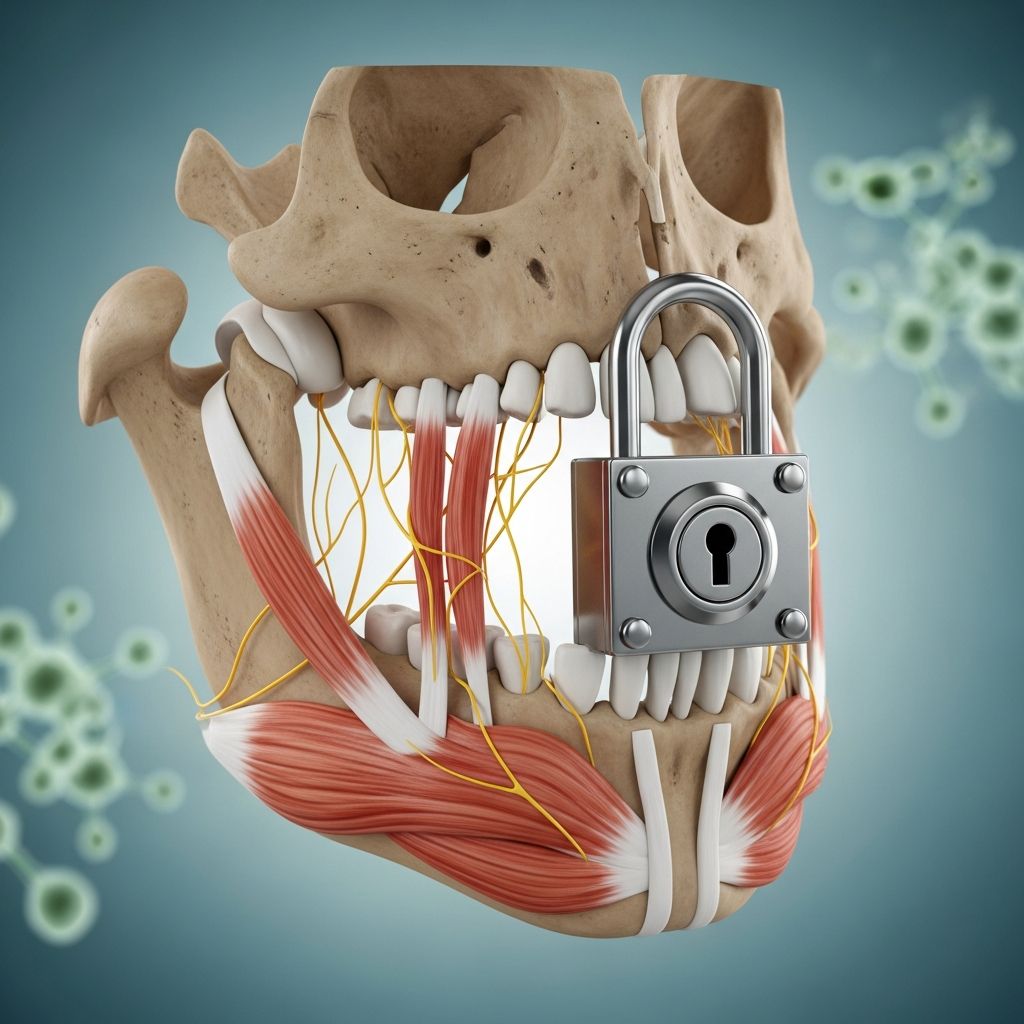
Tetanus is a severe, life-threatening condition that occurs when bacteria infect a wound and release a powerful toxin into your body. This toxin disrupts your nervous system and causes your muscles to seize up and spasm uncontrollably. Despite being preventable through vaccination, tetanus remains a serious health concern for those without proper immunization. The condition is often called “lockjaw” because one of its most characteristic symptoms is the inability to open your mouth due to severe jaw muscle stiffness.
The bacteria responsible for tetanus, Clostridium tetani, produces a potent toxin called tetanospasmin. This toxin interferes with the release of neurotransmitters and blocks inhibitor signals in your nervous system, leading to the involuntary muscle contractions and spasms that define this disease. Unlike many bacterial infections, tetanus does not spread from person to person; instead, it develops when the bacteria enter your body through wounds and begin producing their deadly toxin.
What Causes Tetanus?
Tetanus is caused by infection with Clostridium tetani bacteria. However, it’s important to understand that it isn’t the rust on a nail or sharp piece of metal that causes tetanus. Rather, the rust simply means that tetanus-causing bacteria may be present on the contaminated object. When you get a scratch or puncture wound from a rusty object, you need to ensure your tetanus vaccination is current.
The spores of Clostridium tetani are distributed widely throughout nature, especially in soil, dust, and animal feces. These spores may enter your body through any type of wound, including superficial abrasions. However, puncture wounds and deep lacerations are particularly dangerous because they create an oxygen-free environment that allows the microorganism to grow and multiply. Once the bacteria establish themselves in the wound, they begin producing the tetanospasmin toxin that causes the disease’s characteristic symptoms.
Incubation Period and Disease Development
The time between infection and symptom onset is called the incubation period, and it varies considerably. In most cases, symptoms develop between two days and three weeks after the bacteria enter your body, though the incubation period can occasionally extend up to three months. Generally, the longer the incubation period, the milder the disease tends to be. Most people develop symptoms about one week after the bacteria get into their body.
Recognizing Tetanus Symptoms
Tetanus symptoms can be severe and develop progressively. The muscle spasms typically start around the area where the bacteria entered your body and then spread to other regions. Understanding these symptoms is crucial for seeking prompt medical attention.
Early and Progressive Muscle Symptoms
The initial symptoms often include stiffness of the jaw, medically known as trismus, which is frequently the first sign of illness. As the condition progresses, you may experience:
- Difficulty opening your jaw
- Muscle spasms around your eyes and difficulty opening them
- Facial muscle rigidity that creates a characteristic grimace or “risus sardonicus” appearance, where the lips are pulled out and up over the teeth
- Spasms that spread downward to your neck, back, and limbs
- Severe, painful muscle spasms and convulsions
- Difficulty swallowing due to throat muscle spasms
- Respiratory muscle involvement that can make breathing extremely difficult
Related Stories



Autonomic Nervous System Effects
Tetanus can also affect your autonomic nervous system, which controls automatic functions like breathing and heart rate. These autonomic symptoms usually take several days before they manifest. When they do develop, they may include:
- Increased heart rate and blood pressure fluctuations
- Fever and profuse sweating
- Irregular heartbeat
- Breathing difficulties
- Seizures in severe cases
Types of Tetanus
There are three main types of tetanus, each with different characteristics and severity levels.
Generalized Tetanus
This is the most common form of tetanus, accounting for the majority of cases. Generalized tetanus often starts with the highly recognizable “locked jaw” symptom and progresses to increasingly serious issues, including painful muscle spasms, convulsions, and seizures. Without treatment, generalized tetanus causes death in 10% to 20% of people, but with proper medical intervention, survival rates are much better.
Localized Tetanus
Localized tetanus is a mild and unusual form of the condition. It presents as muscle spasms close to the site of injury and often occurs in people with partial immunity from previous vaccinations. In some cases, localized tetanus can progress to the generalized form.
Neonatal Tetanus
Neonatal tetanus usually occurs in newborns whose mothers lack immunity to the disease. Without maternal antibodies to protect them, newborns are vulnerable to infection through any wound, with the most common source being the stump of the umbilical cord. This form of tetanus is now rare in developed countries due to widespread maternal vaccination programs.
Risk Factors for Tetanus
Certain factors increase your risk of developing tetanus. Being aware of these risk factors can help you take appropriate precautions:
- Not being vaccinated or having an outdated tetanus vaccination
- Puncture wounds, especially from contaminated objects like rusty nails or dirty tools
- Burns or crush injuries
- Surgical wounds or injection sites that become contaminated
- Umbilical cord infections in newborns (neonatal tetanus)
- Chronic wounds or ulcers that may harbor bacteria
- Injection drug use with non-sterile needles
Potential Complications of Tetanus
Tetanus can cause numerous complications, some resulting from the muscle spasms and others from disruptions to the autonomic nervous system. These complications may include:
- Airway obstruction and respiratory failure due to severe muscle spasms in the throat and chest
- Aspiration pneumonia from difficulty swallowing
- Fractures from severe muscle contractions
- Extreme fatigue and muscle pain during recovery
- Cardiac complications including arrhythmias and blood pressure changes
- Autonomic dysfunction requiring intensive care support
Diagnosis of Tetanus
Interestingly, there are no laboratory tests to definitively diagnose or confirm tetanus. Instead, your healthcare provider will diagnose the condition based on your symptoms, physical examination, and medical history.
One diagnostic tool your provider may use is the “spatula test.” During this test, a soft instrument or spatula is gently touched to the back of your throat inside your mouth. Normally, this triggers your gag reflex and makes you want to spit the spatula out. However, if you have tetanus, this stimulus will trigger involuntary muscle spasms that make you clench your jaw, revealing the characteristic tetanus response.
Your healthcare provider will also look for physical signs such as jaw stiffness, facial grimacing, and the progression of muscle spasms from the infection site. A history of a recent wound combined with these classic symptoms typically leads to a tetanus diagnosis.
Treatment Options for Tetanus
If your healthcare provider suspects tetanus, they will begin treatment immediately. The approach to treating tetanus is primarily supportive and aims to manage symptoms while allowing your body to recover.
Airway Management
Your healthcare team will prioritize keeping your airway open using intubation, which involves inserting a breathing tube to ensure you can breathe properly. This is often the first critical intervention, as respiratory muscle involvement can be life-threatening.
Medication and Symptom Management
Once your airway is secure, your medical team will address your other symptoms, including:
- Tetanus Antitoxin: This contains antibodies derived from the blood of people who have been immunized against tetanus. It helps neutralize the toxin in your bloodstream, though it has limited effectiveness once the toxin has affected nerve endings.
- Antibiotics: Intravenous penicillin or other appropriate antibiotics are administered to kill the tetanus-causing bacteria remaining in the wound site.
- Muscle Relaxants: Patients are usually intentionally paralyzed with medications such as curare to prevent the painful and dangerous muscle spasms caused by the disease. Artificial or mechanical respiration becomes necessary because respiratory muscles are paralyzed during this treatment.
- Pain Management: Strong pain medications are provided to keep you as comfortable as possible during the acute phase of the disease.
Recovery Timeline
Once tetanus symptoms develop, it typically takes two to three weeks for the acute disease to run its course. However, complete recovery can take months. The total recovery time depends on many individual factors, and your healthcare provider can give you specific information about what to expect in your particular case.
After a few weeks, when the disease is brought under control, the paralytic medications are stopped, and patients gradually begin to breathe on their own again. Physical rehabilitation and continued medical support are often necessary during the recovery phase.
Prognosis and Survival Rates
Tetanus is a severe, life-threatening condition, but with proper treatment, most people recover. The odds of survival are significantly influenced by vaccination status. People who have received at least three doses of the tetanus vaccine almost always survive tetanus. Even partial vaccination can make the disease less severe and improve the likelihood of a positive outcome.
With modern intensive care medicine and supportive treatment, the prognosis for tetanus has improved dramatically compared to historical outcomes. However, vaccination remains the best strategy for prevention.
Prevention Through Vaccination
Tetanus is entirely preventable through vaccination. The tetanus vaccine is highly effective, and the complete vaccine series is nearly 100% effective at preventing the disease. The vaccine contains tetanus toxoid, prepared by chemical modification of the tetanus toxin.
Initial immunization requires a first dose, followed by two additional doses spaced several months apart. After completing the primary series, booster shots are necessary every few years to maintain immunity. You need a booster shot for tetanus if you have a new deep or potentially contaminated wound.
Importantly, even if your vaccination is out of date, receiving a tetanus vaccination can save your life. The vaccine can significantly reduce disease severity and improve survival rates.
When to Seek Emergency Care
If you experience any symptoms suggestive of tetanus, go to the nearest emergency room immediately. Tetanus can be dangerous without proper treatment, but with appropriate medical intervention, your odds of surviving and recovering are good.
Frequently Asked Questions (FAQs)
Q: Can you get tetanus from a rusty nail?
A: It’s not the rust itself that causes tetanus. Rather, rusty objects may carry tetanus-causing bacteria. If you get a puncture wound from a rusty object, ensure your tetanus vaccination is up to date.
Q: How long does tetanus last if untreated?
A: Without treatment, tetanus can be fatal. The disease can cause death through respiratory failure or complications affecting the heart and brain. This is why prompt medical treatment is essential.
Q: Can you get tetanus more than once?
A: Yes. Having tetanus does not confer immunity, so it’s possible to get tetanus again. This is why vaccination is important regardless of previous infection.
Q: How often do you need a tetanus booster?
A: Tetanus boosters should be administered every 7-10 years as part of routine preventive care. Additional boosters are needed after certain injuries, particularly deep or contaminated wounds.
Q: Is tetanus contagious between people?
A: No. Tetanus is not contagious from person to person. It develops only when bacteria from the environment enter your body through a wound.
References
- Tetanus (Lockjaw) Symptoms, Causes & Treatment — Cleveland Clinic. 2024. https://my.clevelandclinic.org/health/diseases/23582-tetanus-lockjaw
- Tetanus: Definition, Causes, Symptoms, & Treatment — Britannica. 2024. https://www.britannica.com/science/tetanus-disease
- Tetanus: Causes, Symptoms, Prevention and Treatment — Live Science. 2023. https://www.livescience.com/tetanus
- Tetanus — World Health Organization (WHO). 2024. https://www.who.int/news-room/fact-sheets/detail/tetanus
- Tetanus Toxin (Tetanospasmin) and Its Effects on the Nervous System — Centers for Disease Control and Prevention (CDC). 2024. https://www.cdc.gov/tetanus/about/index.html
Similar Articles








Read full bio of medha deb