Textile Contact Dermatitis: Complete Guide To Causes & Care
Understanding skin reactions to clothing: causes, symptoms, diagnosis, and effective management strategies for textile dermatitis.
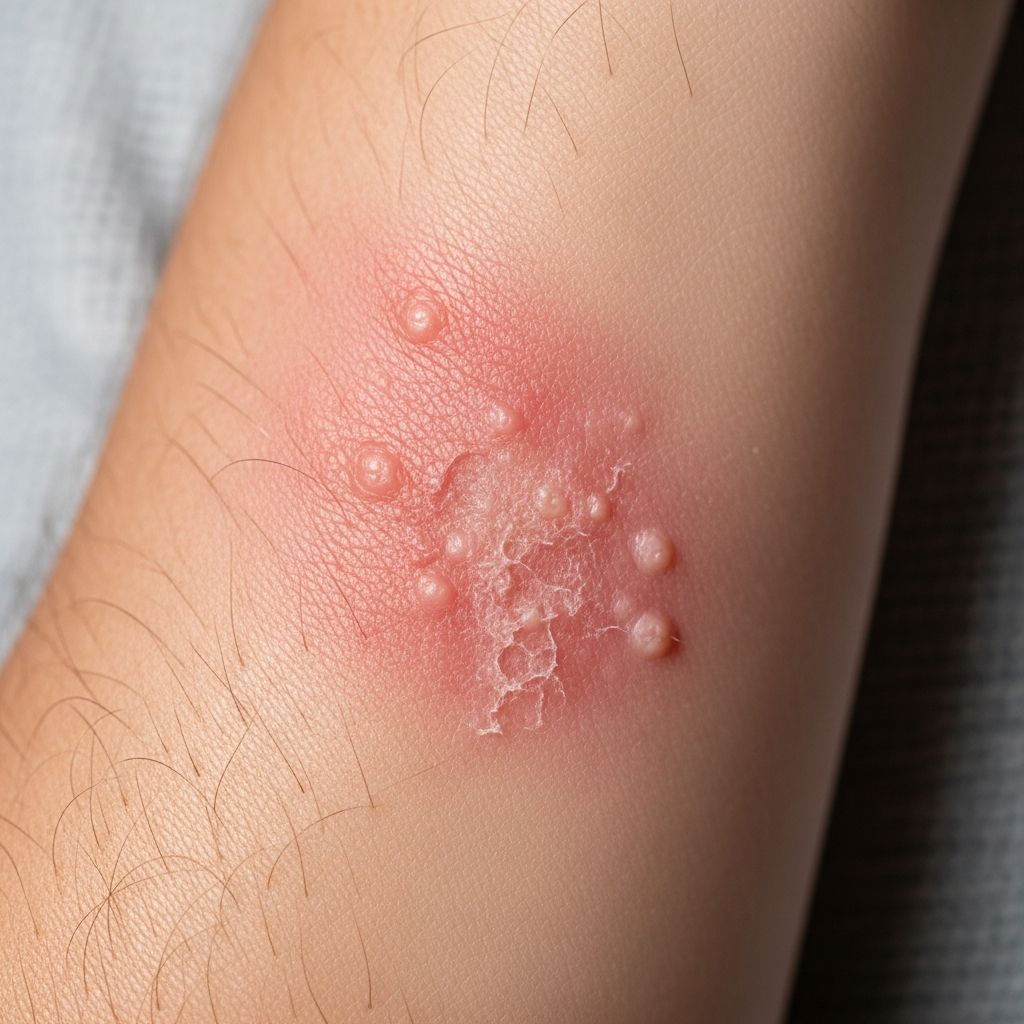
Textile contact dermatitis is a form of contact dermatitis caused by an inflammatory reaction to substances present in clothing and other fabric products. It manifests as an itchy, red rash in areas where skin contacts textiles, such as the neck, wrists, waistband, and armpits. This condition arises from either allergic contact dermatitis (ACD), a type IV delayed hypersensitivity reaction, or irritant contact dermatitis from harsh fabric treatments. Unlike irritant reactions, which occur immediately upon exposure to damaging substances, ACD develops after prior sensitization to specific textile allergens.
Affecting individuals with sensitive skin or those frequently exposed to synthetic fabrics, textile dermatitis impacts quality of life by causing discomfort during daily wear. Common in people wearing tight-fitting clothes or those in humid climates where sweating exacerbates symptoms. Early identification and allergen avoidance are key to management.
What is Textile Contact Dermatitis?
Textile contact dermatitis refers to eczematous skin inflammation triggered by direct contact with allergens or irritants in textiles. These include natural fibers like wool and cotton, synthetics such as polyester and nylon, and chemical additives like dyes, resins, and finishes. The condition is prevalent because clothing covers large skin areas daily, allowing prolonged exposure.
Allergic reactions involve T-cell mediated immunity where haptens—small molecules from dyes or resins—penetrate the skin, bind to proteins, and provoke an immune response upon re-exposure. Irritant reactions stem from non-immunologic damage by substances like formaldehyde resins, which disrupt the skin barrier. Sites of predilection include flexural areas under elastic waistbands, cuffs, and collars due to friction and moisture accumulation.
Who Gets Textile Contact Dermatitis?
Anyone can develop textile contact dermatitis, but risk factors include atopic dermatitis history, occupational exposure to fabrics (e.g., garment workers, healthcare staff in scrubs), and frequent use of synthetic or treated clothing. Women are more commonly affected due to jewelry, hosiery, and undergarments containing allergens like nickel or disperse dyes. Children may react to diaper dyes or clothing snaps.
Occupations with high hand exposure to irritants, such as hairdressers or cleaners, overlap with textile risks from uniforms. Genetic predisposition to atopy increases susceptibility, as impaired skin barriers facilitate allergen penetration.
Causes of Textile Contact Dermatitis
Textile dermatitis results from allergens or irritants in fabric production. Key culprits include:
- Dyes: Disperse dyes (e.g., disperse blue 106, disperse orange 3) used in synthetics like polyester, responsible for 20-30% of cases.
- Finishes and Resins: Formaldehyde-based resins for wrinkle-resistance, causing irritant or allergic reactions.
- Fibers: Wool (lanthanum in lanolin), spandex, nylon trapping sweat and dyes.
- Other Chemicals: Rubber accelerators in elastic, flame retardants, pesticides in cotton.
Synthetics like polyester and spandex provoke more reactions than breathable cotton due to poor moisture wicking, leading to maceration. Cross-reactivity occurs, e.g., paraphenylenediamine (PPD) in dyes linking to hair dye allergies.
Clinical Features of Textile Contact Dermatitis
Related Stories



Symptoms appear 12-72 hours post-exposure in sensitized individuals, featuring pruritus (intense itching), erythema, papules, vesicles, and scaling. Patterns include:
- Waistband/Undergarment Distribution: Rectangular or linear rashes under elastic.
- Neck/Collar: From shirt collars or necklaces trapping allergens.
- Cuffs/Ankles: Sock-top or sleeve dermatitis.
- Generalized: In severe cases or widespread synthetic wear.
Chronic exposure leads to lichenification, fissuring, and secondary infection. Unlike atopic dermatitis, textile rashes spare flexures and follow clothing lines precisely. Heat, sweat, and friction worsen symptoms.
Images
(Description: Typical images show erythematous, eczematous patches conforming to underwear elastic bands, necklines, and wrist cuffs, with vesicles and scaling.)
Diagnosis of Textile Contact Dermatitis
Diagnosis combines history, exam, and patch testing, the gold standard for ACD. Clinicians apply suspect allergens (e.g., disperse dyes, formaldehyde) to the back under occlusion for 48 hours, reading reactions at 48-96 hours.
Textile series testing includes 20-50 allergens beyond standard panels. Differential diagnoses: atopic dermatitis, seborrheic dermatitis, tinea corporis. Biopsy shows spongiosis and lymphocytic infiltrate, non-specific. Chemical analysis of suspect clothing via gas chromatography confirms allergens.
Management of Textile Contact Dermatitis
Treatment focuses on allergen/irritant avoidance, skin barrier repair, and inflammation control.
Avoidance
- Select 100% cotton, silk, or untreated natural fibers.
- Wash new clothes multiple times to remove finishes.
- Use low-formaldehyde labeled garments.
- Avoid synthetics, wool; choose loose-fitting clothes.
Topical Therapies
- Emollients: Petroleum jelly or ceramide creams to restore barrier.
- Corticosteroids: Mid-potency (e.g., triamcinolone 0.1%) twice daily for 2 weeks.
- Calcineurin Inhibitors: Tacrolimus for sensitive areas.
Systemic Therapies
Severe cases require oral prednisone (0.5-1 mg/kg tapered over 2-3 weeks) or antihistamines for pruritus.
Other Measures
- Cool compresses, oatmeal baths.
- Phototherapy for refractory cases.
Prevention of Textile Contact Dermatitis
Prevention emphasizes:
- Pre-washing clothes in hot water with detergent.
- Choosing hypoallergenic, dye-free fabrics.
- Wearing cotton gloves under rubber for chores.
- Monitoring for cross-reactants like PPD.
Educate on reading labels for ‘formaldehyde-free’ or ‘azo-dye free’. Barrier creams with dimethicone offer partial protection.
Further Reading and References
For in-depth info, consult dermatology texts on contact hypersensitivity.
References
- Contact Dermatitis Symptoms, Causes & Treatment — Spire Healthcare. 2023. https://www.spirehealthcare.com/conditions/contact-dermatitis/
- Contact dermatitis – Symptoms and causes — Mayo Clinic. 2023-10-12. https://www.mayoclinic.org/diseases-conditions/contact-dermatitis/symptoms-causes/syc-20352742
- Contact Dermatitis — NCBI Bookshelf, StatPearls. 2023-07-17. https://www.ncbi.nlm.nih.gov/books/NBK459230/
- Am I Allergic to My Clothes? — WebMD. 2023. https://www.webmd.com/allergies/textile-allergy
- Contact dermatitis – Diagnosis and treatment — Mayo Clinic. 2023-10-12. https://www.mayoclinic.org/diseases-conditions/contact-dermatitis/diagnosis-treatment/drc-20352748
Frequently Asked Questions (FAQs)
Q: What is the most common cause of textile contact dermatitis?
A: Disperse dyes in synthetic fabrics like polyester are the leading allergens, followed by formaldehyde resins.
Q: How long does it take for symptoms to appear?
A: In allergic cases, 12-72 hours after exposure; irritant reactions occur sooner, within hours.
Q: Can I still wear colored clothes?
A: Opt for natural dyes or test small areas; black and dark synthetics often contain high disperse dyes.
Q: Is patch testing painful?
A: Mild discomfort from tape; reactions are read non-invasively.
Q: How do I treat a flare-up at home?
A: Apply cool compresses, 1% hydrocortisone, and emollients; avoid irritants.
Similar Articles








Read full bio of Sneha Tete