Textile Dye Allergy: Causes, Symptoms, And Treatment Strategies
Understanding causes, symptoms, diagnosis, and management of allergic reactions to dyes in clothing and fabrics.
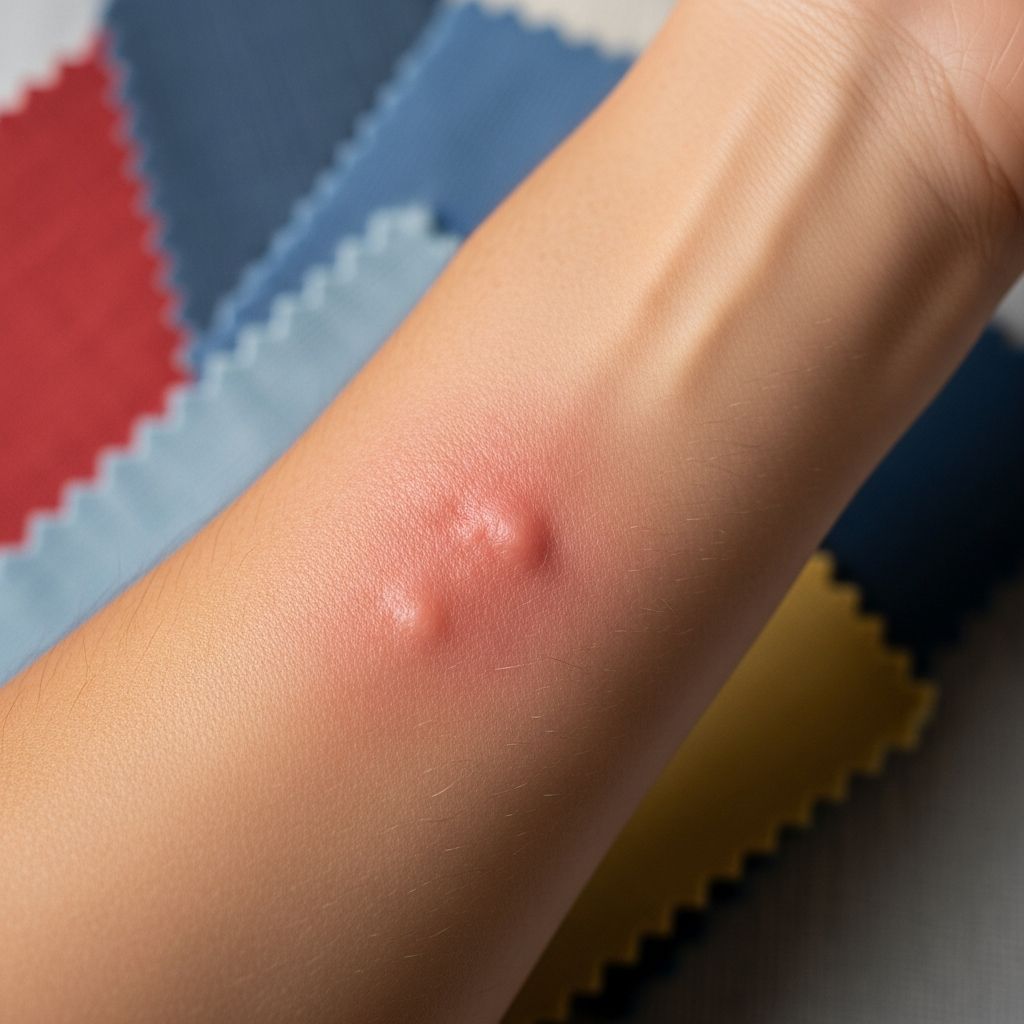
Textile dye allergy, also known as allergic contact dermatitis to textile dyes, occurs when the immune system reacts to chemicals in dyes used to colour fabrics. This condition affects individuals sensitive to specific dye compounds, leading to itchy, red skin rashes primarily in areas where clothing contacts the skin, such as the neck, armpits, waistband, and inner thighs.
While not extremely common, it impacts those with sensitive skin or occupational exposure to textiles. Reactions develop after repeated contact, often delayed by 48 hours, making diagnosis challenging. Common culprits include disperse dyes for synthetics like polyester and azo dyes.
What causes textile dye allergy?
Textile dyes are complex chemicals applied during manufacturing to bind to fabric fibres. Not all dyes fix perfectly; excess can leach out, especially with sweat or washing, contacting the skin directly. The immune system mistakes these chemicals for threats, triggering histamine release and inflammation.
Key allergens include:
- Paraphenylenediamine (PPD): Found in black and dark dyes, also in hair dyes; highly sensitizing.
- Disperse dyes: Used for synthetic fabrics (polyester, nylon, spandex); examples include disperse blue 1, 3, 106, 124; water-soluble, activated by sweat.
- Azo dyes: Common in bright colours on synthetics; most allergenic group.
Synthetics like polyester promote sweating and poor breathability, worsening exposure. Natural fibres (cotton, wool) use different dyes but can still cause issues if mordants or finishes are present. Risk factors: atopy, eczema history, occupational textile work.
Who gets textile dye allergy?
Anyone can develop sensitivity, but prevalence is 1-5% in patch-tested dermatitis patients. Higher in:
- Textile workers, garment makers, dry cleaners.
- Women wearing tight synthetic clothing (leggings, activewear).
- Those with eczema or prior allergies (cross-reactivity with hair dyes, rubber).
Children rarely affected unless from dyed diapers or clothing snaps. Reactions often start after prolonged wear of dark synthetics.
What are the symptoms of textile dye allergy?
Symptoms mimic eczema: delayed 24-72 hours post-exposure, resolving 2-4 weeks after avoidance.
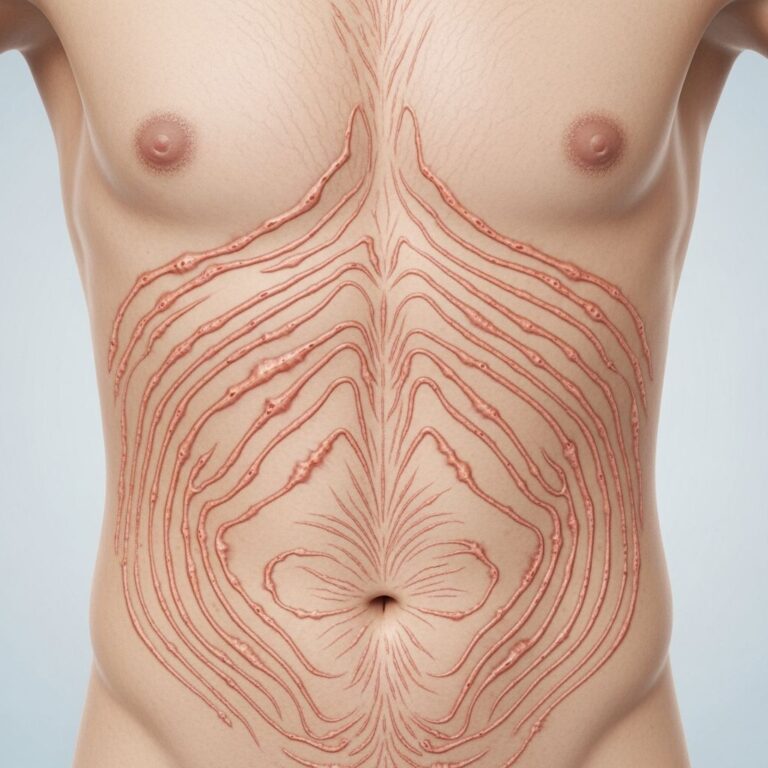
- Primary sites: Neck (collars), armpits, waist (belts), thighs/groin (underwear/leggings), wrists (cuffs), hands (occupational).
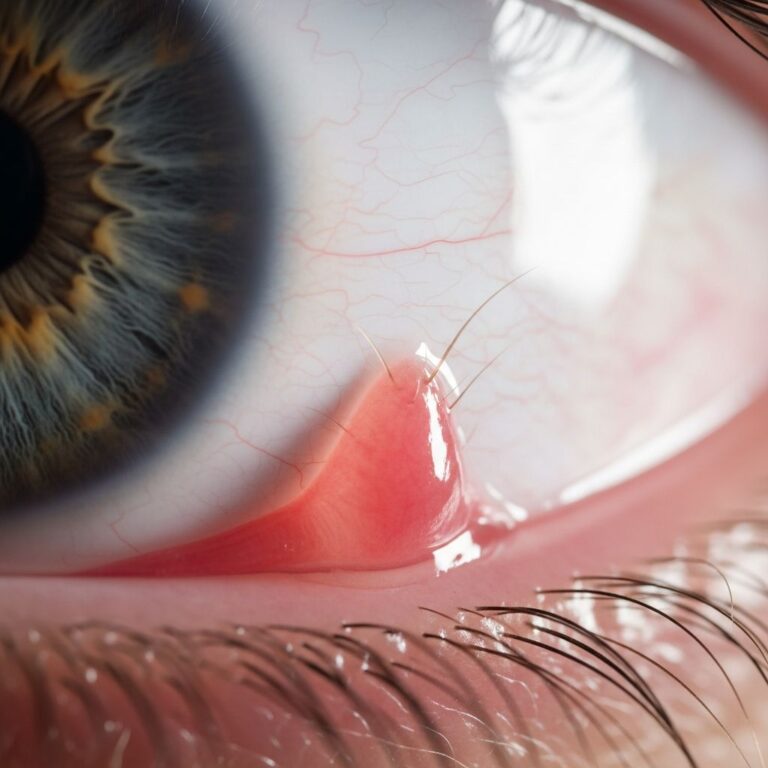
- Skin changes: Redness, intense itching, swelling, bumps, blisters (oozing), scaling, dryness.
- Severe cases: Crusting, infection; rarely systemic (anaphylaxis unlikely but possible with PPD).
Symptoms worsen with heat/sweat; may mimic other textile allergies (formaldehyde resins).
| Symptom | Description | Common Location |
|---|---|---|
| Itching/Pruritus | Severe, burning | All contact areas |
| Redness/Erythema | Patchy or diffuse | Neck, axillae |
| Blisters/Bumps | Oozing vesicles | Thighs, waist |
| Scaling/Dryness | Chronic phase | Hands, wrists |
Diagnosis of textile dye allergy
Requires specialist evaluation; self-diagnosis risky due to mimics (irritant dermatitis, fungal infections).
- History: Pattern matching clothing (dark synthetics, tight fits); improves on avoidance.
- Examination: Eczema in clothing distribution, sparing uncovered skin.
- Patch testing: Gold standard; dyes applied to back for 48 hours, read at 48/96 hours. TRUE Test or expanded series (disperse blues, PPD). Positive: redness, vesicles at test site.
Related Stories



Challenges: Multiple allergens possible; cross-reactivity (e.g., PPD with para-amino compounds). Biopsy rarely helps (non-specific).
Management and treatment
Cornerstone: Avoidance. Symptomatic relief for flares.
Avoidance strategies
- Wear 100% cotton, linen, silk; avoid synthetics/dark colours.
- Wash new clothes 3x before wear (removes 90% excess dye).
- Layer: cotton underlayer blocks skin-dye contact.
- Use dye-free detergents; air-dry.
- Check labels: Avoid ‘disperse dye’ synthetics; test dark items cautiously post-clearance.
Acute treatment
- Topical: Mid-potency corticosteroids (e.g., triamcinolone 0.1%) twice daily 1-2 weeks; calcineurin inhibitors for face/genitals.
- Oral: Antihistamines (loratadine) for itch; short prednisone burst severe cases.
- Wound care: Emollients, wet wraps for oozing.
Sublingual immunotherapy (SLIT) experimental for dyes; not standard.
How do you test for dye allergy?
Patch testing by dermatologist/allergist using standardized trays (e.g., disperse blue 106/124, PPD at 1% petrolatum). Procedure: Clean back, apply patches Day 0, remove Day 2, read Day 2/4/7. Positive reaction graded + to +++.
Home testing unreliable; consult specialist for accurate allergen ID.
What should you do to avoid textile dye allergy?
- Opt for natural/light-coloured fabrics.
- Vinegar soaks (1 cup white vinegar/gallon water) pre-wash leaches dyes.
- Avoid sweat-trapping clothes during exercise.
- Barrier creams (zinc oxide) experimental.
Which fabrics and dyes to avoid?
| Fabric Type | Common Dyes | Risk Level |
|---|---|---|
| Polyester/Nylon/Spandex | Disperse blue/black | High |
| Acetate/Rayon | Azo dyes | Medium |
| Cotton/Wool | PPD (dark) | Low |
Frequently asked questions
What causes textile dye allergy?
Immune reaction to chemicals like disperse dyes and PPD in fabrics, leaching via sweat.
Can you be allergic to clothing dye?
Yes, causing contact dermatitis; common with black leggings/activewear.
How do you treat dye rash from clothes?
Avoidance, topical steroids, antihistamines; wash skin, use cotton barriers.
Is textile dye allergy common?
Uncommon (1-5% dermatitis cases) but rising with synthetic clothing.
Does washing clothes remove dyes?
Multiple washes reduce excess by 80-90%; vinegar helps.
References
- Contact Dermatitis – Symptoms and Causes — Mayo Clinic. 2023-10-15. https://www.mayoclinic.org/diseases-conditions/contact-dermatitis/symptoms-causes/syc-20352742
- Preventing Textile Dye Allergy: Diagnosis, Treatment & Tips — Wyndly. 2024-05-20. https://www.wyndly.com/blogs/learn/textile-dye-allergy
- Textile Allergy: Symptoms, Causes, and Solutions — Doucea. 2023-11-10. https://doucea.co/en/blogs/doucea-academy/textile-allergy-symptoms
- Textile Dye Allergy: What to Do If You’re Allergic to Your Black Leggings — Doctor Katta. 2024-02-28. https://www.doctorkatta.com/post/textile-dye-allergy-what-to-do-if-you-re-allergic-to-your-black-leggings-or-workout-clothing
- Am I Allergic to My Clothes? — WebMD. 2024-01-12. https://www.webmd.com/allergies/textile-allergy
Similar Articles








Read full bio of medha deb