TFCC Tear: Causes, Symptoms, and Treatment Options
Understanding TFCC tears: Learn about symptoms, causes, and effective treatment strategies for wrist health.
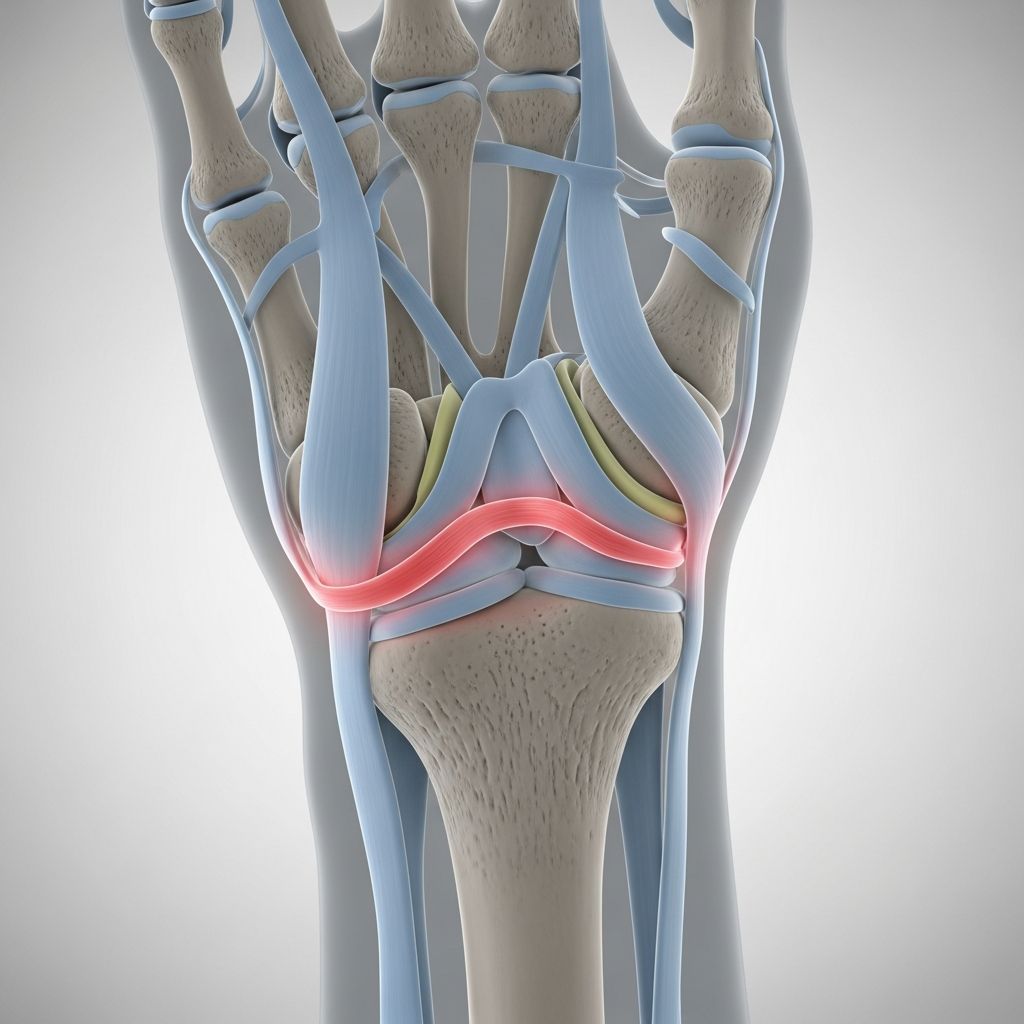
Understanding the Triangular Fibrocartilage Complex (TFCC)
The triangular fibrocartilage complex (TFCC) is a small but crucial structure located on the pinky-finger side of your wrist. This complex anatomical system connects the bones in your forearm with the bones in your wrist, serving as a vital stabilizing structure. Composed of ligaments, tendons, and cartilage, the TFCC functions as both a support mechanism and a cushion between the end of the ulna bone and the small carpal bones known as the lunate and triquetrum.
Despite its small size, the TFCC plays an enormous role in wrist function and stability. It enables you to rotate your forearm, grip objects, and perform fine motor movements. The TFCC also acts as a shock absorber, distributing forces throughout the wrist during activities that involve twisting, gripping, or bearing weight. When this structure is injured, even seemingly simple movements can become painful and challenging.
Types of TFCC Tears
TFCC tears are categorized into two main types based on their cause and development pattern. Understanding which type of tear you have is essential for determining the appropriate treatment approach and predicting recovery outcomes.
Type 1: Traumatic TFCC Tears
Traumatic TFCC tears occur as a result of sudden, forceful injury to the wrist. These acute injuries typically happen when you fall on an outstretched hand, experience a direct blow to the wrist, or twist your wrist with significant force. Athletes are particularly vulnerable to traumatic TFCC tears, especially those who participate in sports requiring racquets, bats, clubs, or repetitive twisting and pulling movements. The injury occurs suddenly and usually causes immediate pain and functional limitations.
Type 2: Degenerative TFCC Tears
Degenerative TFCC tears develop gradually over time due to the natural wear and tear of the cartilage and supporting structures. These tears are more common in older adults as the tissues that make up the TFCC break down and become thinner with age. Repetitive stress from occupational activities, chronic inflammatory conditions, and the natural aging process all contribute to degenerative TFCC tears. Unlike traumatic tears, degenerative tears may develop with minimal force or trauma and can sometimes progress without noticeable symptoms.
Causes of TFCC Tears
TFCC tears can result from various causes, ranging from sudden traumatic events to gradual degenerative processes. Understanding the underlying cause helps healthcare providers develop targeted treatment strategies.
Traumatic Causes
Falling on an outstretched hand remains one of the most common causes of TFCC tears. Whether from a slip, sports injury, or accident, the impact forces the wrist into an awkward position that can tear the delicate structures of the TFCC. Excessive arm rotation, particularly when combined with force or impact, frequently damages the TFCC. Athletes engaged in racquet sports, baseball, golf, and activities requiring forceful gripping or twisting movements face elevated risk. Direct blows to the wrist from contact sports or accidents can also cause immediate TFCC damage.
Degenerative Causes
Age-related tissue breakdown is the primary driver of degenerative TFCC tears. As you grow older, the cartilage and supporting structures naturally weaken, making the TFCC more vulnerable to injury even from minor trauma. Repetitive pronation and gripping movements, common in certain occupational and recreational activities, accelerate the degenerative process. Inflammatory disorders such as rheumatoid arthritis and gout can compromise the TFCC structure over time. A congenital condition called ulnar variance, where the ulna bone is longer than the radius, may predispose some individuals to TFCC injuries because the TFCC becomes thinner and more vulnerable to tearing.
Related Stories



Recognizing TFCC Tear Symptoms
The symptoms of a TFCC tear vary depending on the severity of the injury and whether the tear is acute or chronic. Some people experience significant pain and dysfunction, while others may have minimal symptoms. Early recognition of these symptoms is important for seeking appropriate medical evaluation and treatment.
Common Symptoms
- Pain on the pinky side of the wrist: This is the most characteristic symptom, typically felt on the ulnar side of the wrist where the TFCC is located
- Difficulty rotating the wrist: You may experience pain or limitation when rotating your forearm or moving your wrist from side to side
- Clicking or popping sounds: Many people report audible clicking or popping sensations when rotating the wrist or moving it in certain directions
- Swelling: The wrist may become visibly swollen, particularly around the pinky side
- Loss of grip strength: Weakened grip strength often develops due to pain or structural instability
- Wrist instability: The wrist may feel unstable or as though it could give out during certain movements
- Tenderness: Direct pressure on the TFCC region typically produces tenderness
- Limited range of motion: You may experience reduced ability to move your wrist through its normal range
When Symptoms Are Absent
Interestingly, chronic or degenerative TFCC tears do not always cause pain or other symptoms. Some people discover they have a TFCC tear only when undergoing imaging studies for other reasons. These asymptomatic tears typically do not require treatment unless they begin causing problems or interfere with your desired activities.
Diagnosis of TFCC Tears
Proper diagnosis requires a combination of clinical examination and imaging studies. Your healthcare provider will begin with a detailed patient history and physical examination before ordering any tests.
Clinical Evaluation
During your examination, your doctor will ask about when the pain started, what activities make it worse, and any history of wrist injury or trauma. They will perform specific physical tests involving pushing on your bones and wrist structures to confirm a clinical diagnosis. These tests help determine the exact location of the tear and assess the degree of instability.
Imaging Studies
X-rays are typically ordered first to rule out fractures or other bone-related problems. While X-rays cannot directly visualize the TFCC, they help eliminate other potential diagnoses. Magnetic resonance imaging (MRI) is the gold standard for diagnosing TFCC tears and determining their severity. MRI provides detailed images of the soft tissues, ligaments, tendons, and cartilage that make up the TFCC, allowing physicians to see exactly where the tear is located and how extensive it is.
Treatment Options for TFCC Tears
Treatment varies based on the severity of the tear, the cause, and your functional goals. Many TFCC tears can be effectively managed with conservative treatments, though some require surgical intervention.
Conservative Treatment
Minor TFCC tears often heal with non-surgical approaches. Rest is fundamental—limiting wrist use allows inflammation to decrease and healing to begin. Immobilization with a splint or brace reduces stress on the injured TFCC and promotes healing. Over-the-counter anti-inflammatory medications can help manage pain and swelling. Physical therapy plays a crucial role in rehabilitation, with specific exercises designed to strengthen the wrist stabilizers and restore range of motion. Ice application in the early stages helps reduce swelling and pain.
Surgical Treatment
Severe TFCC tears or tears that do not respond to conservative treatment may require surgery. Leaving a severe TFCC tear untreated can lead to chronic wrist weakness or instability that interferes with daily activities. Arthroscopic surgery is often used, allowing the surgeon to visualize the tear directly and either repair or clean up the damaged tissue. More extensive tears may require open surgical repair. Recovery from surgery typically involves a period of immobilization followed by progressive physical therapy.
Recovery Timeline and Prognosis
Most people with TFCC tears regain full function within a few months with appropriate treatment. The exact recovery timeline depends on the severity of the tear, whether surgery was needed, and your commitment to rehabilitation. Conservative treatment typically requires 4 to 12 weeks for healing, while surgical repair may require 3 to 6 months of recovery including rehabilitation. Full return to sports and strenuous activities may take longer, often 6 to 12 months post-surgery.
Prevention Strategies
While you cannot always prevent accidents that might tear your TFCC, you can take steps to reduce your risk. Maintaining proper wrist strength through regular exercise protects the structures that support your wrist. Using proper technique in sports and activities that stress the wrist helps prevent injury. Wearing appropriate protective equipment during high-risk activities provides cushioning and support. Taking regular breaks from repetitive gripping or twisting movements gives your wrist tissue time to recover. Maintaining good overall fitness and flexibility supports wrist health. If you have inflammatory conditions like arthritis, following your doctor’s treatment plan helps protect your TFCC.
When to Contact Your Healthcare Provider
You should call your healthcare provider if you experience persistent wrist pain that interferes with daily activities, sudden onset wrist pain after an injury, clicking or popping sensations accompanied by pain or instability, loss of grip strength that affects your ability to perform normal tasks, swelling that does not improve with rest and ice, or wrist instability that causes you to drop objects or feel like your wrist might give out.
Frequently Asked Questions About TFCC Tears
Q: Can a TFCC tear heal on its own?
A: Yes, minor TFCC tears can heal with conservative treatment including rest, immobilization, and physical therapy. However, severe tears typically require professional medical intervention and may need surgery to prevent chronic instability.
Q: How long does TFCC tear recovery take?
A: Conservative treatment usually requires 4 to 12 weeks, while surgical repair typically involves 3 to 6 months of recovery including rehabilitation. Full return to strenuous activities may take 6 to 12 months.
Q: What activities should I avoid with a TFCC tear?
A: Avoid twisting motions, forceful gripping, heavy lifting, and rotational movements of the forearm. Your healthcare provider can provide specific activity modifications based on your injury severity.
Q: Is surgery always necessary for TFCC tears?
A: No, many TFCC tears heal successfully with conservative treatment. Surgery is typically considered when conservative treatment fails or when the tear is severe and causes significant instability.
Q: Can I return to sports after a TFCC tear?
A: Most people can return to sports with appropriate treatment and rehabilitation. Recovery timeline varies, but full return to sports may require 6 to 12 months, especially after surgical repair.
Q: What questions should I ask my healthcare provider about TFCC tears?
A: Ask about the severity of your tear, whether surgery is necessary, expected recovery timeline, specific activity restrictions, physical therapy requirements, and when you can safely return to normal activities and sports.
References
- Triangular Fibrocartilage Complex (TFCC) Tear: Causes and Symptoms — The American Society for Surgery of the Hand (ASSH). Accessed December 2025. https://assh.my.site.com/handcare/condition/tfcc-tear
- TFCC Tear (Triangular Fibrocartilage Complex): Causes & Treatment — Cleveland Clinic. Accessed December 2025. https://my.clevelandclinic.org/health/diseases/21832-triangular-fibrocartilage-complex-tear-tfcc
- Triangular Fibrocartilage Complex (TFCC) Tear or Sprain — Mercy. Accessed December 2025. https://www.mercy.com/health-care-services/orthopedics-sports-medicine-spine/specialties/hand-wrist-elbow/conditions/triangular-fibrocartilage-complex-tear-sprain
- TFCC Tear: Symptoms, Test, and Recovery Time — Healthline. Accessed December 2025. https://www.healthline.com/health/tfcc-tear
- Triangular Fibrocartilage Complex (TFCC) Tears — OrthoVirginia. Accessed December 2025. https://www.orthovirginia.com/triangular-fibrocartilage-complex-tfcc-tears/
- Triangular Fibrocartilage Complex Injury (TFCC) — Bon Secours. Accessed December 2025. https://www.bonsecours.com/health-care-services/orthopedics-sports-medicine/hand-wrist/conditions/triangular-fibrocartilage-complex-injury
- Wrist Triangular Fibrocartilage Tear (TFCC) — Rady Children’s Hospital. Accessed December 2025. https://www.rchsd.org/programs-services/sports-medicine/conditions-treated/wrist-triangular-fibrocartilage-tear-tfcc/
Similar Articles








Read full bio of Sneha Tete