Thai Massage: 7 Proven Benefits And What To Expect
Discover the ancient art of Thai massage: benefits, techniques, what to expect, and who should try it for holistic wellness.
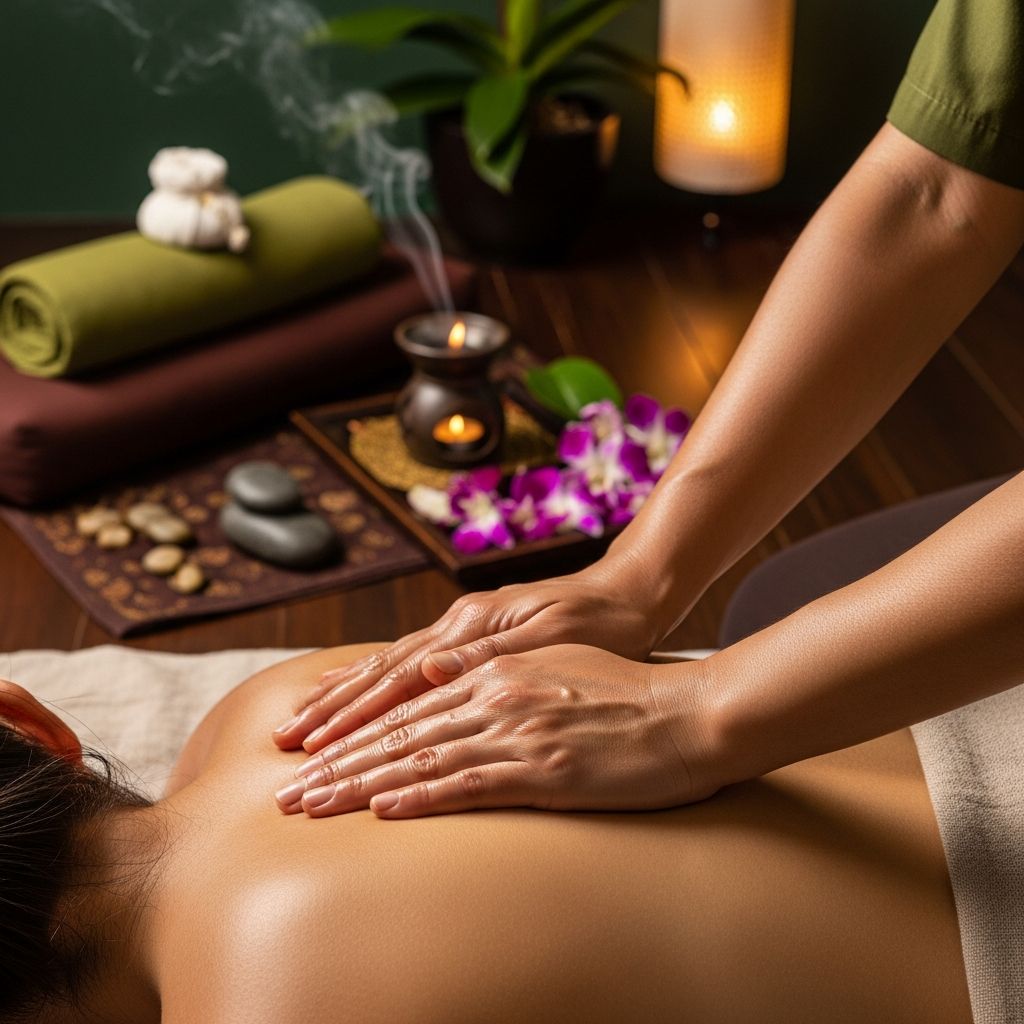
Thai massage, often called Thai yoga massage, is an ancient healing practice originating over 2,500 years ago in India and refined in Thailand. It combines acupressure, assisted yoga stretches, and rhythmic compressions to improve energy flow, flexibility, and overall well-being. Unlike traditional massages where you lie passively, Thai massage involves active participation as the therapist guides you through poses on a mat.
What Is Thai Massage?
Thai massage is a therapeutic modality performed on a floor mat with the recipient fully clothed in loose, comfortable attire. Therapists use their hands, elbows, knees, and feet to apply deep, rhythmic pressure along the body’s sen lines—energy pathways akin to meridians in traditional Chinese medicine. This technique stretches muscles, opens joints, and balances qi or life energy, promoting physical and mental rejuvenation.
Developed from Ayurvedic principles and influenced by Chinese medicine, Thai massage emphasizes holistic healing. It treats the body as an interconnected system, addressing stagnation in energy lines to alleviate tension and restore vitality. Sessions typically last 60 to 120 minutes, fostering deep relaxation and improved mobility.
Benefits of Thai Massage
Research and traditional use highlight numerous benefits of Thai massage, supported by studies on pain relief, circulation, and mental health. Here’s a breakdown of key advantages:
- Relieves Pain and Muscle Tension: Acupressure and stretching target sore muscles, reducing stiffness from daily activities or workouts. Ideal for chronic conditions like fibromyalgia.
- Improves Flexibility and Range of Motion: Yoga-like poses enhance joint mobility and muscle elasticity, benefiting athletes and those with arthritis.
- Boosts Circulation: Compressions and stretches increase blood flow, delivering oxygen and nutrients while removing toxins.
- Reduces Stress and Lowers Blood Pressure: Promotes serotonin and dopamine release, lowering cortisol for calmer states.
- Enhances Energy Levels: Whole-body movements leave recipients invigorated, as shown in fatigue studies comparing it to Swedish massage.
- Supports Immune Function: A 2010 study noted increased white blood cell counts post-session.
- Eases Headaches and Joint Pain: Effective for osteoarthritis, matching ibuprofen in pain relief per clinical trials.
| Benefit | Supporting Evidence | Ideal For |
|---|---|---|
| Pain Relief | 2014 knee arthritis study: Reduced pain and improved walking | Back/joint pain sufferers |
| Flexibility | Increased blood flow reduces adhesions | Athletes, seniors |
| Stress Reduction | 2015 study: Lower psychological stress scores | High-stress individuals |
| Circulation | Stimulates oxygen delivery | Those with poor circulation |
How Does Thai Massage Work?
Thai massage operates on the principle of unblocking sen lines, 10 major energy pathways carrying lom (wind energy). Therapists apply pressure to sen points while maneuvering the body into stretches, mimicking yoga asanas. This dual action—passive stretching and active compression—flushes stagnant energy, enhances lymphatic drainage, and revitalizes tissues.
The therapist’s body weight provides leverage, making it effective yet gentle. Poses target the spine, hips, legs, and shoulders, improving posture and alignment. Unlike deep tissue work, it avoids intense friction, suiting sensitive clients.
Thai Massage Techniques
Practitioners employ diverse methods for comprehensive treatment:
- Acupressure: Thumb, elbow, and knee presses on sen lines release blockages.
- Assisted Stretches: Guided yoga poses like forward folds and spinal twists.
- Rocking and Pulling: Gentle movements to loosen joints and promote fluidity.
- Compression: Deep palm presses to stimulate circulation.
- Joint Mobilization: Opening hips and shoulders for better mobility.
These techniques create a rhythmic flow, often described as a “dance,” ensuring both giver and receiver benefit ergonomically.
What to Expect During a Thai Massage Session
Arrive in comfortable, loose clothing—no oils are used. You’ll start supine on a futon mat in a serene room. The therapist begins with gentle rocking to assess tension, progressing to leg stretches, abdominal work, and back compressions.
Related Stories



Expect to be moved into positions: legs over shoulders, gentle twists, or cobra pose equivalents. Communicate discomfort—adjustments ensure safety. Sessions end with relaxation poses, leaving you energized yet calm. Mild soreness may follow intense stretches, resolving in 24 hours.
Is Thai Massage Safe?
Generally safe for most, but consult a doctor if pregnant, have osteoporosis, recent fractures, severe osteoporosis, or heart conditions. Avoid if you have deep vein thrombosis, skin infections, or acute inflammation. Those with injuries should inform therapists upfront.
Studies note rare adverse effects when performed by trained professionals, but improper technique risks strains. Choose certified practitioners from reputable schools. Thai massage’s gentle nature suits chronic pain patients unable to tolerate aggressive methods.
Who Should Try Thai Massage?
- Athletes seeking recovery and flexibility.
- Office workers with back/neck tension.
- Seniors improving mobility.
- Stress sufferers needing mental reset.
- Chronic pain patients like fibromyalgia cases.
Incorporate 1-2 sessions monthly for maintenance, or weekly during stress peaks.
Thai Massage vs. Other Massages
| Aspect | Thai Massage | Swedish Massage | Deep Tissue |
|---|---|---|---|
| Position | On mat, clothed, active | On table, draped, passive | On table, draped, passive |
| Techniques | Stretches, acupressure | Long strokes, kneading | Frictions, deep pressure |
| Energy Focus | Yes (sen lines) | No | No |
| Outcome | Flexible, energized | Relaxed, soothed | Pain relief, deep work |
Frequently Asked Questions (FAQs)
What if I’m not flexible?
Modifications ensure accessibility; therapists adjust poses to your level.
Does it hurt?
Mild discomfort possible in tense areas, but communicate for adjustments.
How often should I get Thai massage?
Weekly for issues, biweekly for wellness.
Can pregnant people try it?
Yes, with prenatal adaptations after doctor approval.
What’s the difference from yoga?
Assisted and passive; therapist does the work.
References
- Thai Massage Can Open Joints, Stretch Muscles, and Rejuvenate Energy — Pacific College. 2015-01-29. https://www.pacificcollege.edu/news/blog/2015/01/29/thai-massage-can-open-joints-stretch-muscles-and-rejuvenate-energy
- 10 Benefits of Thai Massage Therapy — SOCHI.edu. Accessed 2026. https://sochi.edu/10-benefits-of-thai-massage-therapy/
- Thai Massage Benefits, Techniques, What to Expect — Healthline (Medically reviewed). 2024-09-19. https://www.healthline.com/health/thai-massage-benefits
- Thai massage: 5 benefits and side effects — Medical News Today. Accessed 2026. https://www.medicalnewstoday.com/articles/323687
- Thai Massage: Benefits for Massage Therapists — AMTA Massage Today. Accessed 2026. https://www.amtamassage.org/publications/massage-today/thai-massage-therapist-benefits/
- Thai traditional massage: Issues causing possible adverse effects — PMC (NCBI). 2016. https://pmc.ncbi.nlm.nih.gov/articles/PMC4728864/
Similar Articles








Read full bio of medha deb