Thalassemia: Types, Symptoms & Treatment Guide
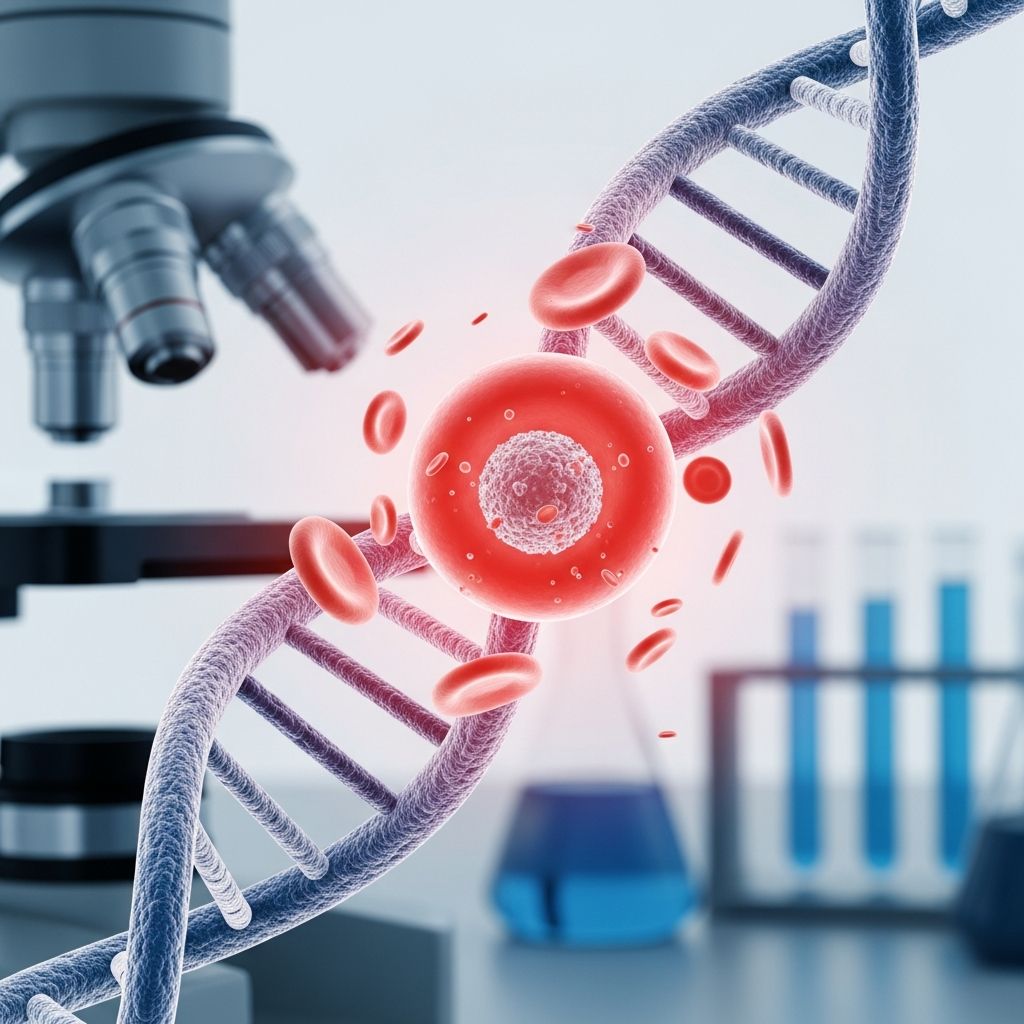
Understanding thalassemia: inherited blood disorder affecting hemoglobin production and red blood cells.
Understanding Thalassemia: An Inherited Blood Disorder
Thalassemia is an inherited blood disorder that significantly affects your body’s ability to produce hemoglobin and healthy red blood cells. This genetic condition results in the production of reduced hemoglobin, leading to various complications that range from mild to severe depending on the specific type and severity of the disease. Hemoglobin is a crucial protein found in red blood cells that carries oxygen throughout your body. When your body cannot produce adequate hemoglobin, your red blood cells become less effective at delivering oxygen to tissues and organs, resulting in anemia and other serious health complications.
The severity of thalassemia symptoms depends largely on which hemoglobin genes have been affected and the extent of the genetic defect. Some individuals may experience no symptoms at all, while others face life-threatening complications without proper treatment and management. Understanding your specific type of thalassemia is essential for developing an appropriate treatment plan and managing long-term health outcomes.
Types of Thalassemia
Thalassemia is classified into two primary categories based on which hemoglobin chain contains the genetic defect: alpha thalassemia and beta thalassemia. Additionally, thalassemia is graded by severity as trait, minor, intermedia, and major.
Alpha Thalassemia
Alpha thalassemia occurs when genes responsible for alpha-globin chain production are affected. The severity depends on how many of the four alpha genes are deleted or mutated. Hemoglobin H disease, which results from missing three alpha genes, typically causes anemia symptoms at birth and leads to severe lifelong anemia requiring ongoing medical management.
Beta Thalassemia
Beta thalassemia affects the beta-globin chain production and is further subdivided into several forms. Beta thalassemia trait represents the mildest form where individuals may experience mild anemia or no symptoms. Beta thalassemia intermedia presents with mild to moderate disease symptoms, while beta thalassemia major, also known as Cooley’s anemia, is the most severe form and usually requires regular treatment starting in early childhood.
Severity Classification
Healthcare providers classify thalassemia on a spectrum of severity that helps determine treatment needs. Thalassemia trait represents the mildest end of this spectrum, where you may experience mild anemia symptoms or have no symptoms at all. In many cases, individuals with thalassemia trait may not require medical treatment. Thalassemia minor falls slightly higher on the severity scale, followed by thalassemia intermedia with moderate disease manifestations. Thalassemia major represents the most serious form and typically requires regular, ongoing medical intervention.
Symptoms of Thalassemia
The symptoms of thalassemia vary significantly based on the type and severity of your condition. Mild forms may produce no noticeable symptoms, while moderate to severe forms can cause substantial health challenges.
Mild Thalassemia Symptoms
People with mild thalassemia or thalassemia trait may experience minimal symptoms or remain asymptomatic. When symptoms do occur, they typically include mild tiredness or fatigue and slight pallor or paleness of the skin.
Moderate Thalassemia Symptoms
Beta thalassemia intermedia may cause mild anemia symptoms, or it may progress to include more moderate disease manifestations:
- Pronounced tiredness and fatigue
- Pale or yellowish skin appearance
- Dark urine coloration
- Bone and facial structure problems requiring potential surgical correction
- Spleen enlargement that may necessitate surgical removal
- Growth delays in children
Related Stories



Severe Thalassemia Symptoms
Severe anemia from thalassemia major includes all symptoms of mild to moderate disease, plus additional serious complications:
- Severe fatigue and weakness
- Significant shortness of breath
- Delayed growth and development in children
- Bone deformities and skeletal problems
- Jaundice with yellowing of skin and eyes
- Heart problems from iron overload
- Pulmonary hypertension affecting lung function
- Organ damage from chronic iron accumulation
- Frequent infections from spleen dysfunction
Missing three alpha genes (Hemoglobin H disease) often causes anemia symptoms noticeable at birth and leads to severe lifelong anemia. Beta thalassemia major typically produces severe anemia symptoms that become apparent by age two, making early diagnosis and treatment crucial for optimal outcomes.
Diagnosis of Thalassemia
Diagnosing thalassemia involves several specialized blood tests that measure hemoglobin levels, analyze red blood cell characteristics, and identify specific genetic mutations. Healthcare providers typically order multiple tests to confirm diagnosis and determine the specific type and severity of thalassemia.
Diagnostic Tests
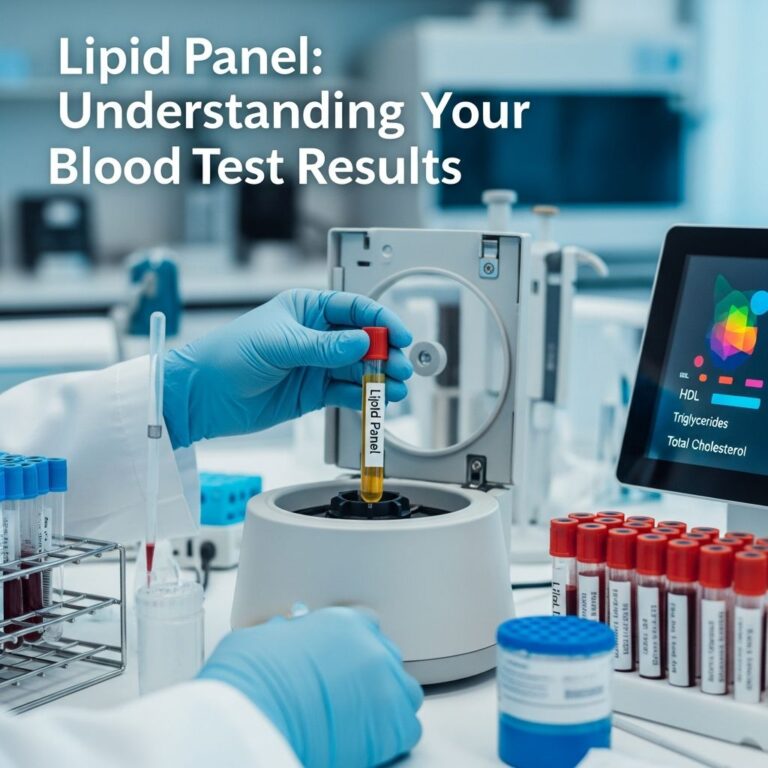
Complete Blood Count (CBC): This is usually the first test performed to evaluate thalassemia. The CBC measures the number, size, and maturity of blood cells and hemoglobin levels. Hemoglobin levels below 10 g/dl may indicate a carrier, while levels below 7 g/dl are indicative of thalassemia major. In thalassemia major, mean corpuscular volume (MCV) values are less than 70 fl, whereas in thalassemia intermedia, MCV levels fall below 80 fl. The normal range for MCV is 80-100 fl.
Hemoglobin Electrophoresis: This test measures the amount and types of hemoglobin present in your blood. It can identify abnormal hemoglobin patterns characteristic of different thalassemia types and helps distinguish thalassemia from other blood disorders.
High-Performance Liquid Chromatography (HPLC): HPLC is a reliable, fully automated method that can distinguish most types of abnormal hemoglobin, including carrier states. The method separates and quantifies hemoglobin fractions by measuring their rate of flow through a column of absorbent material, providing precise identification of hemoglobin types.
DNA Analysis: Using polymerase chain reaction (PCR) or next-generation sequencing, DNA analysis can identify carriers of thalassemia genes, combination hemoglobinopathies, and the exact mutations underlying the disease. These genetic tests provide definitive diagnosis and help identify family members who may carry thalassemia genes.
Treatment Options for Thalassemia
Treatment for thalassemia depends on the severity of your condition. The approach ranges from minimal intervention for mild cases to comprehensive medical management for severe forms. Your healthcare provider will develop a personalized treatment plan based on your specific type of thalassemia and symptom severity.
Mild Thalassemia Management
People with thalassemia traits or mild forms may not require ongoing medical care after initial diagnosis. Occasionally, transfusions may become necessary during specific circumstances such as childbirth, surgery, or when other conditions provoke anemia. A folic acid supplement may be recommended to support the growth of new blood cells.
Standard Treatment for Moderate to Severe Thalassemia
Blood Transfusions: Regular blood transfusions represent a cornerstone of treatment for moderate to severe thalassemia. Transfusions provide healthy red blood cells and hemoglobin to relieve anemia symptoms. The frequency of transfusions varies among individuals, with some requiring transfusions every two to five weeks. Your transfusion schedule may change as you age and your body’s needs evolve.
Iron Chelation Therapy: Because regular blood transfusions lead to iron accumulation in the body, iron chelation therapy is essential. This treatment removes excess iron that would otherwise damage the heart, liver, and other organs. Keeping up with iron chelation therapy is extremely important, as heart disease from iron overload is the leading cause of death in people with thalassemia.
Folic Acid Supplementation: Folic acid supplements encourage the growth of new blood cells and help manage anemia. This is often recommended as part of comprehensive thalassemia management.
Medication Options
Hydroxyurea: This chemotherapy drug may be used off-label to treat thalassemia. It stimulates your body to produce fetal hemoglobin (HbF), which you normally stop making after birth. The HbF helps compensate for insufficient adult hemoglobin.
Luspatercept (Reblozyl): This medication fights anemia by helping your body produce more red blood cells. Your doctor may prescribe it if you have beta thalassemia that requires regular transfusions.
Advanced Treatment Options
Stem Cell Transplantation: Hematopoietic stem cell transplantation (HSCT) offers a potential cure for some patients with thalassemia. This procedure involves replacing diseased stem cells with healthy ones from a donor. All stem cell treatments require myeloablation of the patient’s bone marrow to remove cells containing faulty genes. This requires high-dose chemotherapy with significant side effects such as nausea and fatigue, and a long hospital stay is necessary for recovery.
Gene Therapy: Gene therapy represents a promising treatment approach that works by harvesting the patient’s own hematopoietic stem cells and using CRISPR gene editing to modify their DNA in the laboratory. Meanwhile, the person undergoes myeloablation to destroy remaining diseased stem cells. The laboratory-treated cells are then infused back into the patient where they colonize the bone marrow and produce healthy blood cells. This approach carries fewer risks than HSCT since the transplanted cells originate from the patient themselves.
Life Expectancy and Long-term Outlook
Your life expectancy with thalassemia depends significantly on the severity of your condition and your adherence to treatment. If you have mild thalassemia, you should expect a normal life expectancy. Even with moderate or severe thalassemia, you have a good chance of long-term survival if you follow your treatment program consistently, including regular transfusions and iron chelation therapy.
The most critical factor in determining long-term outcomes is managing iron overload through proper chelation therapy. Complications from iron accumulation in the heart represent the leading cause of death in people with thalassemia, making adherence to your complete treatment regimen essential for longevity and quality of life.
Pregnancy and Genetic Counseling
If you are planning to become pregnant and suspect you or your partner may carry genes for thalassemia, seek testing and advice from a genetic counselor. Genetic counseling can help you understand the risk of passing thalassemia to your children and inform family planning decisions. A genetic counselor can explain inheritance patterns, discuss testing options, and help you navigate reproductive choices based on your specific genetic situation.
Frequently Asked Questions About Thalassemia
Q: What causes thalassemia?
A: Thalassemia is caused by genetic mutations inherited from both parents. These mutations affect the genes responsible for producing hemoglobin chains, resulting in insufficient or abnormal hemoglobin production.
Q: Can thalassemia be cured?
A: Thalassemia is treatable but not always curable through conventional means. However, stem cell transplantation and gene therapy offer potential cures for some patients. Your specific treatment options depend on your type and severity of thalassemia.
Q: How often do people with thalassemia need blood transfusions?
A: Transfusion frequency varies depending on severity. Some people with thalassemia major require transfusions every two to five weeks. Your healthcare provider will determine the appropriate schedule based on your hemoglobin levels and symptoms.
Q: What are the complications of regular blood transfusions?
A: The primary complication of regular transfusions is iron overload, which can lead to heart disease, liver disease, and other organ damage. Iron chelation therapy is used to manage this serious side effect.
Q: Can I live a normal life with thalassemia?
A: Yes, many people with thalassemia live normal, productive lives. With appropriate treatment and management, including transfusions and iron chelation therapy, individuals can have good quality of life and normal life expectancy, especially with mild forms of the disease.
Q: How is thalassemia inherited?
A: Thalassemia is inherited in an autosomal recessive pattern, meaning you must inherit mutated genes from both parents to develop the disease. If you inherit a mutation from only one parent, you become a carrier with thalassemia trait.
Q: What should I do if I think I have thalassemia?
A: If you experience persistent fatigue, pale skin, or other symptoms of anemia, contact your healthcare provider. They can order blood tests to diagnose or rule out thalassemia and determine the best course of action.
References
- Thalassemia — Cleveland Clinic. 2025. https://my.clevelandclinic.org/health/diseases/14508-thalassemias
- Thalassemias — Wikipedia. 2025. https://en.wikipedia.org/wiki/Thalassemia
- Guidelines for the Clinical Management of Thalassaemia — National Institutes of Health (NIH). 2024. https://www.ncbi.nlm.nih.gov/books/NBK173968/
- Beta Thalassemia: Symptoms, Causes & Treatment — Cleveland Clinic. 2025. https://my.clevelandclinic.org/health/diseases/23574-beta-thalassemia
- Thalassemia: Symptoms, Causes, & Treatment — WebMD. 2024. https://www.webmd.com/a-to-z-guides/what-is-thalassemia
- Preventing and Treating Heart Failure in Transfusion-Dependent Thalassemia — Cleveland Clinic Journal of Medicine. 2008. https://www.ccjm.org/content/ccjom/74/11/807.full.pdf
Similar Articles








Read full bio of Sneha Tete