Thallium Poisoning: Symptoms, Diagnosis, and Treatment
Comprehensive guide to recognizing, diagnosing, and treating acute and chronic thallium poisoning.
Thallium poisoning represents a significant toxicological emergency that affects multiple organ systems and requires prompt recognition and aggressive management. This heavy metal exposure can occur through ingestion, inhalation, or skin contact, leading to potentially severe systemic complications. Understanding the clinical presentation, diagnostic approach, and treatment options is essential for healthcare professionals managing cases of thallium toxicity.
Introduction to Thallium Toxicity
Thallium is a highly toxic heavy metal that was historically used in rodenticides and insecticides, though its use has been restricted in many countries due to its severe toxicological profile. Exposure can occur occupationally, accidentally, or through intentional poisoning. The metal accumulates in various tissues and disrupts cellular function through multiple mechanisms, particularly affecting the nervous system, gastrointestinal tract, and skin. The severity of poisoning depends on the route of exposure, the dose, and the duration of contact with the substance.
Classification of Thallium Poisoning
Thallium poisoning is classified into three primary categories based on the pattern and timeline of exposure:
- Acute thallium poisoning: Results from short-term exposure to high doses and represents the most common form of thallium toxicity. Symptoms develop rapidly within hours to days of exposure.
- Subacute thallium poisoning: Intermediate form of toxicity that develops over a moderate timeframe with moderate to high dose exposure.
- Chronic thallium poisoning: Uncommon presentation resulting from prolonged exposure to lower levels of thallium over extended periods, leading to gradual symptom development.
Clinical Symptoms of Thallium Poisoning
The Classic Triad
The classical presentation of acute thallium poisoning is characterized by a distinctive triad of symptoms that should alert clinicians to the diagnosis: gastrointestinal distress, peripheral neuropathy, and alopecia. However, these symptoms do not appear simultaneously, and understanding their timeline is crucial for early diagnosis.
Gastrointestinal and Renal Symptoms
Gastrointestinal manifestations typically appear within 1 to 5 days following ingestion and represent the initial phase of acute thallium poisoning. These symptoms include:
- Nausea and vomiting
- Abdominal pain and cramping
- Diarrhea or constipation
- Stomatitis (inflammation of the mouth)
- Blood in vomitus or stool (in severe cases)
- Liver and kidney dysfunction
Additionally, renal complications may develop, and hepatic injury can occur as the body attempts to metabolize and eliminate the toxic metal.
Neurologic Symptoms
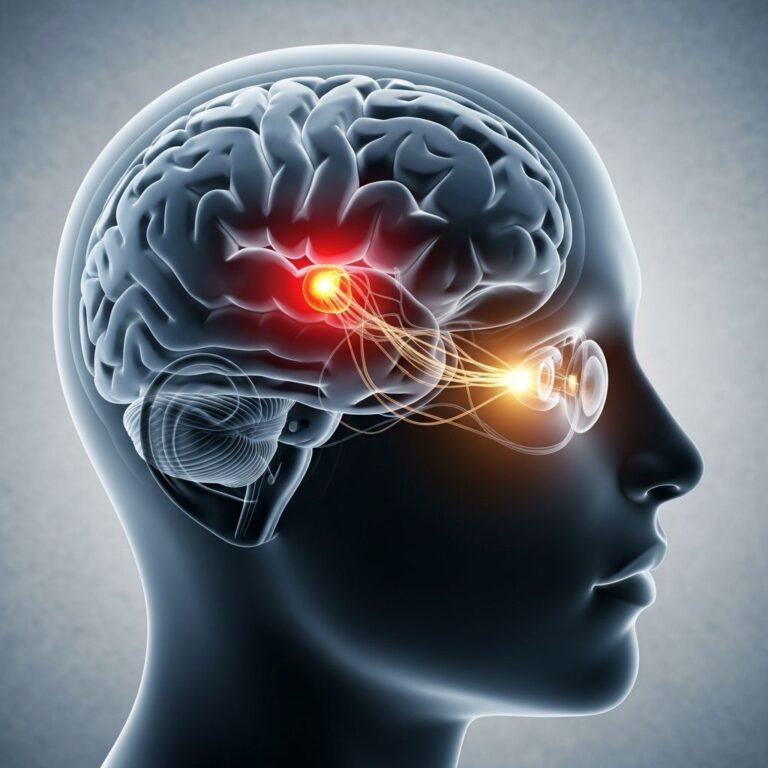
Neurological manifestations represent some of the most severe and potentially irreversible effects of thallium poisoning. These symptoms typically emerge 2 to 5 days after exposure and may include:
- Ascending painful peripheral neuropathies, particularly affecting the lower extremities
- Distal motor weakness and ataxia (loss of coordination)
- Tremor and involuntary movements
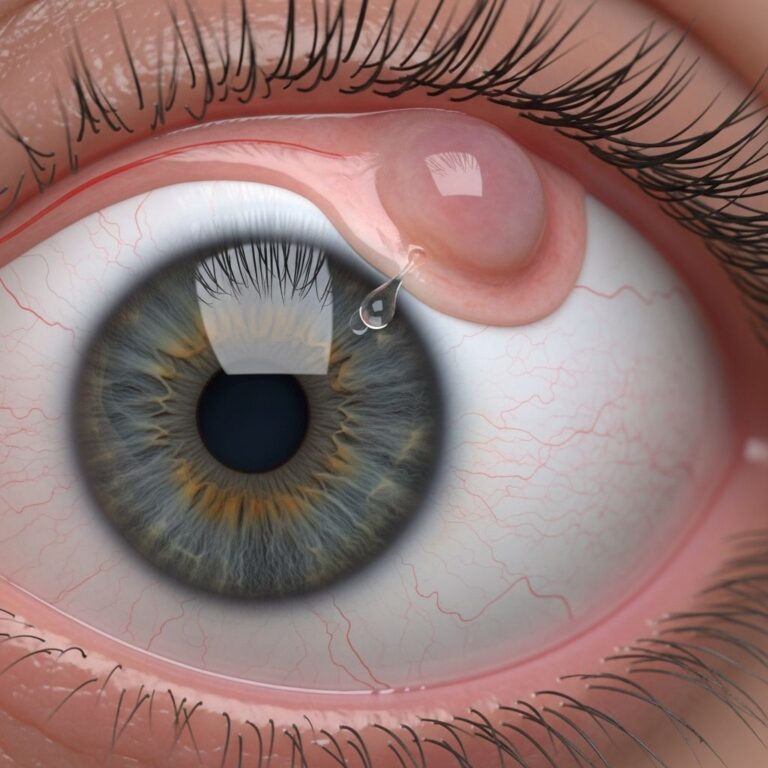
- Cranial nerve palsies affecting facial and ocular function
- Burning paresthesias (abnormal sensations) in the distal extremities
- Respiratory paralysis in severe cases
- Visual disturbances including diplopia (double vision), nystagmus, and reduced visual acuity
- Neuropsychiatric complications such as confusion, hallucinations, delirium, and psychosis
Related Stories



In the most severe cases, respiratory failure can lead to fatality, making prompt intervention critical.
Dermatologic Symptoms
Dermatological manifestations develop later in the course of thallium poisoning, typically beginning around 15 days after exposure. These include:
- Alopecia: Hair loss is most prominent on the scalp and lateral eyebrows, resulting from disruption of hair follicle structure
- Mees’ lines: Transverse white lines appearing on the nail plates approximately one month after poisoning
- Scaling: Desquamation of palms and soles
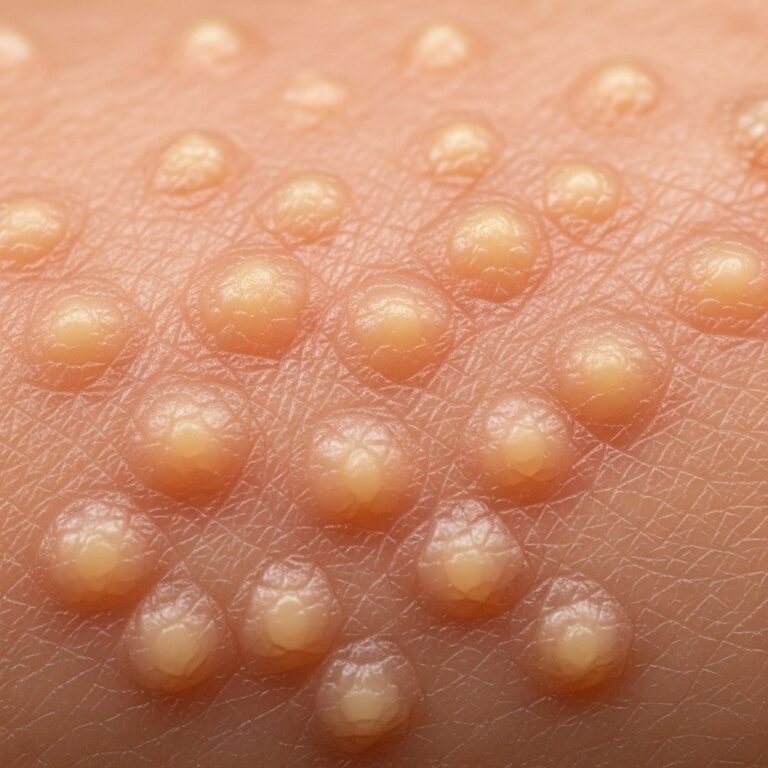
- Acneiform lesions: Rash-like eruptions on the face and body
- Characteristic band-like pigmentation: Dark pigmentation of the scalp developing within four days
- Additional findings: Crusted eczematous lesions, hypohidrosis or anhidrosis (decreased or absent sweating), palmar erythema, and painful glossitis
Chronic Thallium Poisoning Symptoms
When exposure occurs over prolonged periods at lower concentrations, chronic thallium poisoning develops with a different symptom profile:
- Fatigue and general malaise
- Headaches
- Depression and mood disturbances
- Loss of appetite
- Leg pain and muscle tenderness
- Gradual hair loss
- Vision disturbances
- Symptoms consistent with peripheral neuropathy
Diagnostic Evaluation
Clinical Assessment
Diagnosis of thallium poisoning begins with a comprehensive clinical evaluation and detailed exposure history. The nonspecific nature of early symptoms makes diagnosis challenging, particularly in the initial phases. However, recognition of the classic triad in the appropriate clinical context should raise suspicion for thallium toxicity.
Laboratory Testing
Definitive diagnosis requires laboratory confirmation through specific diagnostic tests:
- Serum thallium levels: Direct measurement of thallium concentration in blood, essential for confirming acute exposure
- 24-hour urine thallium excretion: Measurement of urinary thallium to assess body burden and monitor treatment efficacy
- Serial monitoring: Repeated measurements at baseline and during treatment to track thallium clearance from the body
Laboratory confirmation is essential because symptoms can be nonspecific and easily confused with other toxidromes or medical conditions.
Neurological Examination
A thorough neurological examination is mandatory and should include assessment of cranial nerves, evaluation for visual field defects, examination of peripheral sensation and strength, and assessment of gait and coordination. Optic neuropathy and cranial nerve palsies represent particularly important findings that may indicate significant thallium exposure.
Treatment of Thallium Poisoning
Initial Stabilization
Management of thallium poisoning begins with basic supportive measures:
- Evaluation and stabilization of airway, breathing, and circulation
- Oxygen therapy if respiratory compromise exists
- Identification and removal of the contamination source from the patient’s environment
- Establishment of intravenous access for fluid and medication administration
Decontamination Procedures
Decontamination is most effective when initiated early and includes:
- Induced vomiting: If thallium was ingested within the previous 30 minutes, though gastric lavage is often preferred
- Gastric lavage: Stomach washing within 6 hours of ingestion to remove thallium from the gastrointestinal tract
- Activated charcoal: Administration to bind remaining thallium in the gastrointestinal lumen
- Skin decontamination: Thorough washing with soap and water when skin exposure has occurred
- Prussian blue irrigation: Stomach washing using Prussian blue solution for enhanced removal
Pharmacological Treatment: Prussian Blue
Prussian blue (potassium ferric hexacyanoferrate, also known as Radiogardase) represents the cornerstone of thallium poisoning treatment and is the definitive antidote. This compound works through multiple mechanisms:
- Mechanism of action: Prussian blue binds thallium ions in the gastrointestinal tract and disrupts enterohepatic recycling, a feedback mechanism involving the liver and intestine that normally allows thallium reabsorption
- Dosing: Available in 500 mg tablets, with a recommended adult dose of 3 grams (6 tablets) administered orally three times daily
- Safety profile: Prussian blue is considered nontoxic at therapeutic concentrations
- Duration: Therapy should continue until 24-hour urine thallium levels return to normal range (0 to 5 micrograms per day)
Supportive Care
Comprehensive supportive care addresses the multiple systemic effects of thallium poisoning:
- Electrolyte management: Intravenous electrolyte replacement, particularly potassium, if levels are low
- Hydration: Maximization of oral and intravenous hydration to enhance renal thallium clearance
- Oral hygiene: Maintenance of proper oral care to prevent complications from stomatitis
- Physical rehabilitation: Physical therapy to prevent muscle contractures and maintain function
- Cosmetic management: Head shaving in cases of severe hair loss to improve patient acceptance
- Symptomatic treatment: Management of pain, neuropsychiatric symptoms, and other specific manifestations
Advanced Treatment Modalities
In severe cases of thallium poisoning with massive overdose, additional treatment options may be considered:
- Hemodialysis: Removal of thallium from the bloodstream, though generally not recommended as primary therapy due to severe side effects and limited efficacy
- Hemoperfusion: Perfusion of blood through adsorbent materials to remove toxins
- Forced diuresis: Pharmacologically-induced increased urine output to enhance renal elimination
These invasive procedures carry significant risks and are typically reserved for life-threatening situations where conservative measures prove insufficient.
Monitoring During Treatment
Appropriate monitoring is essential to ensure treatment efficacy and guide therapy duration:
- Measurement of serum and urine thallium levels three times weekly
- Confirmation of a downward trend in thallium concentrations
- Serial neurological examinations to assess progression or improvement
- Continued Prussian blue therapy until urine thallium levels normalize
Recovery and Long-Term Outcomes
The prognosis for thallium poisoning varies considerably depending on the timing of diagnosis and initiation of treatment. Patients receiving prompt and aggressive treatment for acute thallium poisoning may experience significant recovery from systemic effects. However, complete recovery is not guaranteed, and some patients experience residual complications.
Recovery Timeline
The recovery process from thallium poisoning is protracted and unpredictable. Full recovery may require several years, and in some cases, complete recovery never occurs. The recovery trajectory depends on:
- The dose and route of exposure
- The time elapsed before treatment initiation
- The intensity and duration of antidotal therapy
- Individual patient factors and baseline health status
Long-Term Sequelae
Even with appropriate treatment, patients may experience persistent or permanent neurological complications. Residual paresthesias (abnormal sensations) in the extremities represent the most common long-term effects, particularly affecting the feet and lower body. Some patients report peripheral neuropathy symptoms for up to six years following initial exposure. Additional long-term complications may include:
- Chronic peripheral neuropathy with associated weakness, numbness, and pain
- Difficulty with walking and balance
- Involuntary movement disorders
- Cognitive and mood impairment
- Persistent visual disturbances
Prevention and Public Health Considerations
Prevention of thallium poisoning is paramount, particularly given the significant morbidity associated with exposure. Occupational safety measures, proper handling and storage of materials containing thallium, and public education regarding the dangers of this metal are essential components of prevention. Healthcare providers should maintain awareness of thallium as a potential toxin in cases of unexplained gastrointestinal symptoms followed by neuropathy and alopecia, enabling early diagnosis and intervention.
Key Takeaways for Clinical Practice
- Early recognition of the classic triad (gastrointestinal symptoms, neuropathy, and alopecia) is crucial for diagnosis
- Prussian blue is the definitive treatment and should be initiated promptly
- Early diagnosis and aggressive treatment significantly improve outcomes and reduce the risk of permanent neurological damage
- Recovery may be prolonged, requiring months to years for full resolution
- Some patients experience permanent residual effects despite appropriate treatment
- Serial monitoring of thallium levels guides duration of therapy
Frequently Asked Questions
Q: How quickly does thallium poisoning develop symptoms?
A: Gastrointestinal symptoms typically appear within 1 to 5 days of exposure, while neurological symptoms may develop 2 to 5 days after exposure. Dermatological symptoms, including hair loss and Mees’ lines, develop later, around 15 days to one month after exposure.
Q: Is thallium poisoning curable?
A: Thallium poisoning can be successfully treated with Prussian blue, particularly when diagnosed early. However, complete recovery is not guaranteed, and some patients experience residual neurological complications including chronic peripheral neuropathy even with appropriate treatment.
Q: What is the treatment of choice for thallium poisoning?
A: Prussian blue (potassium ferric hexacyanoferrate) is the definitive treatment of choice. The standard adult dose is 3 grams administered orally three times daily, continued until urine thallium levels normalize to 0-5 micrograms per day.
Q: Can thallium poisoning be fatal?
A: Yes, severe thallium poisoning can lead to fatal outcomes, particularly through respiratory failure or severe neurological complications. Early recognition and treatment significantly reduce mortality risk.
Q: How long does recovery from thallium poisoning take?
A: Recovery is highly variable and may require several years. Some patients report persistent symptoms for up to six years following exposure, particularly peripheral neuropathy affecting the lower extremities. Full recovery is not guaranteed.
Q: What are Mees’ lines and do they indicate thallium poisoning?
A: Mees’ lines are transverse white lines appearing on the nail plates approximately one month after thallium exposure. While characteristic of thallium poisoning, they can also occur with arsenic poisoning and renal failure, so they are not pathognomonic but rather suggestive in the appropriate clinical context.
References
- Is There a Cure for Thallium Poisoning? Symptoms & Treatment — MedicineNet. 2024. https://www.medicinenet.com/is_there_a_cure_for_thallium_poisoning/article.htm
- Thallium Toxicity — National Center for Biotechnology Information, StatPearls Publishing. 2024. https://www.ncbi.nlm.nih.gov/books/NBK513240/
- Thallium Poisoning: Symptoms and Treatment — Patient.info, Doctor Resources. 2024. https://patient.info/doctor/toxicology/thallium-poisoning
- Thallium Toxicity — MD Searchlight Medical Information Database. 2024. https://mdsearchlight.com/poisons/thallium-toxicity/
- Thallium: Systemic Agent — National Institute for Occupational Safety and Health (NIOSH), Centers for Disease Control and Prevention. 2024. https://www.cdc.gov/niosh/ershdb/emergencyresponsecard_29750026.html
- VisualDx Clinical Decision Support for Thallium Poisoning — VisualDx Medical Imaging and Diagnosis Database. 2024. https://www.visualdx.com/visualdx/diagnosis/thallium+poisoning
Similar Articles








Read full bio of medha deb