Thawing Frozen Foods: 4 Safe Methods And Key Safety Tips
Learn the safest methods to thaw frozen foods at home and prevent foodborne illness with expert guidelines.
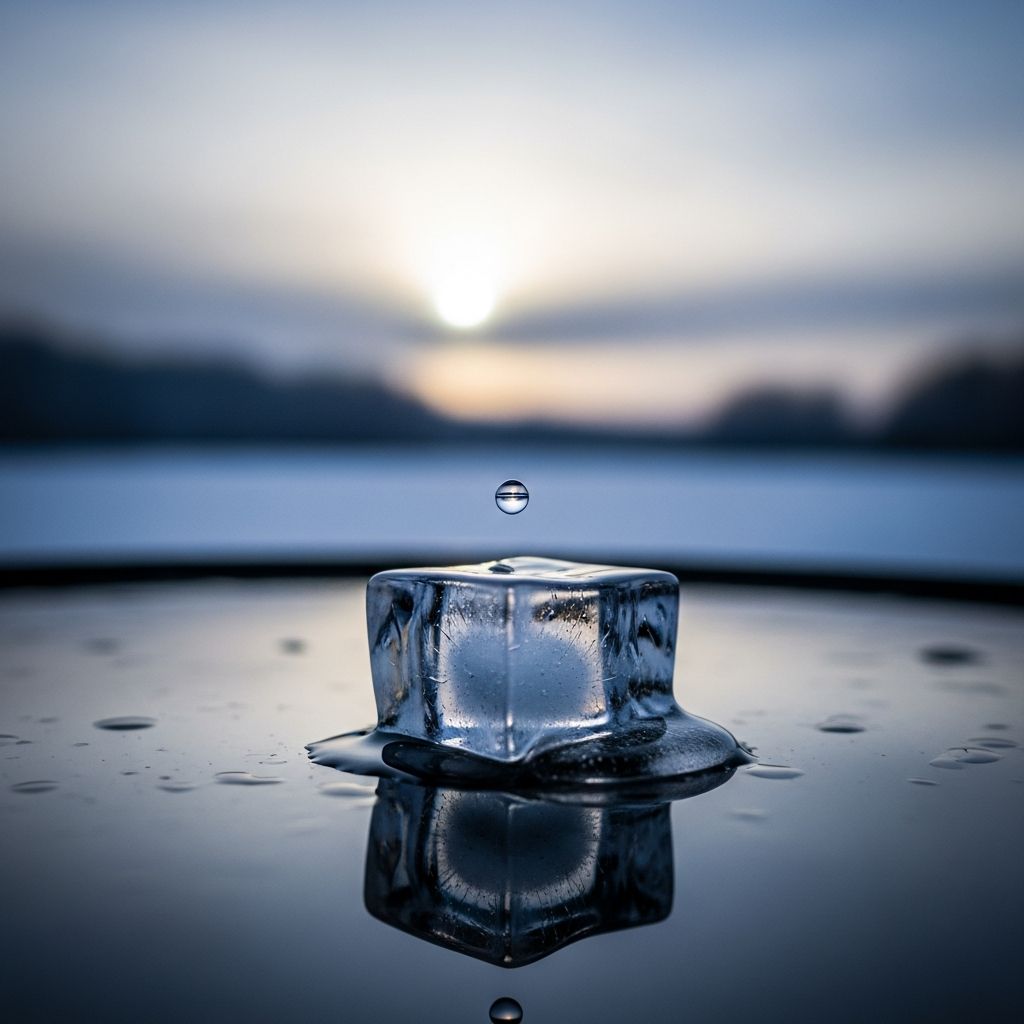
Properly thawing frozen foods is essential to prevent bacterial growth and ensure food safety in your kitchen. The danger zone—temperatures between 40°F and 140°F—allows harmful bacteria like Salmonella and E. coli to multiply rapidly if food lingers there. By choosing approved methods, you keep frozen meats, poultry, seafood, and other perishables safe from contamination.
The Safest Way to Thaw Frozen Foods
The recommended approach for thawing is always in the refrigerator, where food stays below 40°F, preventing entry into the danger zone. This method requires planning but is the gold standard for safety, as confirmed by food safety experts and agencies.
- Place frozen food in its original packaging or a leak-proof bag on a plate or tray to catch drips and avoid cross-contamination.
- Keep it on the bottom shelf to prevent juices from reaching ready-to-eat foods.
- Allow approximately 24 hours per 5 pounds of food; a 10-pound turkey may take 2-3 days.
- Once thawed, ground meats, poultry, and fish can stay in the fridge for 1-2 additional days before cooking.
Refrigerator thawing preserves quality and texture, minimizing moisture loss compared to faster methods. It’s ideal for large cuts like roasts or whole birds.
Thawing Frozen Foods in Cold Water
For quicker thawing when time is short, use the cold water method. This technique thaws food in under an hour for smaller packages but demands constant monitoring.
- Submerge food in a leak-proof plastic bag in cold tap water (below 70°F).
- Change the water every 30 minutes to maintain a safe temperature and ensure even thawing.
- Plan on 30 minutes per pound; a 3-pound chicken package thaws in about 90 minutes.
- Cook immediately after thawing to avoid bacterial risks.
Alternatively, use cool running water in a colander for agitation, keeping water below 70°F as per FDA guidelines. This method works well for seafood or smaller cuts but increases water usage.
Thawing Food in the Microwave
The microwave thawing option is convenient for small portions but should be a last resort due to uneven heating.
- Use the defrost setting to avoid cooking outer layers while the center remains frozen.
- Remove packaging and place food on a microwave-safe dish.
- Rotate and flip food midway; thaw times vary by wattage and food size.
- Cook right away, as microwaving can start partial cooking, pushing surface areas into the danger zone.
This method is best for ground meat or individual portions under 1 pound. Larger items risk hot spots where bacteria thrive.
Can I Cook Food Directly from Frozen?
Yes, cooking from frozen is safe and skips thawing entirely, though it requires adjustments. Increase cooking time by 50% and use a food thermometer to ensure the center reaches safe internal temperatures: 165°F for poultry, 145°F for steaks with a 3-minute rest, and 160°F for ground meats.
- Ideal for thin cuts like burgers or fish fillets.
- Avoid for large roasts or whole poultry, as the exterior may overcook before the interior thaws.
- Season after partial thawing for better flavor absorption.
Related Stories



While convenient, this method may result in drier textures, so thawing first is preferable when possible.
What NOT to Do When Thawing Frozen Foods
Avoid risky practices that expose food to the danger zone, even briefly. Common mistakes lead to thousands of foodborne illnesses annually.
| Unsafe Method | Why It’s Dangerous | Safe Alternative |
|---|---|---|
| Countertop thawing | Outer layers warm above 40°F while center stays frozen, promoting bacteria. | Refrigerator |
| Hot water thawing | Creates bacterial hot spots and uneven thawing. | Cold water |
| Basement, car, or garage | Fluctuating temperatures enter danger zone. | Refrigerator |
Never refreeze thawed food unless cooked first, as quality degrades and bacteria may have multiplied.
Thawing Guidelines for Specific Foods
Different foods thaw at varying rates based on size, density, and fat content. Here’s a quick reference:
| Food Type | Refrigerator Time | Cold Water Time | Notes |
|---|---|---|---|
| Small cuts (1 lb chicken breasts) | 1 day | 1 hour | Cook within 1-2 days post-thaw. |
| Ground meat (1 lb) | 1 day | 30-60 min | Use promptly. |
| Whole turkey (10-12 lbs) | 3-4 days | 5-6 hours | Bottom shelf only. |
| Seafood (1 lb fillets) | 1 day | 30 min | Leak-proof bag essential. |
For fruits and vegetables, thaw in the fridge or microwave briefly; they’re less prone to bacterial growth but can become mushy.
Food Safety Tips for Thawed Foods
Maximize safety post-thawing:
- Monitor fridge temperature at 40°F or below with a thermometer.
- Separate thawing meats from other foods to prevent drips.
- Label packages with thaw start dates.
- If power fails, thawed fridge food stays safe for 4 hours if doors closed.
- Always verify doneness with a thermometer, not time alone.
Frequently Asked Questions (FAQs)
Is it safe to thaw meat on the counter?
No. The outer surface enters the danger zone quickly, allowing bacteria growth even if the center is frozen.
How long can thawed food stay in the fridge?
1-2 days for poultry, meat, and seafood; use sooner for best quality.
Can I refreeze thawed food?
Only if cooked first; raw thawed food loses quality and safety upon refreezing.
What’s the fastest safe thawing method?
Cold water, changing every 30 minutes, but cook immediately after.
Does thawing in the microwave affect cooking?
Yes, it partially cooks edges, so finish cooking right away.
By following these guidelines, you protect your family from foodborne illnesses while maintaining delicious meals. Plan ahead with refrigerator thawing for optimal results.
References
- Thaw Like a Pro, Frozen Food Safety Tips Every Kitchen Needs — My Food Service License. 2023. https://myfoodservicelicense.com/blogs/safebites-food-safety-blog/thaw-like-a-pro-food-safety-secrets-every-kitchen-needs-for-frozen-food
- Which is an Approved Method of Thawing Frozen Food — FoodDocs. 2023. https://www.fooddocs.com/post/which-is-an-approved-method-of-thawing-frozen-food
- Thawing Foods Safely — Michigan State University Extension. 2015-07-01. https://www.canr.msu.edu/uploads/resources/pdfs/thawing_foods_safely.pdf
- Chilling Out: A Quick Guide to Thawing Food in Foodservice — FoodHandler. 2023. https://foodhandler.com/chilling-out-a-quick-guide-to-thawing-food-in-foodservice/
- Defrosting Foods — NSF International. 2023. https://www.nsf.org/consumer-resources/articles/defrosting
- The Big Thaw: Safe Defrosting Methods for Consumers — Healthy Gallatin. 2013. https://www.healthygallatin.org/wp-content/uploads/2013/04/FSHdefrost.pdf
- Proper Thawing — Texas Department of State Health Services. 2017-02-24. https://www.dshs.texas.gov/sites/default/files/foodestablishments/pdf/GuidanceDocs/1-8ProperThawing.pdf
Similar Articles








Read full bio of medha deb