The #1 Diet to Lower High Blood Pressure, According to Science
Discover the DASH diet, proven by science to effectively lower high blood pressure and promote heart health through targeted nutrition.
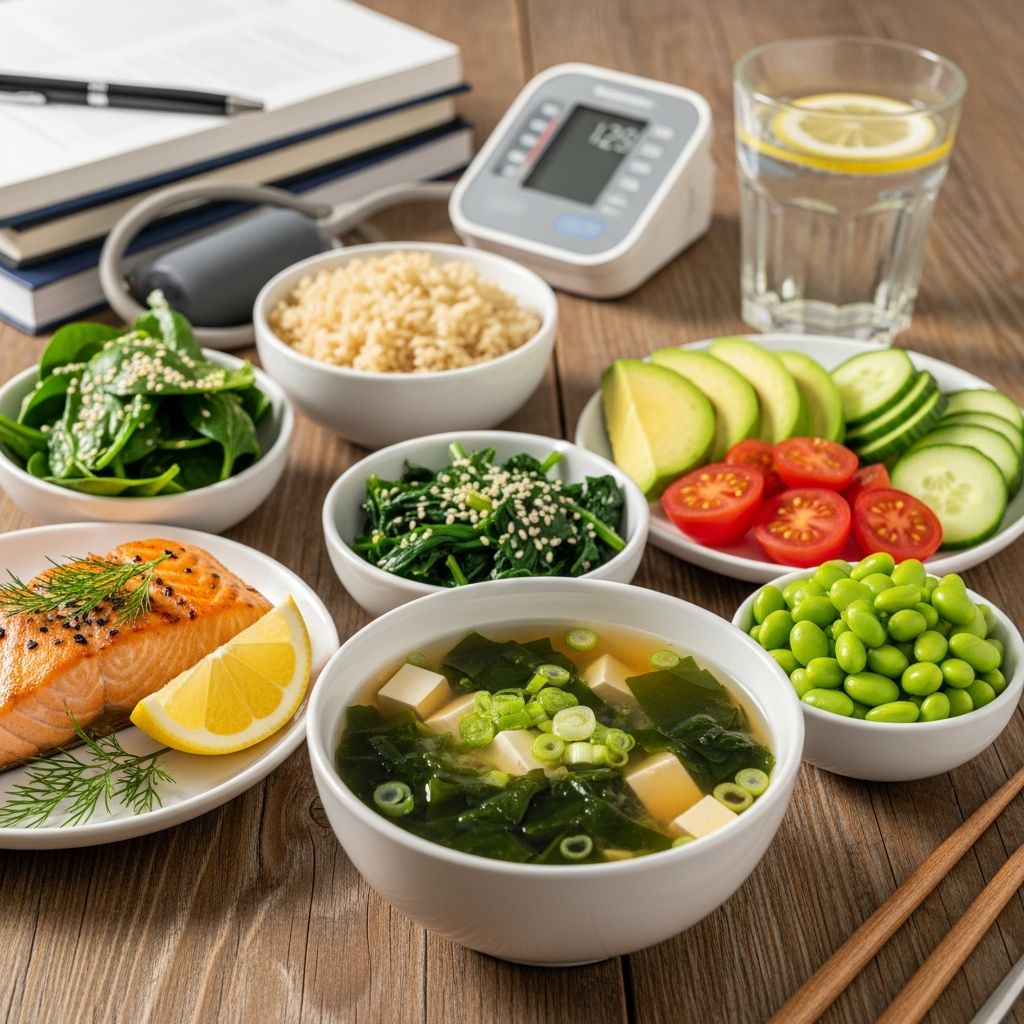
High blood pressure, or hypertension, affects nearly half of adults in the United States and is a leading risk factor for heart disease, stroke, and kidney failure. While medications play a crucial role, lifestyle changes—particularly dietary adjustments—can significantly lower blood pressure without side effects. According to extensive scientific research, one eating pattern stands out as the most effective: the DASH diet.
The DASH (Dietary Approaches to Stop Hypertension) diet, developed by the National Institutes of Health (NIH), emphasizes nutrient-rich foods that combat hypertension. Multiple clinical trials have demonstrated its ability to reduce systolic blood pressure by 5-11 mm Hg and diastolic by 3-6 mm Hg in just weeks, rivaling the effects of a single blood pressure medication.
What Is the DASH Diet?
The DASH diet isn’t a fad; it’s a flexible, lifelong eating plan designed to mimic traditional heart-healthy diets from cultures with low hypertension rates, like the Mediterranean diet. Created in the late 1990s through NIH-funded research, DASH focuses on whole foods rich in potassium, magnesium, calcium, fiber, and protein while limiting sodium, saturated fats, and added sugars.
Key principles include:
- Daily servings: 6-8 grains (mostly whole), 4-5 fruits and vegetables, 2-3 low-fat dairy, 6 or fewer lean proteins, 2-3 fats/oils, 4-5 nuts/seeds/legumes, and 5 or fewer sweets weekly.
- Sodium reduction: Start at 2,300 mg/day (standard DASH), progressing to 1,500 mg/day for greater impact.
- Balance and variety: No food groups eliminated; emphasizes nutrient density over calorie counting.
This approach naturally lowers blood pressure by counteracting sodium’s effects and supporting vascular health through anti-inflammatory compounds.
How the DASH Diet Lowers Blood Pressure
Hypertension often stems from sodium retention, arterial stiffness, and inflammation. DASH addresses these through targeted nutrition:
- Potassium-rich foods (bananas, spinach, potatoes) promote sodium excretion via urine, relaxing blood vessel walls.
- Magnesium (nuts, whole grains) acts as a natural calcium channel blocker, easing vessel dilation.
- Calcium from dairy regulates vascular tone and reduces renin activity.
- Fiber and antioxidants from produce reduce oxidative stress and improve endothelial function.
- Low saturated fat prevents plaque buildup, maintaining arterial flexibility.
The landmark DASH trial (1997) showed participants on the diet experienced blood pressure drops comparable to medication, with even greater effects in hypertensives. A 2023 meta-analysis confirmed sustained benefits over years.
What Foods Should You Eat on the DASH Diet?
DASH prioritizes whole, minimally processed foods. Here’s a breakdown:
Fruits and Vegetables (4-5 servings each daily)
- Apples, berries, oranges, pears
- Leafy greens (kale, spinach), broccoli, carrots, sweet potatoes
Whole Grains (6-8 servings daily)
- Brown rice, quinoa, oats, whole-wheat bread/pasta
- Avoid refined grains like white bread
Low-Fat Dairy (2-3 servings daily)
- Skim milk, low-fat yogurt, part-skim cheese
Lean Proteins (≤6 servings daily)
- Skinless poultry, fish (salmon, tuna), eggs, legumes
- Limit red meat to 1-2 times weekly
Nuts, Seeds, Legumes (4-5 servings weekly)
- Almonds, pistachios, lentils, chickpeas
Fats and Oils (2-3 servings daily)
- Olive oil, avocado, canola oil
| Food Group | Standard DASH (2,000 cal) | Lower-Sodium DASH |
|---|---|---|
| Grains | 6-8 | 6-8 |
| Vegetables | 4-5 | 4-5 |
| Fruits | 4-5 | 4-5 |
| Low-fat dairy | 2-3 | 2-3 |
| Lean meats/poultry/fish | ≤6 oz | ≤6 oz |
| Nuts/seeds/legumes | 4-5/week | 4-5/week |
| Fats/oils | 2-3 | 2-3 |
| Sweets | ≤5/week | ≤5/week |
Related Stories



What Foods to Limit or Avoid on DASH
To maximize benefits, minimize these:
- Sodium-heavy foods: Processed meats (bacon, sausage), canned soups, pickles, chips
- Sweetened beverages: Soda, fruit juices with added sugar
- Tropical oils: Coconut/palm oil, butter
- Red/processed meats: Beef, hot dogs
- Full-fat dairy and sweets
Read labels: Aim for <140 mg sodium per serving in packaged foods.
A 7-Day DASH Diet Meal Plan for Beginners
This 1,800-2,000 calorie plan keeps sodium under 2,300 mg:
Day 1
- Breakfast: Oatmeal with berries, skim milk (350 cal)
- Lunch: Turkey wrap (whole-wheat tortilla, veggies, mustard), apple (450 cal)
- Dinner: Baked salmon, quinoa, steamed broccoli (550 cal)
- Snacks: Yogurt, almonds (300 cal total)
Day 2
- Breakfast: Whole-grain toast, avocado, poached egg
- Lunch: Lentil soup, side salad
- Dinner: Grilled chicken, sweet potato, green beans
- Snacks: Pear, low-fat cheese
(Similar structure for Days 3-7, varying proteins like tofu, tuna; grains like barley; produce seasonally. Total daily sodium ~1,800-2,200 mg.)
Science Behind DASH: Key Studies
DASH Trial (1997): 459 adults; 8-week intervention showed 11.4/5.5 mm Hg drop in hypertensives.
DASH-Sodium Trial (2001): Lower sodium amplified effects (8.9/4.5 mm Hg at 1,500 mg).
PREDIMED (2018): DASH-like Mediterranean diet reduced hypertension risk by 30%.
2022 Meta-Analysis (JAMA): 30+ trials confirm long-term BP reduction, CVD risk ↓20%.
Benefits Beyond Blood Pressure
- Weight loss (5-10 lbs common)
- Improved cholesterol
- Diabetes prevention
- Better kidney function
- Reduced stroke/heart attack risk
Potential Downsides and Tips for Success
DASH is safe but may cause initial bloating from fiber increase—gradually add produce. Consult doctors if on diuretics or kidney issues. Tips: Flavor with herbs/spices, batch-cook, track sodium via apps like MyFitnessPal.
Frequently Asked Questions (FAQs)
Is DASH better than keto for blood pressure?
Yes; keto’s high fat/sodium can raise BP, while DASH’s nutrient profile is superior per NIH trials.
How quickly does DASH lower blood pressure?
Noticeable drops in 2 weeks; optimal in 4-8 weeks.
Can vegetarians follow DASH?
Absolutely—substitute tofu, beans, eggs for meat.
Does DASH work without exercise?
Yes, but combining with 150 min/week moderate activity enhances results by 4-9 mm Hg.
Is DASH safe long-term?
Yes; associated with longevity in cohort studies.
References
- DASH Eating Plan — National Heart, Lung, and Blood Institute (NHLBI), NIH. 2024-04-01. https://www.nhlbi.nih.gov/education/DASH
- Effects of the DASH Diet Alone and in Combination with Exercise and Weight Loss on Blood Pressure — Appel LJ et al., New England Journal of Medicine. 1997-04-17. https://www.nejm.org/doi/full/10.1056/NEJM199704173361601
- Effects of Low-Sodium Diet vs High-Sodium Diet on Blood Pressure — Sacks FM et al., New England Journal of Medicine. 2001-05-17. https://www.nejm.org/doi/full/10.1056/NEJM200105173442101
- DASH Diet and Blood Pressure: A Meta-analysis of Randomized Controlled Trials — Filippou CD et al., Journal of the American Heart Association. 2022-06-07. https://doi.org/10.1161/JAHA.121.025080
- High Blood Pressure — Centers for Disease Control and Prevention (CDC). 2024-09-05. https://www.cdc.gov/bloodpressure/index.htm
- Dietary Guidelines for Americans, 2020-2025 — U.S. Department of Health and Human Services / USDA. 2020-12-01. https://www.dietaryguidelines.gov/sites/default/files/2020-12/Dietary_Guidelines_for_Americans_2020-2025.pdf
Similar Articles








Read full bio of medha deb