The 10 Best High-Protein Foods for Lunch
Boost your midday meal with these top 10 high-protein foods that keep you full, energized and satisfied all afternoon long.
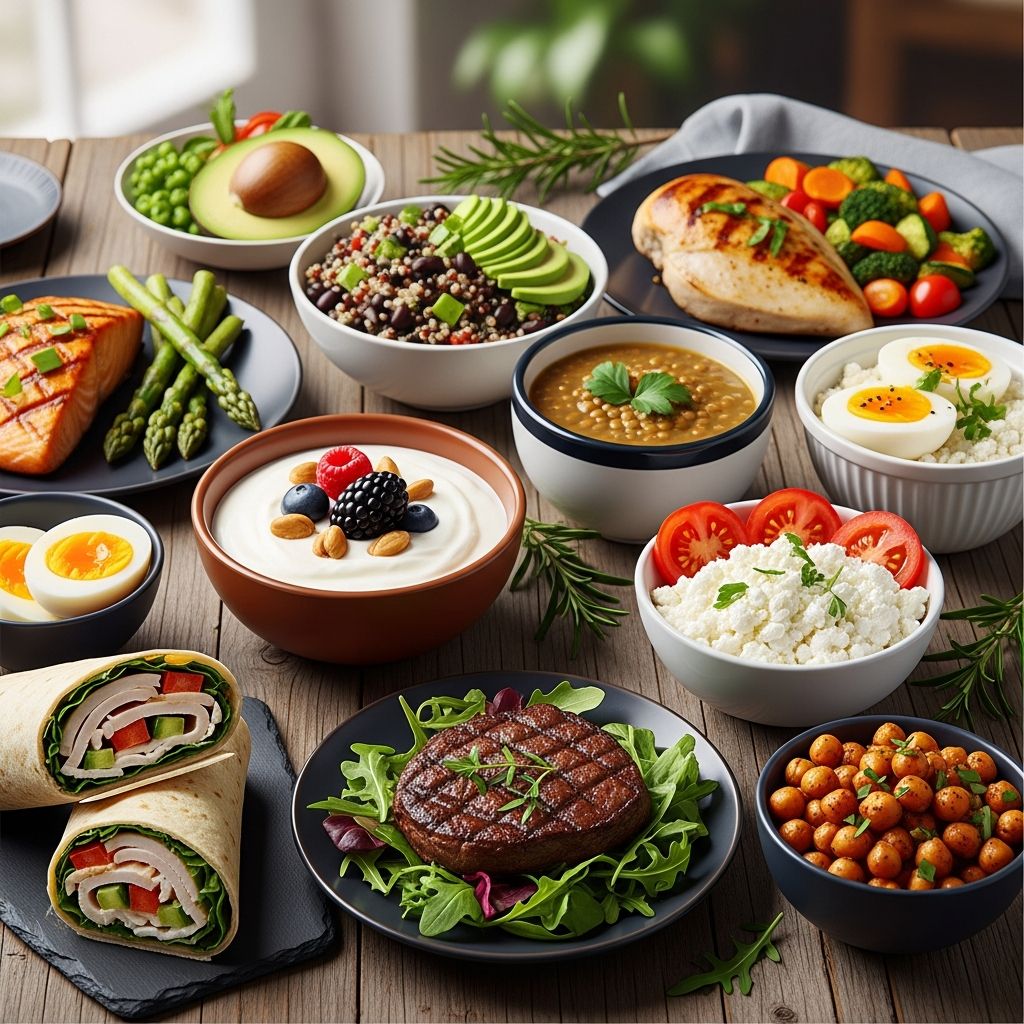
Protein is essential for maintaining muscle mass, promoting satiety and stabilizing blood sugar levels throughout the day. A protein-rich lunch can prevent the mid-afternoon slump, support weight management goals and keep you feeling full until dinner. According to the Dietary Guidelines for Americans 2020-2025, adults should aim for 46-56 grams of protein daily, with 20-30 grams per meal being optimal for most people.
Dietitians recommend prioritizing high-quality protein sources at lunch—think lean meats, fish, eggs, dairy, legumes and plant-based options. These foods not only deliver amino acids but also come packed with vitamins, minerals and fiber. Below, we rank the 10 best high-protein foods for lunch based on protein density per serving, versatility and nutritional profile.
1. Eggs (13g protein per 2 large eggs)
Eggs top our list as the ultimate lunch protein. Each large egg provides 6 grams of complete protein containing all nine essential amino acids. They’re budget-friendly, quick-cooking and incredibly versatile for lunch bowls, salads or wraps.
Nutrition highlights: 140 calories, 12g fat, 1g carbs, 560mg potassium, vitamin D, choline for brain health.
- Lunch ideas: Egg salad lettuce wraps, hard-boiled egg avocado toast, veggie-packed frittata muffins, spinach feta scramble.
- Pro tip: Don’t skip the yolk—70% of protein and nearly all nutrients reside there.
2. Canned Tuna (20g protein per 3oz serving)
With 20 grams of protein per modest 3-ounce serving, canned tuna delivers lean muscle-building power. It’s rich in omega-3 fatty acids that support heart health and reduce inflammation.
Nutrition highlights: 90 calories, 1g fat, 0g carbs, 237mg potassium, vitamin D, selenium, B12.
- Lunch ideas: Tuna salad stuffed peppers, Mediterranean tuna wrap, tuna avocado boats, niçoise salad bowls.
- Storage tip: Choose water-packed varieties and consume 2-3 servings weekly to minimize mercury exposure (FDA guidelines).
3. Turkey Breast (25g protein per 3oz serving)
Lean turkey breast offers one of the highest protein densities at 25 grams per 3-ounce serving. It’s low in saturated fat and provides tryptophan that supports mood regulation.
Nutrition highlights: 125 calories, 1g fat, 0g carbs, 250mg potassium, B3, B6, phosphorus.
- Lunch ideas: Turkey avocado roll-ups, Cobb salad with turkey, turkey sweet potato bowls, hummus turkey pinwheels.
- Pro tip: Opt for low-sodium, nitrate-free deli slices or roast your own for maximum freshness.
4. Greek Yogurt (20g protein per 7oz plain nonfat)
Straining removes whey, concentrating Greek yogurt’s protein to 20 grams per serving. Probiotics support gut health while calcium strengthens bones.
Nutrition highlights: 100 calories, 0g fat, 6g carbs, 240mg calcium, 220mg potassium, vitamin B12.
- Lunch ideas: Greek yogurt chicken salad, Mediterranean yogurt bowls, tzatziki veggie dippers, yogurt parfait with nuts.
- Selection tip: Choose plain, unsweetened varieties to avoid added sugars.
Related Stories



5. Cottage Cheese (25g protein per 1 cup low-fat)
This curd-style cheese packs 25 grams of casein protein per cup—a slow-digesting type ideal for sustained fullness. It’s also rich in calcium for bone health.
Nutrition highlights: 160 calories, 2g fat, 6g carbs, 200mg calcium, 300mg phosphorus, selenium.
- Lunch ideas: Cottage cheese veggie boats, BLT cottage cheese bowls, herbed cottage cheese with crackers, Southwestern cottage cheese salad.
- Pro tip: Blend smooth for creamy salad dressings or sauces.
6. Lentils (18g protein per 1 cup cooked)
Lentils provide 18 grams of plant protein plus 16 grams of fiber per cup. This double-whammy maximizes satiety and stabilizes blood sugar.
Nutrition highlights: 230 calories, 1g fat, 40g carbs, 900mg potassium, folate, iron, magnesium.
- Lunch ideas: Lentil avocado salad, curried lentil soup, power lentil bowls, lentil veggie patties.
- Bonus: Pair with vitamin C-rich foods to enhance iron absorption.
7. Chickpeas (15g protein per 1 cup cooked)
Versatile chickpeas deliver 15 grams of protein and 12 grams of fiber. Their resistant starch content supports gut health and blood sugar control.
Nutrition highlights: 270 calories, 4g fat, 45g carbs, 480mg potassium, folate, manganese, copper.
- Lunch ideas: Roasted chickpea salad, hummus chickpea bowls, falafel wraps, chickpea tuna salad.
- Prep tip: Rinse canned chickpeas well to reduce sodium by 40%.
8. Edamame (17g protein per 1 cup shelled)
Young soybeans provide complete plant protein plus heart-healthy isoflavones. One cup delivers 17 grams of protein and 8 grams of fiber.
Nutrition highlights: 190 calories, 8g fat, 14g carbs, 675mg potassium, vitamin K, folate, omega-3s.
- Lunch ideas: Edamame quinoa salad, Asian edamame slaw, edamame hummus, power poke bowls.
- Pro tip: Steam rather than boil to preserve nutrients.
9. Quinoa (8g protein per 1 cup cooked)
Unlike most grains, quinoa is a complete protein containing all essential amino acids. One cup provides 8 grams plus magnesium for energy metabolism.
Nutrition highlights: 220 calories, 3g fat, 39g carbs, 320mg magnesium, 318mg potassium, iron.
- Lunch ideas: Quinoa power bowls, Greek quinoa salad, stuffed quinoa peppers, quinoa veggie sushi.
- Prep tip: Rinse thoroughly to remove bitter saponins.
10. Tofu (10g protein per ½ cup firm)
Firm tofu offers 10 grams of plant protein per serving with minimal calories. It’s an excellent blank canvas that absorbs any flavor profile.
Nutrition highlights: 90 calories, 5g fat, 2g carbs, 150mg calcium (calcium-set varieties), iron, manganese.
- Lunch ideas: Tofu banh mi wraps, sesame tofu salad, tofu scramble bowls, Buddha bowls.
- Selection tip: Choose organic, non-GMO tofu pressed for best texture.
How Much Protein Do You Need at Lunch?
Research from American Journal of Clinical Nutrition shows 25-30 grams of protein per meal maximizes muscle protein synthesis in adults. Distributing protein evenly across meals (vs. loading at dinner) better supports metabolism and satiety.
| Group | Daily Protein (g) | Per Meal Target (g) |
|---|---|---|
| Sedentary Women | 46-56 | 15-20 |
| Active Women | 60-80 | 20-27 |
| Sedentary Men | 56-70 | 19-23 |
| Active Men | 80-100 | 27-33 |
| Athletes | 100-150 | 30-50 |
Sample 30g Protein Lunches
- Turkey + Cheese Wrap: 4oz turkey (25g) + 1oz cheese (7g) = 32g
- Tuna Salad Bowl: 5oz tuna (33g) + Greek yogurt dressing
- Lentil Power Bowl: 1.5 cups lentils (27g) + 2 eggs (12g) = 39g
- Cottage Cheese Feast: 1.5 cups cottage cheese (38g) + veggies
Frequently Asked Questions
Can I get enough protein from plant sources alone?
Yes! Combine complementary proteins like beans + rice, hummus + pita or quinoa + nuts. Aim for variety throughout the day to ensure complete amino acid profiles.
What’s the best way to meal prep high-protein lunches?
Hard-boil eggs, roast chickpeas, cook quinoa and portion tuna salad cups on Sunday. Mix-and-match components for variety all week long.
Does cooking method affect protein content?
Minimal impact. Grilling, baking, steaming preserve protein best. Avoid deep-frying which adds empty calories without boosting protein.
Should I track protein grams exactly?
Not necessary for most. Focus on palm-sized portions of protein (3-4oz) plus veggies and healthy fats at each meal for balanced nutrition.
References
- Dietary Guidelines for Americans, 2020-2025 — USDA/HHS. 2020-12-01. https://www.dietaryguidelines.gov/
- Mercury Levels in Commercial Fish and Shellfish (1990-2012) — FDA. 2023-02-15. https://www.fda.gov/food/metals-and-your-food/mercury-levels-commercial-fish-and-shellfish-1990-2012
- Protein “pace”—Does “when” you eat protein matter? — American Journal of Clinical Nutrition. 2016-04-01. https://pubmed.ncbi.nlm.nih.gov/27030531/
- Protein Foods Group — USDA MyPlate. 2024-01-10. https://www.myplate.gov/eat-healthy/protein-foods
- USDA FoodData Central — USDA Agricultural Research Service. 2025-10-15. https://fdc.nal.usda.gov/
Similar Articles








Read full bio of Sneha Tete